K&N Air Filter Cleaning Guide & Checklist
Follow this interactive guide to safely clean your reusable air filter using soap and water. Improper cleaning can damage the cotton gauze or lead to engine issues.
Select a step above to see instructions and warnings.
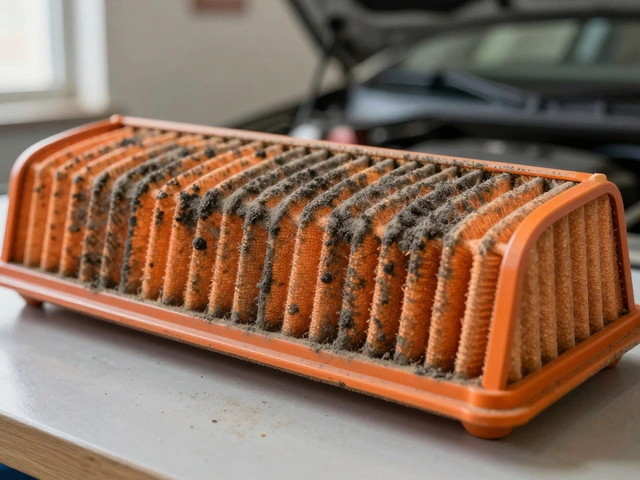
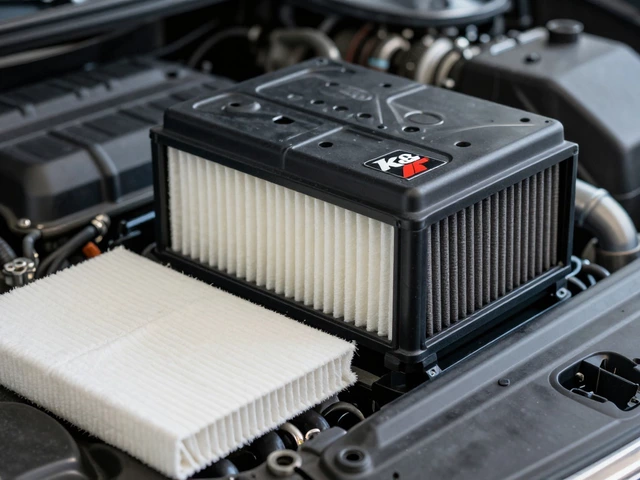
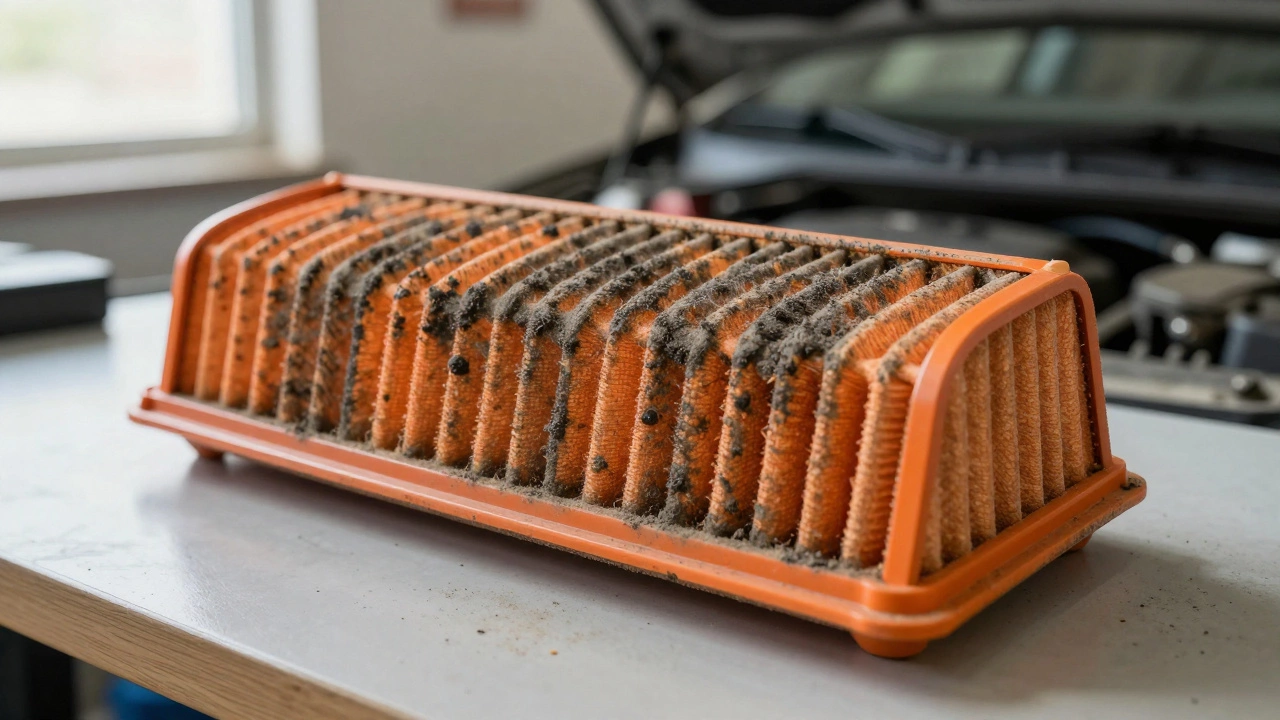
Picture this: you’re cruising down the highway, feeling that extra snap in your engine’s throttle response. It’s thanks to that K&N air filter, a reusable performance part known for boosting airflow. But then, the check engine light flickers, or worse, your fuel economy tanks. You pull out the filter, and it looks like a coffee stain on a white shirt. Gross, right? Your instinct says, "I’ll just hose it off and scrub it with dish soap." Stop. Before you ruin a $100+ component, you need to know if plain old soap and water actually work-and more importantly, how to do it without destroying the filter’s lifespan.
The short answer is yes, you can use soap and water. In fact, it’s the recommended method by the manufacturer. However, using the *wrong* kind of soap or skipping a critical step will turn your high-performance filter into a clogged paperweight. This guide cuts through the noise and gives you the exact steps to restore your filter to factory-new condition, ensuring your engine breathes easy for another 50,000 miles.
Why Regular Cleaning Matters More Than You Think
You might think an air filter is just a dirty sock for your car. It’s not. It’s the lungs of your engine. When those lungs get clogged with dust, pollen, and road grime, your engine has to work harder to suck in air. This leads to reduced horsepower, poorer fuel efficiency, and potentially long-term damage to internal components like mass airflow sensors (MAF). Unlike disposable paper filters that you throw away every 15,000 miles, a reusable cotton gauze filter is designed to last the life of the vehicle-if you maintain it properly.
Neglecting cleaning schedules is the number one reason owners prematurely replace their filters. Most manufacturers recommend cleaning every 50,000 to 100,000 miles, depending on driving conditions. If you drive in dusty areas, construction zones, or off-road, that interval drops significantly. A clogged filter doesn’t just hurt performance; it traps moisture and debris against the metal housing, which can lead to corrosion over time.
The Soap and Water Method: Step-by-Step
Cleaning isn’t about blasting dirt away with high pressure; it’s about gentle agitation and chemical breakdown. Here is the proven process that keeps the cotton gauze intact and the adhesive seals strong.
- Remove the Filter: Open your airbox. Note the orientation of the filter before taking it out. You’ll want to reinstall it exactly the same way to ensure proper sealing. Take a photo with your phone if you’re unsure.
- Tap Out Loose Debris: Gently tap the filter against a solid surface to dislodge large particles like leaves or rocks. Do not shake it vigorously, as this can push debris deeper into the pleats.
- Pre-Treat Heavy Dirt: If the filter is extremely dirty, spray it with a dedicated cleaner or a mild detergent solution. Let it soak for 10 minutes. This softens the gunk so you don’t have to scrub hard.
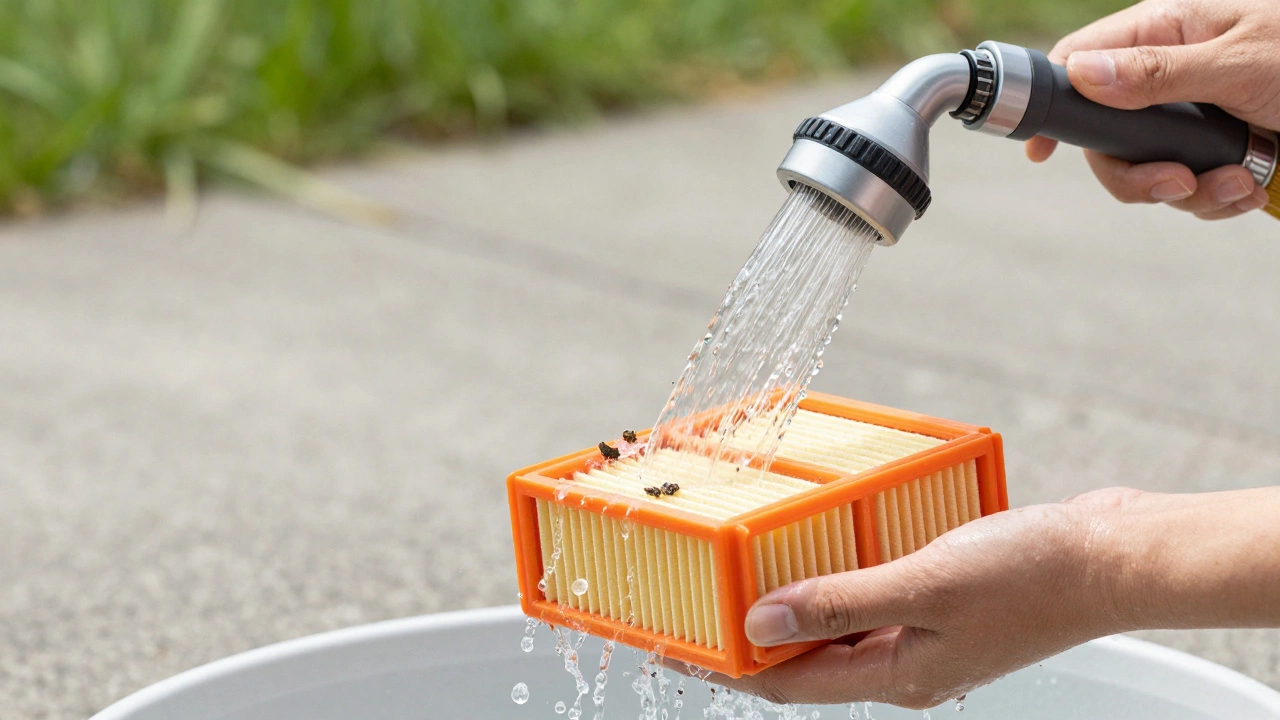
- Rinse from Clean to Dirty Side: This is crucial. Use a low-pressure garden hose. Spray from the inside (clean side) out to the outside (dirty side). This pushes debris out of the pleats rather than forcing it deeper into the fabric. Never use high-pressure washers, as they can tear the cotton gauze.
- Apply Cleaner: If you aren’t using a specialized kit, mix a few drops of mild dish soap (like Dawn) with warm water. Apply this mixture to the filter and let it sit for 10-15 minutes. Avoid harsh chemicals, bleach, or degreasers, as they break down the cotton fibers.
- Rinse Again: Rinse thoroughly from the clean side out until the water runs clear. Any remaining soap residue will attract new dirt quickly.
- Dry Completely: This is where most people mess up. Let the filter air dry naturally. It can take several hours, even overnight. Do not use compressed air to speed up drying, as the heat and force can damage the filter media. Do not install a damp filter-it will restrict airflow and potentially cause hydrolock issues.
The Critical Step: Re-Oiling
Here’s the secret sauce. A K&N filter isn’t just cotton; it’s cotton coated in a specific type of oil. This oil acts as a sticky trap for microscopic particles that would otherwise pass through the gauze and into your engine. When you wash the filter with soap and water, you remove this oil. Installing a washed-but-un-oiled filter is like running your engine with no protection against fine dust.
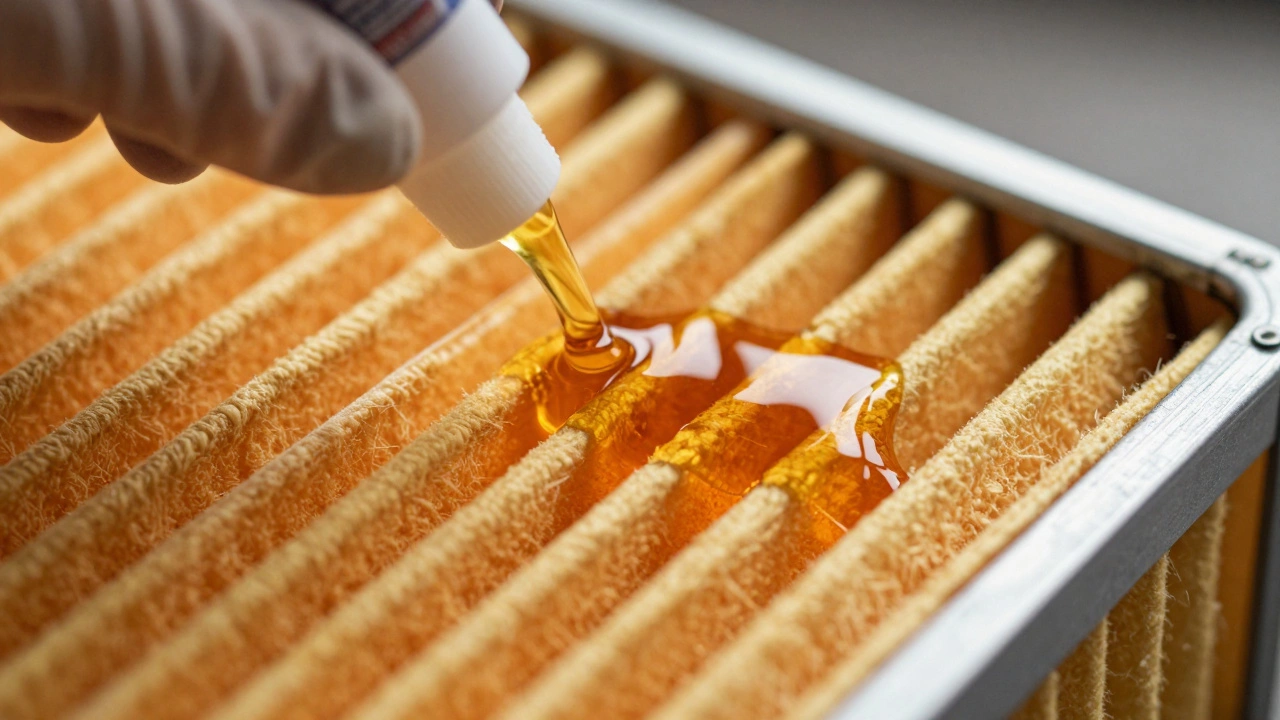
You must apply fresh air filter oil after cleaning. Use only oil designed for panel filters. Engine oil or WD-40 will not work and can contaminate your MAF sensor. Apply the oil evenly across the cotton gauze, avoiding the rubber seals and the metal frame. You want a thin, uniform coat. The cotton should look slightly translucent but not dripping wet. Too much oil is just as bad as too little-it can oversaturate the filter, causing it to shed oil onto the MAF sensor, leading to expensive repairs.
| Mistake | Consequence | Correct Approach |
|---|---|---|
| Using high-pressure washer | Tears cotton gauze, destroys filter structure | Use low-pressure garden hose spray |
| Skipping re-oiling | Poor filtration, engine damage from dust ingress | Apply manufacturer-recommended oil evenly |
| Installing damp filter | Restricted airflow, potential MAF contamination | Air dry completely (overnight if needed) |
| Using harsh detergents | Degrades cotton fibers, reduces lifespan | Use mild dish soap or specialized cleaner |
| Over-oiling | Oil drips onto MAF sensor, causes errors | Apply thin, even layer; avoid seals |
When Soap and Water Aren’t Enough
Sometimes, standard cleaning isn’t enough. If your filter has been exposed to heavy oil leaks, grease, or extreme contaminants, household soap might not cut it. In these cases, consider using a specialized cleaning kit. These kits often include a pre-cleaner solvent and a precision oil applicator. They are designed to break down tough grime without damaging the filter media.
Also, inspect the filter closely during cleaning. Look for tears, holes, or separated seams. If the cotton gauze is ripped or the rubber seal is cracked, no amount of cleaning will save it. Replace the filter immediately. Continuing to use a damaged filter defeats the purpose of having a high-performance intake system.
DIY vs. Professional Service
Can you take your filter to a shop? Yes, many auto parts stores offer free or low-cost cleaning services. However, DIY cleaning gives you control over the process. You know exactly what products are used, and you ensure the filter is dried and oiled correctly. Professional services sometimes rush the drying process, leading to damp filters being returned to customers. If you choose DIY, follow the steps above meticulously. If you’re unsure, professional service is a safe backup, but always verify they re-oil the filter before returning it.
FAQs About Cleaning K&N Filters
Can I use dish soap to clean my K&N air filter?
Yes, mild dish soap like Dawn is perfectly safe and effective for routine cleaning. Avoid heavy-duty degreasers or industrial cleaners, as they can strip the cotton fibers and reduce the filter's lifespan.
How often should I clean my K&N air filter?
Generally, every 50,000 to 100,000 miles. However, if you drive in dusty environments, off-road, or near construction sites, check it every 10,000 miles and clean as needed based on visual inspection.
Do I need special oil for my air filter?
Yes. You must use oil specifically formulated for panel air filters. Using engine oil, WD-40, or other lubricants will not provide proper filtration and can damage your mass airflow sensor (MAF).
Can I use a pressure washer to clean my air filter?
No. High-pressure water can tear the delicate cotton gauze layers inside the filter. Always use a low-pressure garden hose spray, rinsing from the clean side to the dirty side.
What happens if I install a wet air filter?
A wet filter restricts airflow, reducing engine performance and fuel efficiency. Worse, water can be drawn into the engine, potentially causing hydrolock or contaminating the MAF sensor, leading to check engine lights and poor idle.
How do I know if my air filter needs replacing instead of cleaning?
Inspect the filter for physical damage. If there are tears in the cotton gauze, cracks in the rubber seals, or if the filter cannot be cleaned effectively despite multiple attempts, it’s time to replace it.