Wheels and Tires: Your Practical Guide to Choosing, Fitting, and Maintaining
When you think about upgrading your ride, wheels and tires are the first things that come to mind. They change how your car looks, how it handles, and even how much fuel you use. This guide gives you straight‑forward advice so you can pick the right set without guessing.
How to Choose the Right Wheels
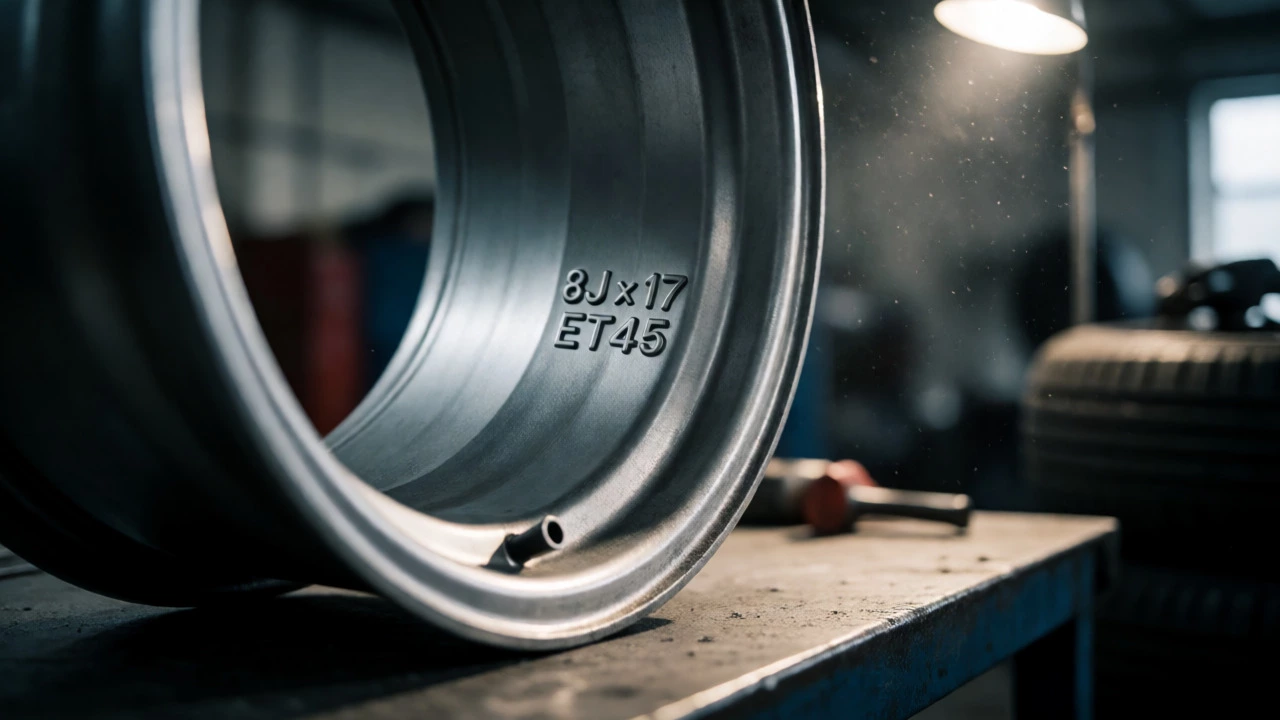
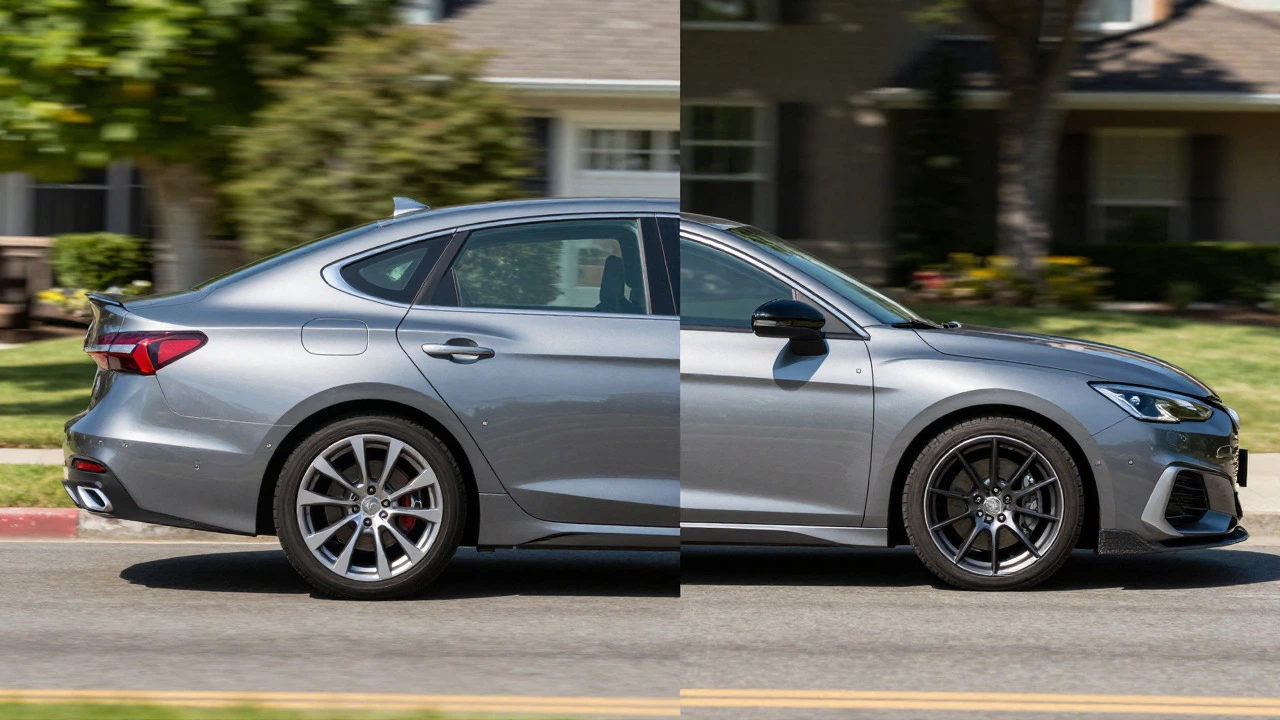
Start with the size. The numbers on a wheel – diameter, width, offset – tell you if it fits your car. A common mistake is grabbing a set that looks cool but doesn’t match the bolt pattern or clearance. Check your vehicle’s spec sheet or the sticker inside the driver’s door. If you’re not sure, a quick call to your local garage will save you a pricey mistake.
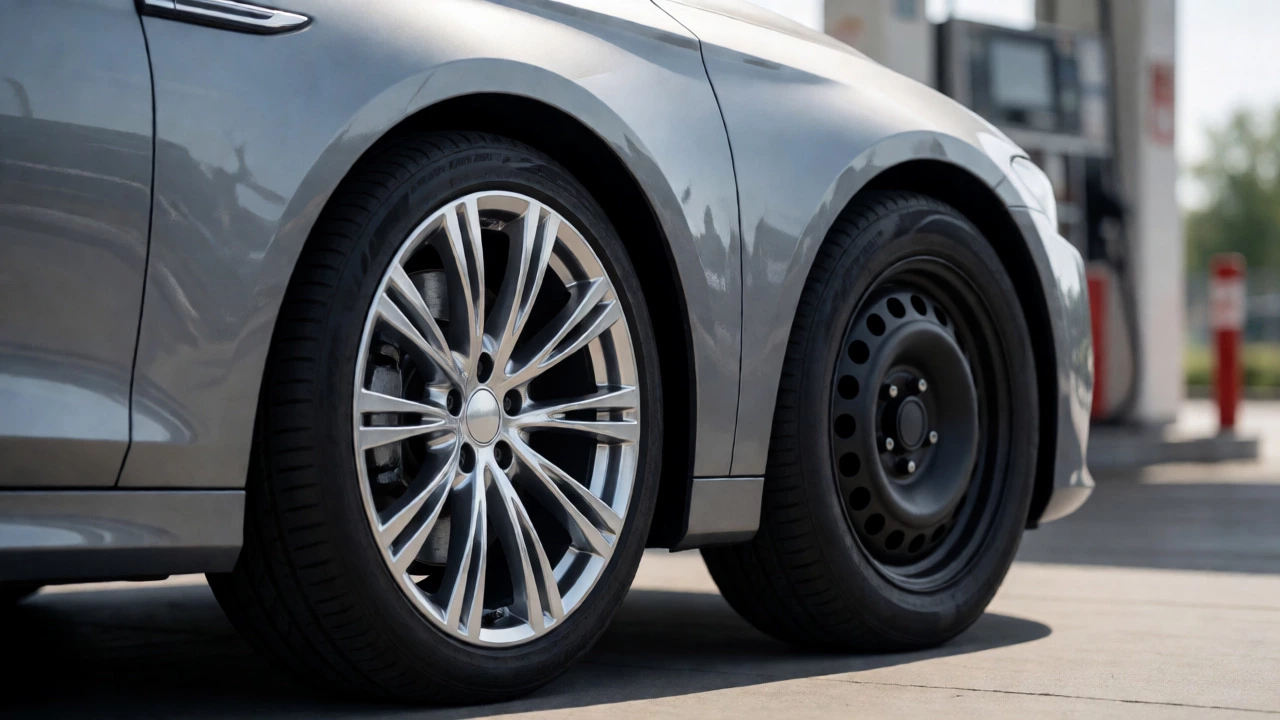
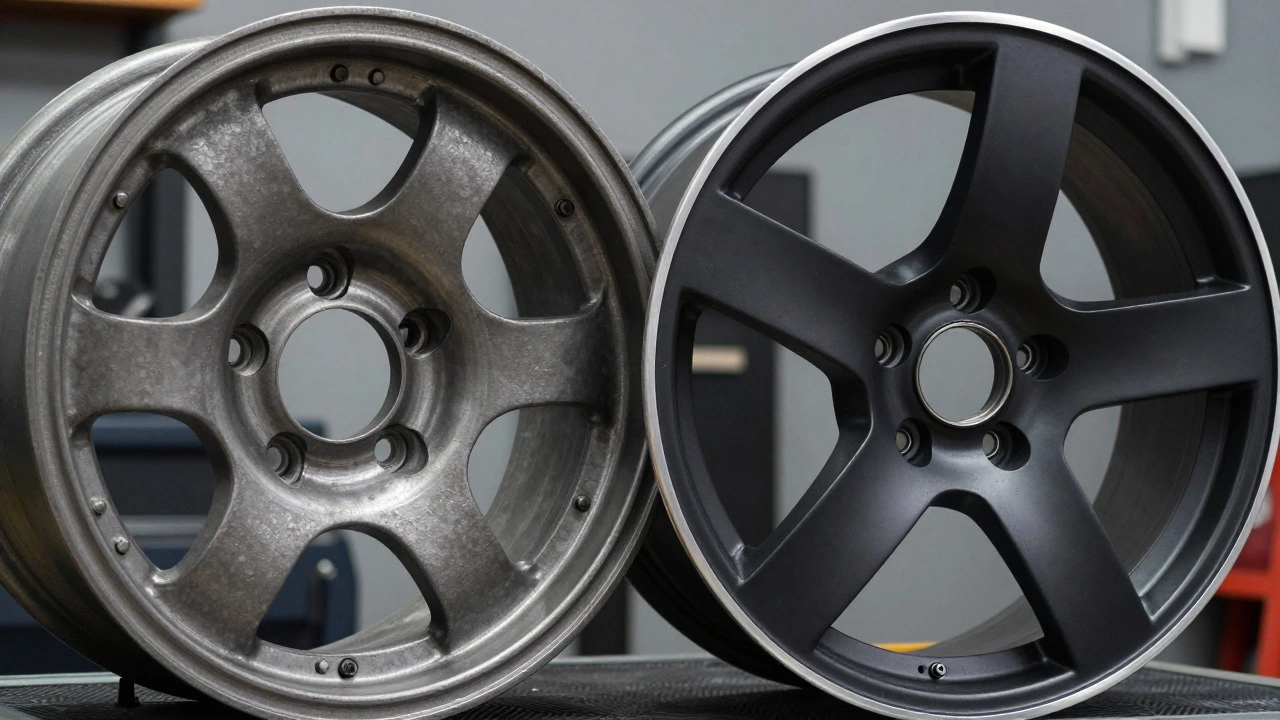
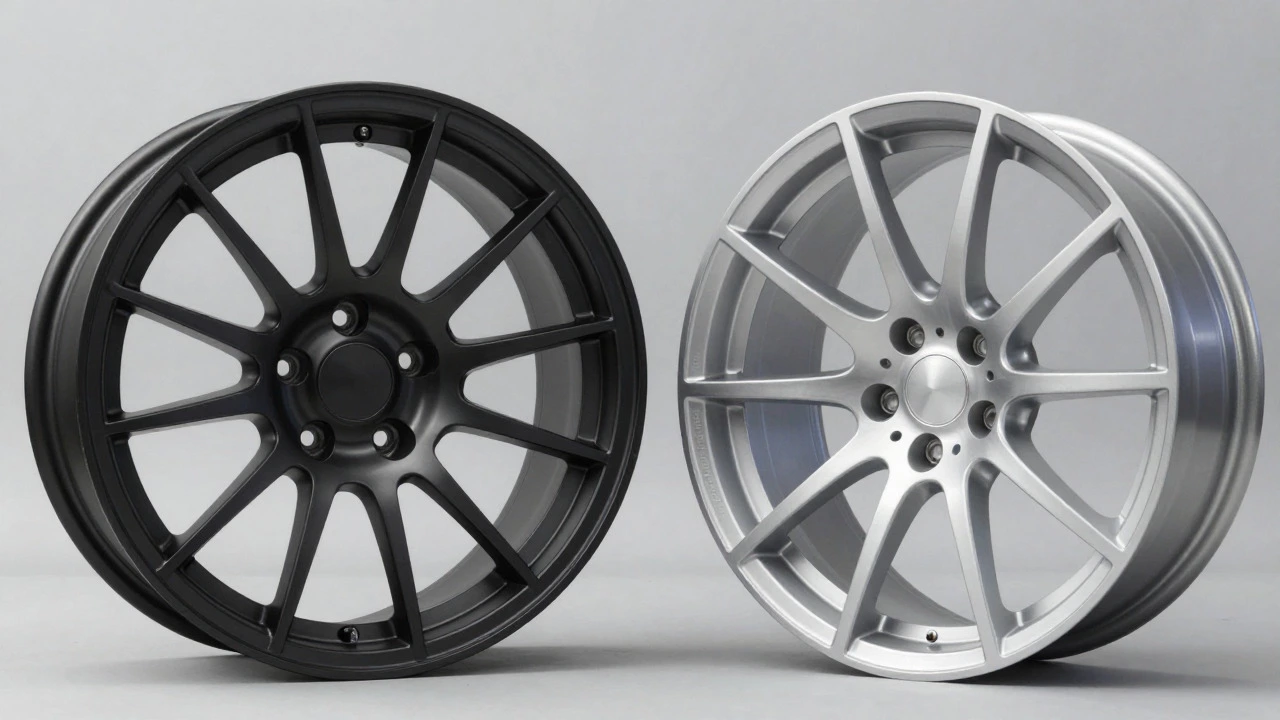
Material matters too. Alloy wheels are lighter than steel, which can improve acceleration and brake feel. They also shed heat better, helping the brakes work longer. However, they’re softer and can bend if you hit a pothole hard. Steel wheels are tougher and cheaper but add weight, which may affect fuel economy.
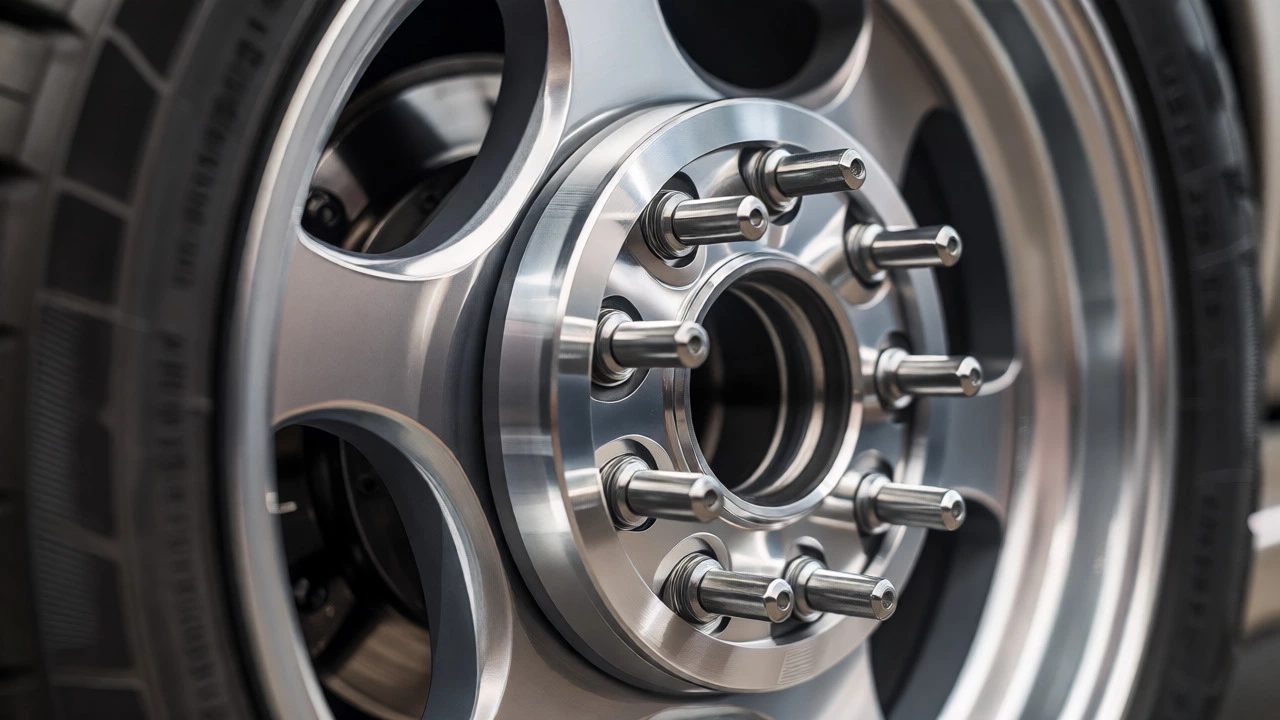
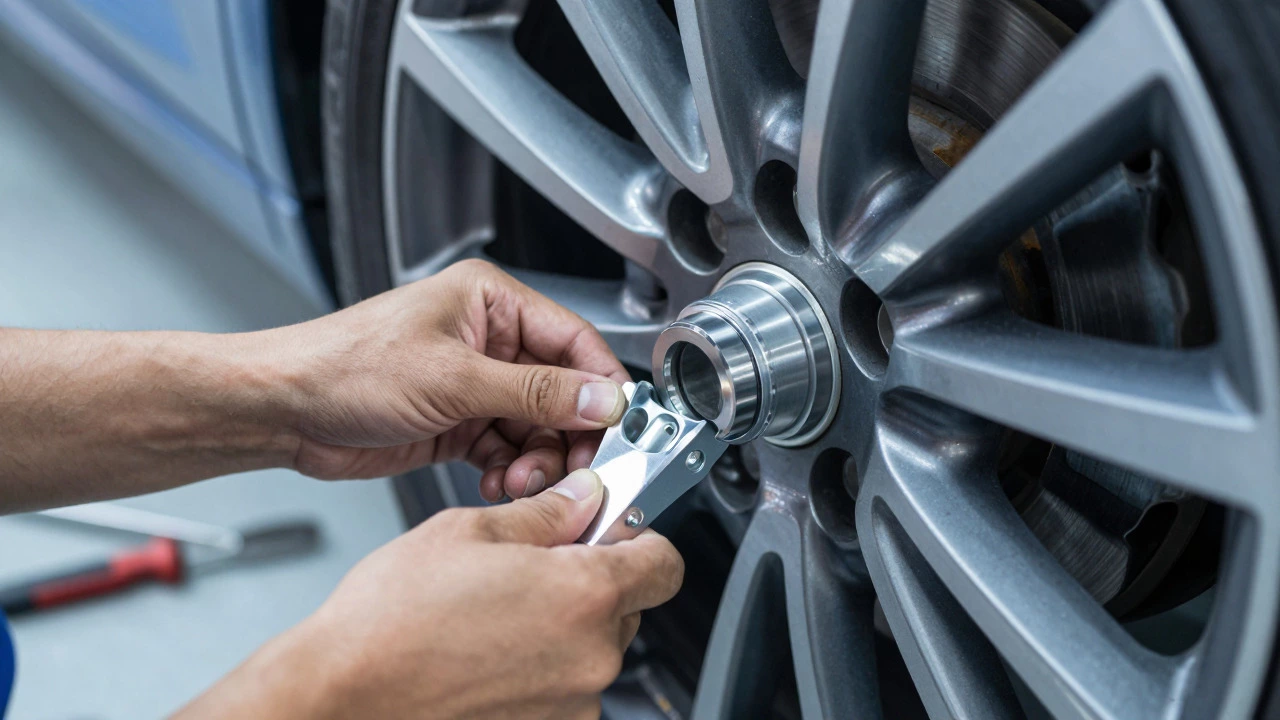
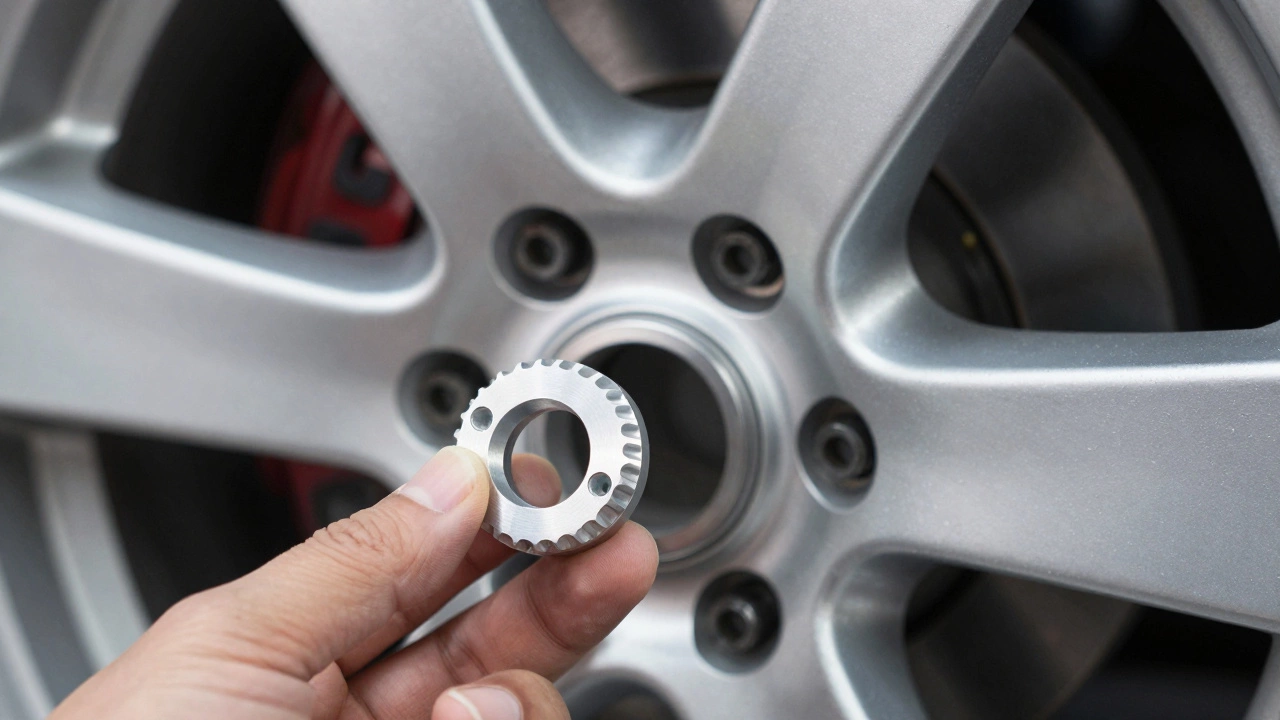
If you’re thinking about wheel spacers, ask yourself why. Spacers push the wheels outward, giving a wider stance and sometimes solving fitment issues with larger tires. But they also change the leverage on suspension parts, so you need the right thickness and good quality hardware. Too thick a spacer can hurt handling and wear out bearings faster.
Tire Selection and Care Tips
Pick tires that match your driving style. All‑season tires are a safe bet for everyday use, while performance tires give better grip in dry conditions but wear quicker. For winter, look for tires with the snowflake symbol – they stay flexible in cold weather.
Fitment is simple: the tire width and sidewall height must work with your wheel size and clear the brakes, suspension, and wheel wells. Use a tire size calculator or ask a tyre shop to double‑check. Incorrect fit can lead to rubbing, poor handling, or a blowout.
Maintenance is where many owners slip up. Keep the pressure at the level the manufacturer recommends – usually found on the driver’s door jamb. Under‑inflated tires wear on the edges, while over‑inflated ones wear in the center and feel harsh. Rotate the tires every 6‑8 000 miles to even out wear, and check the tread depth regularly. If the tread is below 2 mm, it’s time for new tires.
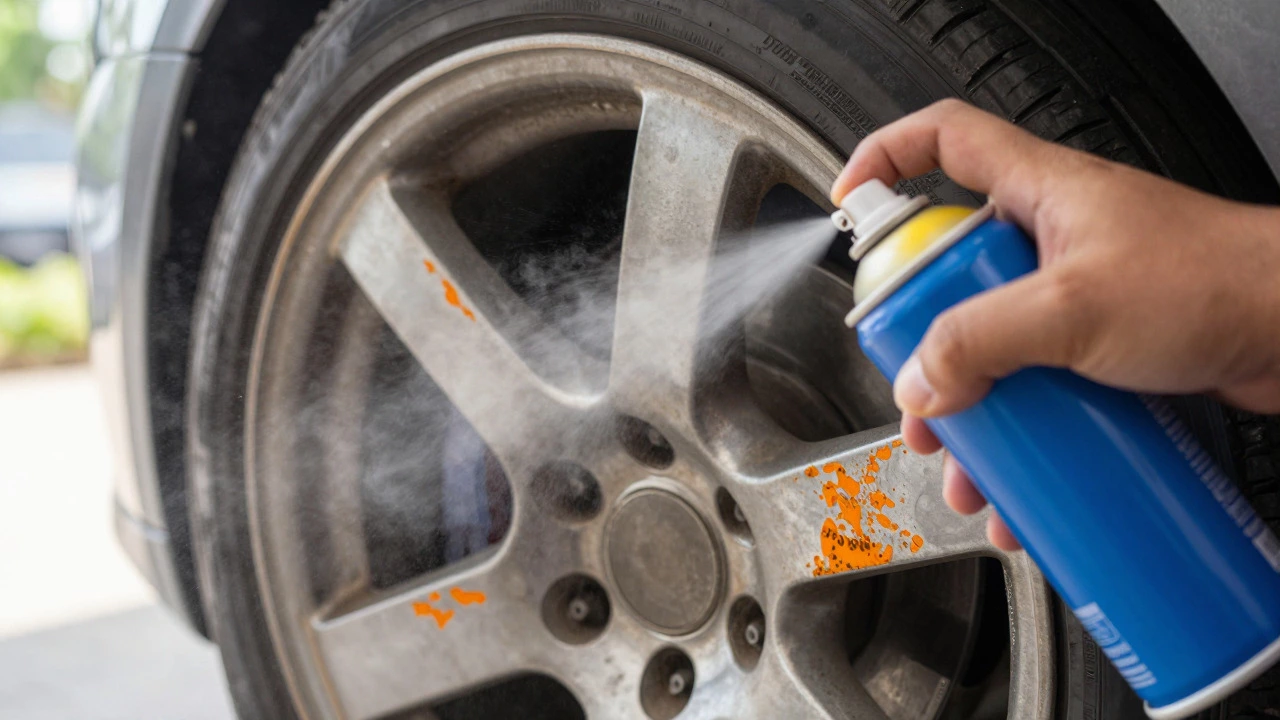
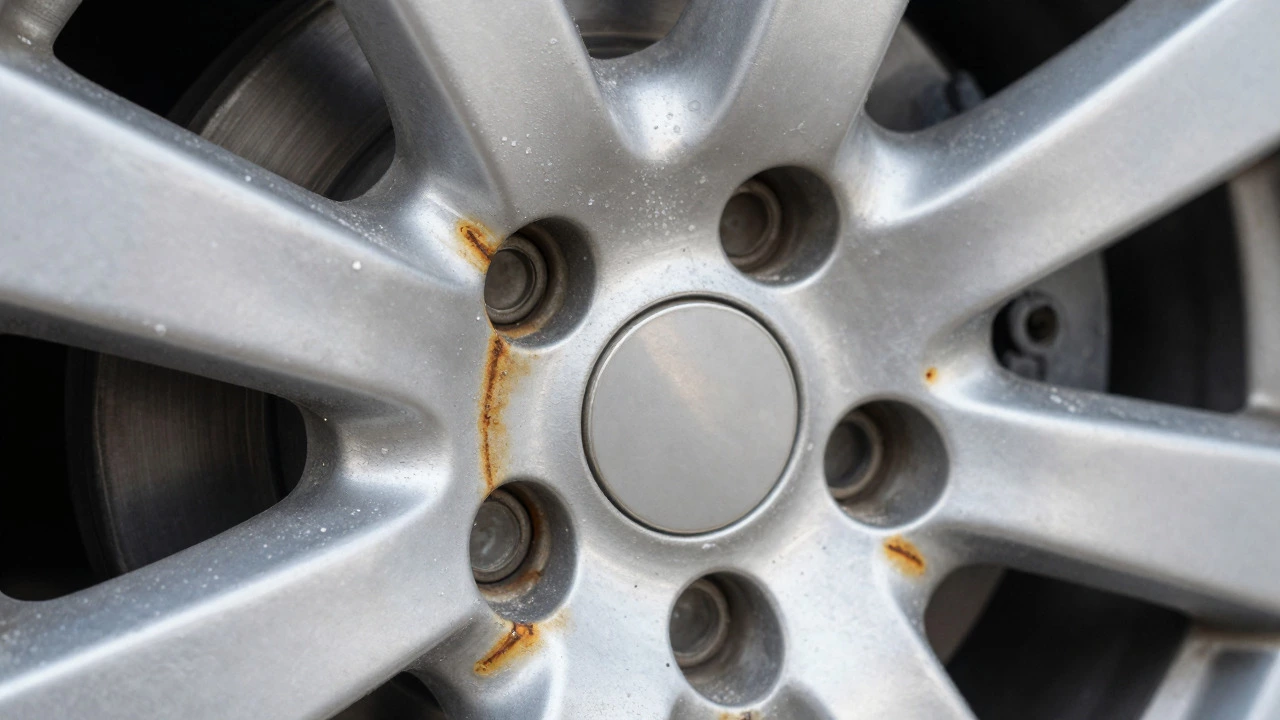
Cleaning wheels also helps them last longer. Avoid harsh chemicals on alloy rims; a mild soap, water, and a soft brush do the trick. Never use a power washer on the valve stems – it can push water into the hub and cause corrosion.
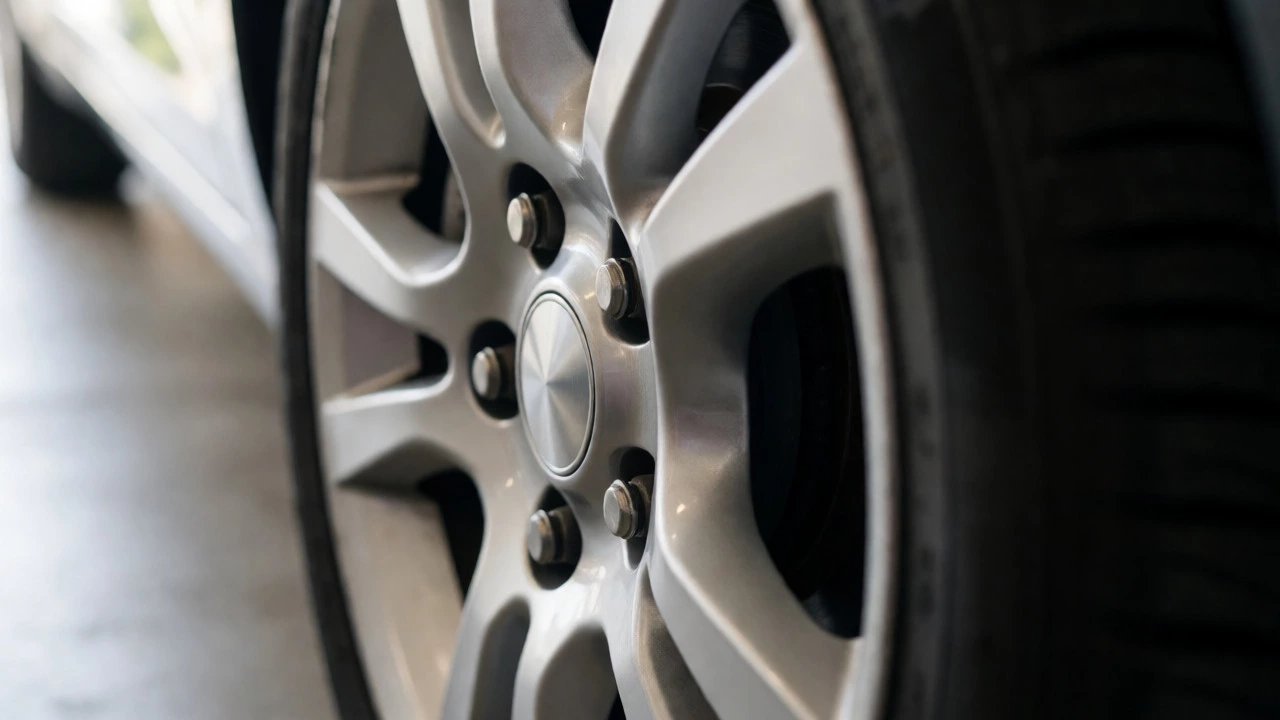
Finally, inspect everything after a few weeks of driving on new wheels or tires. Make sure the bolts are tight, there’s no unusual vibration, and the brakes feel normal. A quick check can spot loose spacers or a wheel that isn’t seated properly before something bigger happens.
With the right wheel size, material, and tire choice, plus regular checks, your car will look sharper, drive smoother, and stay safer. Use this guide as a checklist next time you head to the shop – you’ll avoid common pitfalls and get the most out of your wheels and tires.