Alloy Wheel Care Advisor
There is a can of WD-40 in almost every garage in Australia. It fixes squeaky hinges, loosens rusty bolts, and repels moisture. So when you see surface rust or stubborn brake dust on your alloy wheels, it feels like the logical next step. But should you actually spray it there? The short answer is: yes, but only for specific jobs, and never as a daily cleaner.
Many drivers assume that because WD-40 removes rust from tools, it will do the same for their expensive rims. While partially true, using it incorrectly can leave a greasy film that attracts more dirt than it removes. Understanding exactly what this multi-use product does to metal surfaces helps you protect your investment without wasting time on ineffective methods.
What WD-40 Actually Does to Metal
To understand its effect on wheels, we need to look at how a water-displacing lubricant designed to loosen stuck parts and prevent corrosion works. The formula contains solvents that cut through grease and oils, plus a thin layer of oil that leaves behind after evaporation. This residual oil acts as a barrier against moisture, which is why it prevents new rust from forming.
However, this oil residue is not a sealant. It is not paint, and it is not a ceramic coating. If you spray WD-40 on clean, bare aluminum, you are essentially adding a temporary protective layer that will wash off within a few days of driving or washing. For long-term protection, you need dedicated products. But for immediate issues like fresh rust spots or stuck calipers, it shines.
When You Should Definitely Use It
There are two primary scenarios where spraying WD-40 on alloy wheels is the best move you can make:
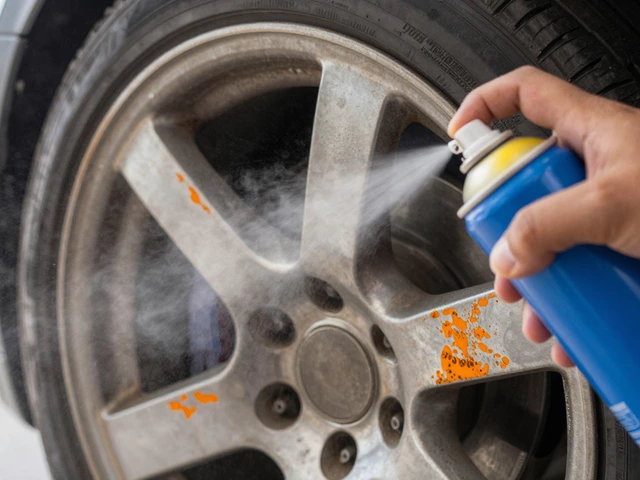
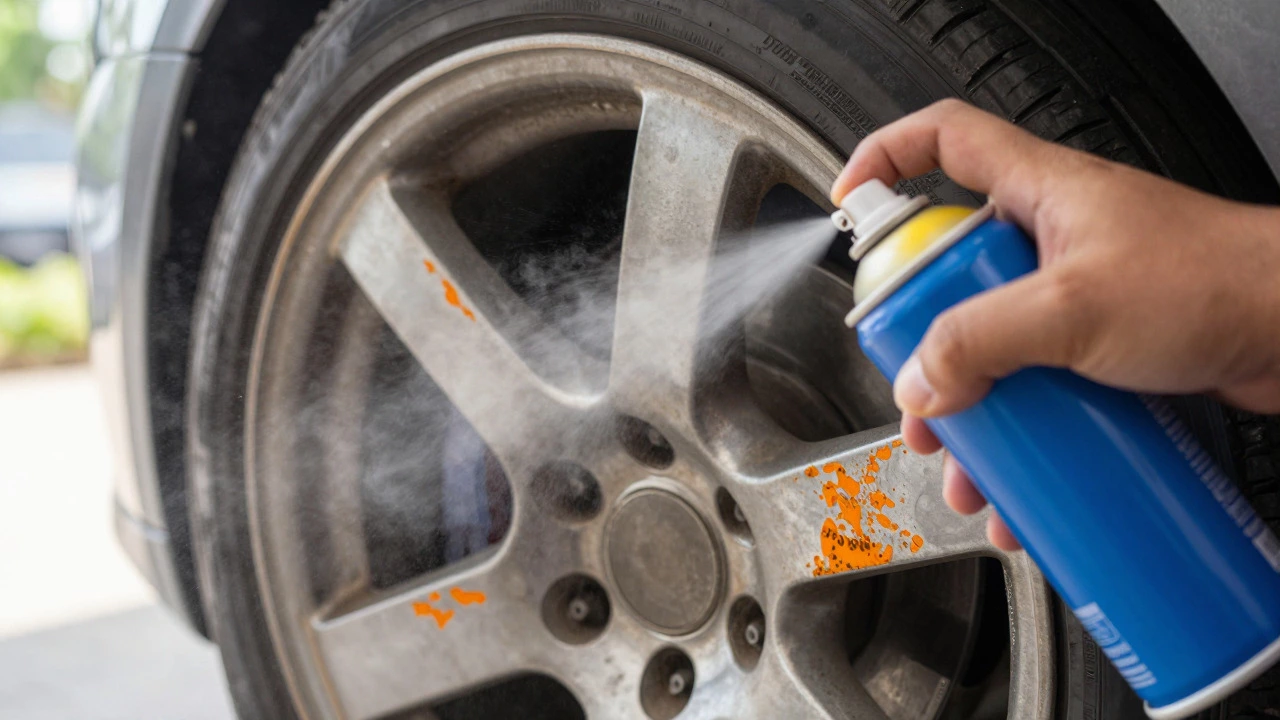
- Fresh Surface Rust: If you spot small orange patches on the rim face or spokes, spray the area generously. Let it sit for 10-15 minutes. The solvent penetrates the oxidation, softening it so you can wipe it away with a microfiber cloth. Unlike harsh chemical removers that might etch the clear coat if left too long, WD-40 is gentle enough for quick touch-ups.
- Stuck Brake Calipers or Bolts: Sometimes, heat and grime cause the brake caliper bracket or lug nuts to seize up. A light mist of WD-40 into the gaps between the wheel and hub can help break the bond before you try to remove the wheel. Just be careful not to get it directly on the brake discs, as it can reduce friction temporarily.
When You Should Avoid It
Using WD-40 as a general-purpose wheel cleaner is a common mistake. Here is why:
- It Attracts Dust: The oily residue left behind grabs road tar, sand, and brake dust faster than a dry surface would. If you use it weekly just to "shine" the wheels, you may find yourself cleaning them twice as often.
- It Doesn’t Remove Heavy Contaminants: Thick layers of baked-on brake dust require acidic cleaners or clay bars. WD-40’s solvents are not strong enough to dissolve heavy mineral deposits quickly. You end up scrubbing harder than necessary.
- Rubber Damage Risk: While modern formulations are safer, prolonged exposure to rubber components (like tire sidewalls) can cause drying or cracking over time. Always avoid spraying directly onto the tires.
Step-by-Step Guide for Safe Application
If you decide to use WD-40 for rust removal or lubrication, follow these steps to ensure you don’t damage the finish:
- Clean the Wheel First: Wash the wheel with warm soapy water to remove loose dirt. Drying the surface ensures the product makes direct contact with the metal rather than sitting on top of mud.
- Protect Surrounding Areas: Mask off the tire sidewall and any nearby plastic trim with painter's tape or paper towels. This prevents overspray from reaching sensitive materials.
- Spray Generously: Hold the can about 6 inches away. Spray until the rusted area is saturated. Do not let it dry completely; keep it wet during the soaking period.
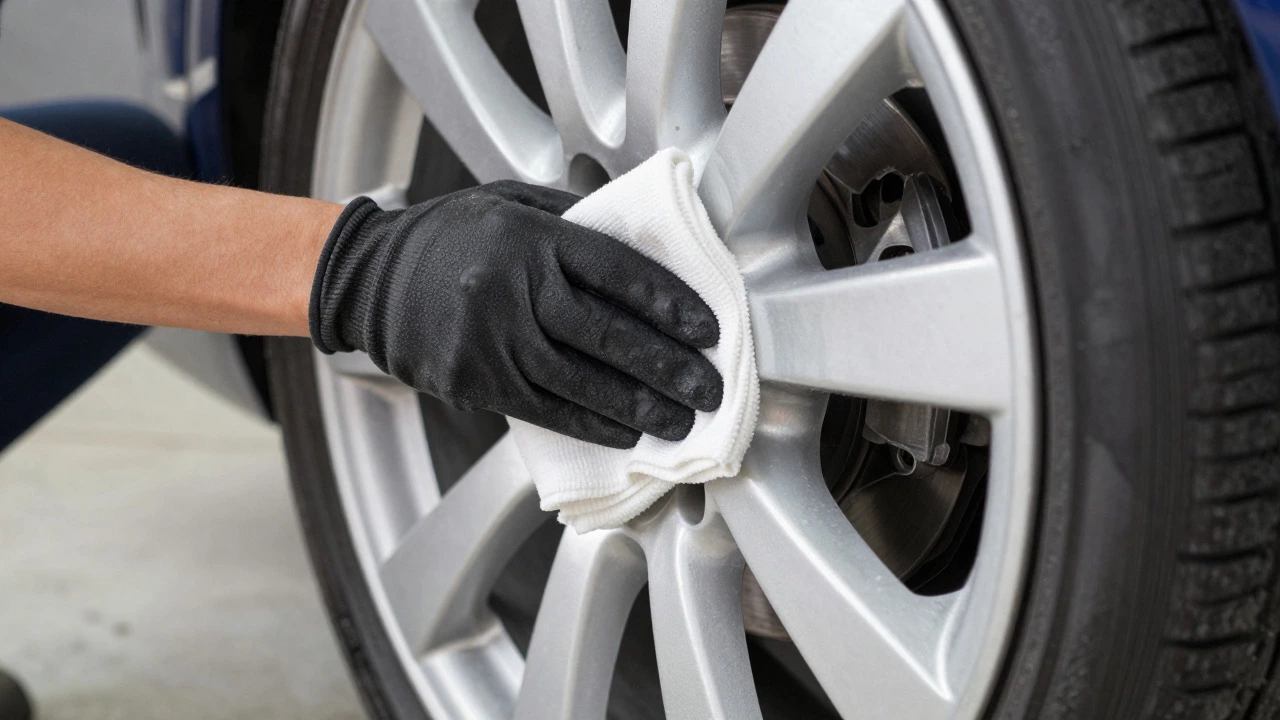
- Wait and Wipe: Allow 10-15 minutes for the action. Use a soft microfiber cloth to wipe away the dissolved rust. For tougher spots, use a non-abrasive sponge. Avoid steel wool, which can scratch the clear coat.
- Final Rinse: Rinse the area with water to remove any remaining oily residue. This step is crucial to prevent the wheel from looking streaky or attracting extra dirt later.
Comparison: WD-40 vs. Dedicated Wheel Products
While WD-40 is versatile, specialized products often perform better for specific tasks. Here is how they stack up:
| Feature | WD-40 Multi-Use | Wheel Cleaner (Acidic) | Wheel Sealant/Ceramic |
|---|---|---|---|
| Primary Function | Lubricate, Displace Water, Light Rust Removal | Remove Heavy Brake Dust and Oxidation | Long-term Protection and Easy Cleaning |
| Residue Left Behind | Oily Film (Attracts Dirt) | None (Rinses Off) | Hydrophobic Layer (Repels Dirt) |
| Best For | Quick Touch-ups, Stuck Parts | Deep Cleaning Dirty Wheels | Maintenance and Show Cars |
| Cost Effectiveness | High (One Can Lasts Years) | Medium (Used Frequently) | Low (Premium Price, Long Duration) |
| Safe for Clear Coat? | Yes (If Rinsed) | Caution (Check pH Level) | Yes (Designed for Paint/Metal) |
Notice that while WD-40 wins on cost and versatility, it loses on cleanliness. If your goal is a showroom shine, a dedicated wheel sealant provides a slicker, longer-lasting result. If your goal is fixing a specific problem like a rusty bolt or small rust spot, WD-40 is the tool to reach for.
Common Myths and Misconceptions
A lot of bad advice circulates online about car care. Let’s clear up a few myths regarding alloy wheels and multi-use sprays:
- Myth: WD-40 Polishes Aluminum. It doesn’t. It cleans and protects, but it won’t restore a dull finish to a shiny one. For polishing, you need a compound specifically formulated for aluminum.
- Myth: It Prevents All Corrosion. It delays corrosion by blocking moisture, but it is not a permanent barrier. In coastal areas like Melbourne, where salt air accelerates rust, you need stronger protections like wax or ceramic coatings.
- Myth: More is Better. Using excessive amounts creates a slippery hazard and wastes product. A light, even coat is sufficient for most applications.
Pro Tips for Australian Drivers
Living in Australia presents unique challenges for wheel maintenance. Between the red dirt in regional areas, the salt air along the coast, and the intense UV rays, your wheels take a beating. Here are some localized tips:
- Coastal Living: If you live near the ocean, rinse your wheels with fresh water after driving on beaches or coastal roads. Saltwater is highly corrosive. Use WD-40 on any exposed metal parts (like brake lines or hub caps) monthly to add an extra layer of defense against salt-induced rust.
- Dusty Conditions: After long drives on unsealed roads, brush off loose dirt before applying any liquid. Applying WD-40 to heavily dusty wheels just mixes the oil with the grit, creating a paste that is hard to remove.
- UV Protection: While WD-40 doesn’t block UV rays, keeping the wheels clean prevents the buildup of contaminants that can trap heat and degrade the clear coat over time. Regular cleaning remains the best defense against sun damage.
Frequently Asked Questions
Will WD-40 damage my painted alloy wheels?
No, provided you rinse it off afterward. WD-40 is safe for most automotive paints and clear coats. However, leaving the oily residue on for weeks can attract dirt and potentially stain porous materials. Always wash the wheel after using it for rust removal.
How long does WD-40 last on alloy wheels?
The protective effect lasts anywhere from a few days to two weeks, depending on weather conditions and how often you drive. Rain and high-pressure car washes will strip the oil layer quickly. It is not a long-term solution like wax or ceramic coatings.
Can I use WD-40 on black alloy wheels?
Yes, but be cautious. Black wheels show smudges and streaks more easily than silver ones. Since WD-40 leaves an oily film, it can create visible streaks if not wiped evenly. Test on a small, hidden area first to ensure it doesn’t leave a hazy appearance on your specific finish.
Is WD-40 better than vinegar for removing rust?
For quick, spot treatment, WD-40 is more convenient. Vinegar requires soaking for hours and has a strong smell. WD-40 works faster and is easier to apply precisely. However, for severe rust covering large areas, a dedicated rust remover or mechanical abrasion may be more effective than either.
Should I apply WD-40 before or after washing my car?
Apply it after washing and drying the wheels. If you apply it before washing, the soap and water will simply wash it away, negating its benefits. Apply it to clean, dry metal to maximize the protective barrier effect.