Leather Seat Suitability Calculator
Answer these questions to see how well leather seats fit your specific needs compared to fabric or synthetic alternatives.
Your Leather Suitability Score
Calculating...Score: 0%
Please select options above to generate a recommendation.
Key Insight:
You walk into a dealership or look at a used listing, and the first thing that screams "premium" is often the upholstery. Leather car seats are the gold standard for perceived luxury. They smell good, they look sharp, and they’re easy to wipe down after a coffee spill. But here’s the catch: that glossy finish comes with a set of trade-offs that most brochures conveniently skip. If you’re considering upgrading your interior or buying a vehicle with factory leather, you need to know what you’re actually signing up for beyond the aesthetic appeal.
Let’s be real-leather isn’t just one thing. There’s bonded leather, which is basically plastic dust glued together; genuine leather, which is durable but rougher; top-grain, which is softer but marks easily; and full-aniline, which is buttery soft but practically allergic to sunlight. Each type has its own baggage. But regardless of the grade, the fundamental material properties of animal hide create specific problems in a car environment that synthetic fabrics don’t face. Are you ready to deal with them?
The Temperature Trap
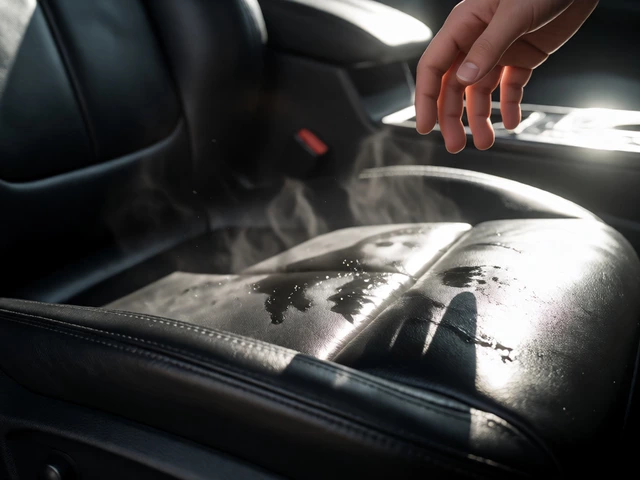
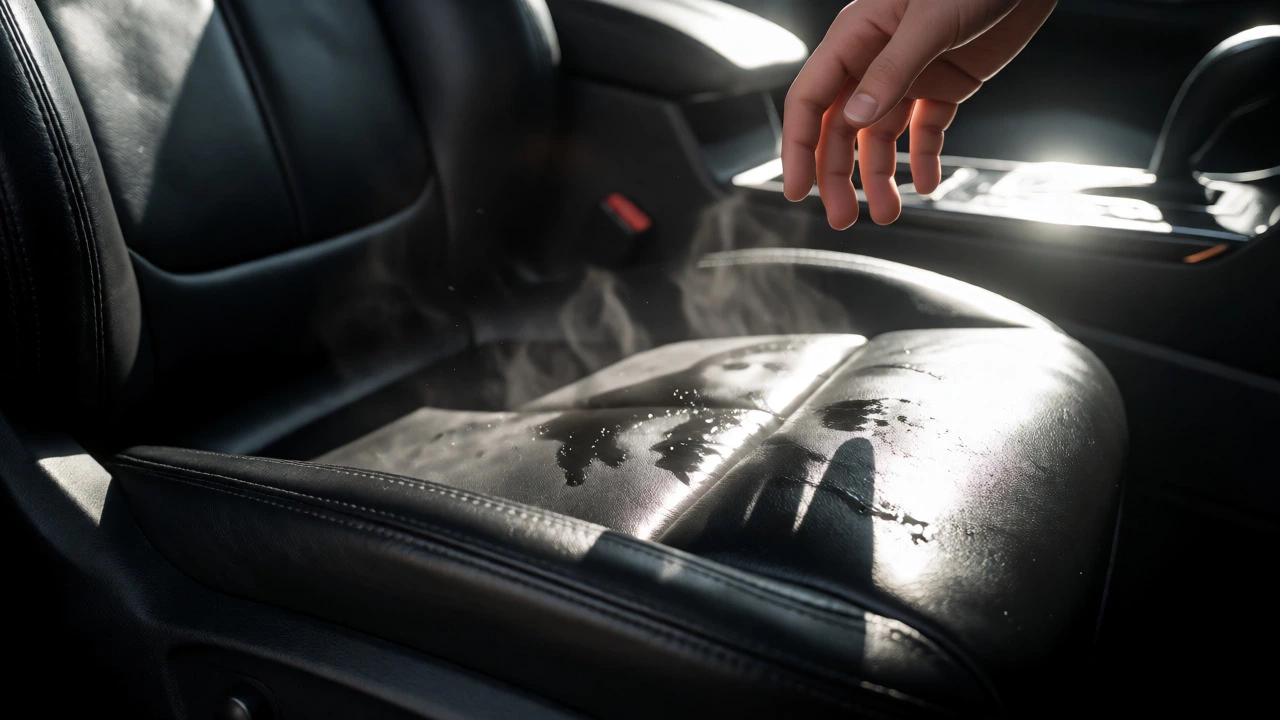
If you live anywhere with distinct seasons, you already know this pain. In July, a black leather seat parked in direct sunlight can hit surface temperatures exceeding 140°F (60°C). Try sitting on that. Fabric seats get hot too, sure, but leather gets dangerously hot because it conducts heat differently and doesn’t breathe. It creates a thermal barrier that traps body heat against your skin. You end up sticking to the seat, sweating profusely, and feeling uncomfortable within minutes of driving.
In winter, it flips. Leather feels ice-cold until your body warms it up. This lag time is annoying if you’re doing short trips where you never quite reach thermal equilibrium. While heated seats mitigate this, not every trim level includes them. And even with heaters, the initial contact is still unpleasant. Synthetic alternatives like Alcantara or high-quality cloth tend to have better thermal neutrality, staying closer to ambient temperature rather than swinging to extremes.
Maintenance Is Not Optional
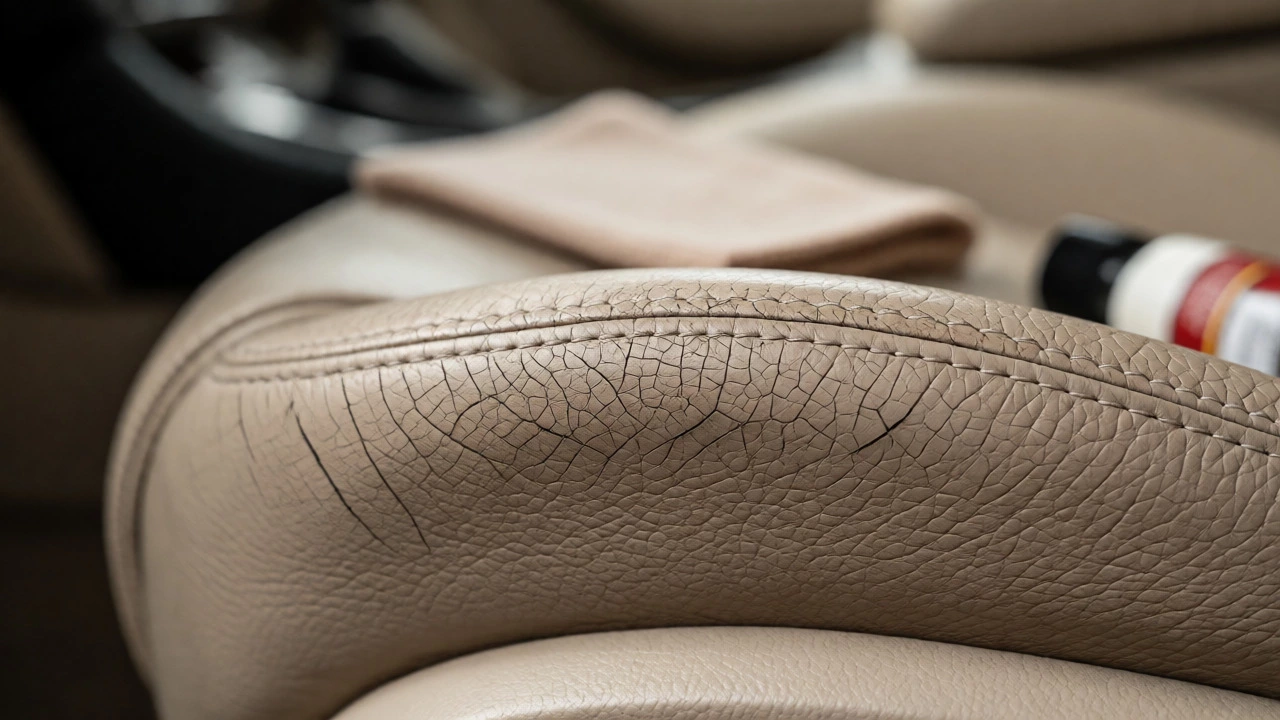
People buy leather thinking it’s low-maintenance because you can wipe it clean. That’s half-true. You can wipe off dirt, yes. But keeping leather from cracking requires a strict regimen. Animal hide needs conditioning. Without regular application of leather conditioner, the natural oils evaporate. The material dries out, becomes brittle, and eventually cracks along stress points-usually the side bolsters where you slide in and out.
| Feature | Leather | Cloth/Fabric | Vinyl/Synthetic |
|---|---|---|---|
| Cleaning Frequency | Monthly wipe-down | Quarterly vacuum/shampoo | As needed wipe-down |
| Conditioning Required | Every 3-6 months | No | Rarely |
| Sun Damage Risk | High (Fading/Cracking) | Medium (Fading only) | Low-Medium |
| Repair Cost | $50-$300 per patch | Hard to repair visibly | $20-$100 per patch |
If you skip conditioning, you’re paying for a premium feature that will degrade faster than a $200 vinyl bench. Think of it like skin-if you don’t moisturize, it cracks. Do you really want to spend two hours every few months scrubbing and conditioning your seats? For many owners, this chore leads to neglect, and neglected leather looks worse than well-worn cloth.
Durability Myths and Reality
We’ve been sold the idea that leather lasts forever. It doesn’t. It lasts longer than cheap foam-covered fabric, sure, but it fails in specific ways. The biggest enemy of leather seats is friction. Every time you slide into the driver’s seat, you’re abrading the surface. Over years, this creates shiny patches where the protective coating wears off. Once the pigment layer is gone, the raw hide underneath discolors quickly from sweat and sunscreen.
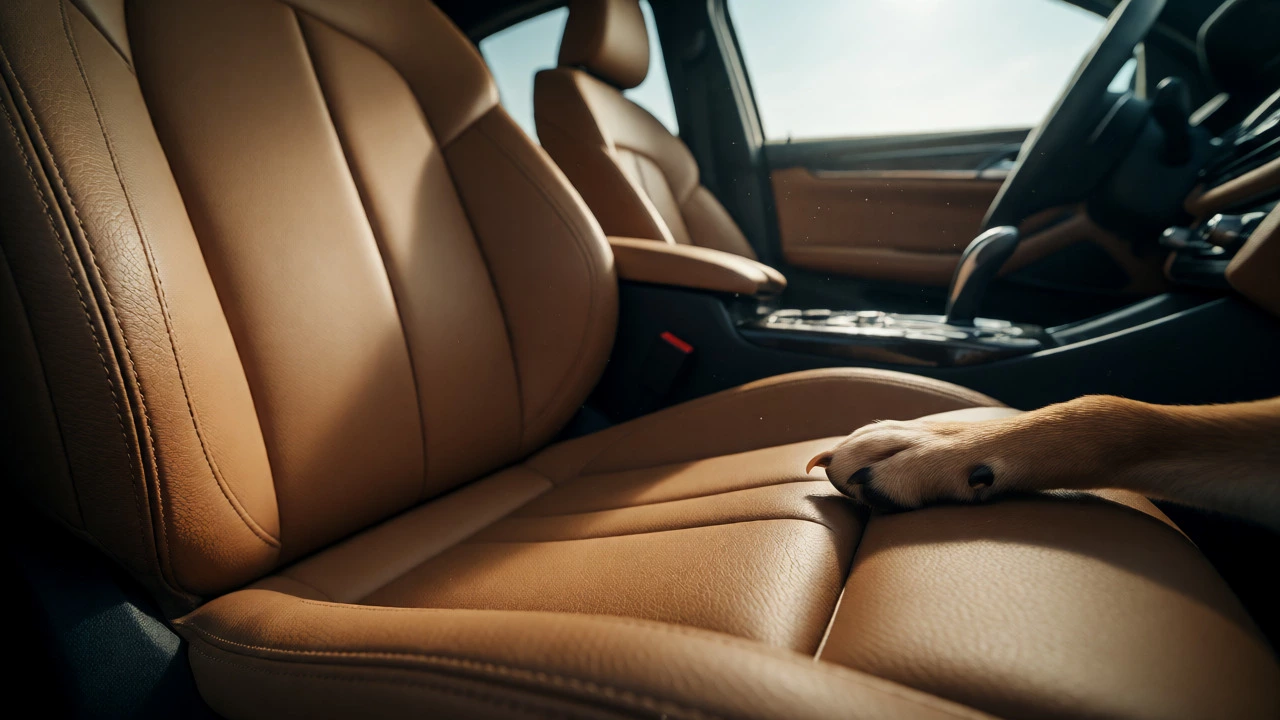
Pets are another nightmare scenario. Dog claws puncture leather instantly. A single scratch can tear through the top grain, exposing the substrate. Unlike cloth, which might pill or fray, leather tears cleanly and irreparably without professional intervention. Even children’s jeans rivets can snag and cut the material. If you have active kids or furry friends, leather is a high-risk investment unless you cover it immediately, which defeats the purpose of having nice seats.
Comfort and Ergonomics Issues
Leather is slippery. Have you ever tried to brake hard in a corner while wearing smooth pants? You slide around the cabin. This lack of lateral grip forces you to use more core strength to stay planted, leading to fatigue on long drives. Fabric provides friction, keeping you in place naturally. Some manufacturers add perforations or suede inserts to combat this, but pure leather surfaces are notoriously slick.
Breathability is the other ergonomic flaw. Despite perforations, leather is essentially a non-porous membrane. It doesn’t wick moisture away from your body. On humid days, you’ll feel clammy because sweat sits on your skin instead of evaporating through the seat material. This creates an environment for bacterial growth and odor retention over time, especially if spills aren’t cleaned perfectly. Cloth seats, by contrast, allow air circulation and moisture absorption, keeping you cooler and fresher during summer commutes.
Cost and Resale Value Nuances
Here’s a financial angle people miss: leather depreciates poorly if it’s damaged. A pristine leather interior adds value to a resale. A cracked, stained, or faded leather interior subtracts value. Why? Because fixing it is expensive. Reupholstering a single seat can cost $300-$800 depending on the leather quality and labor rates in your area. Buying new OEM seat covers often runs into the thousands. Buyers see worn leather and assume the previous owner didn’t care for the car, lowering their offer.
Furthermore, custom modifications involving leather require precision. If you’re looking into custom car seats, ensure the installer uses high-grade hides. Cheap aftermarket leather ages terribly, peeling like sunburned skin within two years. Always ask about the warranty on the material itself, not just the stitching.
Allergies and Hygiene Concerns
Contrary to popular belief, leather isn’t inherently hypoallergenic. Dust mites love leather creases and seams. Because leather doesn’t absorb liquids, spills pool in these grooves before seeping into the foam below. If you don’t clean thoroughly, mold and mildew can develop beneath the surface. Pet dander also sticks to the static charge of leather surfaces, making it harder to remove completely compared to washable fabric covers.
For those with chemical sensitivities, the off-gassing from tanning agents and dyes can be potent in new cars. The "new car smell" is largely volatile organic compounds (VOCs) from adhesives and treated materials. Leather, being a processed product, contributes significantly to this. Ventilation helps, but in older vehicles, degraded leather can release odors as the fats break down.
Environmental and Ethical Considerations
If sustainability matters to you, traditional leather has a heavy footprint. Tanning processes often use chromium salts, which are toxic if not managed properly. Water usage is high, and land use for cattle farming is significant. While some argue leather is a byproduct of the meat industry, the demand for automotive leather drives specific breeding and processing practices. Modern vegan leathers made from polyurethane (PU) or recycled plastics have improved dramatically, offering similar aesthetics with a lower carbon footprint and no animal products involved.
So, should you avoid leather entirely? Not necessarily. If you park in garages, drive mostly alone, maintain rigorously, and prioritize aesthetics, leather works. But if you’re practical, hate chores, live in extreme climates, or have pets/kids, the downsides might outweigh the prestige. Know what you’re buying before you sign the check.
Does leather fade faster than cloth?
Yes, particularly darker colors. UV radiation breaks down the pigments and the protein structure of the hide. Cloth fades too, but leather fades unevenly, creating blotchy patterns that are difficult to correct without re-dyeing the entire seat.
Can I fix small scratches on my leather seats myself?
Minor scuffs can often be buffed out with a leather marker or conditioner. Deep cuts usually require a professional repair kit involving filler and color matching. DIY kits work for superficial damage but rarely blend seamlessly on large visible areas.
Is bonded leather worth the money?
Generally, no. Bonded leather is a composite of scrap fibers and polyurethane binder. It lacks the durability and breathability of real leather and tends to peel and flake after 2-3 years of daily use. It’s often used in base models to mimic the look of leather at a lower cost, but it degrades quickly.
How often should I condition my leather seats?
Every 3 to 6 months is the standard recommendation. However, if you live in a sunny climate or use the car daily, quarterly conditioning is safer. Over-conditioning can clog pores and make the surface greasy, so follow the product instructions carefully.
Do leather seats cause back pain?
Not directly, but the slipperiness can contribute to poor posture. If you constantly brace yourself against sliding, you may engage muscles unnecessarily. Additionally, if the padding compresses unevenly due to wear, support decreases. Proper lumbar support adjustment is crucial with any seat material.