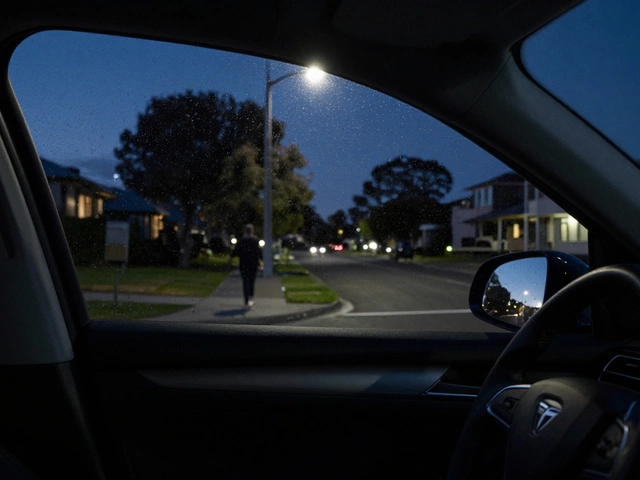
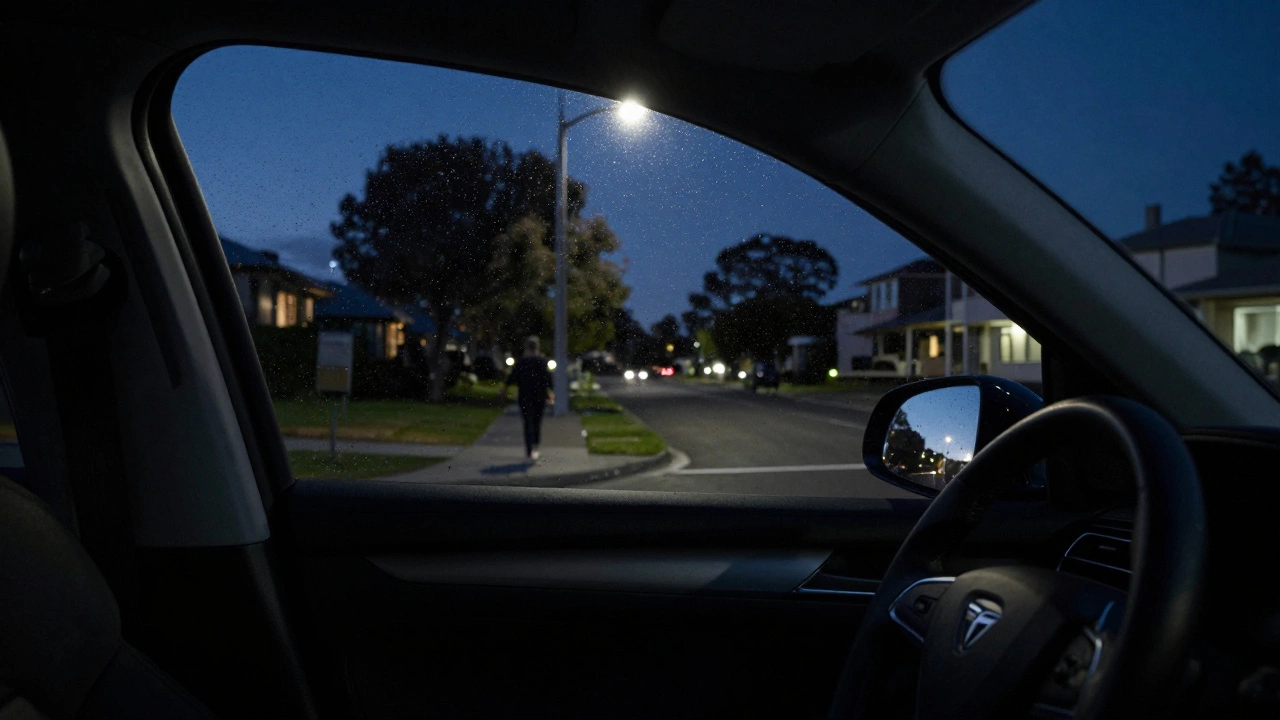
Nighttime Visibility Simulator
Light Blocked: 0%
Maximum visibility. Ideal for night driving.
Australian Legal Check
This setting is legal for front side windows in most states.
You’ve seen the sleek, dark look of 35% window tint, which is a film that allows 35% of visible light to pass through the glass. It’s one of the most popular shades for cars because it strikes a balance between privacy and style. But when the sun goes down, that same shade can feel like looking through a thick piece of plastic. If you’re driving in Melbourne or anywhere else in Australia, understanding how 35% tint behaves at night is crucial for your safety and legality.
Many drivers assume that if they can see out during the day, they’ll be fine at night. That’s a dangerous myth. The human eye relies on contrast and available light to navigate. When you reduce the amount of light entering your eyes by 65%, you change how your brain processes depth, motion, and peripheral vision. This article breaks down exactly what you will experience behind the wheel with 35% tint after dark, how it compares to other shades, and whether it meets the strict Australian Design Rules (ADR), which are the legal standards governing vehicle modifications in Australia.
The Physics of Light and 35% Tint
To understand what 35% tint looks like at night, we first need to talk about Visible Light Transmission (VLT). VLT measures the percentage of light from the visible spectrum that passes through a window film. A 35% tint means 35% of the light gets in, and 65% is blocked. During the day, this reduction helps cut glare from the sun and keeps the cabin cool. At night, however, there is no sun glare to offset. You are relying entirely on streetlights, headlights, and ambient city glow.
In low-light conditions, your pupils dilate to let in more light. A dark tint restricts this natural process. While 35% is considered a "medium" tint, it is significantly darker than the clear windows of an untinted car. Imagine wearing sunglasses indoors; that’s roughly the sensation you get with high-contrast lighting at night. The difference becomes stark when you move from a well-lit highway to a dimly lit suburban street or a country road without overhead lights.
Nighttime Visibility: What You Actually See
If you drive with 35% tint on all four windows at night, here is the reality of your visual field:
- Front Windshield: In most Australian states, including Victoria, tinting the front windshield is illegal except for a small strip at the top. If you somehow have 35% tint here, your view of pedestrians crossing the street or animals darting into the road will be severely compromised. Details become muddy, and reaction times slow down.
- Front Side Windows: These are critical for checking blind spots and seeing traffic signals. With 35% tint, red traffic lights may appear dimmer, requiring you to lean forward slightly to confirm their status. Pedestrians wearing dark clothing against a dark background become nearly invisible until they are very close.
- Rear Side and Back Windows: This is where 35% tint shines (or rather, dims). Looking backward at night, your rearview mirror will show a darker world. Cars behind you will be harder to judge in terms of speed and distance. Rain or fog on these windows becomes much harder to wipe away mentally because the reduced light makes water droplets scatter whatever little illumination exists, creating a blurry mess.
The biggest issue isn’t just darkness; it’s contrast loss. Your eyes struggle to distinguish between objects that are similar in brightness. A black car parked next to a shadowed wall might disappear entirely from your peripheral vision. This increases the risk of side-swipe accidents or failing to notice hazards in time.
Legal Limits in Australia: Can You Legally Use 35% Tint?
This is where many drivers get into trouble. Australian laws regarding window tint vary by state, but they are generally strict to ensure nighttime safety. Let’s look at the current regulations as of 2026, focusing on Victoria since that’s our local context, but noting differences elsewhere.
| State/Territory | Front Side Windows | Rear Side Windows | Back Window |
|---|---|---|---|
| Victoria | 35% VLT minimum* | No restriction (if mirrors work) | No restriction (if mirrors work) |
| New South Wales | 35% VLT minimum | No restriction | No restriction |
| Queensland | 35% VLT minimum | No restriction | No restriction |
| Western Australia | 35% VLT minimum | No restriction | No restriction |
| South Australia | 35% VLT minimum | No restriction | No restriction |
*Note: In Victoria, while 35% is often cited as the limit, police use handheld meters that can flag anything below 35% as non-compliant. Some interpretations suggest stricter enforcement for safety-critical vehicles. Always check with VicRoads for the latest updates.
The key takeaway? 35% tint is legal on front side windows in most states, provided it doesn’t go any darker. However, just because it’s legal doesn’t mean it’s optimal for every driver. If you frequently drive at night, especially on unlit roads, 35% might push the boundary of safe visibility for your personal comfort level.
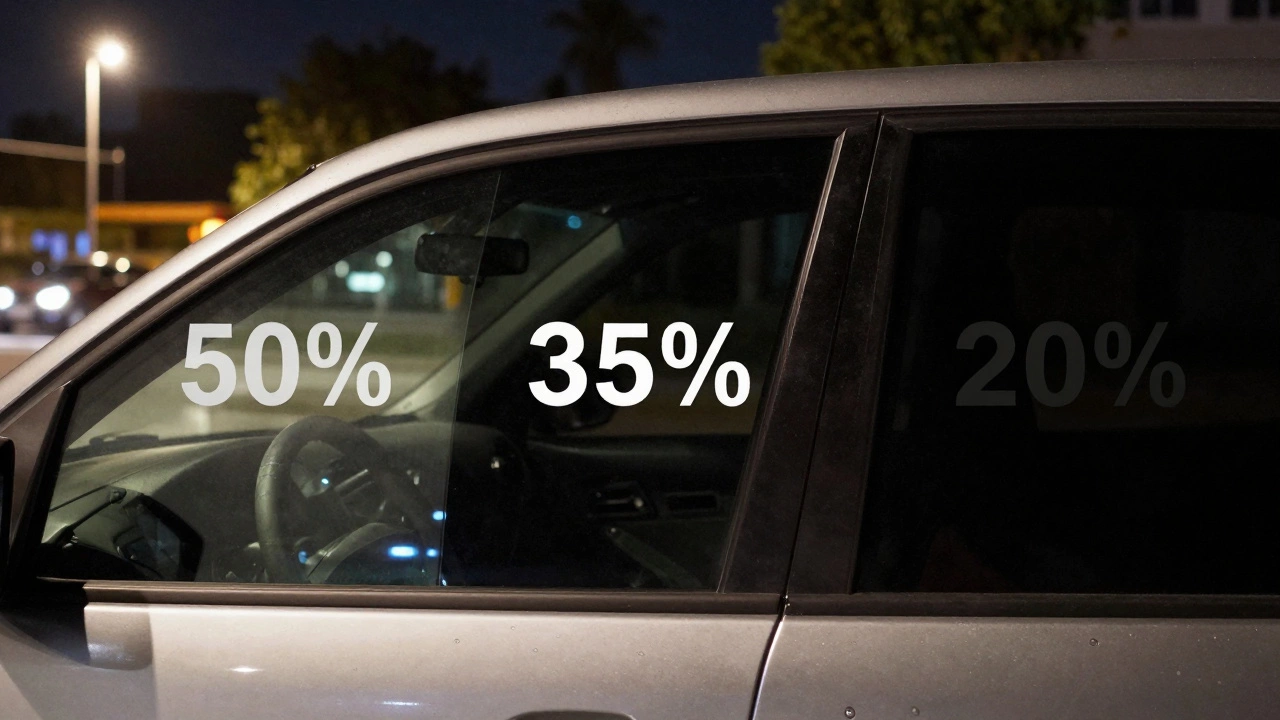
Comparison: 35% vs. 50% vs. 20% Tint at Night
To put 35% into perspective, let’s compare it with lighter and darker options. Understanding these differences helps you decide if 35% is right for your lifestyle.
| Tint Percentage | Daytime Appearance | Nighttime Visibility | Best For |
|---|---|---|---|
| 50% VLT | Light grey, subtle | Excellent, minimal impact | Drivers who prioritize safety over aesthetics |
| 35% VLT | Medium dark, stylish | Moderate, noticeable reduction in light | Balanced look and function, urban driving |
| 20% VLT | Very dark, opaque | Poor, significant hazard at night | Rear windows only, daytime-only drivers |
At 50%, you barely notice the tint at night. It’s almost like having clean windows. At 20%, you’re practically flying blind outside of major highways. 35% sits in the middle. It offers enough darkness to hide valuables from casual glance but demands extra attention from the driver after sunset.
Tips for Safe Driving with 35% Tint at Night
If you’ve already applied 35% tint or are set on getting it, you can mitigate the risks with a few practical adjustments:
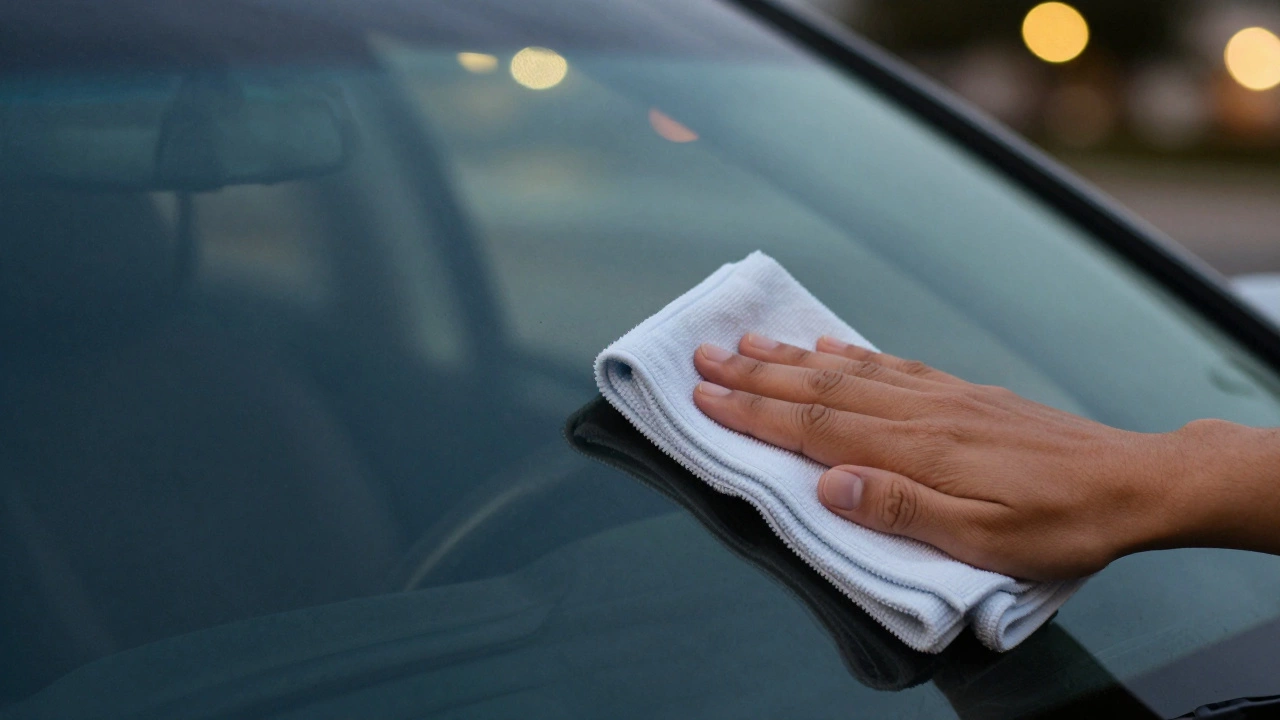
- Keep Windows Immaculately Clean: Dirt, dust, and oil on the inside of your windows scatter light. With less light coming in, even a thin layer of grime creates halos around streetlights and oncoming headlights. Wipe down the interior glass regularly with a microfiber cloth and proper cleaner.
- Adjust Mirror Settings: Many cars have anti-glare rearview mirrors. Flip them manually or ensure your auto-dimming feature is active. This reduces the blinding effect of bright headlights behind you, which can be exacerbated by dark tint.
- Slow Down on Unlit Roads: Give yourself more time to react. Since your peripheral vision is narrowed, scan the road ahead more deliberately. Don’t rely on quick glances to the side.
- Use High Beams Responsibly: On rural roads, high beams help illuminate the edges of the road. Just remember to dip them when approaching other vehicles. Dark tint makes it harder to see oncoming cars early, so stay alert.
- Consider Ceramic Film: Not all tints are created equal. Cheap dyed films can fade and distort vision. High-quality ceramic tint blocks heat without absorbing light, maintaining better clarity at night compared to lower-grade options.
Common Myths About Window Tint
There’s a lot of misinformation floating around online. Let’s clear up two common myths:
Myth 1: "Dark tint protects me from break-ins."
While 35% tint does obscure the view into your car, it doesn’t make the glass stronger. A determined thief can still smash the window. The real benefit is deterrence-making it harder to spot expensive electronics or bags left in plain sight. But don’t count on it as security.
Myth 2: "If I can see out, it’s safe."
Visibility isn’t binary. You might technically "see" a pedestrian, but if you’re three seconds late recognizing them due to poor contrast, that’s not safe. Human reaction time averages 0.75 seconds. Reduce your visual input, and you eat into that margin of error.
Final Thoughts: Is 35% Tint Right for You?
Choosing 35% window tint is a personal decision based on your driving habits. If you spend most of your time commuting in daylight or driving in well-lit cities like Melbourne CBD, 35% is a great choice. It looks sharp, keeps the cabin cooler, and complies with most state laws.
However, if you’re a night owl who drives through suburbs, parks, or regional areas after dark, consider sticking with 50% on the front sides. The slight sacrifice in aesthetic darkness pays off in peace of mind. Remember, no amount of style is worth compromising your ability to see a child running into the street or a deer leaping onto the road.
Is 35% window tint legal in Victoria?
Yes, 35% VLT is generally the minimum legal limit for front side windows in Victoria. Rear windows have no specific VLT limit as long as you have functioning side mirrors. Always verify with VicRoads for the most current regulations.
Does 35% tint affect night vision significantly?
It does reduce the amount of light entering your eyes by 65%. While many drivers adapt quickly, it can cause issues with contrast sensitivity, making it harder to spot pedestrians, cyclists, and obstacles in low-light conditions. Clean windows and good mirrors help mitigate this.
Can I get fined for 35% tint in Australia?
Only if it falls below the legal limit for your state. Police use handheld meters to measure VLT. If your tint reads 34% or lower on the front sides, you could face a fine and be ordered to remove it. Ensure your installer uses high-quality film that meets specifications.
What is the best tint for night driving?
For optimal night visibility, 50% VLT or higher is recommended. It provides minimal obstruction while still offering some glare reduction. If you prefer a darker look, stick to 35% on the rear windows and keep the front sides lighter.
How do I maintain my window tint for better night visibility?
Keep both the inside and outside of your windows clean. Dust and dirt scatter light, worsening visibility. Avoid using ammonia-based cleaners on the interior surface as they can damage the film. Use a soft microfiber cloth and a gentle, tint-safe cleaner.