Alloy Wheel Corrosion Risk Calculator
Your Setup & Habits
Did you know?
Alloy wheels don't actually "rust" like steel. They suffer from oxidation (white powder) and galvanic corrosion caused by different metals touching in the presence of electrolytes like road salt.
You’ve seen it before: a car with beautiful alloy wheels that look like they’ve been through a war zone. Pitted surfaces, white powdery residue, and ugly brown streaks running down the spokes. It looks exactly like rust. But here is the catch-alloy wheels don’t actually rust in the traditional sense. So what are you looking at?
If you own a vehicle with alloy wheels, which are typically made from an aluminum-based mixture designed for lightweight strength and heat dissipation, you might be worried about your investment corroding away. The short answer is no, they don’t rust like steel does. However, they do suffer from a different, equally annoying chemical reaction called oxidation. Understanding the difference between rust and oxidation is the key to keeping your wheels looking showroom fresh.
Rust vs. Oxidation: Why Your Wheels Look Corroded
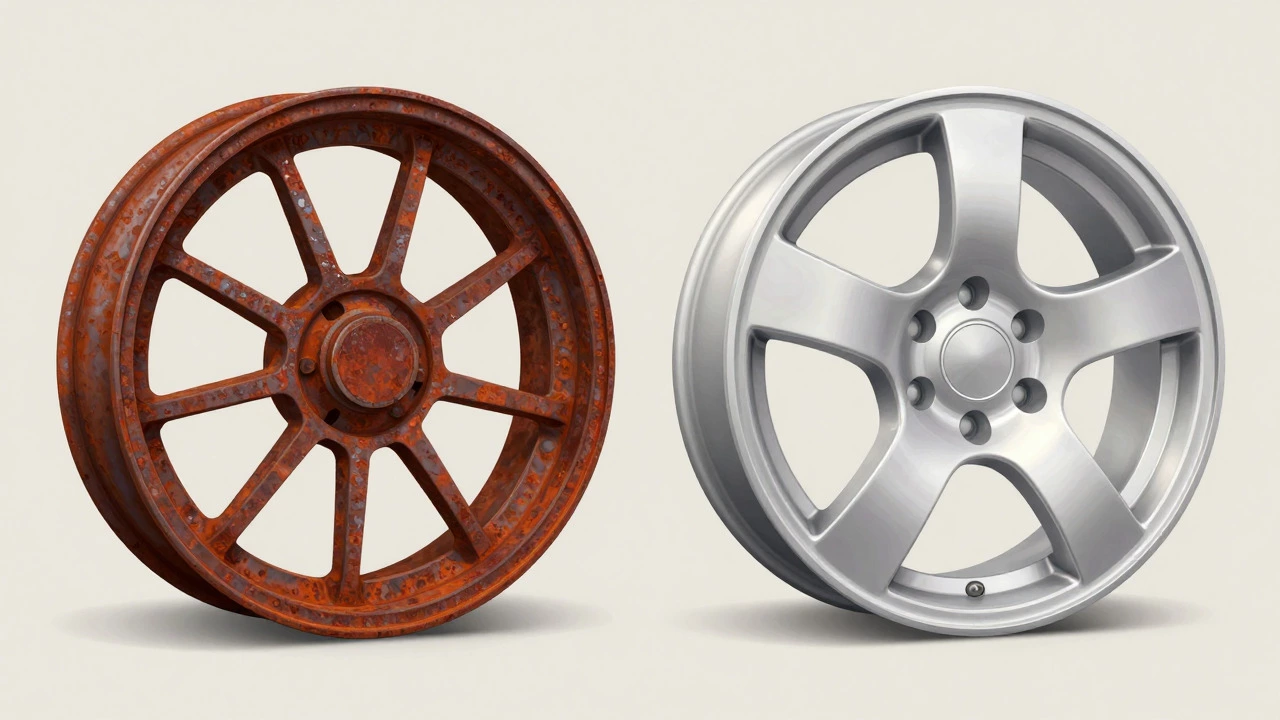
To understand why your wheels degrade, you have to look at the materials. Rust is specifically the result of iron oxidizing. When iron or steel meets oxygen and moisture, it forms iron oxide, which is red-brown, flaky, and weakens the structure over time. Since most modern alloy wheels are primarily made of aluminum (often mixed with magnesium, silicon, or copper), there is no iron present to create true rust.
Instead, aluminum reacts with oxygen to form aluminum oxide. This process is known as oxidation. Unlike rust, which eats away at metal, aluminum oxide creates a hard, protective layer on the surface. In many cases, this is beneficial because it prevents further damage. However, when we talk about "rusting" alloy wheels, we are usually referring to two specific problems: surface oxidation caused by environmental contaminants, and galvanic corrosion caused by incompatible metals touching.
The white, chalky substance you sometimes see on older silver alloys is often just accumulated dirt and brake dust reacting with the clear coat, combined with mild surface oxidation. The ugly pitting and bubbling paint, however, is usually a sign of something more aggressive happening underneath the finish.
The Real Enemy: Galvanic Corrosion
If alloy wheels don't rust, why do they deteriorate so visibly? The biggest culprit is galvanic corrosion, a chemical process where two dissimilar metals in contact with an electrolyte cause one metal to corrode faster than it would alone. This happens frequently in automotive applications because your wheel assembly involves several different metals working together.
Consider the typical setup: you have an aluminum alloy wheel, a steel hub or lug nuts, and brake components that may contain cast iron. When these metals touch, especially in the presence of an electrolyte like road salt, water, or acidic brake dust, an electrical current flows between them. The less noble metal sacrifices itself to protect the more noble one. In this scenario, the aluminum in your wheel often takes the hit.
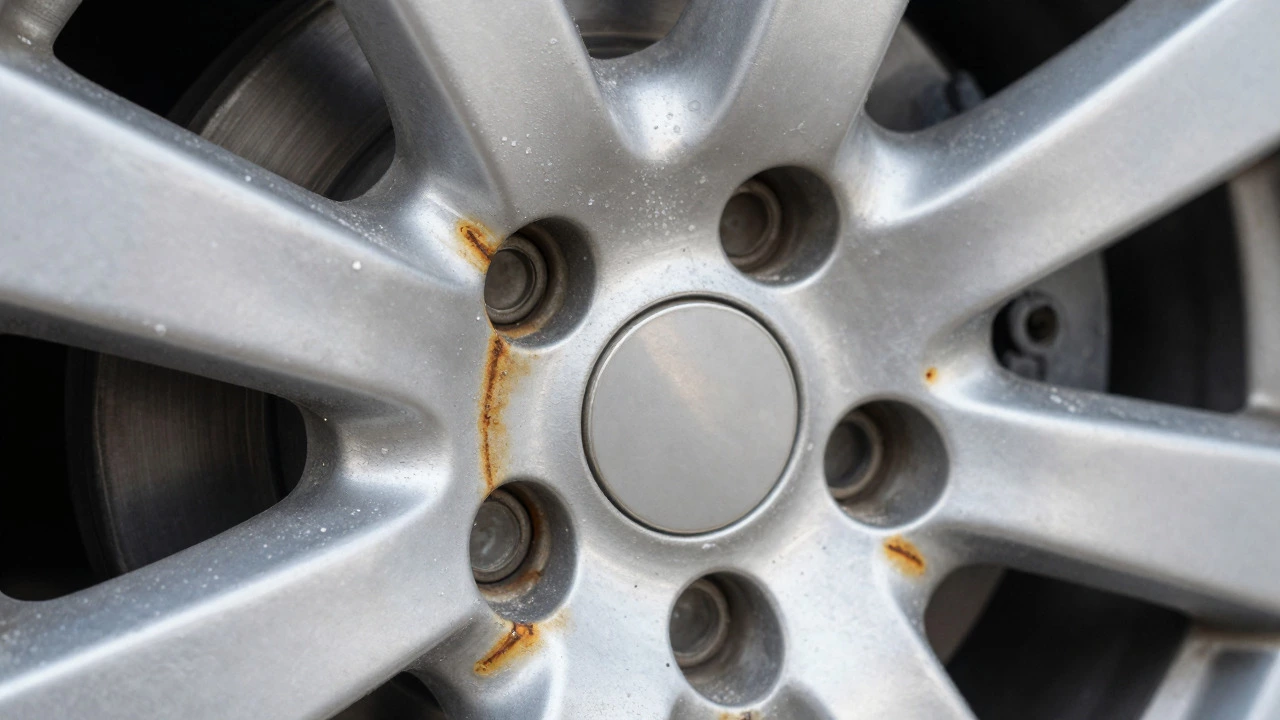
This reaction doesn't happen overnight. It starts small, often around the lug nut holes or the center bore where the wheel meets the hub. Over time, the corrosion works its way under the clear coat, causing the paint to bubble, peel, and crack. Once the protective coating is breached, the aluminum is exposed directly to the elements, accelerating the degradation. This is why you’ll often see corrosion starting at the mounting points rather than on the outer face of the wheel.
Environmental Factors That Accelerate Wheel Damage
Not all environments are created equal when it comes to wheel longevity. Where you live and how you drive play massive roles in how quickly your alloys will show signs of age. Living in coastal areas like Melbourne or Sydney means your wheels are constantly bombarded with salt spray. Salt is a powerful electrolyte that speeds up both oxidation and galvanic corrosion.
Winter driving introduces another hazard: road salts and de-icing chemicals. These substances are designed to melt ice, but they are incredibly harsh on automotive finishes. They stick to the wheels, trap moisture against the metal, and create a perfect storm for corrosion. Even if you don't live in a snowy region, using gravel roads can expose your wheels to abrasive particles that chip the clear coat, leaving the bare aluminum vulnerable.
Brake dust is another silent killer. Modern braking systems generate significant amounts of metallic dust from the pads and rotors. This dust contains iron particles. While the wheel itself isn't iron, the iron particles in the brake dust can rust on the surface of your alloy wheel. This surface rust doesn't eat into the aluminum immediately, but it stains the clear coat and makes cleaning difficult. If left unchecked, the acidic nature of some brake compounds can eventually degrade the protective coating.
| Material Type | Primary Composition | Corrosion Risk | Maintenance Needs |
|---|---|---|---|
| Alloy (Aluminum) | Aluminum, Magnesium, Silicon | Low (Oxidation/Galvanic) | Regular washing, sealant application |
| Steel | Iron, Carbon | High (True Rust) | Frequent inspection, rust-proofing sprays |
| Forged Aluminum | Pure Aluminum Alloys | Very Low | Minimal, mostly cosmetic care |
| Carbon Fiber | Carbon Resin Composite | Negligible | Gentle cleaning, UV protection |
How to Spot Early Signs of Wheel Degradation
Catching corrosion early can save you from expensive wheel replacements. You don't need to be a mechanic to spot the warning signs. Start by inspecting the inner barrel of the wheel-the part that faces inward toward the brakes. This area traps moisture and debris, making it the first place corrosion usually sets in. Look for any bubbling or peeling of the paint or clear coat.
Check the lug nut holes carefully. If you see white powder or greenish-blue deposits, that’s a sign of active galvanic corrosion. Green deposits often indicate copper contamination from brake lines or wiring, while white powder is typically aluminum oxide. Both mean the protective barrier has failed.
Examine the outer face for pitting. Small, pinhole-sized dents in the metal surface are irreversible. They start as tiny chips in the clear coat from stone chips or curb strikes. Once the aluminum is exposed, it begins to oxidize rapidly, creating rough, sandy patches that feel gritty to the touch. If you run your finger over the wheel and it feels rough instead of smooth, the clear coat is likely compromised.
Prevention Strategies: Keeping Your Alloys Shiny
The best defense against wheel corrosion is a proactive maintenance routine. You don't need to spend hours detailing your car every week, but regular attention goes a long way. The single most effective step you can take is frequent washing. Aim to wash your wheels at least once a week, or after every few drives if you're on salty or dusty roads.
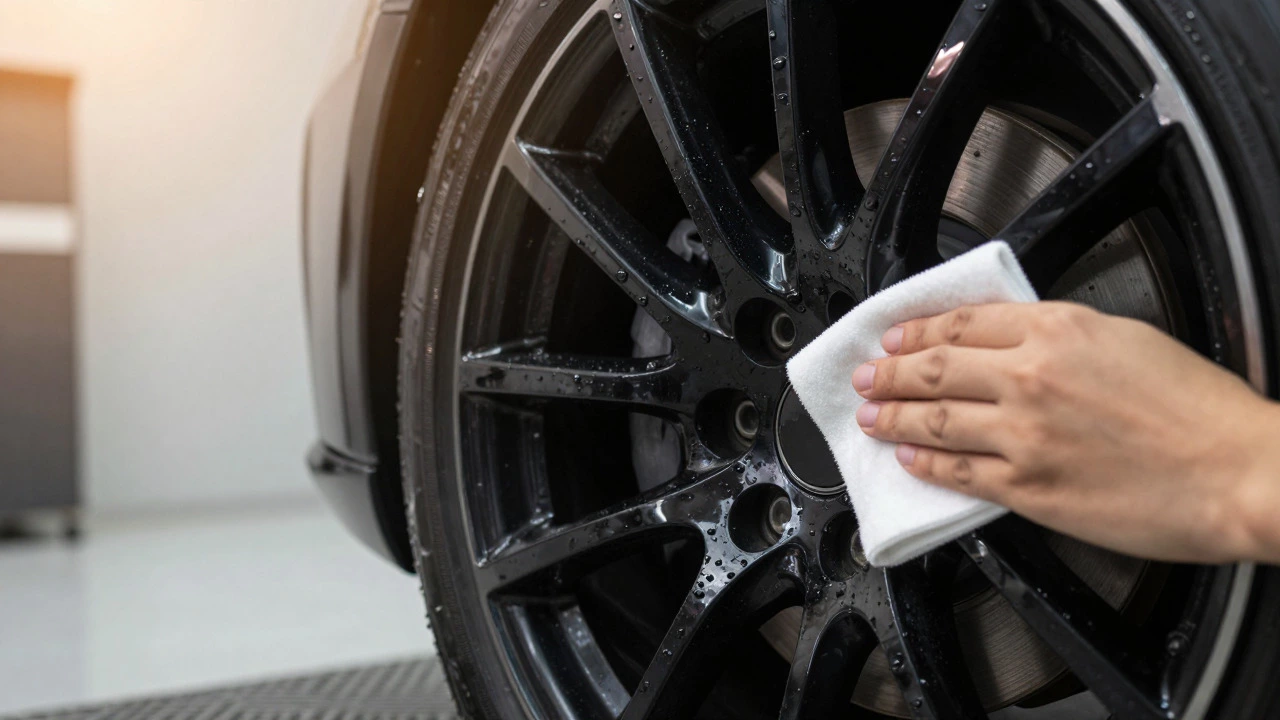
Use a pH-neutral wheel cleaner specifically designed for alloys. Avoid harsh acidic cleaners unless you have heavy brake dust buildup, and even then, rinse thoroughly. Acidic products can strip the clear coat over time, leaving the aluminum naked and vulnerable. After washing, dry the wheels completely with a microfiber towel. Leaving water spots allows minerals to settle into microscopic imperfections in the paint.
Applying a wheel sealant or ceramic coating provides an extra layer of protection. These products create a hydrophobic barrier that repels water, brake dust, and road grime. A good quality sealant can last several months, reducing the frequency of deep cleans. Think of it as sunscreen for your wheels-it blocks the harmful rays (or in this case, corrosive agents) from damaging the skin underneath.
Repairing Corroded Alloy Wheels
If you’ve already spotted corrosion, don’t panic. Minor surface issues can often be fixed at home, but severe damage requires professional help. For light oxidation or brake dust staining, a dedicated wheel polish can work wonders. Use a clay bar to remove embedded contaminants, followed by a polishing compound to restore shine. Finish with a fresh coat of sealant to protect the newly polished surface.
For deeper corrosion where the clear coat is bubbling or peeling, you’ll need to strip the wheel down to bare metal. This involves sanding away all damaged areas until you reach clean aluminum. Once sanded, apply a new primer and clear coat designed for high-heat environments. This is a job best left to professionals if you haven’t done it before, as improper application can lead to premature failure.
In cases of severe structural corrosion, particularly around the rim edge or bead seat, replacement might be the only safe option. Compromised structural integrity can lead to air leaks or even wheel failure under stress. Always prioritize safety over aesthetics when deciding whether to repair or replace.
Can I use WD-40 to prevent my alloy wheels from corroding?
WD-40 is not recommended as a long-term wheel protectant. While it displaces water temporarily, it attracts dust and grime, which can scratch the clear coat when you clean it later. Instead, use a dedicated wheel sealant or ceramic coating designed for automotive finishes.
Why do my black alloy wheels look faded?
Fading on black alloys is usually due to UV damage or heat degradation of the clear coat, rather than corrosion. High temperatures from brakes can break down the polymers in the paint. Regular washing and applying a UV-protective sealant can slow this process.
Is it safe to drive with corroded alloy wheels?
Surface corrosion is mostly cosmetic and safe to drive on. However, if the corrosion is deep, causing cracks or bubbles near the rim edge or valve stem, it could lead to air leaks or structural weakness. Inspect closely; if the metal feels soft or crumbly, replace the wheel immediately.
How often should I wax my alloy wheels?
Traditional car wax offers minimal protection for wheels due to high heat and friction. Apply a specialized wheel sealant every 3-6 months, or more frequently if you drive in harsh conditions like coastal areas or during winter with road salt.
Can I mix steel and alloy wheels on the same car?
Technically yes, but it’s not recommended for performance or aesthetic reasons. More importantly, mixing metals increases the risk of galvanic corrosion at the hub interface. Ensure all lug nuts and bolts are compatible with the wheel material to minimize chemical reactions.