Alloy Wheels: What You Need to Know Before You Buy
If you’re thinking about new wheels, alloy wheels are probably on your radar. They look sharp, can lighten your ride, and come in a ton of sizes. But the choices can feel overwhelming. Let’s break down the basics so you can pick the right set without wasting time.
Choosing the Right Size
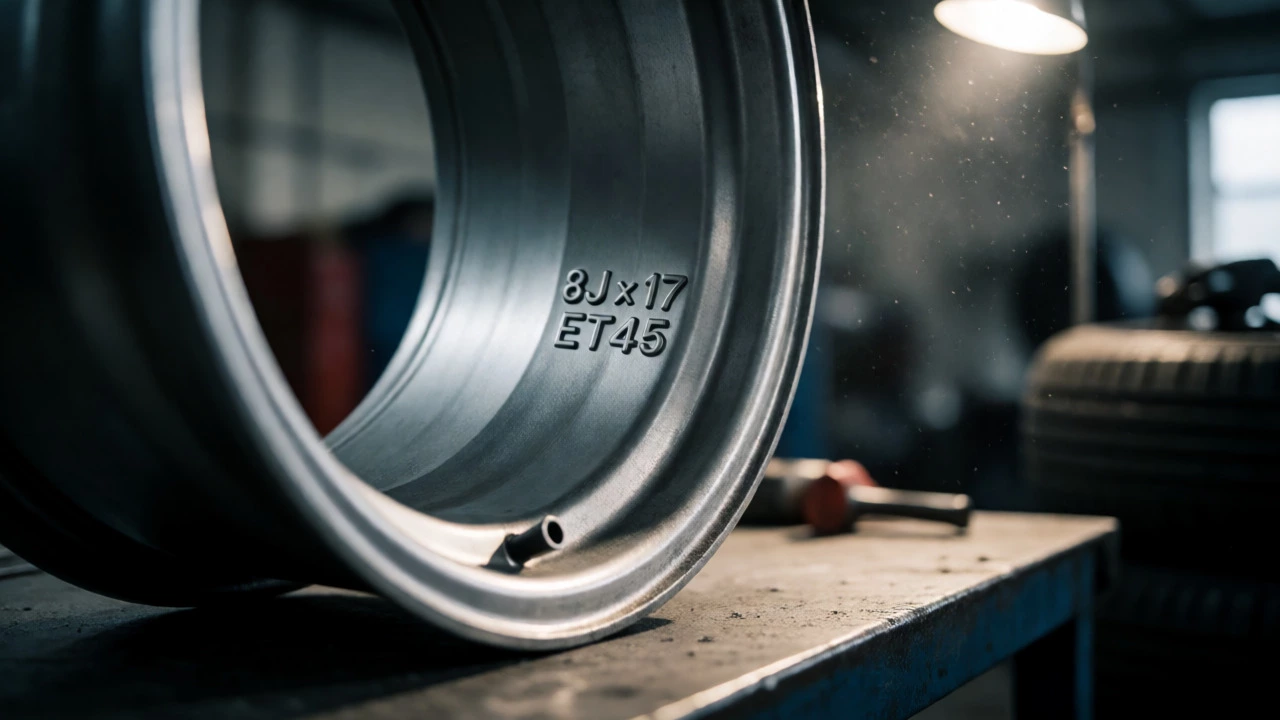
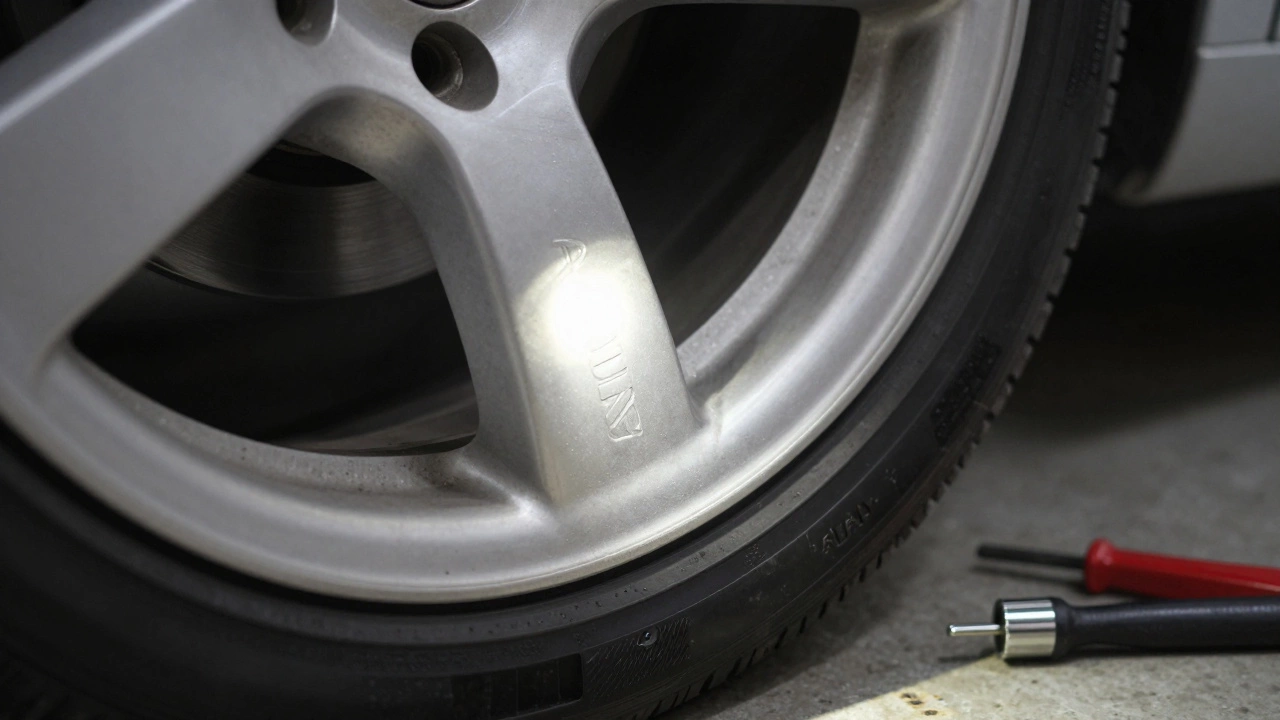
First off, look at the numbers stamped on your current wheels. You’ll see something like 17x7.5 J. The first number is the diameter in inches – that tells you how tall the wheel is. The second number is the width, also in inches. Bigger isn’t always better; you need a size that fits your car’s suspension, brakes, and tires.
Next, check the bolt pattern. It’s the arrangement of the lug holes, shown as something like 5x112. You can find this info in your owner’s manual or online for your car model. A mismatched bolt pattern means the wheel won’t sit properly, which can lead to vibration or even damage.
Don’t forget the offset. Offset is the distance between the wheel’s mounting surface and its centerline. A wrong offset can push the wheel too far inward or outward, messing with steering and tire wear. Most manufacturers list the recommended offset range, so stick inside that zone.
Finally, think about tire size. When you change wheel diameter, you’ll also need a tire that matches the new wheel’s circumference. Use a tire size calculator or ask a local tyre shop to keep your speedometer accurate.
Pros and Cons to Consider
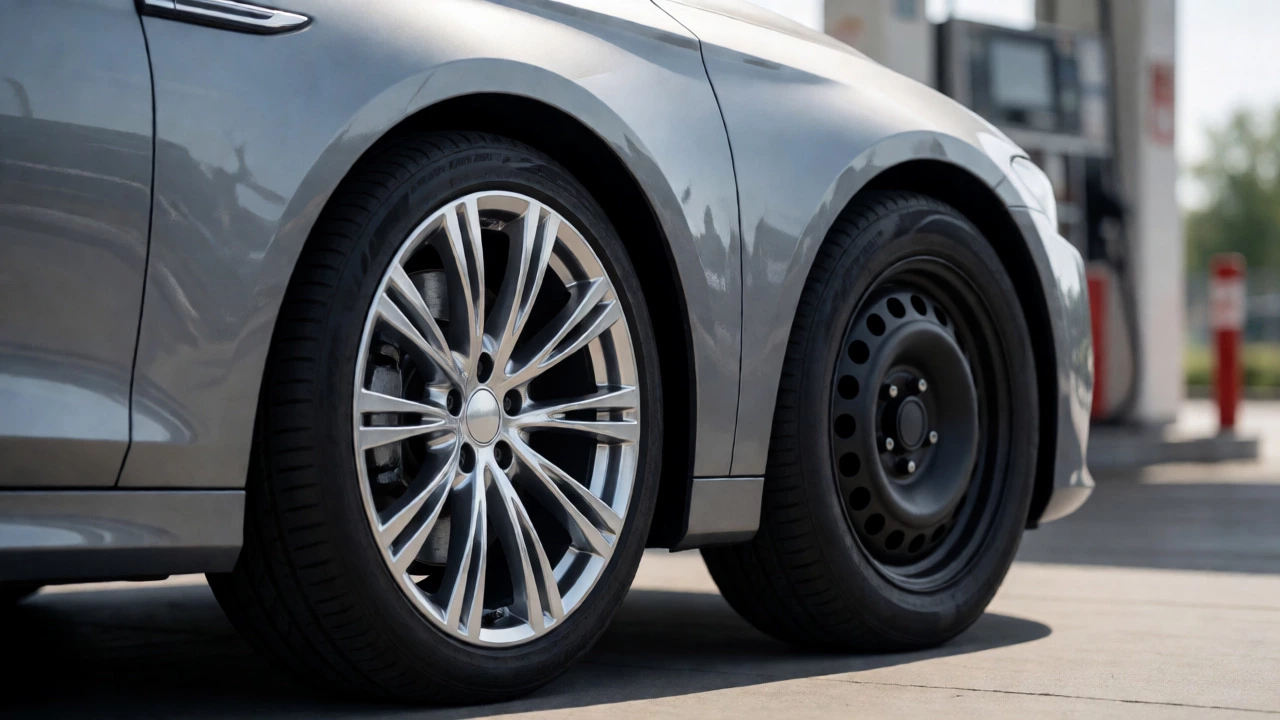
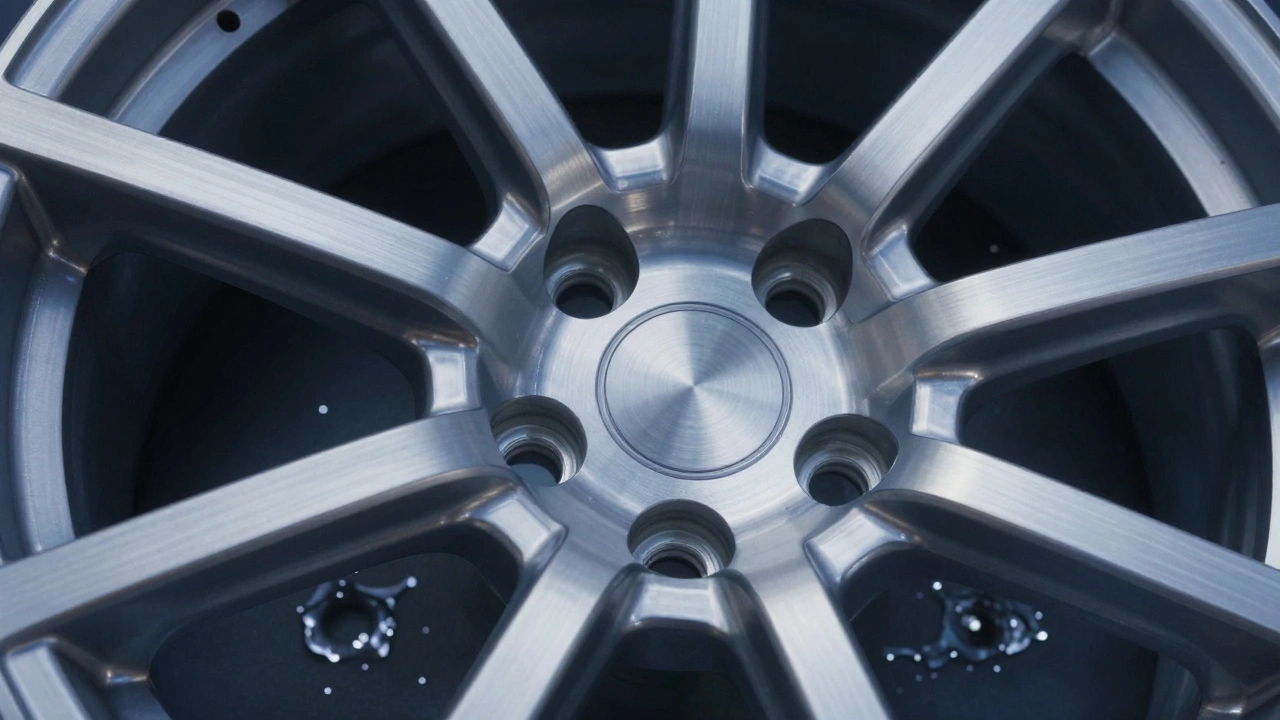
Alloy wheels have a few clear advantages. They’re lighter than steel, which can improve acceleration, braking, and fuel economy. The reduced unsprung weight also helps the suspension stay in contact with the road, giving you better grip.
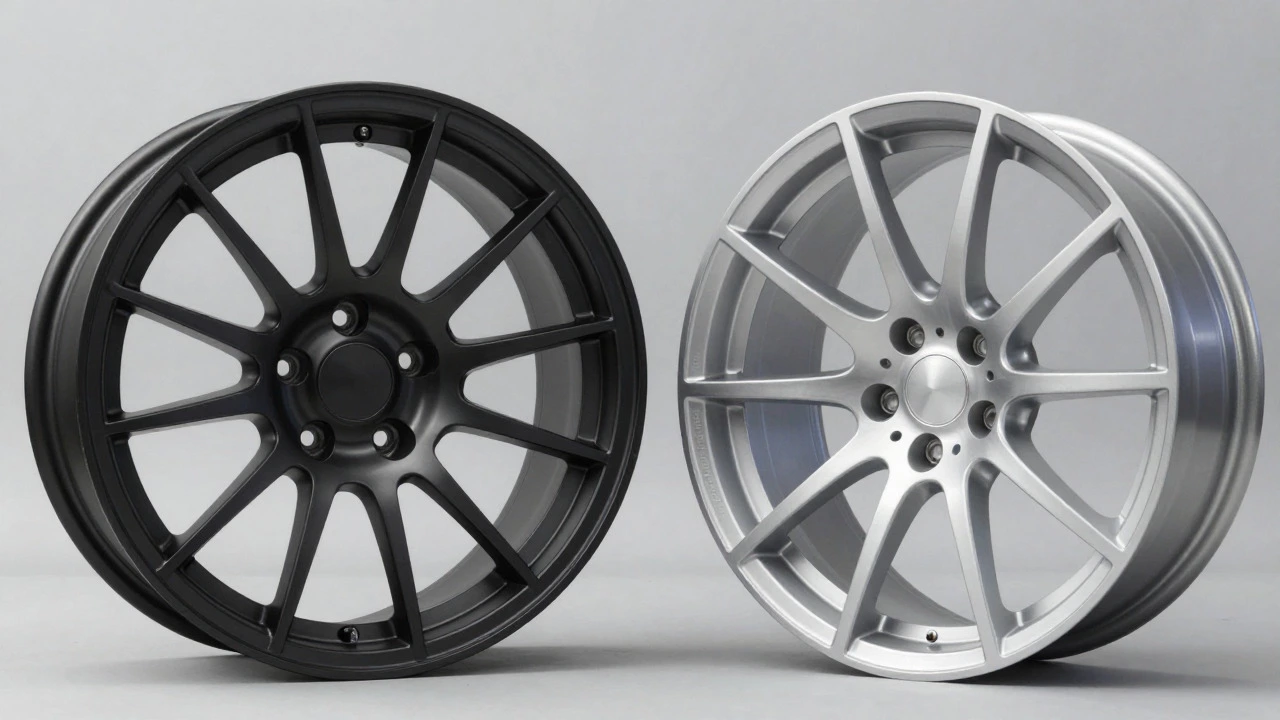
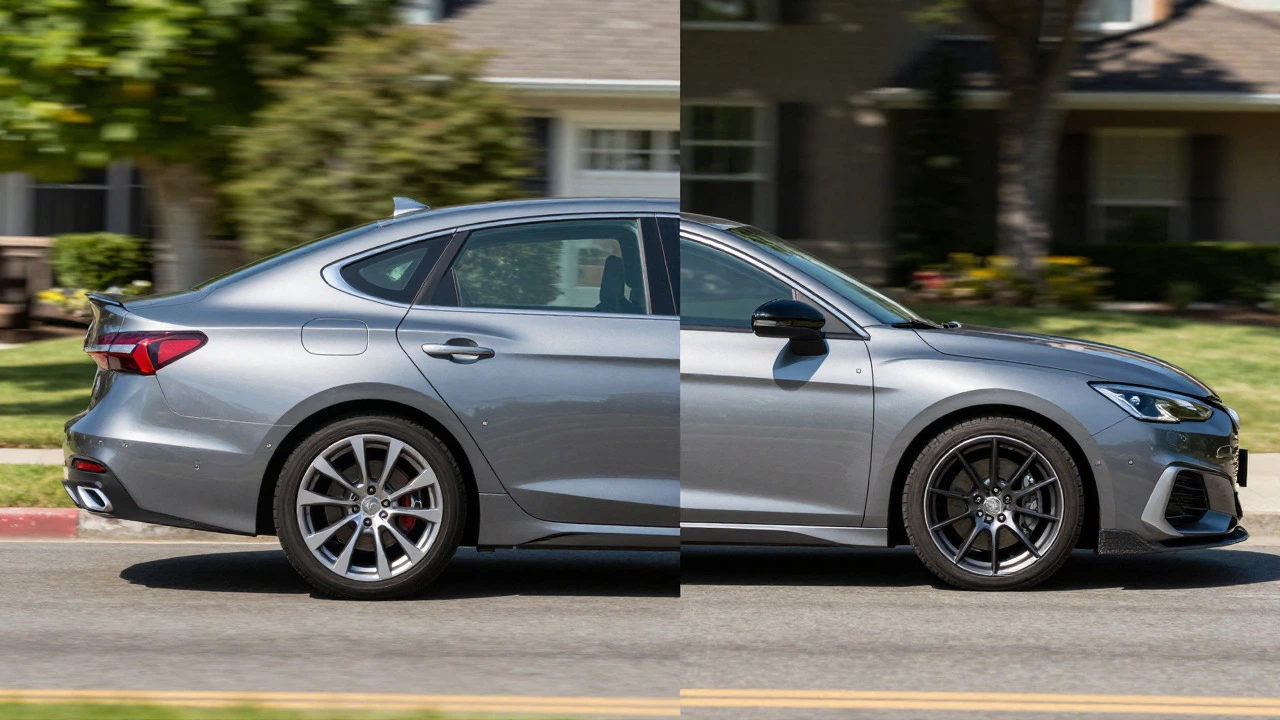
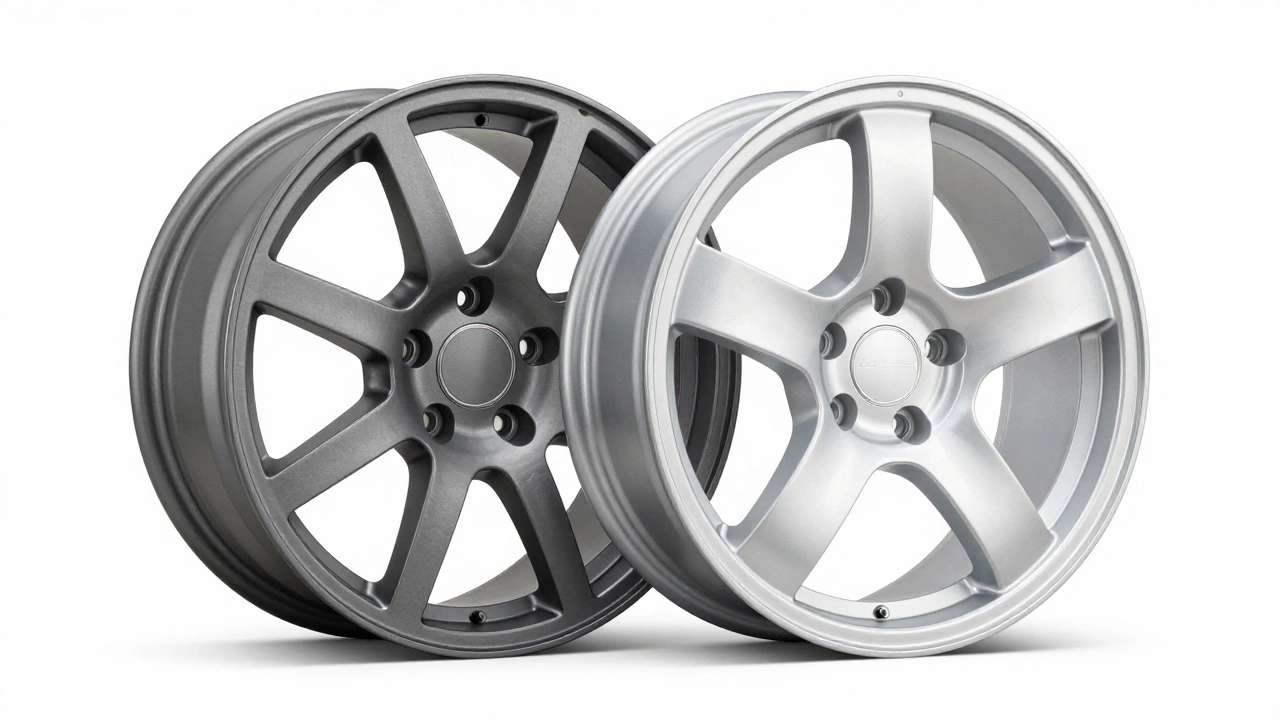
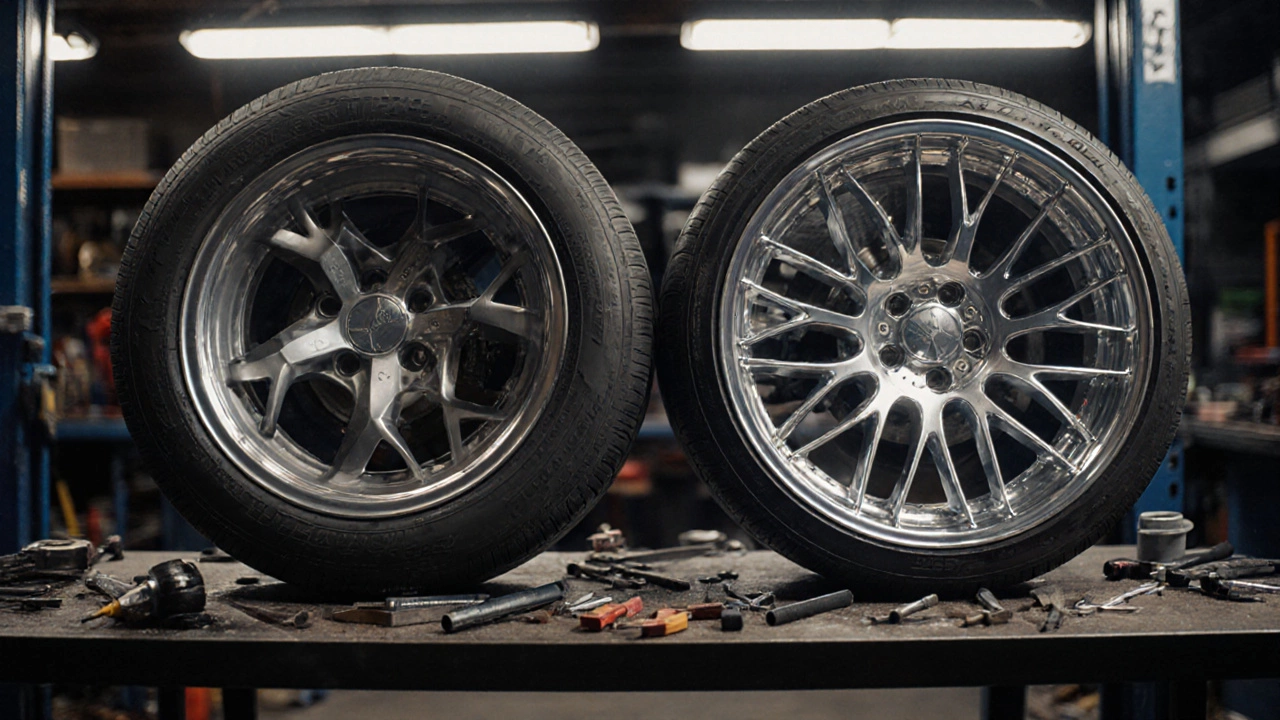
They also look better. With more design options – spokes, finishes, colors – you can customize the look of your car without a full wrap. That’s why many owners pair alloy wheels with a fresh paint job or vinyl wrap for a cohesive style.
On the downside, alloy wheels can be more expensive than steel. If you hit a pothole, they’re more prone to cracking or bending, especially if the alloy is thin. Repairing a cracked alloy wheel can cost a lot, sometimes more than buying a new set.
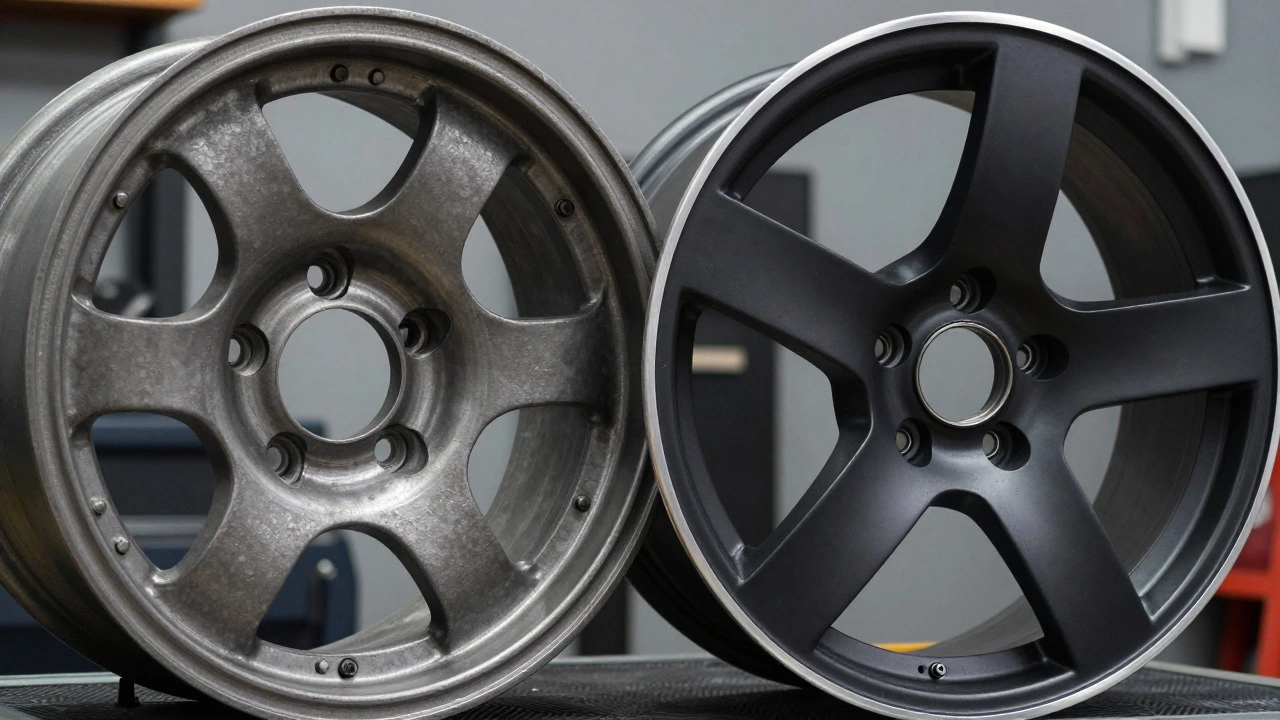
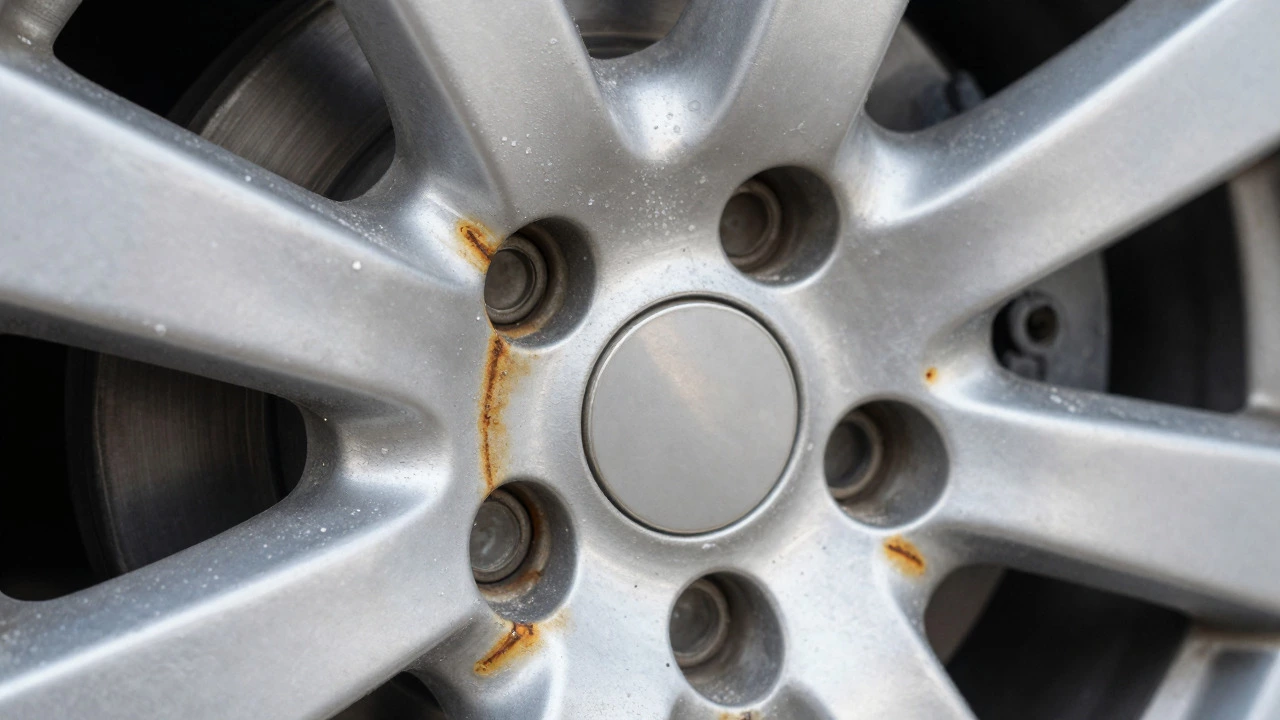
Another thing to watch is corrosion. Some cheaper alloys aren’t properly coated, so over time you might see rust on the wheel face or the spokes. Regular cleaning and a quick wax can help protect the finish.
When you weigh these points, ask yourself what matters most for your daily drive. If you love the look and want a bit of performance boost, alloy wheels are a solid choice. If you drive on rough roads often, you might prefer a sturdier steel wheel or a thicker alloy designed for rough use.
Bottom line: measure your current wheels, match the bolt pattern, offset, and tire size, then decide if the style and weight benefits outweigh the higher cost and potential for damage. With the right fit, alloy wheels can make your car feel sportier and turn heads wherever you go.