Alloy Wheel Magnet Test Calculator
How to Use This Tool
This tool simulates the magnet test described in the article. Follow these steps:
- Grab a fridge magnet
- Hold it against your wheel (any surface)
- Check if the magnet sticks or falls off
- Select your result below
Your Result
Ever looked at your car’s wheels and wondered if they’re really alloy-or just painted steel? You’re not alone. Many people think shiny, fancy-looking wheels are automatically alloy, but that’s not always true. Steel wheels can be painted to look just as sleek. So how do you really know? Let’s cut through the guesswork and give you a clear, practical way to tell the difference.
Check the weight
Alloy wheels are noticeably lighter than steel ones. If you’ve ever tried lifting a wheel off your car, you’ve probably felt it. Steel wheels feel heavy, clunky, almost like a dumbbell. Alloy wheels? They’re surprisingly light for their size. Try this: if you have access to one wheel (maybe from your trunk or a spare), pick it up. Compare it to a known steel wheel if you can. A typical 17-inch steel wheel weighs around 20-25 pounds. An alloy wheel of the same size? More like 15-18 pounds. That difference isn’t subtle. If your wheels feel noticeably lighter, they’re likely alloy.
Look for a casting mark
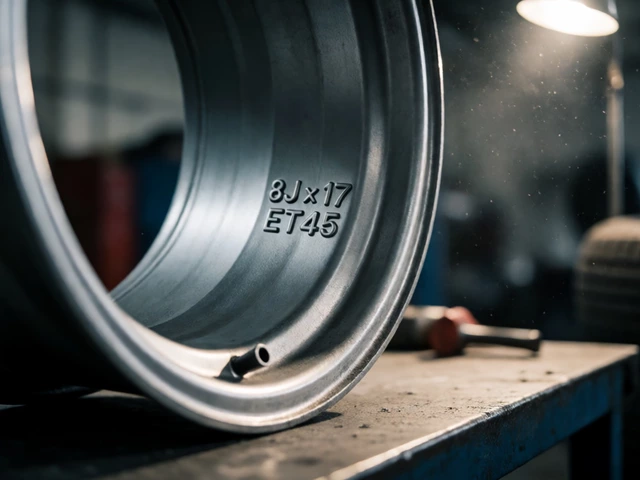
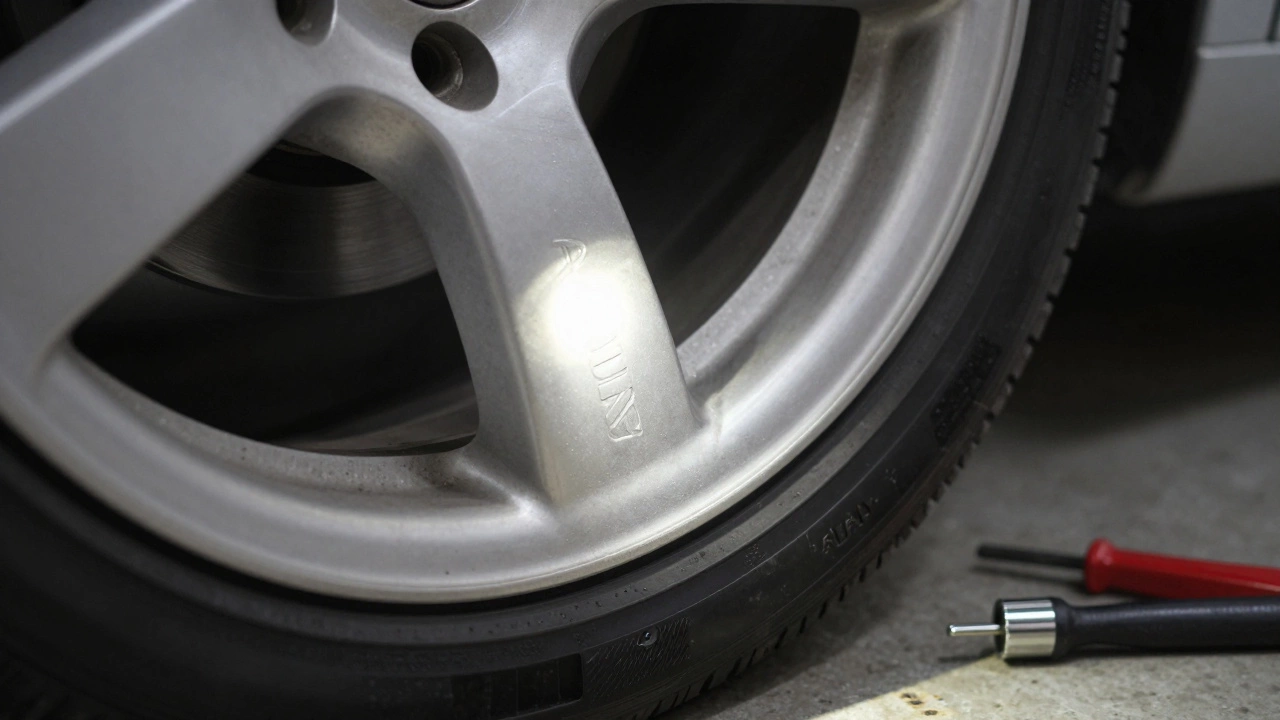
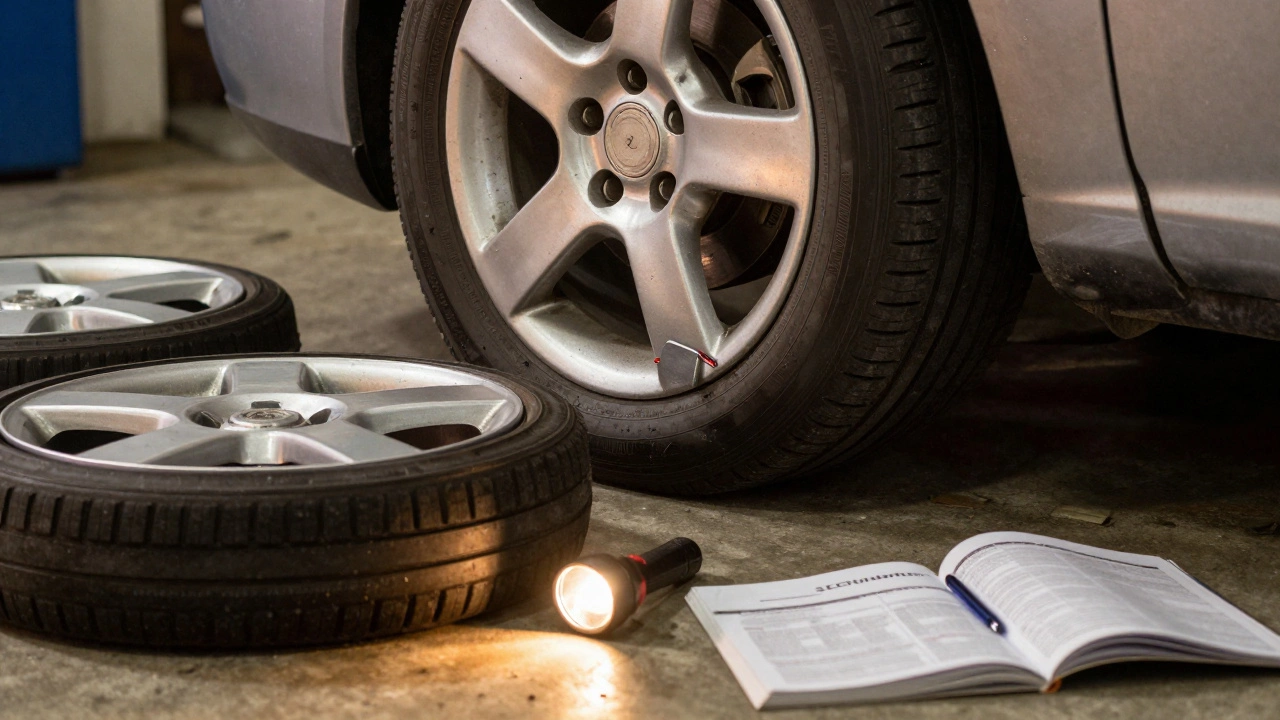
Alloy wheels are made by pouring molten metal into a mold-called casting. This leaves a signature: small, slightly raised letters or numbers on the backside of the wheel. You won’t see them from the outside. You need to look at the inner barrel, near the hub. Use a flashlight and get close. You’re looking for markings like AL, ALLOY, CAST, or even manufacturer codes like W7 or AB12. Steel wheels, on the other hand, are stamped from sheets of metal. They usually have a smooth back with no raised markings, just a painted surface or a simple stamp like STL or STEEL. If you find a casting mark, you’ve got alloy.
Test with a magnet
This one’s foolproof. Grab a fridge magnet. Most people have one lying around. Hold it up to the wheel’s surface-anywhere, even the outer lip. If the magnet sticks firmly, you’re dealing with steel. Steel is magnetic. Aluminum alloys? Not so much. You might feel a tiny tug if the alloy has a small amount of iron mixed in, but it won’t hold. If the magnet falls off or barely clings, it’s alloy. This test works even if the wheel is painted, polished, or covered in dirt. The magnet doesn’t care about the finish.
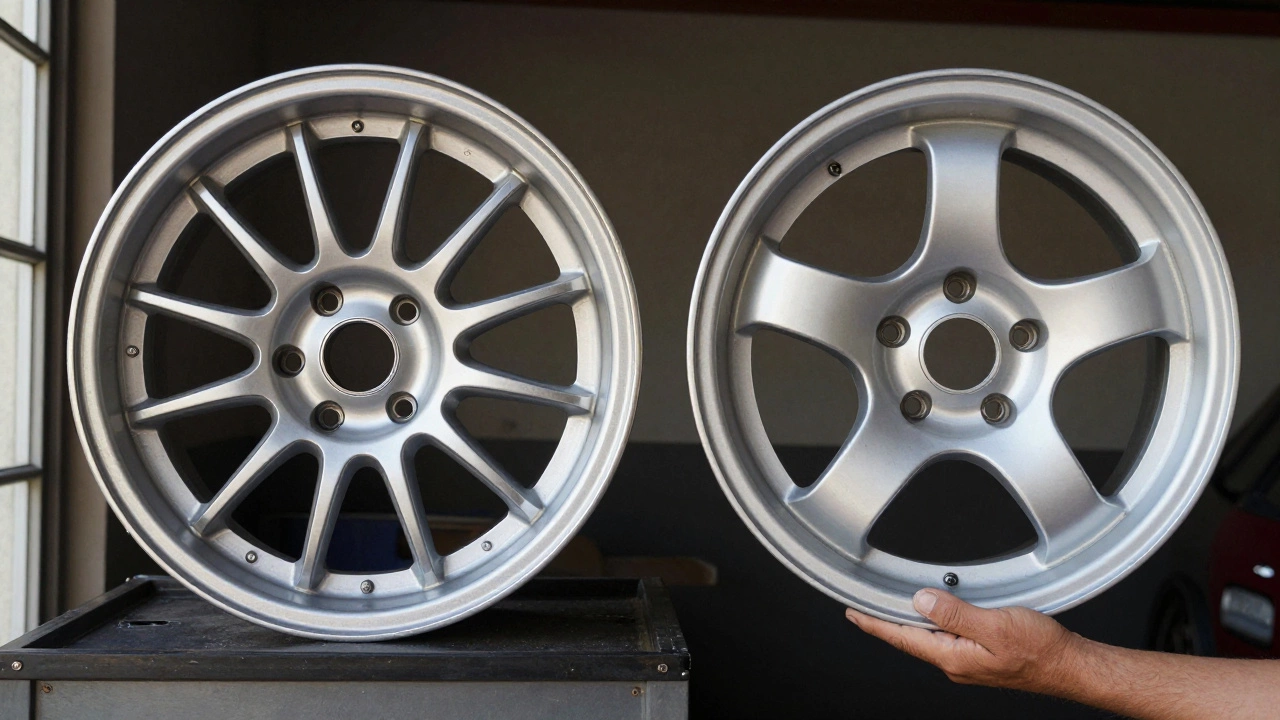
Inspect the finish and design
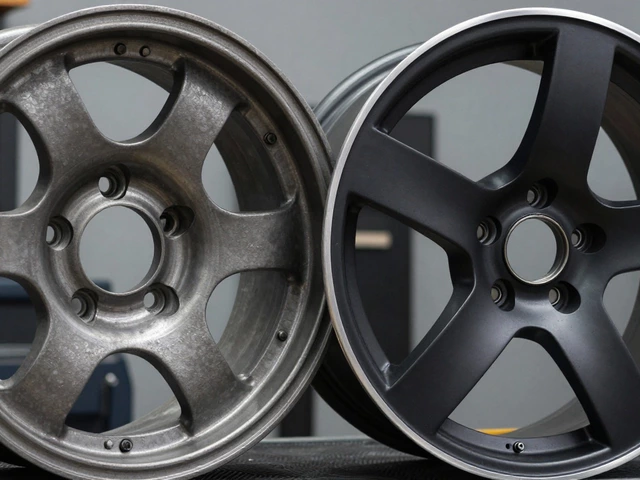
Alloy wheels are made to look good. They often have complex, multi-spoke designs, deep dish shapes, or polished edges that just aren’t practical for steel. Steel wheels are simpler: usually five or six straight spokes, a flat center, and a basic chrome or painted finish. If your wheel has intricate curves, a machined lip, or a two-tone look (like silver spokes with a black center), it’s almost certainly alloy. Steel wheels rarely go beyond basic shapes because they’re made for durability, not aesthetics. Also, alloys are often finished with clear coats or polished surfaces that reflect light differently than painted steel.
Check the manufacturer’s specs
If you still aren’t sure, go straight to the source. Look up your car’s make, model, and year online. Most car manufacturers list wheel specifications in the owner’s manual or on their official website. For example, a 2024 Toyota Camry LE comes with 17-inch steel wheels. The XLE trim? Alloy. If you bought your car used, check the original window sticker (if you still have it) or search for the VIN on a site like Carfax or Edmunds. They’ll list the factory wheel type. You can also call a dealership parts department and ask them-just give them your VIN. They’ll tell you exactly what was installed from the factory.
Know the risks of mistaking steel for alloy
Why does this matter? Because alloy wheels need different care. Steel wheels are tough. You can scrape them, hit curbs, and even use harsh wheel cleaners without much damage. Alloys? They’re softer. A strong cleaner can eat away at the clear coat. A curb rash can crack the surface and let moisture in, leading to corrosion. If you think your wheels are alloy but they’re actually steel, you might be over-cleaning or over-worrying. Or worse-you might be using the wrong sealant and damaging real alloy wheels because you didn’t know they needed protection. Knowing what you’re dealing with helps you maintain them properly.
Common myths about alloy wheels
- Myth: All shiny wheels are alloy. Truth: Painted steel wheels can have a mirror-like chrome finish. The shine doesn’t tell you the material.
- Myth: Alloy wheels are always more expensive. Truth: Some aftermarket steel wheels cost more than basic factory alloys.
- Myth: If it’s from a luxury car, it must be alloy. Truth: Even some luxury brands use steel wheels on base models to cut costs.
Quick checklist: Is it alloy?
Here’s a fast way to check next time you’re at the garage or washing your car:
- Grab a magnet. If it doesn’t stick, it’s likely alloy.
- Look at the back. Any raised letters or casting marks? That’s alloy.
- Pick it up. If it feels light for its size, it’s probably alloy.
- Check the design. Complex, detailed patterns? Alloy. Simple and flat? Likely steel.
- Look up your model. Factory specs never lie.
Most people only need to do one or two of these checks to be 95% sure. The magnet test and visual inspection of the backside are the most reliable. You don’t need tools, a garage, or a mechanic. Just a flashlight and a fridge magnet.
Can I tell if my wheels are alloy just by looking at the outside?
Not reliably. Many steel wheels are painted or chrome-plated to look exactly like alloys. A shiny finish doesn’t mean it’s aluminum. You need to check the backside, use a magnet, or compare weight to be sure.
Do all alloy wheels have the same composition?
No. Most are made from aluminum mixed with small amounts of magnesium, nickel, or copper to improve strength. Some are cast, others are forged-forged alloys are lighter and stronger but cost more. The exact mix affects weight, durability, and how it reacts to road salt or cleaning products.
Can alloy wheels rust?
They don’t rust like steel, but they can corrode. Aluminum forms a thin oxide layer that protects it, but if the clear coat is damaged-say from a curb scrape or harsh cleaner-moisture and salt can get in. This causes pitting or white powdery corrosion. It’s not rust, but it still ruins the look and weakens the wheel over time.
Are alloy wheels better than steel wheels?
It depends. Alloys are lighter, which improves handling and fuel efficiency. They also look better and dissipate heat better, which helps brake performance. But steel wheels are tougher, cheaper to replace, and more resistant to curb damage. If you drive on rough roads or in winter, steel might be more practical. Alloys are great for show or performance, but not always the best for daily abuse.
What if my wheel has both alloy and steel parts?
That’s rare, but some older or budget aftermarket wheels use steel centers with alloy outer lips. The magnet test will still work: if the outer part doesn’t attract the magnet but the center does, it’s a hybrid. Most modern wheels are fully alloy or fully steel. If you’re unsure, check the manufacturer’s part number online.
What to do next
Once you know what your wheels are made of, adjust your maintenance routine. If they’re alloy, use a pH-neutral cleaner. Avoid acid-based wheel cleaners-they’ll strip the clear coat. Wax them twice a year to protect the finish. If they’re steel, you can use stronger cleaners and don’t need to worry about clear coat damage. And if you’re planning to upgrade? Knowing the difference helps you pick the right replacement. You don’t want to buy expensive alloys thinking you’re replacing steel, only to find out your car’s hub doesn’t support them. Always check bolt patterns, offset, and center bore before buying.