Alloy Wheel Flange Profile Checker
1. Enter Your Wheel Marking
Enter the code stamped on your wheel (e.g., 8J x 17 ET45 or just 7.5J). We will extract the width and profile.
2. Analysis Result
Enter a wheel code to see the flange profile details.
Width: --
Profile: --
Quick Reference: Common Profiles
| Code | Typical Use | Characteristics |
|---|---|---|
| J | Passenger Cars, SUVs | Standard rounded flange. Most common. |
| K | Heavy Trucks, Vans | Taller, steeper flange for heavy loads. |
| JJ | Off-Road, Jeeps | Wider seat for low-pressure traction. |
| B | Motorcycles | Small, low-profile flange. |
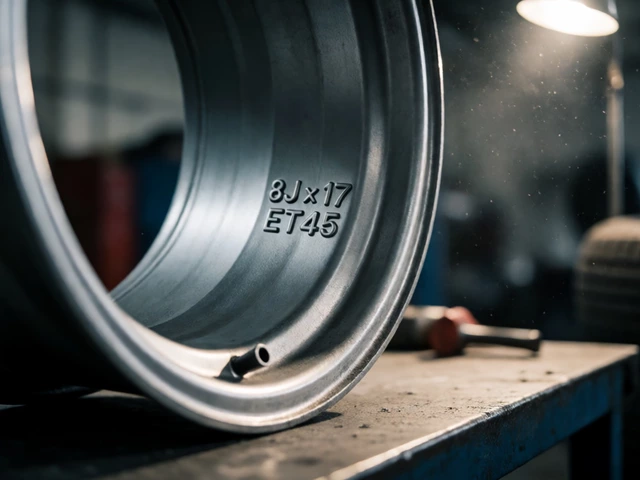
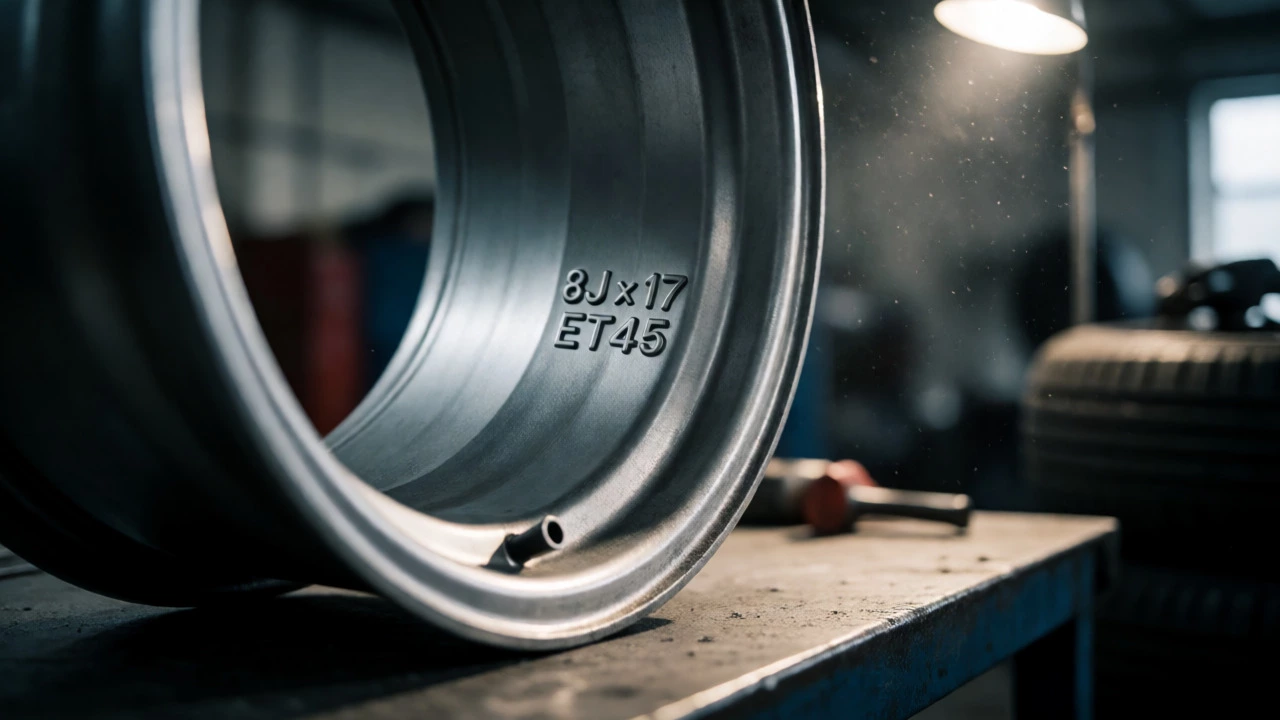
You’re standing in your garage, staring at a set of second-hand alloy wheels you just bought. They look great, but there’s a weird code stamped into the metal: "8J x 17 ET45". You know what 17 means (diameter) and probably have a vague idea about ET (offset), but that "J"? That little letter is actually one of the most critical pieces of information for keeping your tires on the road.
If you get this wrong, you don’t just get an ugly fitment; you risk a bead blowout or uneven wear. The "J" isn’t a brand name or a model year. It refers to the **flange profile** of the wheel rim. In plain English, it tells you the shape and height of the edge where the tire sits. This guide breaks down exactly what that means, why it matters for safety, and how to make sure your new rubber matches up.
The Short Version: What You Need to Know
- J stands for Flange Profile: It describes the cross-sectional shape of the rim’s outer edge.
- Safety First: Using the wrong profile can cause the tire bead to slip off during hard cornering or braking.
- Most Common is J: For passenger cars, SUVs, and light trucks, "J" is the industry standard for rims between 5 inches and 20 inches wide.
- Other Letters Exist: K, L, JJ, and JK are used for specific applications like heavy-duty trucks or racing wheels.
- Check Your Tire Manual: Always match the wheel profile to the tire manufacturer’s recommendation for the specific width.
Decoding the Wheel Markings
Before we isolate the "J," let’s look at the whole string of numbers and letters usually found on the back of a wheel. Take "7.5J x 16 H2" as an example. Each part has a job.
The first number (7.5) is the rim width in inches. The "x" separates the width from the diameter. The next number (16) is the diameter in inches. Then comes the "H2." That’s not a speed rating; it’s a bead hump type, indicating there are two humps on the rim to help lock the tire bead in place. But sitting right in the middle is the "J." This is the flange profile.
Think of the flange as the hook that holds the tire bead. If the hook is too shallow, the tire might pop off. If it’s too steep or shaped differently than the tire expects, the seal won’t form correctly, leading to air leaks or stress fractures in the tire sidewall.
Why the Flange Shape Matters More Than You Think
Tires aren’t just rubber balloons. They have rigid rings inside called beads. These beads need to clamp tightly against the metal rim. The flange profile defines the angle and height of the metal lip that presses against these beads.
Imagine trying to hang a coat on a hook designed for a hat. It might stay for a second, but under pressure, it slides off. The same logic applies here. A tire designed for a "J" flange has a bead contour that perfectly mates with the "J" curve. If you put that tire on a "K" flange, the contact area changes. You might lose air pressure slowly over time, or worse, the tire could de-bead when you take a sharp turn at high speed.
In Australia, where we often mix imported Japanese parts with European vehicles, mismatched profiles are common. A wheel meant for a US-spec truck might have a different flange than the Euro-spec tire you want to mount on it. Always check compatibility.
The Most Common Profiles: J, K, and JJ
While there are many technical standards defined by organizations like the European Tyre and Rim Technical Organisation (ETRTO) and the Tire and Rim Association (TRA), only a few show up in everyday car ownership.
The "J" Profile
This is the workhorse. If you drive a sedan, hatchback, or crossover, your wheels almost certainly use a J profile. It features a single, rounded flange with a specific radius. It’s optimized for radial tires on passenger vehicles. The "J" designation ensures that the tire bead seats consistently across different manufacturers.
The "JJ" Profile
You’ll see "JJ" mostly on off-road vehicles, Jeeps, and some older American muscle cars. The double "J" indicates a wider, more pronounced flange. Why? Because off-roaders often run lower-profile tires or larger sidewalls that need extra support. The JJ profile provides a broader seating surface, which helps prevent the tire from slipping off the rim when you’re crawling over rocks or running low tire pressures for traction.
The "K" and "L" Profiles
These are rarer for daily drivers. "K" is often found on heavy-duty trucks and commercial vehicles. The flange is taller and steeper. "L" is similar but even more robust, typically reserved for large industrial tires. If you’re putting a set of heavy-duty truck tires on a light SUV, you might encounter a mismatch here. The tire will physically fit, but the bead retention characteristics change, which can affect handling stability.
| Profile Code | Typical Application | Flange Characteristics | Rim Width Range |
|---|---|---|---|
| J | Passenger Cars, SUVs, Light Trucks | Single rounded flange, moderate height | 3.5" - 20" |
| K | Heavy-Duty Trucks, Commercial Vans | Taller, steeper flange | 6.0" - 24" |
| L | Industrial, Large Off-Road | Very tall, reinforced flange | 8.0"+ |
| JJ | Jeep Wrangler, Some Muscle Cars | Wider, double-hump style appearance | 7.0" - 10" |
| B | Motorcycles | Small, low-profile flange | 1.4" - 3.5" |
How to Check Compatibility Before Mounting
So, you’ve got the wheels. How do you ensure they play nice with your tires? Don’t guess. Here is a simple workflow.
- Find the Stamping: Look on the back of the wheel. You might need to clean off brake dust. The code is usually near the center bore or the valve stem hole.
- Note the Width: Identify the rim width (e.g., 8.5). This is crucial because the recommended flange can sometimes vary slightly based on width, though "J" remains dominant for widths under 12 inches.
- Consult the Tire Chart: Go to the website of your tire manufacturer (Michelin, Bridgestone, Continental, etc.). Look for their "Rim Fitment Chart" or "Wheel Size Recommendation."
- Cross-Reference: Find your tire size (e.g., 245/40R19) and your rim width (8.5J). The chart will list acceptable rim widths and often specifies the required flange profile. If it says "J," you’re good. If it lists "K" or "JJ," you need to adjust.
A quick rule of thumb: If you are buying standard passenger car tires and standard alloy wheels, they will almost always be compatible. The system is designed so that mismatches are rare unless you are mixing very old stock with new tech, or using specialized racing equipment.
What Happens If You Get It Wrong?
Let’s say you ignore the stamping and mount a tire meant for a "K" flange onto a "J" wheel. What breaks?
Air Leaks: The most common issue. The bead doesn’t seat perfectly against the metal. You’ll find yourself topping up tire pressure every week. Over time, moisture gets in, causing corrosion on the rim edge.
Uneven Wear: If the tire sits slightly off-center due to a poor flange match, the contact patch shifts. You might see inner-edge wear appearing much faster than expected.
Bead Failure: In extreme cases, such as high-speed driving or aggressive cornering, the tire can unseat. This is dangerous. It’s not instant deflation like a nail puncture, but a sudden loss of structural integrity that can cause a crash.
Conversely, if you force a tire meant for a narrow "B" motorcycle flange onto a wide "J" car rim, the tire might stretch too much. The sidewall becomes unstable, and the ride quality turns harsh and jittery.
Special Cases: Racing and Deep Dish Wheels
If you’re into motorsport, things get trickier. Many aftermarket racing wheels use proprietary profiles. Sometimes they label them "JK" or simply specify "Race Spec." These wheels often have a higher flange to allow for lower tire profiles without risking de-beading.
Also, watch out for "deep dish" wheels. While the depth affects aesthetics and offset, it doesn’t change the flange profile itself. A deep-dish 18-inch wheel still needs a matching flange for its 8-inch width. Don’t confuse the visual depth with the functional edge shape.
Final Thoughts on Maintenance
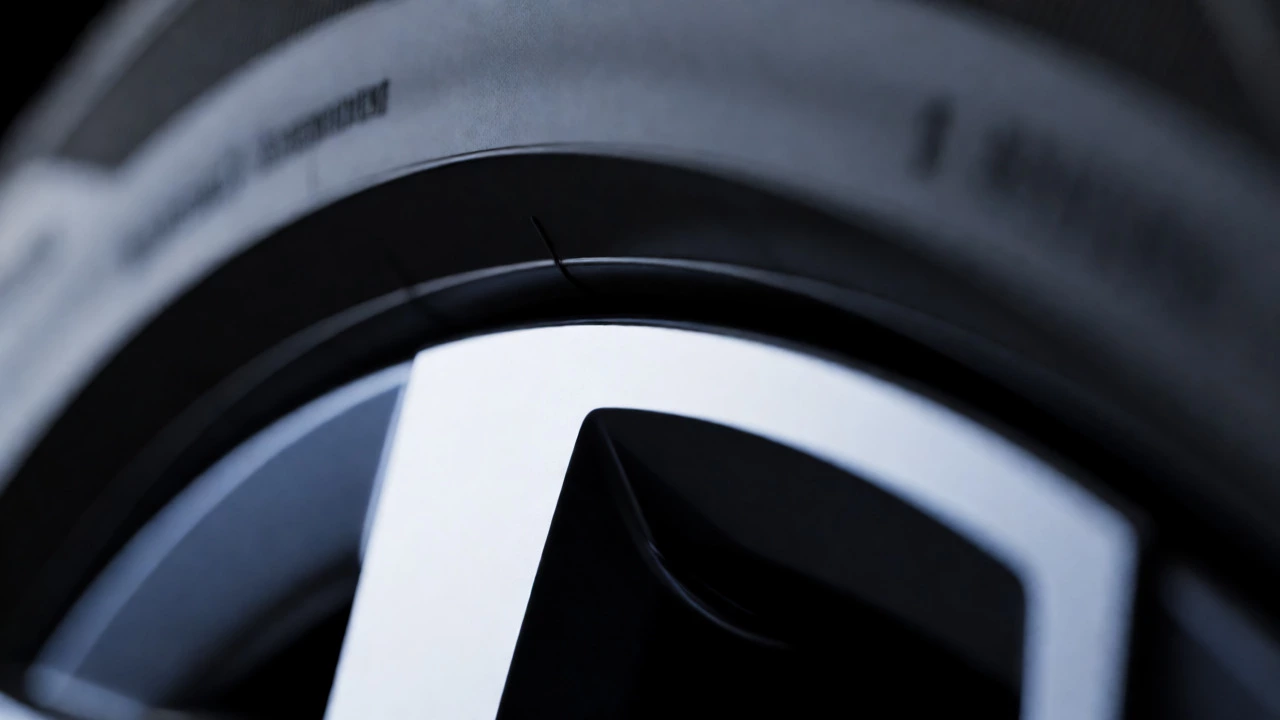
When you change tires, ask your fitter to inspect the flange. Brake dust and curb rash can damage the sealing surface. Even if the profile is correct, a dented or corroded flange will cause leaks. Cleaning the flange with a wire brush before mounting new tires is a cheap insurance policy.
Remember, the "J" is just a code for a physical shape. It’s not magic. It’s engineering. Respect it, check the charts, and you’ll keep your tires where they belong: on the road.
Can I use any tire on a J profile wheel?
Generally, yes, provided the tire size is within the recommended width range for that specific wheel. However, always check the tire manufacturer's fitment chart. While 'J' is the standard for most passenger cars, extremely wide tires on narrow rims (or vice versa) may require specific flange considerations for optimal performance and safety.
Is J better than JJ for off-roading?
Not necessarily 'better,' but different. 'JJ' profiles are often preferred for off-road vehicles like Jeeps because they offer a wider bead seat, which helps retain the tire bead when running very low tire pressures for traction. 'J' is sufficient for most light off-roading, but dedicated rock crawlers often benefit from the extra security of a 'JJ' or similar heavy-duty profile.
Does the J profile affect my speedometer accuracy?
No. The speedometer accuracy is determined by the overall diameter of the tire, not the flange profile. As long as you maintain the correct tire aspect ratio and diameter relative to your vehicle's specifications, the 'J' marking has no impact on speed readings.
What does 'H2' mean next to the J on my wheel?
'H2' refers to the bead hump type. It indicates that the wheel has two symmetrical humps on the inside of the rim well. These humps help lock the tire bead in place, providing extra security against the tire sliding off the rim during lateral forces. It is a common safety feature on modern passenger car wheels.
Can I repaint my wheels without affecting the J profile?
Yes, but be careful. When powder coating or painting wheels, ensure the masking tape covers the bead seat area (the flange). If paint builds up on the flange, it can create an uneven surface, preventing the tire bead from sealing properly. This leads to slow air leaks. Professional refinishing services usually mask this area specifically to preserve the profile integrity.