Alloy vs Steel Wheel Decision Tool
Adjust your settings to see a personalized recommendation.
Estimated Fuel Savings (Alloy)
$0
Potential Repair Risk Cost
$0
There is a persistent myth that alloy wheels are strictly superior to standard steel wheels. In reality, the "better" choice depends entirely on your driving habits, budget, and how much you value aesthetics versus raw durability. If you drive mostly in the city and want to save money on repairs, steel might be the smarter pick. If you prioritize handling and style, alloys win. Let's break down the real-world differences so you can make a decision that fits your specific needs.
The Material Difference: What Are You Actually Buying?
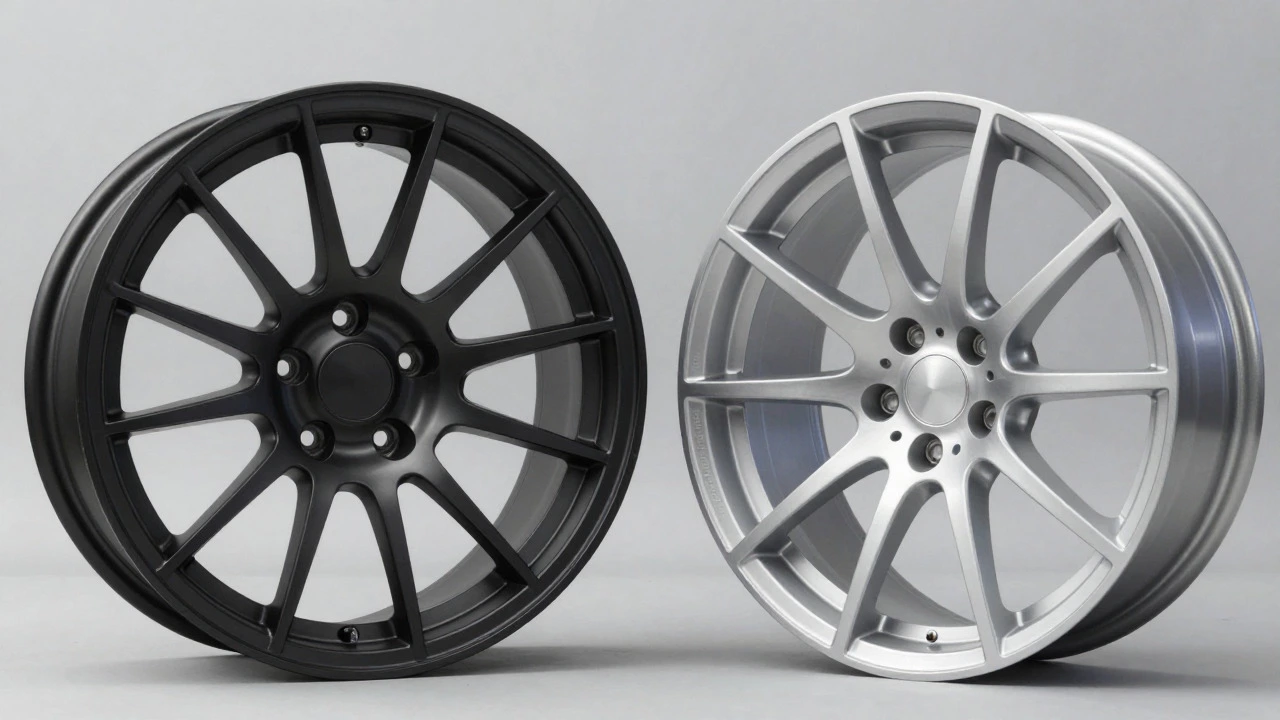
To understand the trade-offs, we need to look at what these components are made of. A standard steel wheel is typically constructed from stamped or cast mild steel. It is heavy, robust, and inexpensive to manufacture. An alloy wheel, usually made from aluminum or magnesium alloys, is lighter and more complex to produce. This fundamental difference in material density drives most of the performance and cost variations you will experience.
The weight difference is significant. A typical set of steel wheels for a mid-size sedan weighs about 15-18 kg per wheel. The equivalent alloy wheel often weighs 10-12 kg. That 4-6 kg reduction per corner adds up quickly, reducing unsprung mass. Unsprung mass refers to the weight of components not supported by the suspension springs, such as wheels, tires, and brakes. Lowering this mass allows the suspension to react faster to bumps and potholes, improving grip and ride comfort.
Performance and Handling Benefits
Because alloy wheels are lighter, they offer tangible performance benefits. When you accelerate, less energy is wasted spinning up heavier metal. This translates to slightly quicker 0-100 km/h times, though the difference is marginal for daily commuting but noticeable in spirited driving. More importantly, braking distances can improve. Lighter wheels require less force to stop, putting less strain on your brake pads and discs.
Handling also improves due to the reduced rotational inertia. The steering feels sharper and more responsive because there is less momentum fighting against your input. For drivers who enjoy cornering or drive on winding roads, this precision is a major advantage. However, if you drive primarily on straight highways at constant speeds, these benefits may go unnoticed.
Durability and Repair Costs
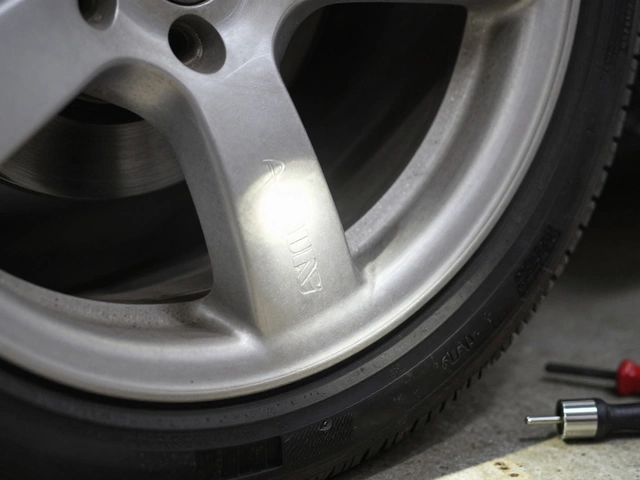
This is where the debate gets heated. Many people believe steel wheels are indestructible. While true to an extent, they are not immune to damage. Steel bends easily when hitting large potholes or curbs. A bent steel rim can often be hammered back into shape cheaply at any tire shop. Alloys, however, crack. Once an alloy wheel cracks, it is often considered unsafe to repair and must be replaced. Replacement costs for a single alloy wheel can range from $300 to $800 AUD depending on the brand and finish, whereas fixing a bent steel wheel might cost $50-$100.
Corrosion is another factor. Steel wheels rust over time if the coating chips off. This rust can spread and weaken the structure. Alloy wheels do not rust, but they can suffer from surface oxidation or corrosion if exposed to road salt without proper cleaning. In coastal areas like Melbourne, regular washing is essential for both types to prevent long-term degradation.
| Feature | Steel Wheel | Alloy Wheel |
|---|---|---|
| Weight (per wheel) | 15-18 kg | 10-12 kg |
| Cost (replacement) | $150 - $300 | $300 - $800+ |
| Repairability | Easily bent/straightened | Often requires replacement if cracked |
| Fuel Efficiency Impact | Minimal | Slight improvement (0.5-1%) |
| Aesthetics | Basic, covered by hubcaps | Stylish, visible design |
Fuel Efficiency and Running Costs
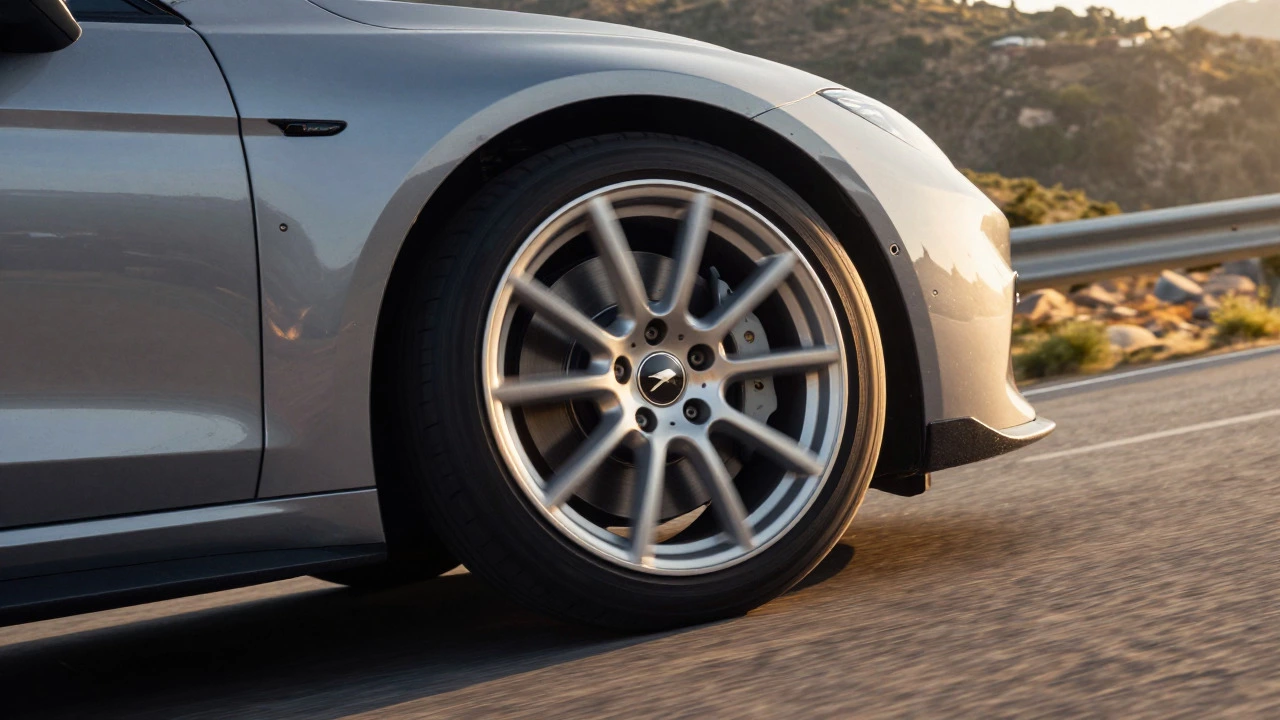
Does saving 20 kg across four wheels actually save you money at the pump? The answer is yes, but only slightly. Reducing unsprung mass lowers rolling resistance and engine load. Most independent tests show a fuel economy improvement of roughly 0.5% to 1% when switching from steel to alloy wheels. For a driver covering 20,000 km a year, this might save $50-$100 annually. It is not enough to justify the upgrade solely for savings, but it is a nice bonus.
However, consider the long-term maintenance. Alloy wheels often require specialized cleaners to remove brake dust buildup, which can etch into the clear coat. Steel wheels are more forgiving; a simple soap and water wash usually suffices. If you have a garage with automatic wheel washers, check if they are compatible with alloy finishes, as harsh chemicals can damage the coating.
When Should You Choose Steel Wheels?
Steel wheels remain the best option for several specific scenarios. First, if you drive a workhorse vehicle like a utility truck or a van that carries heavy loads regularly, the structural integrity of steel handles stress better than many cheaper alloys. Second, if you live in an area with poor road conditions full of deep potholes, the ability to bend rather than crack makes steel a safer bet. Third, budget is a huge factor. If you are buying a used car and want to keep initial costs low, sticking with the original steel wheels saves hundreds of dollars upfront.
Also, consider winter driving. In regions with heavy snow and ice, steel wheels are often preferred because they do not conduct heat away from the tire as efficiently as alloys, potentially helping maintain traction. They are also less prone to cracking in extreme cold temperatures.
When Are Alloy Wheels Worth the Investment?
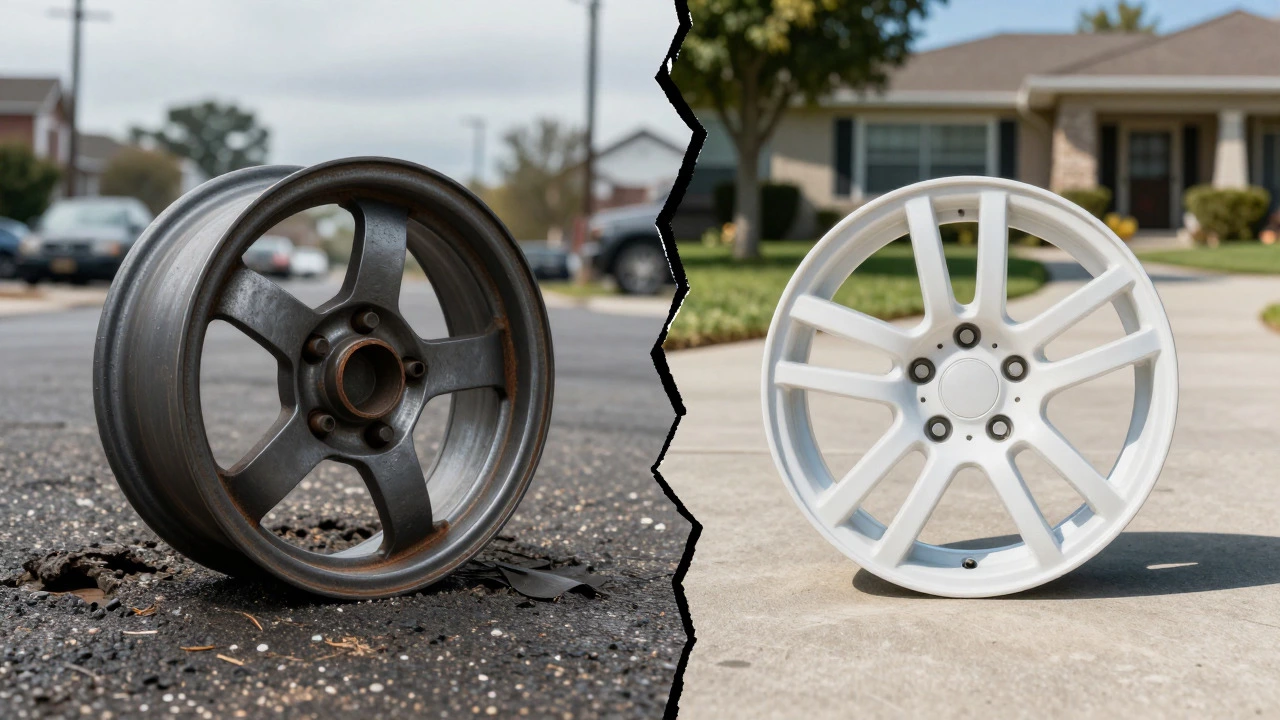
If you own a modern passenger car, SUV, or sports vehicle, alloy wheels are generally worth the investment. The aesthetic appeal alone justifies the cost for many owners; a well-designed alloy wheel transforms the look of a vehicle instantly. Beyond looks, the improved handling and braking make for a safer and more engaging driving experience. If you plan to hold your car for five years or more, the premium price is amortized over time, making it a reasonable expense for the enhanced ownership experience.
Additionally, if you frequently tow trailers or carry heavy cargo, high-quality forged or cast alloy wheels can handle the extra load while still offering the weight benefits. Just ensure you buy wheels rated for the specific load capacity required by your vehicle manufacturer.
Maintenance Tips for Both Types
Regardless of which type you choose, proper care extends their life. Inspect your wheels monthly for cracks, bends, or corrosion. Pay special attention to the bead seat area where the tire meets the rim. Clean them every two weeks to prevent brake dust from bonding to the surface. Use a pH-neutral wheel cleaner for alloys to avoid damaging the finish. For steel wheels, check for rust spots early and touch them up with primer and paint to prevent spreading.
Torque your wheel nuts after any tire change or rotation. Loose nuts can cause uneven wear and vibration, leading to premature failure. Always use the correct torque specification found in your owner’s manual, typically between 90 Nm and 120 Nm for passenger cars.
Do alloy wheels wear out faster than steel?
Not necessarily. Alloy wheels last longer if maintained properly, but they fail catastrophically (cracking) rather than gradually (bending). Steel wheels degrade slowly through rust and bending. With regular inspection, both can last the life of the vehicle.
Can I put alloy wheels on any car?
Yes, provided the bolt pattern, center bore, and offset match your vehicle’s specifications. Always verify these dimensions before purchasing to ensure a safe fitment.
Are alloy wheels safer in a crash?
They offer similar safety in terms of structural integrity during minor impacts. However, in severe crashes, the lighter weight reduces the risk of injury from rotating debris compared to heavier steel fragments.
How much does it cost to replace one alloy wheel in Australia?
Prices vary widely. Aftermarket options start around $300 per wheel, while OEM replacements can exceed $800. Labor for fitting and balancing typically adds $50-$100.
Should I buy matching sets or mix and match?
Always buy matching sets for optimal balance and appearance. Mixing different brands or designs can lead to uneven wear and visual inconsistency, though it is technically possible if specs match.