Car Interior Styling Budget Planner
Determine how much you want to invest in your cabin's transformation and get an instant breakdown of where that money goes for maximum impact.
Recommended Allocation
Walk into a showroom and you’ve probably noticed that the car with the most expensive engine isn’t always the one people stare at longest. Often, it’s the one with the sleek, cohesive interior that draws the eye. You don’t need a six-figure budget to make your daily driver feel like a luxury vehicle. In fact, some of the best car interior styling upgrades cost less than a weekend trip to the coast. The key is knowing what actually matters and what’s just noise.
Most drivers treat their cabin as a static object-something you sit in, not something you design. But your car is a personal space. It reflects your taste, your lifestyle, and how you want to feel when you get behind the wheel. Whether you drive a rugged SUV or a compact city car, transforming the interior starts with understanding the core elements: materials, lighting, ergonomics, and tech integration. Let’s break down exactly how to approach this without breaking the bank or cluttering up your space.
Start With the Foundation: Seats and Upholstery
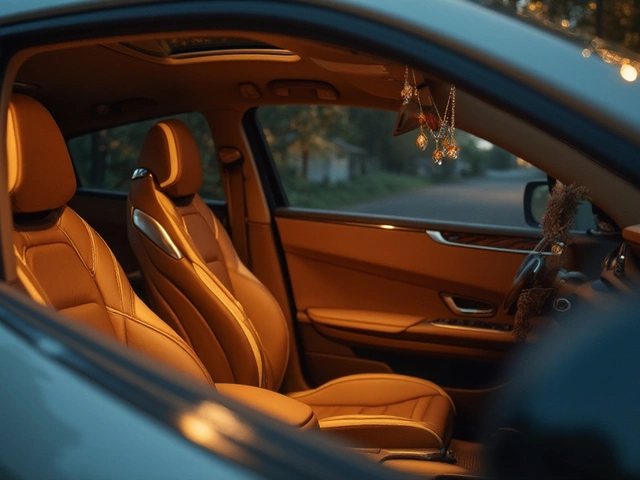
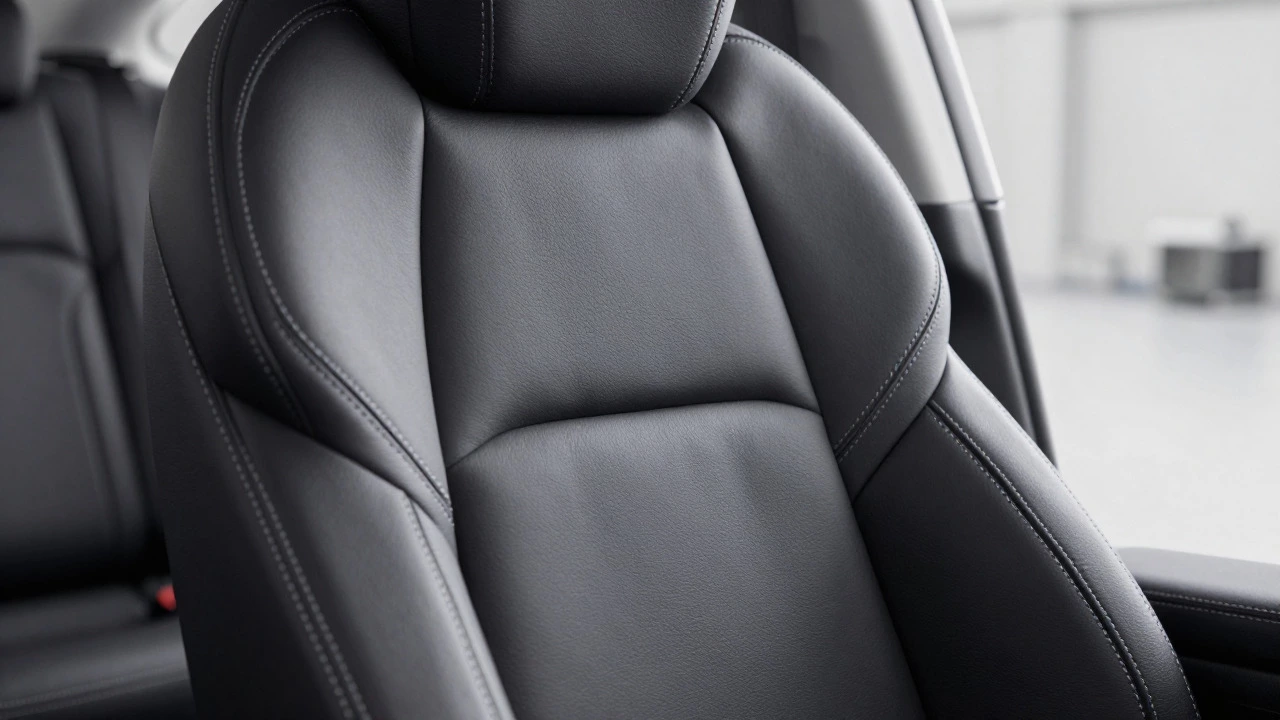
The seats are the first thing you touch every day. If they’re worn out, uncomfortable, or just plain boring, no amount of fancy dash lights will save the vibe. You have three main paths here: reupholstering, adding seat covers, or swapping them entirely. Reupholstering is the premium option. It involves stripping the seats, replacing the foam if needed, and sewing new fabric or leather. This can cost anywhere from $500 to $2,000 per seat depending on the material and complexity. Leather looks great but requires maintenance; synthetic leather (vegan leather) is easier to clean and more durable for families or pets.
If you’re on a tighter budget, high-quality seat covers are a game-changer. Look for brands that offer custom fits rather than generic elastic ones. Custom-fit covers look factory-installed and protect your original upholstery. They’re also reversible, which means you can change the color scheme without buying new products. Just be careful with heating and cooling functions-make sure the cover has openings for the controls and sensors to work properly.
Lighting Sets the Mood
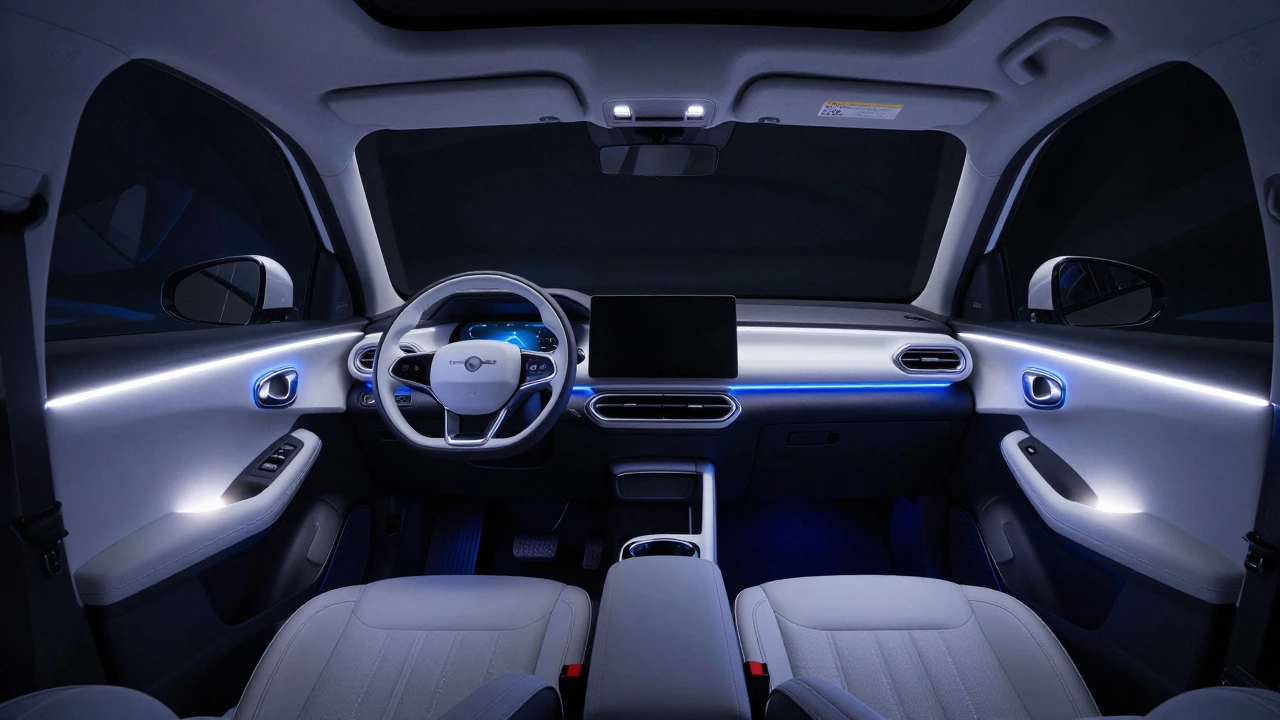
Lighting is the cheapest way to transform an interior. Factory LED strips are often dim and yellowish. Upgrading to cool white or customizable RGB LEDs can make a small car feel spacious and modern. Ambient lighting kits typically install under the dashboard, along the door panels, and in the footwells. These kits usually run off the cigarette lighter port or fuse box, making installation straightforward for DIYers.
Don’t overdo it. Too many colors can be distracting. Stick to one or two tones that match your exterior paint or your personal style. For example, if you have a blue car, soft blue or white ambient lights create a cohesive look. Also, consider motion-activated lights that turn on when you open the door. It’s a small touch that feels incredibly premium.
Dashboard and Trim: Small Changes, Big Impact
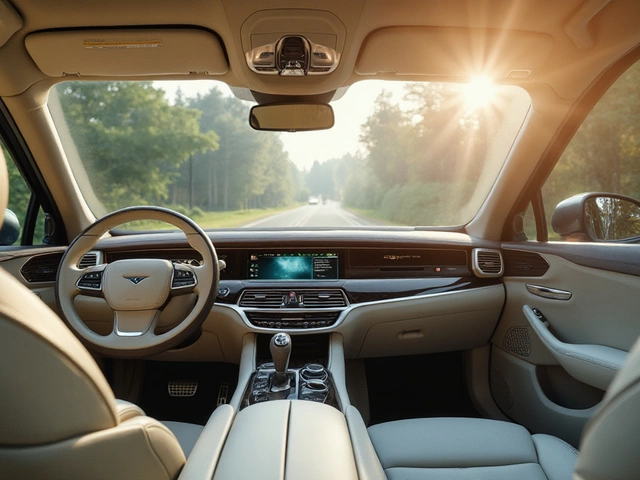
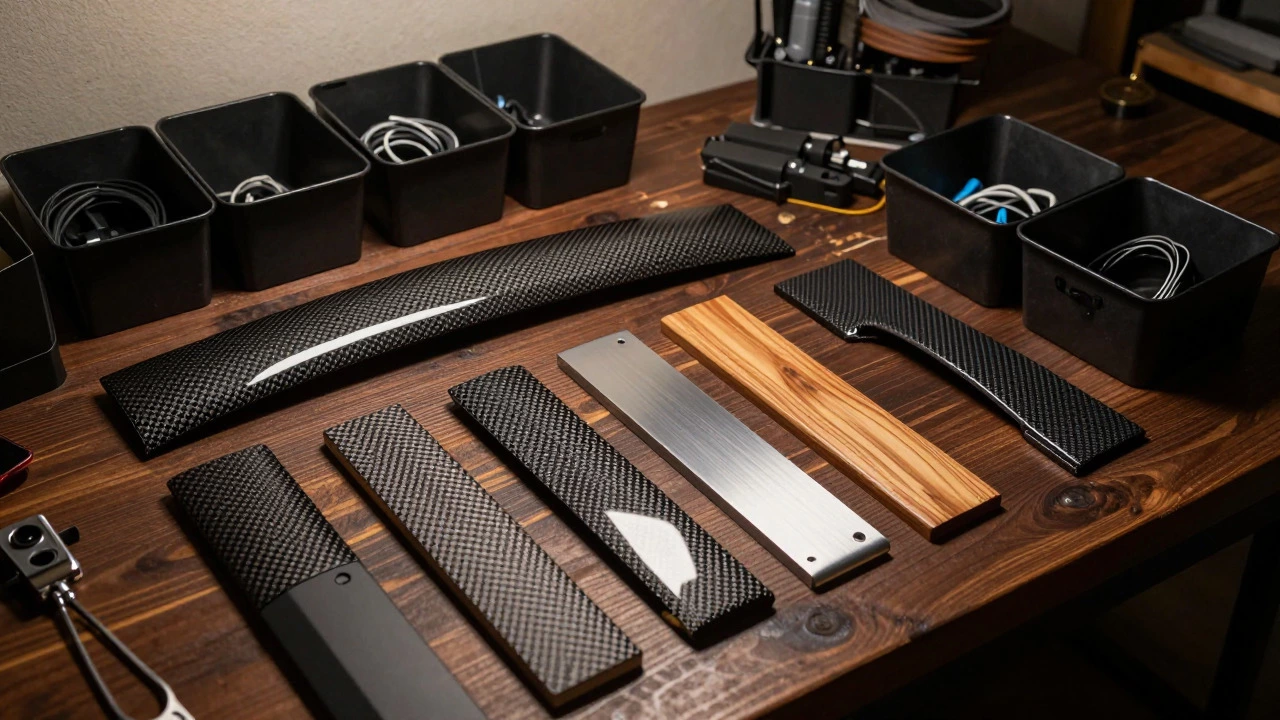
The dashboard is the focal point of the front cabin. If it’s cracked, faded, or covered in cheap plastic, it drags down the whole aesthetic. You can fix this with trim replacement or overlay kits. Carbon fiber, brushed aluminum, or wood grain overlays are popular choices. They snap onto existing trims and require no drilling. Make sure you measure your specific model year and trim level before ordering, as dimensions vary significantly between manufacturers.
Steering wheels are another high-impact area. A new steering wheel can change the entire driving experience. Options range from sporty flat-bottom designs to classic round shapes wrapped in Alcantara or perforated leather. When swapping a steering wheel, you’ll need to ensure airbag compatibility and possibly adaptors for the horn and control buttons. It’s a job best done by a professional unless you have experience with electrical systems.
Tech Integration and Organization
Modern cars come with screens, but older models might still have basic radios. Adding a head unit with Apple CarPlay or Android Auto is one of the most valuable upgrades you can make. It integrates your phone’s navigation, music, and calls directly into the dashboard. Installation costs vary, but most shops charge between $300 and $800 including labor. Make sure the new unit fits your dash cutout or comes with a fascia kit.
Organization is often overlooked but critical for a stylish interior. Clutter kills aesthetics. Use trunk organizers, under-seat storage bins, and door pocket dividers. Keep cables hidden with clips and sleeves. A clean, organized cabin looks more expensive than a messy one, regardless of the materials used.
Choosing Materials: Durability vs. Aesthetics
You need to balance how things look with how long they last. Here’s a quick comparison of common interior materials:
| Material | Durability | Maintenance | Aesthetic Appeal | Cost Range |
|---|---|---|---|---|
| Genuine Leather | High (with care) | Regular conditioning required | Premium, ages well | $$$ |
| Synthetic Leather | Medium-High | Wipe clean easily | Consistent, modern | $$ |
| Alcantara/Suede | Medium | Brush gently, avoid water | Sporty, textured | $$ |
| Fabric/Cloth | High | Vacuum regularly | Casual, practical | $ |
| Carbon Fiber Trim | High | Low | Sleek, technical | $$$ |
For families, fabric or synthetic leather is often the smarter choice. Kids spill things. Pets shed. Genuine leather shows scratches and stains quickly. If you prioritize looks over practicality, go for leather or Alcantara, but be prepared to spend time maintaining them.
Common Mistakes to Avoid
Many people ruin their interior projects by going overboard. Here are the top pitfalls:
- Cluttering the dashboard: Every gadget and trinket adds visual noise. Keep only essentials visible.
- Mismatched colors: Don’t mix too many contrasting tones. Stick to a palette of two or three colors max.
- Poor quality parts: Cheap LED strips burn out fast. Cheap seat covers stretch and tear. Invest in mid-range brands for better longevity.
- Ignoring ventilation: Thick seat covers can block heated seats. Ensure airflow isn’t compromised.
- DIY electrical errors: Bad wiring can cause shorts or fire hazards. If you’re not confident, hire a pro for electrical work.
Budget Planning: What to Prioritize
If you’re working with a limited budget, prioritize visibility and comfort. Start with seat covers or reupholstering, then move to lighting. Tech upgrades come next. Trims and decorative elements are the final step. A good rule of thumb: spend 40% on seats, 20% on lighting/tech, 20% on trims, and 20% on organization/accessories. This ensures the most-used parts get the best treatment.
Remember, styling is subjective. There’s no single “right” way to do it. Your goal is to create a space that makes you happy to drive. Whether that means a minimalist black-and-white theme or a bold, colorful statement, keep it consistent and functional.
Can I style my car interior without removing seats?
Yes. You can add seat covers, upgrade lighting, replace trim pieces, and install new tech without removing seats. However, for full reupholstering or detailed cleaning, removal is necessary. Seat covers are the easiest non-invasive option.
What is the most cost-effective way to improve a car interior?
Adding ambient LED lighting and using high-quality seat covers are the most cost-effective upgrades. They provide immediate visual impact for a fraction of the cost of full reupholstering or new parts.
Do carbon fiber trims fade over time?
Quality carbon fiber wraps and overlays are UV-resistant and rarely fade. However, low-quality vinyl imitations may peel or discolor after several years of sun exposure. Choose reputable brands for long-term durability.
Is it worth installing Apple CarPlay in an older car?
Yes, for most drivers. It significantly improves safety and convenience by integrating phone features into the dashboard. The investment pays off in daily usability and resale value.
How do I choose the right color scheme for my interior?
Look at your exterior paint color and your personal preferences. Neutral tones like black, grey, and beige are versatile and hide dirt well. Bold colors like red or blue make a statement but show wear faster. Match accents to your exterior for cohesion.