People slap 2 inch wheel spacers on their cars for one reason: to make the wheels stick out further and look more aggressive. But every time someone asks if they’re safe, the internet explodes with conflicting advice. Some say they’re fine. Others claim they’ll destroy your suspension, cause tire rub, or even make your car fly off the road. So what’s the truth?
What are 2 inch wheel spacers?
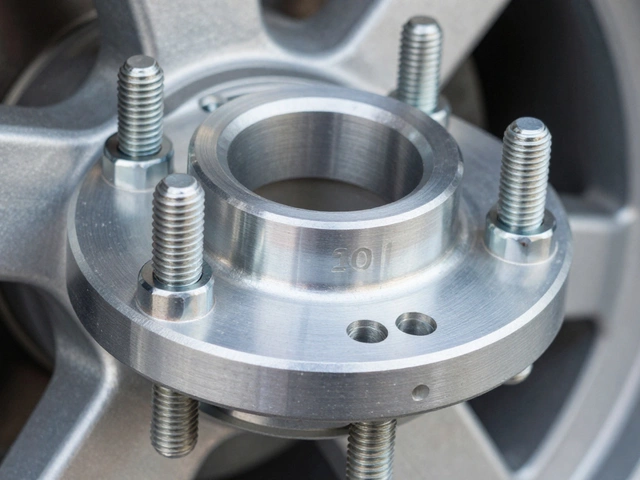
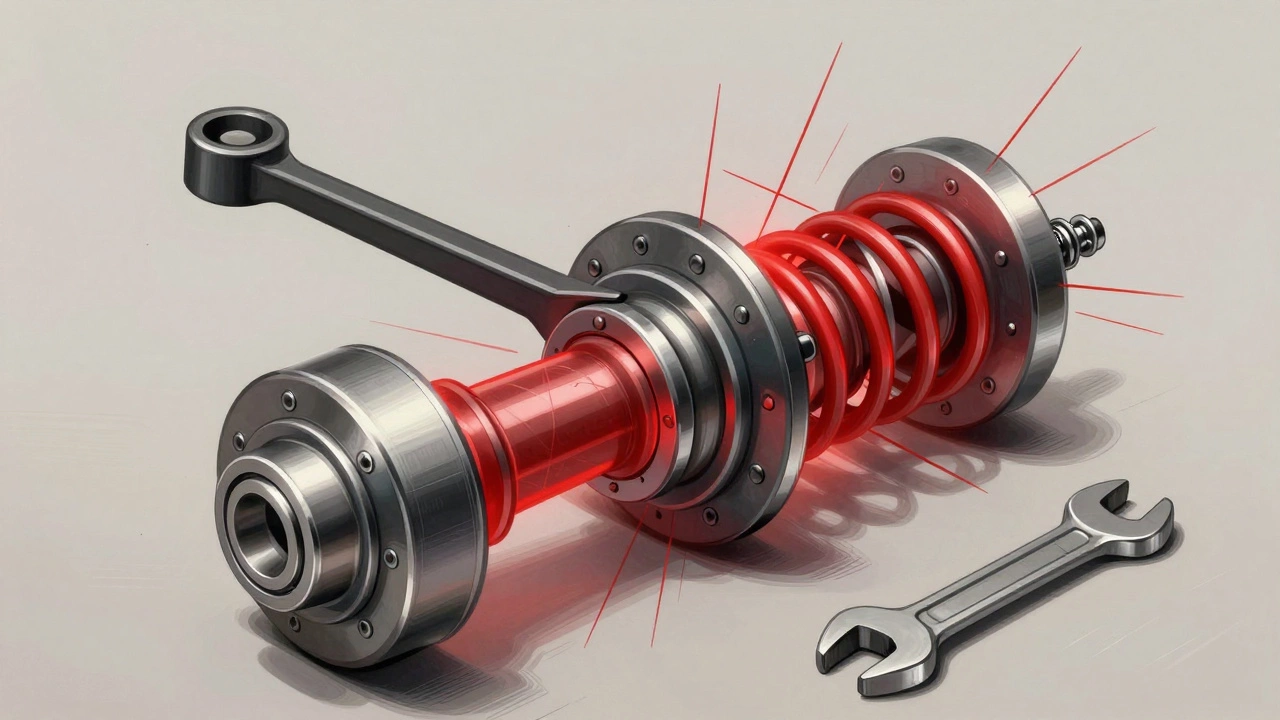
A wheel spacer is a metal or aluminum disc that bolts between your car’s hub and the wheel. It pushes the wheel outward, increasing the distance between the wheel and the body. A 2 inch spacer adds exactly that - two inches of offset. That’s not small. Most factory wheels have an offset between +35mm and +50mm. Adding 50mm (about 2 inches) changes the geometry dramatically.
These spacers come in two types: hub-centric and bolt-on. Hub-centric spacers have a center bore that matches your hub exactly. They transfer weight directly to the hub, not the studs. Bolt-on spacers rely entirely on lug nuts to hold everything together. If you’re using a 2 inch spacer, you must use hub-centric. Anything else is asking for trouble.
How spacers affect your suspension
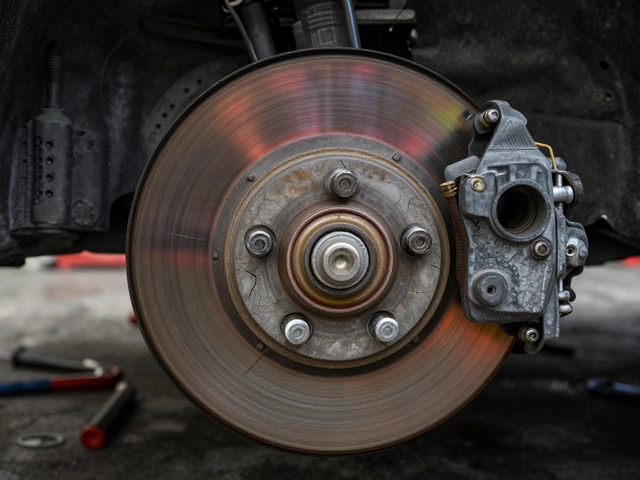
Your car’s suspension isn’t just springs and shocks. It’s a system of angles - camber, caster, and scrub radius - all tuned by the manufacturer. Adding 2 inches of spacer throws all of them off.
First, scrub radius increases. That’s the distance between where your tire touches the ground and the steering axis. A bigger scrub radius means more force gets transferred to your steering wheel. You’ll feel every bump, pothole, and uneven surface more intensely. At highway speeds, this can make the car feel twitchy. Some drivers report a "wandering" steering feel after installing thick spacers.
Second, your camber angle changes. The tire tilts inward or outward at the top. Factory camber is set for even tire wear and grip. Spacers don’t change camber directly, but they alter how the suspension moves under load. This can cause uneven tire wear - especially on the inside edge. One owner in Perth reported replacing tires every 12,000 km after installing 2 inch spacers. Before, they lasted 45,000 km.
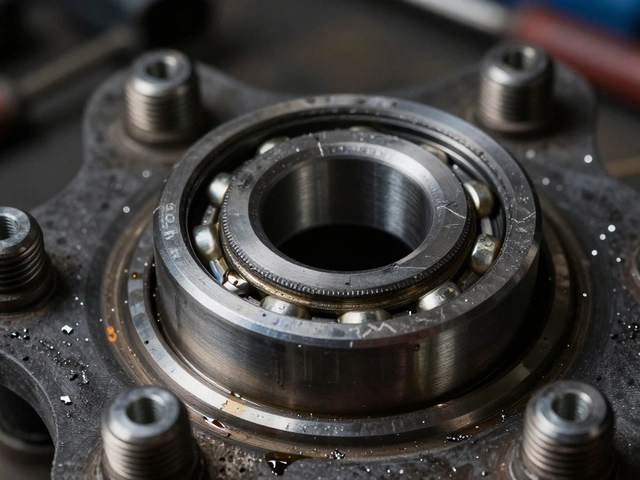
Third, the load on your wheel bearings increases. The farther the wheel is from the hub, the more leverage force acts on the bearing. Think of it like a crowbar. The longer the lever, the more stress. A 2 inch spacer can increase bearing load by 30-40%. Bearings aren’t designed for that. Many shops in Melbourne now refuse to install spacers over 1 inch because of this.
Are 2 inch spacers legal?
In Australia, wheel modifications are regulated by state road authorities. Most states allow up to 25mm (about 1 inch) of additional track width without requiring certification. Anything beyond that needs an engineer’s certificate. A 2 inch spacer adds 50mm - way over the limit. You won’t pass a roadworthy inspection unless you get paperwork signed off by a certified engineer. And even then, insurance companies might deny claims if they find unapproved modifications.
Some owners try to hide the modification. But during a routine inspection, mechanics check wheel alignment, tire clearance, and hub-to-wheel distance. Spacers are obvious. You can’t just bolt on a 2 inch spacer and hope no one notices.
What about tire rub and clearance?
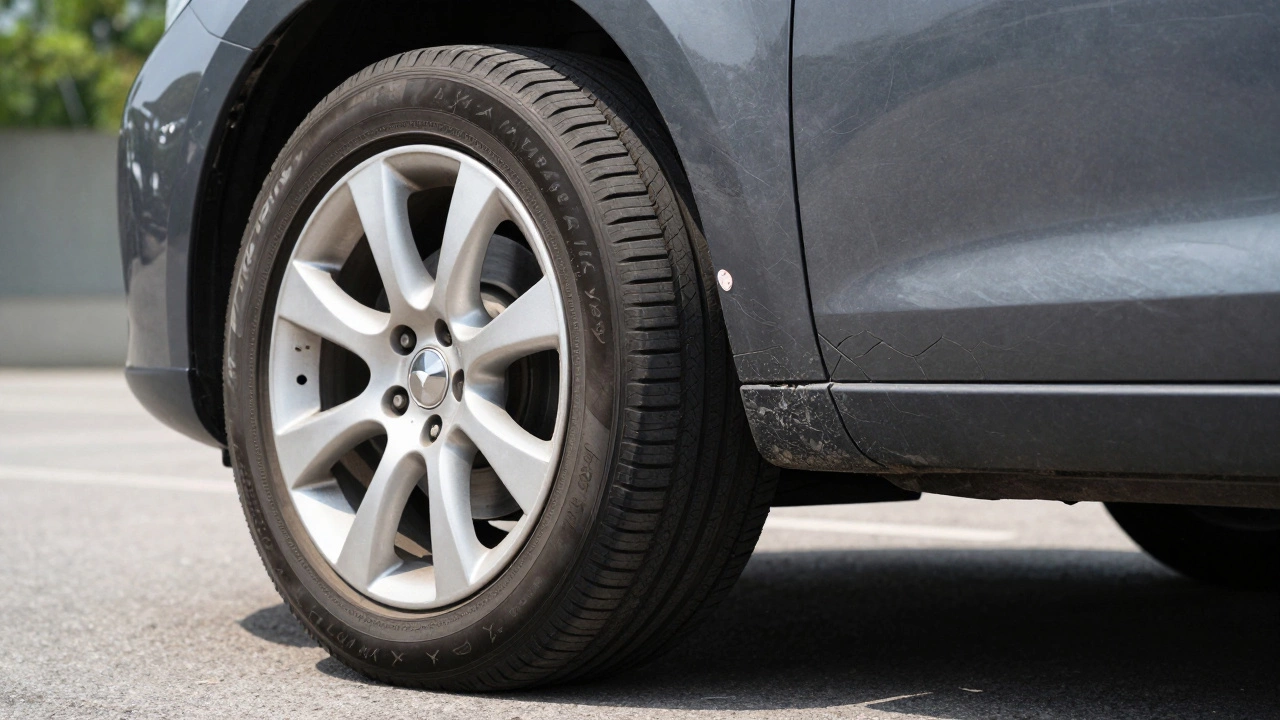
Even if your car looks fine on the driveway, things change when you hit a bump or corner. A 2 inch spacer can cause the tire to rub against the fender liner, suspension arm, or brake caliper. This isn’t just annoying - it’s dangerous. Rubber wears down, metal gets exposed, and eventually, you get a slow leak or a blowout.
One owner in Geelong installed 2 inch spacers on his Subaru WRX. At first, everything seemed fine. But after six months, he noticed a slow pressure drop. The tire was rubbing against the inner fender liner. The liner had worn through, and the tire’s sidewall was starting to fray. He replaced the tire and the liner - and removed the spacers.
Not all cars have the same clearance. SUVs and trucks handle spacers better. Sports cars? Not so much. If you’re running low-profile tires (like 225/40 or 245/35), you’re already riding close to the edge. Adding 2 inches? That’s asking for trouble.
What about wheel studs and lug nuts?
Spacers require longer lug nuts to reach through the spacer and engage the wheel. But here’s the problem: if you’re using stock studs, they might not be long enough. Even if they are, the threads are now exposed outside the wheel. That’s a weak point. Every time you hit a bump, the wheel moves slightly. That movement grinds away at the threads.
Some people upgrade to extended studs. But that adds another failure point. A stud that’s been welded or threaded into the hub can snap under stress. And if it does? You lose a wheel. Fast.
Hub-centric spacers help because they center the wheel and reduce movement. But even then, the load on the studs increases. A 2 inch spacer can reduce the effective thread engagement by 40%. That’s not enough to hold a 1,800 kg car.

Real-world failure stories
There’s a Facebook group for Australian car enthusiasts. In the last 18 months, there have been 17 reports of wheel separation or major damage linked to 2 inch spacers. One was a VW Golf that lost a rear wheel at 110 km/h on the M1. The driver lost control, hit a guardrail, and totaled the car. The spacer had cracked. The studs had sheared.
Another was a Mazda 3 with 2 inch spacers on all four corners. After 14 months, the front hub bearings failed. The mechanic said the load was 70% higher than design specs. He’d never seen bearings fail like that on a stock setup.
These aren’t rare. They’re predictable. Any engineer will tell you: increasing leverage on a component increases stress exponentially. Spacers aren’t magic. They’re mechanical trade-offs.
When are spacers safe?
Spacers under 1 inch, with hub-centric design, proper torque, and no tire rub? Those are generally fine. Many people use 5mm or 10mm spacers to fix minor clearance issues or improve stance without changing geometry.
But 2 inches? That’s not a tweak. That’s a full system modification. You’re not just moving the wheel. You’re changing how the entire suspension works. It’s like putting bigger tires on a compact car - it affects braking, steering, handling, and safety.
If you want that wide, aggressive look, there are better ways:
- Get wheels with negative offset (like -15mm or -20mm) - they’re designed for that stance
- Use wider wheels that match your factory offset
- Install a suspension kit that allows more track width without spacers
These options cost more upfront. But they’re engineered. They don’t risk your safety.
Bottom line
Are 2 inch spacers bad for your car? Yes. Not because they’re magic evil parts. But because they push your car’s components beyond their design limits. Bearings, studs, suspension geometry, tire clearance - they’re all compromised. And the risks aren’t theoretical. They’re documented. They’ve happened. To real cars. On real roads.
If you’re thinking about 2 inch spacers, ask yourself: Is the look worth risking your life? Because that’s what you’re betting on.
Can 2 inch spacers cause my wheel to fall off?
Yes, they can. The increased leverage puts more stress on wheel studs and lug nuts. If the studs are too short, the threads don’t engage enough, or the spacers aren’t hub-centric, the wheel can loosen over time. In extreme cases, this leads to complete wheel separation while driving. There are documented cases of this happening in Australia, especially with bolt-on spacers or improper installation.
Do 2 inch spacers affect fuel economy?
Indirectly, yes. The added weight and aerodynamic drag from sticking wheels out further can reduce fuel efficiency by 2-5%. That’s not huge, but over time, it adds up. More importantly, uneven tire wear from altered geometry forces your engine to work harder, which also lowers efficiency.
Are 2 inch spacers legal in Australia?
In most states, no. Roadworthiness standards limit track width increases to 25mm (about 1 inch) without certification. A 2 inch spacer adds 50mm, which exceeds this limit. You’d need an engineer’s certificate and inspection to make it legal. Even then, your insurance may not cover damage if the modification is deemed unsafe.
Do I need longer lug nuts with 2 inch spacers?
Yes, you do. But that’s not enough. Longer nuts don’t fix the underlying issue: reduced thread engagement. Stock studs may not even reach through the spacer. Even if they do, the exposed threads are vulnerable to wear and shear. Using extended studs adds another potential failure point. Hub-centric spacers help, but they don’t eliminate the risk.
Will 2 inch spacers damage my suspension?
Not immediately, but over time, yes. The extra leverage increases stress on wheel bearings, control arms, and ball joints. Bearings can fail 30-40% faster. Suspension components wear unevenly. Many mechanics report premature failure on cars with thick spacers, especially under heavy loads or rough roads.
What’s a safer alternative to 2 inch spacers?
Use wheels with the right offset. Instead of adding spacers, choose wheels designed to sit farther out - like -15mm or -20mm offset. These are engineered to work with your suspension geometry. You get the aggressive look without the risks. You can also consider a suspension upgrade that allows more track width safely.