Car Interior Aesthetic Cost Estimator
Calculate your total cost for simple, effective car interior upgrades based on the article's recommendations. Select options below to see how much your aesthetic transformation will cost.
Upgrade Options
Choose 3-4 items for best results
Your Total Cost
Most people think making a car look aesthetic means adding neon lights or wrapping the whole thing in carbon fiber. But the real magic happens inside. A well-styled car interior doesn’t scream for attention-it pulls you in. It feels calm, intentional, and just right. You know the kind: soft lighting, clean lines, materials that feel expensive even if they weren’t. You’ve seen it in photos, maybe in a friend’s car, and you wonder how they did it. The answer isn’t a big budget. It’s smart choices.
Start with the basics: cleanliness and texture
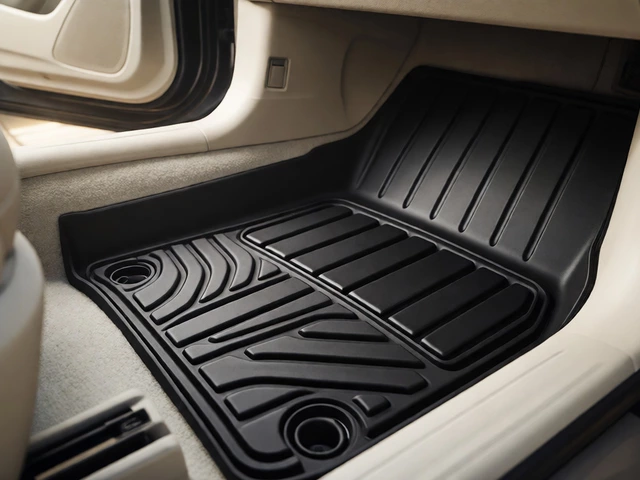
Before you buy a single accessory, you need to reset the foundation. A dirty, dusty, or stained interior will ruin even the most expensive upgrades. Wash your seats with a pH-balanced cleaner designed for automotive fabric or leather. Use a microfiber cloth to wipe down every surface-dash, center console, door panels. Pay attention to the gaps. Crumbs, dust, and grime collect there and make everything look neglected. Vacuum thoroughly, including under the seats. If your floor mats are worn or stained, replace them. Rubber mats with textured patterns look better than cheap plastic ones. A clean interior isn’t glamorous, but it’s the first step to looking premium.
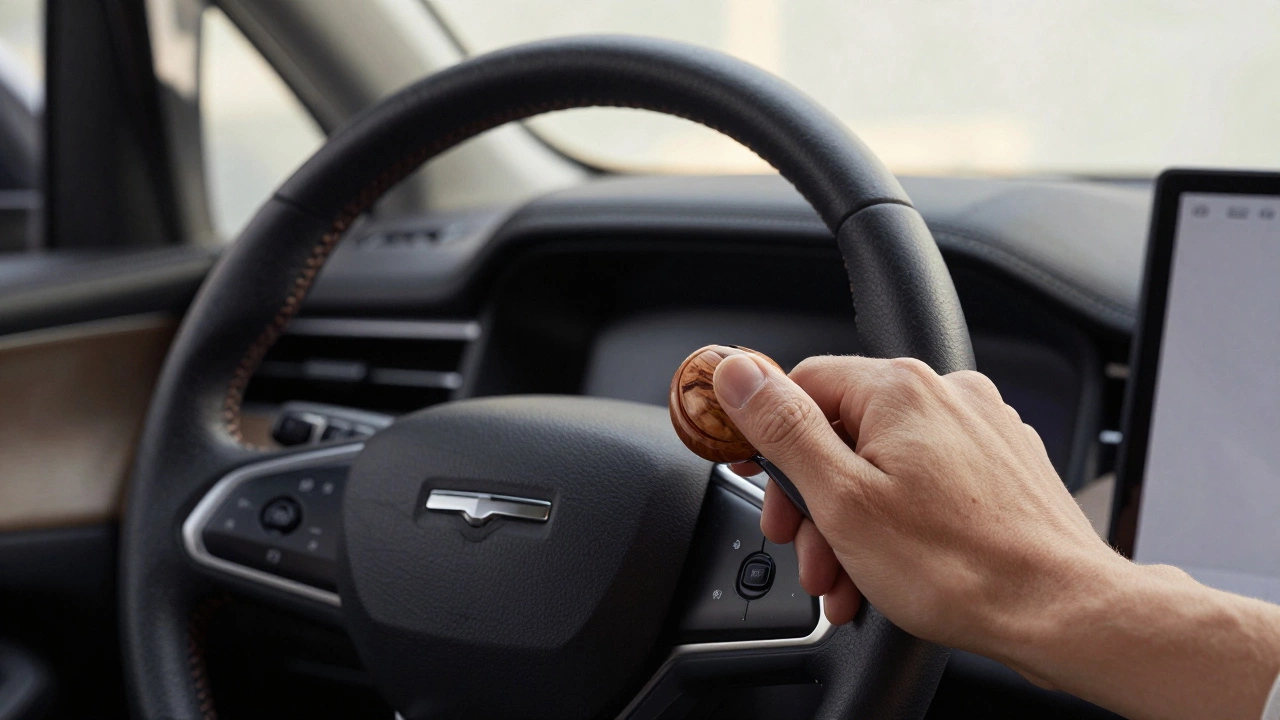
Swap out the gear shift knob and steering wheel cover
These are two of the most touched surfaces in your car. They’re also the easiest to upgrade. A plain plastic gear shift knob feels cheap. Replace it with one made from real leather, aluminum, or even walnut wood. You can find them online for under $50. Same with the steering wheel. A simple leather wrap adds grip, reduces glare from the sun, and feels way more luxurious. Look for ones with stitched edges-they last longer and look handmade. Don’t go for overly flashy designs. A subtle texture or a single color that matches your seats does more than a glowing RGB knob.
Lighting changes everything
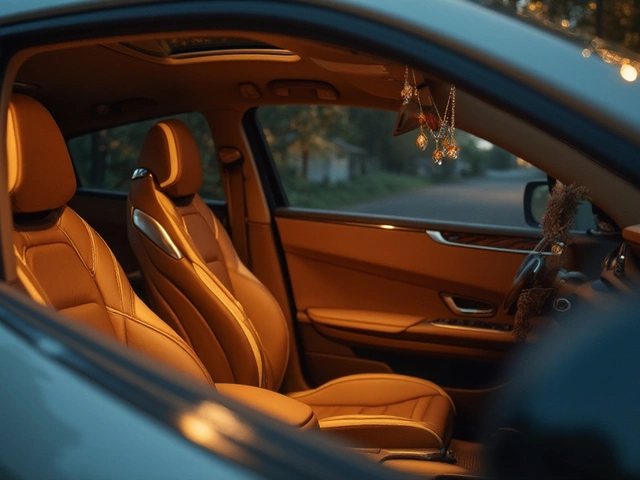
Factory interior lighting is usually harsh and blue-white. It’s functional, not atmospheric. Upgrade to RGB LED strips you can install under the dash, along the door panels, or around the footwells. You don’t need to buy the most expensive kit. Look for ones with app control so you can pick colors and brightness levels. Set it to a soft amber at night-it mimics candlelight and makes the cabin feel warm. Avoid cool white or purple. They make the space feel clinical or like a video game. Pro tip: install a dimmer switch so you can adjust brightness on the fly. Too bright at night? Dull it. The goal isn’t to light up the whole car. It’s to create a gentle glow that highlights textures without glare.
Choose materials that work together
One of the biggest mistakes people make is mixing too many textures. You can’t just slap on a carbon fiber dash trim, a faux suede headliner, and a metallic gear knob and call it aesthetic. It looks like a thrift store exploded. Stick to two or three materials max. For example: leather seats + brushed aluminum accents + matte black vents. Or cloth seats + wood trim + black headliner. Each material should complement the others, not compete. If your seats are black leather, don’t add white stitching unless it’s subtle. If your dash is glossy, avoid shiny trim pieces-they’ll reflect too much light. Consistency matters more than variety.
Remove clutter. Seriously.
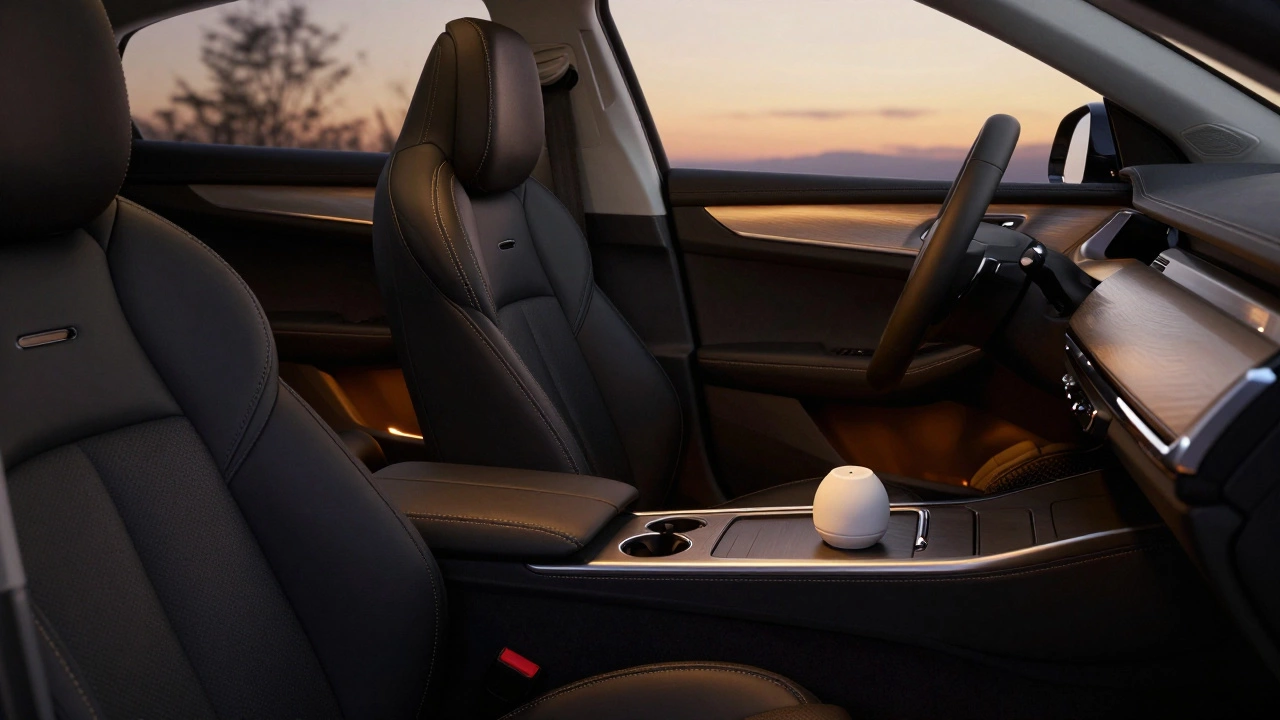
That phone mount, the air freshener hanging from the mirror, the five different chargers in the center console, the half-empty water bottle wedged under the seat-they all kill the vibe. Aesthetic interiors look empty, not sparse. Keep only what you use daily. Hide the charging cables. Use a hidden compartment or a magnetic mount for your phone. Ditch the plastic air fresheners. Try a wooden scent diffuser or a small ceramic one that sits flat on the dash. If you need to carry things, use a slim, leather-wrapped organizer that tucks neatly into the door pocket. Less is more. Every object you leave out there has to earn its place.
Upgrade the headliner
This is one of the most overlooked parts of the interior. The headliner is the fabric on the ceiling. Most factory ones are cheap, stretched-out, and stained from sun exposure. Replacing it with a suede or Alcantara material instantly elevates the feel. It’s soft to the touch, absorbs sound, and looks like something in a luxury sedan. You can buy a DIY kit for under $100. It takes a weekend, but it’s not hard. Just remove the old one, clean the frame, and glue the new material on. No tools needed beyond a staple gun and a utility knife. The difference is startling. People notice it the moment they sit down.
Use scent strategically
Smell is powerful. A car that smells like new plastic or stale fast food won’t feel premium, no matter how clean it is. Pick one signature scent and stick with it. Avoid overpowering perfumes. Look for natural oil-based diffusers-things like sandalwood, cedar, or vetiver. They’re subtle and long-lasting. Place the diffuser where it won’t get direct sunlight or blow from the vents. A small wooden block on the dash or a ceramic disc under the seat works better than a hanging air freshener. The scent shouldn’t announce itself. It should linger, just enough to make you feel relaxed.
Don’t forget the windows
Window tint isn’t just for privacy. It changes how light enters the cabin. A light 35% tint reduces glare, blocks UV rays, and makes the interior look more cohesive. Darker tints look cool, but they make the cabin feel closed off. A light tint lets natural light in while cutting the harshness. Pair it with clean, clear window seals. Cracked or yellowed rubber around the windows looks aged. Replace them if they’re worn. It’s cheap and makes the whole car feel newer.
Final touch: the little details
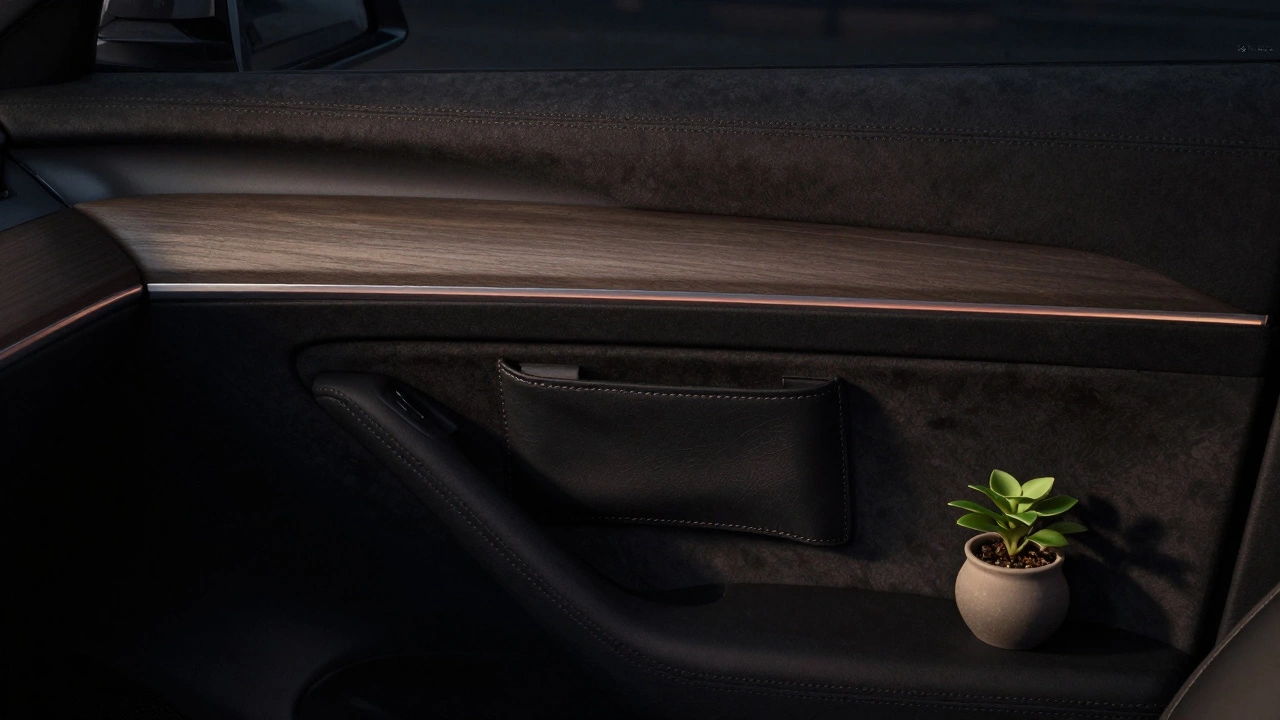
Here’s what separates a good interior from a great one: the tiny things. A neatly folded blanket in the trunk. A single plant in a small ceramic pot on the passenger side. A leather-wrapped key fob. A custom-engraved license plate frame with your initials. These aren’t flashy. They’re personal. They say you care. Don’t overdo it. One or two personal touches are enough. Too many and it looks like a museum of random junk. Let each item have space to breathe. The goal isn’t to fill the space. It’s to make it feel lived-in, not mass-produced.
Do I need to spend a lot of money to make my car interior look aesthetic?
No. Many of the biggest improvements cost under $100. Cleaning, replacing floor mats, upgrading the gear shift knob, and adding LED lighting can transform your car without breaking the bank. The key isn’t price-it’s consistency. Choosing a few high-quality pieces that match your car’s style matters more than buying ten cheap ones.
Can I do this myself, or should I hire a professional?
Most upgrades are DIY-friendly. Replacing floor mats, wrapping the steering wheel, installing LED strips, and changing the headliner are all doable with basic tools and a weekend. The only thing that usually needs a pro is professional window tinting or full leather reupholstery. Even then, you can save money by doing prep work yourself-cleaning, removing old parts, and measuring.
What colors work best for an aesthetic interior?
Neutral tones work best: black, gray, tan, and deep navy. These colors hide dirt, reduce glare, and feel timeless. If you want contrast, use one accent color-like a single stitch in cream or copper trim. Avoid bright colors like red, neon green, or electric blue unless your car is a showpiece. They distract from the overall calm vibe.
How long do these upgrades last?
Quality materials last years. A good leather wrap on the steering wheel can last 5+ years with regular cleaning. LED strips last 30,000+ hours. Headliners made from Alcantara or suede hold up well if you avoid direct sun. The biggest killer is poor installation. If something’s glued wrong or stretched too tight, it’ll peel or sag. Take your time. Rushing leads to short-lived results.
Should I match my interior to my car’s exterior color?
Not necessarily. A black car can have a tan interior. A white car can have a charcoal headliner. The goal is harmony, not matching. Think about contrast and mood. A dark exterior with a light interior feels spacious. A light exterior with a dark interior feels cozy. Choose based on how you want the cabin to feel, not what the outside looks like.