Air Filter Cost Comparison Calculator
Your Driving Data
Results
Most car owners never think about their air filter until the check engine light comes on. But if you’re looking to squeeze more power, improve throttle response, or just keep your engine running clean for longer, the type of air filter you use matters more than you think. There’s a big difference between the factory air filter your car came with - known as an OEM filter - and a performance air filter you might buy online or at a tuning shop. And not all upgrades are created equal.
What Is an OEM Air Filter?
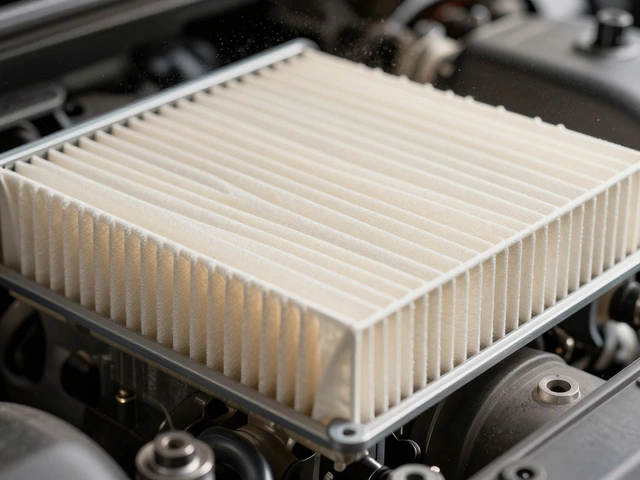
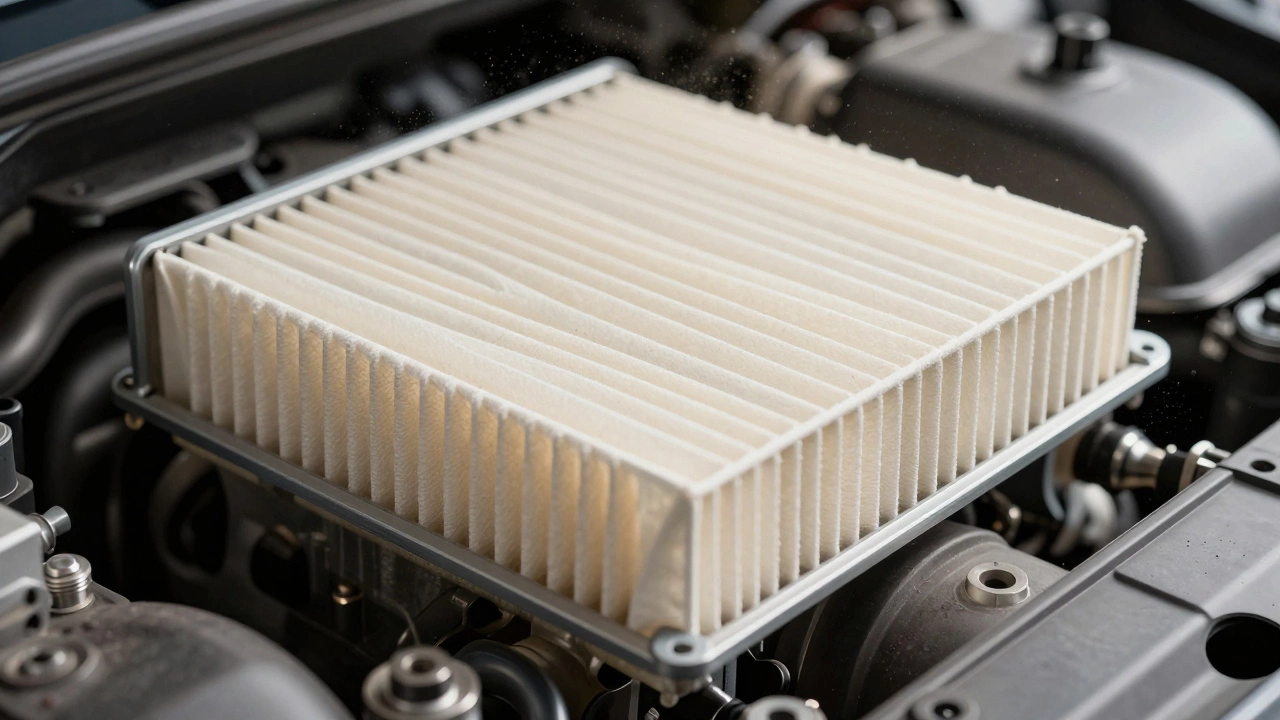
OEM stands for Original Equipment Manufacturer. That means the air filter in your car right now was installed by the carmaker before you drove it off the lot. It’s designed to meet the exact airflow and filtration specs the engine engineers tested and approved. These filters are usually made from pleated paper or synthetic fibers, housed in a rigid plastic or metal housing, and sealed tightly to prevent unfiltered air from sneaking in.
Here’s the reality: OEM filters are built for reliability, not performance. Their job isn’t to let in more air - it’s to catch every single speck of dust, pollen, and road grit that could damage your engine. A typical OEM filter can trap particles as small as 5 microns. That’s fine for daily driving, but it also restricts airflow. That restriction is intentional. Too much airflow without proper tuning can throw off the air-fuel ratio, hurt emissions, and even cause engine damage.
Most OEM filters are disposable. You’re supposed to replace them every 12,000 to 15,000 miles, or once a year, whichever comes first. Some manufacturers recommend more frequent changes if you drive in dusty areas - like rural roads or construction zones. If you’re not keeping up with replacements, your engine is working harder than it should.
What Is a Performance Air Filter?
Performance air filters are designed with one goal: to let more air into your engine. They’re often made from cotton gauze, foam, or synthetic materials that are washable and reusable. Brands like K&N, AEM, and Injen dominate this space. These filters are usually shaped to fit your factory housing or come as part of a full cold air intake system.
Unlike paper filters, performance filters use an oil-coated layer to trap dirt. The oil helps catch fine particles while allowing more air to pass through. That’s why they’re rated for higher airflow - sometimes up to 50% more than OEM filters. But here’s the trade-off: they don’t filter as finely. Most performance filters capture particles around 10 to 15 microns, meaning they let in more dust than a paper filter would.
Because they’re reusable, you clean and re-oil them every 30,000 to 50,000 miles, depending on driving conditions. In dusty areas like the Australian outback or dirt-road-heavy suburbs, you might need to clean them every 15,000 miles. That sounds like a hassle, but over time, you save money - no more buying new filters every year.
Performance vs. OEM: The Real Differences
Let’s cut through the marketing hype. Performance air filters don’t magically turn your four-cylinder into a V8. But they do make measurable changes - if you know what to look for.
Here’s how they stack up:
| Feature | OEM Air Filter | Performance Air Filter |
|---|---|---|
| Material | Pleated paper or synthetic | Cotton gauze, foam, or synthetic |
| Filtration Efficiency | 99%+ for particles 5+ microns | 95% for particles 10+ microns |
| Airflow Increase | Low (factory-rated) | Up to 50% higher |
| Lifespan | 12,000-15,000 miles | 30,000-50,000 miles (cleanable) |
| Cost Over 100,000 Miles | $100-$200 (replacements) | $50-$100 (one-time purchase) |
| Engine Protection | Excellent | Good - with proper maintenance |
| Warranty Impact | None | May void if not installed correctly |
That airflow gain? In real-world terms, it’s about 1 to 5 horsepower on most stock engines. You won’t feel it unless you’re pushing the car hard. But you might notice smoother acceleration, especially at higher RPMs. In turbocharged cars, the difference is more noticeable because turbos thrive on airflow.
And yes, performance filters can make your engine sound a little louder - not because they’re louder, but because they let more sound through the intake tract. Some people like that growl. Others find it annoying.
Does a Performance Air Filter Actually Improve Fuel Economy?
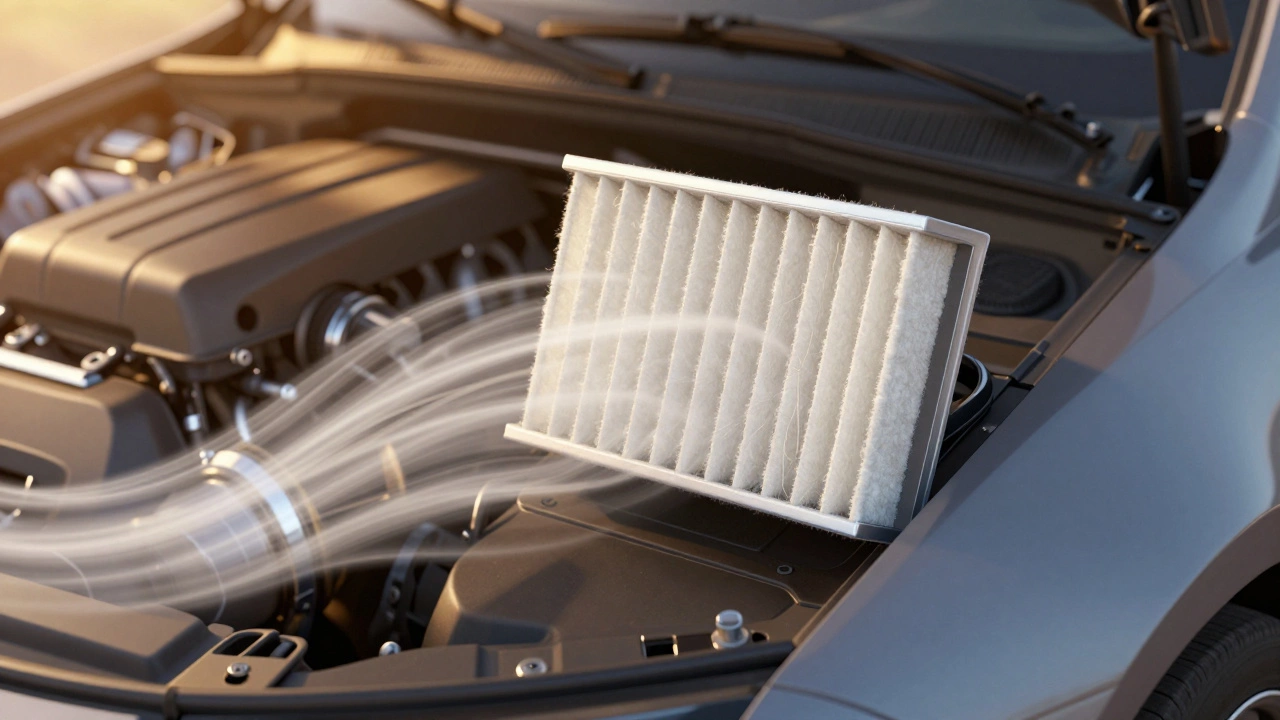
Some brands claim you’ll get better gas mileage. The theory is simple: less restriction = less work for the engine = better efficiency. And in theory, that’s true.
But in practice? The gains are tiny. A 2019 study by the Society of Automotive Engineers found that performance filters improved fuel economy by an average of 0.5% to 1.2% in naturally aspirated engines under ideal conditions. That’s maybe half a liter saved over 1,000 kilometers. In real driving - with traffic, hills, and air conditioning - that number drops to near zero.
Don’t buy a performance filter to save on fuel. Buy it for longevity, sound, or the feeling of a more responsive throttle.
Who Should Use a Performance Air Filter?
Not everyone needs one. Here’s who benefits:
- You drive in clean, urban areas and want a long-term, cost-saving solution.
- You’ve modified your engine (exhaust, tune, turbo) and need more airflow to match.
- You’re tired of replacing paper filters every year and don’t mind cleaning one every few months.
- You like the sound of your engine and want a subtle performance upgrade.
Here’s who should stick with OEM:
- You drive in dusty, rural, or off-road conditions regularly.
- Your car is under warranty and you don’t want to risk a denial.
- You’re not planning any other engine mods - the small power gain isn’t worth the risk.
- You want maximum protection for a high-mileage engine.
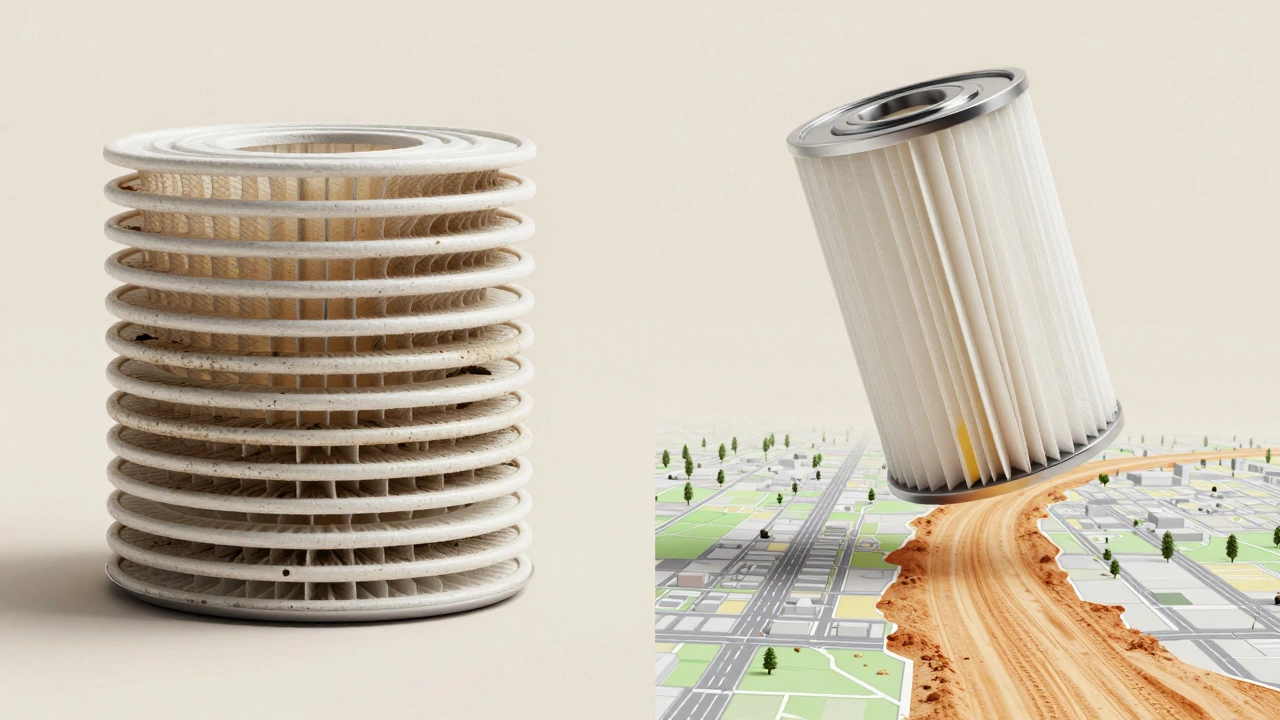
What About “Zero Resistance” or “Cone” Filters?
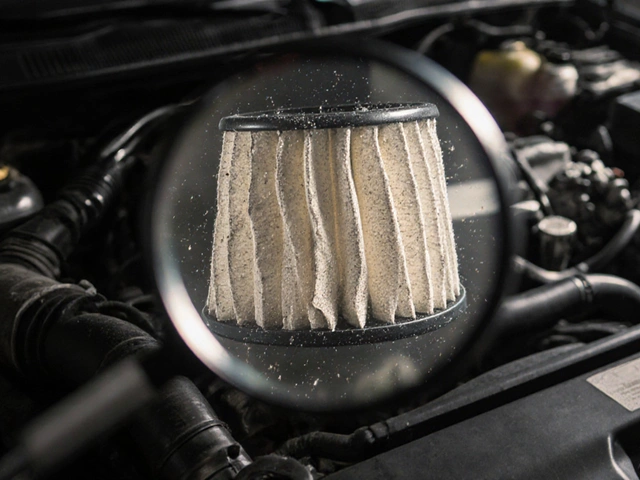
You’ve probably seen ads for those big, open cone filters that replace your entire airbox. They look cool, sound aggressive, and promise big gains. But here’s the truth: they often pull in hot air from the engine bay, which is denser and less efficient than cool, outside air.
A true performance upgrade isn’t just the filter - it’s the whole intake system. A cold air intake kit moves the filter outside the engine bay, often near the fender or bumper, where air is cooler and denser. That’s where real gains happen - not just from the filter material, but from better air temperature and smoother airflow paths.
Stick with a drop-in filter if you want a simple, safe upgrade. Go for a full cold air intake only if you’re serious about performance and understand the trade-offs.
Common Mistakes to Avoid
People mess up performance filters in predictable ways:
- Over-oiling: Too much oil can clog the MAF sensor and trigger check engine lights. Follow the manufacturer’s instructions - usually a light, even coat.
- Under-cleaning: If you skip cleaning for 60,000 miles, you’re just turning your filter into a dirt trap. That kills airflow and defeats the purpose.
- Ignoring the MAF sensor: Performance filters can release tiny oil particles that coat the Mass Air Flow sensor. Clean it every time you service the filter.
- Buying cheap knockoffs: Some online filters look like K&N but use inferior materials. They don’t last, don’t filter well, and can damage your engine.
Final Verdict: Is It Worth It?
Performance air filters aren’t a magic bullet. They won’t turn your Corolla into a sports car. But they’re one of the few upgrades that actually deliver on their promises - if you do them right.
If you drive in clean conditions, want to save money long-term, and don’t mind a little extra engine noise, a performance filter makes sense. It’s a low-risk, high-reward mod that lasts for years.
If you drive off-road, live in a dusty area, or your car is under warranty, stick with OEM. The extra protection is worth the cost.
And if you’re thinking about a full intake system? Do your research. A good cold air intake can add 10-15 horsepower. A bad one can cost you more in repairs than you saved on filters.
Do performance air filters increase horsepower?
Yes, but only slightly - usually 1 to 5 horsepower on stock engines. The real gains come when paired with other modifications like a free-flowing exhaust or a tuned ECU. On turbocharged engines, the difference is more noticeable because turbos rely heavily on airflow.
Can a performance air filter damage my engine?
Not if you maintain it properly. The main risk comes from over-oiling, which can coat the MAF sensor and cause engine misfires. Cheap, low-quality filters may also let in too much dirt. Stick with reputable brands like K&N or AEM, clean the filter regularly, and follow the oiling instructions exactly.
How often should I clean a performance air filter?
Every 30,000 to 50,000 miles under normal driving. If you drive in dusty, sandy, or off-road conditions - like in the Australian outback - clean it every 15,000 miles. Always inspect it visually; if it looks dark and clogged, it’s time to clean it.
Will a performance air filter void my car’s warranty?
It can. Under the Magnuson-Moss Warranty Act in the U.S., manufacturers can’t void your entire warranty just because you installed an aftermarket part. But if your engine fails and they prove the filter caused it - like by letting in too much dirt or fouling the MAF sensor - they can deny that specific repair. In Australia, consumer law is similar. Always check your warranty terms before installing.
Are reusable air filters better for the environment?
Yes, in the long run. A single performance filter can replace 5 to 10 disposable OEM filters over its lifetime. That means less waste in landfills and fewer resources used to manufacture new paper filters. Plus, the cleaning process uses minimal water and biodegradable cleaner.
If you’re unsure, start with a drop-in performance filter. It’s the easiest upgrade with the least risk. And if you’re ever in doubt about your filter’s condition - just pull it out and look. A dirty filter is a lazy filter. Clean it, or replace it. Your engine will thank you.