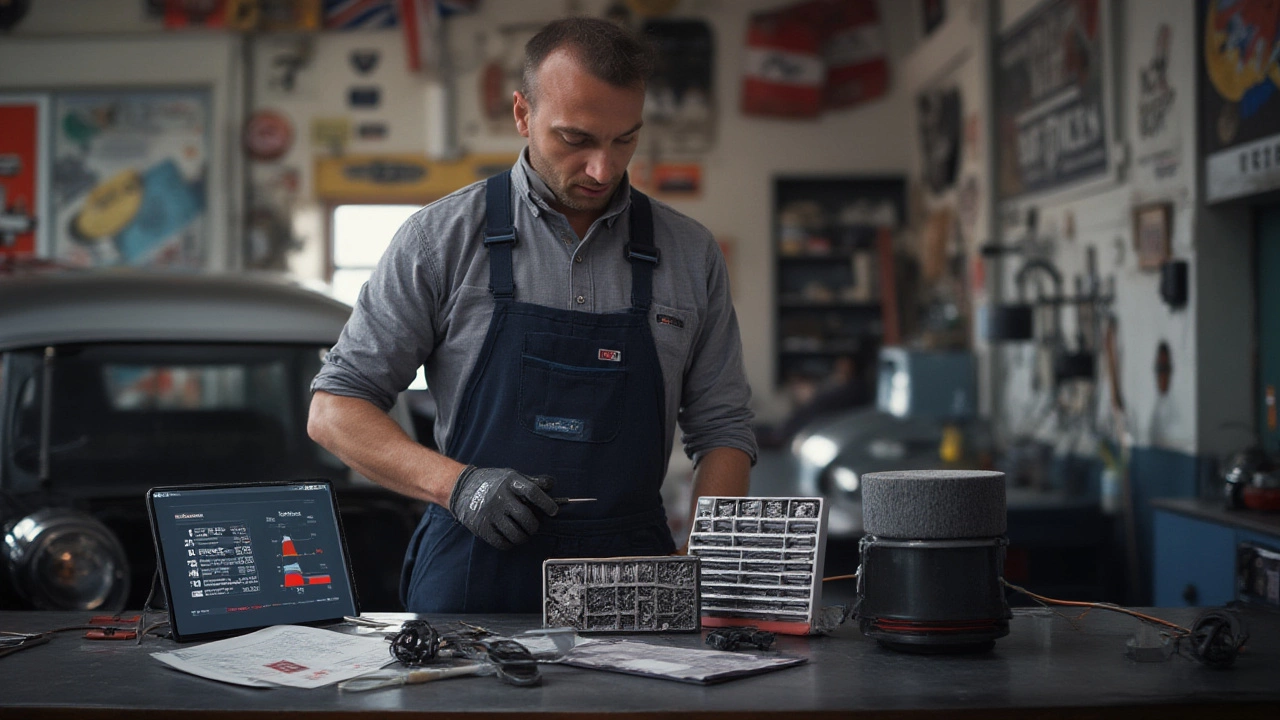
Performance Air Filter: What It Does and Why You Might Want One
Ever wonder why some car owners brag about a new air filter? It’s not just a cheap swap. A performance air filter lets more clean air into the engine, which can mean a bit more power and a livelier feel when you press the gas.
How a Performance Air Filter Affects Your Engine
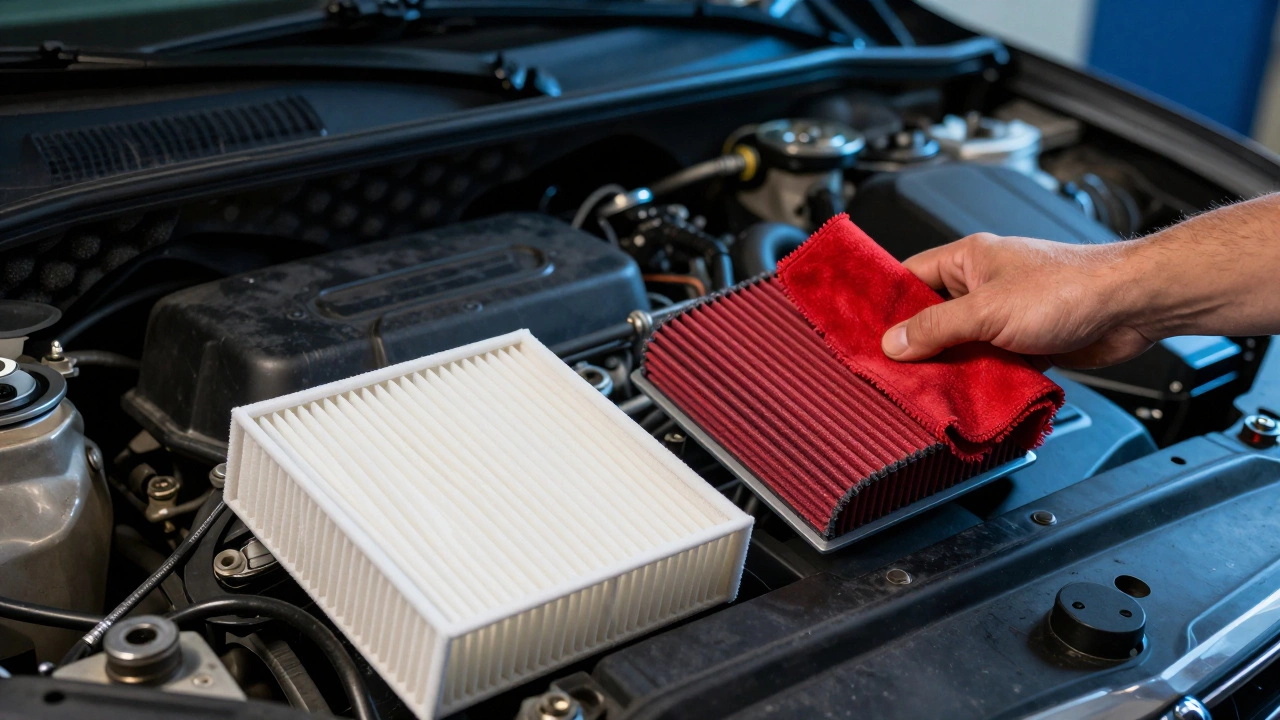
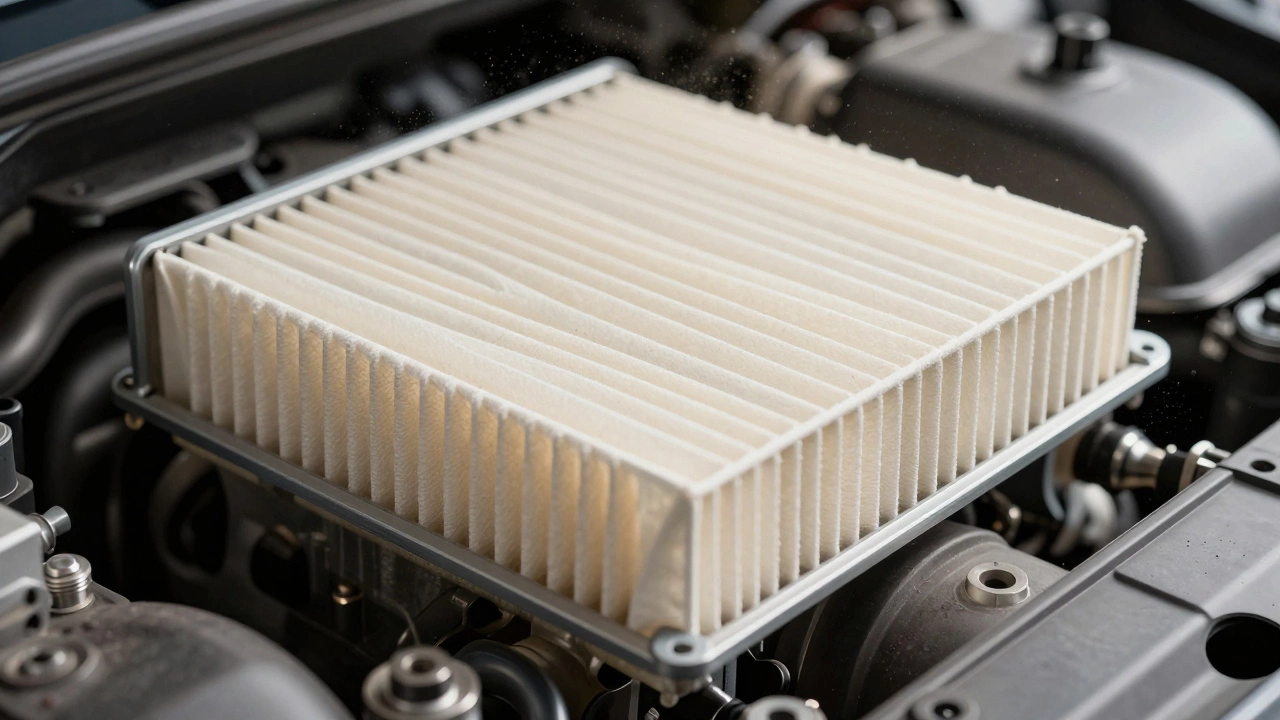
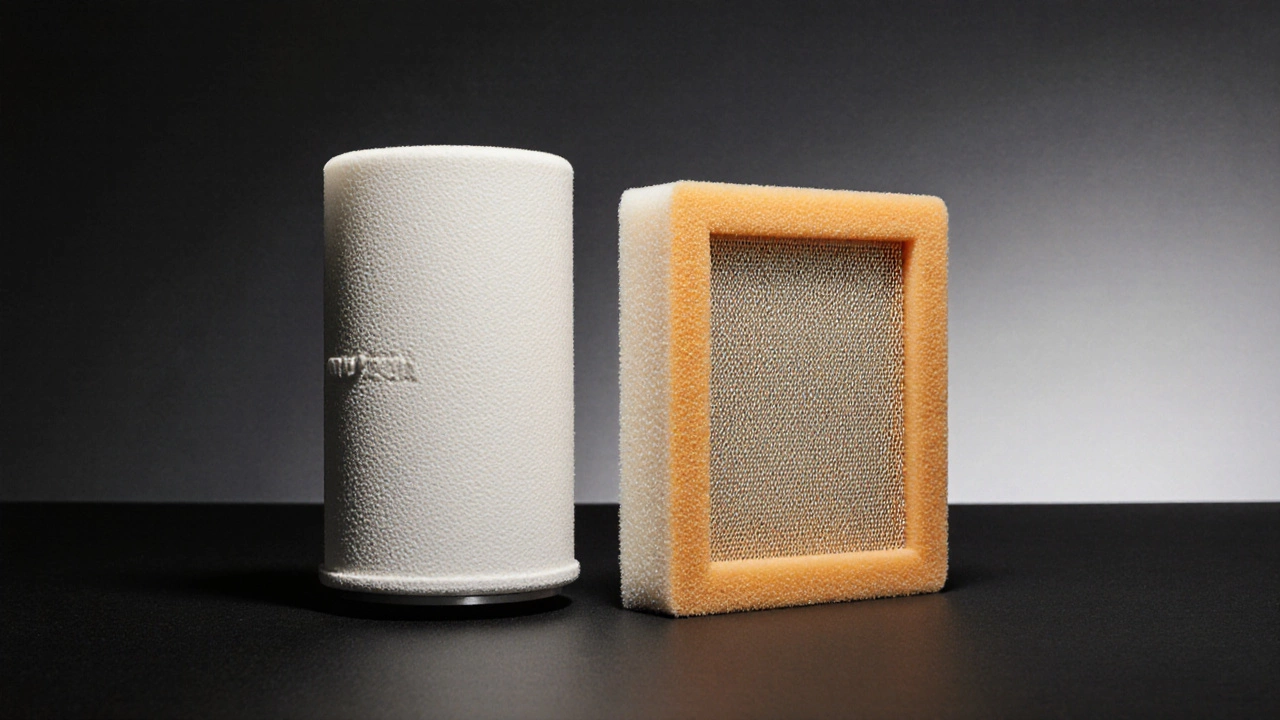
The stock filter is designed to protect the engine while keeping the airflow tight. That tightness limits how much air can rush in, especially at high revs. A performance filter uses a looser media—usually cotton or foam—so the engine breathes easier. More air + the right amount of fuel = a small power bump, usually 5‑10% on a typical road car.
Besides the power gain, many drivers notice quicker throttle response. When you lift off the clutch, the engine doesn’t have to “catch up” with a starving air supply. The result feels smoother and a bit more eager, especially on a hot day where the stock filter can get clogged faster.
Choosing the Right Filter for Your Ride
Not every performance filter is the same. Look for a brand that offers a reusable design and fits your exact model. Reusable filters let you wash and re‑oil them, saving money over time. If you prefer a drop‑in replacement, make sure the filter’s flow rating matches or exceeds the OEM spec.
Check the filtration rating, too. Some high‑flow filters sacrifice a bit of dust protection. If you drive on dusty roads, you might want a filter that balances flow and filtration. Reading a few user reviews can give you a real‑world sense of how the filter holds up.
Installation is usually a simple snap‑in. Most filters use the same housing as the stock part, so no extra brackets or tools are needed. Just open the housing, pull out the old filter, drop the new one in, and close it back up. Make sure the seal is snug; a loose fit can let unfiltered air in.
After you’ve installed the filter, a quick “air‑on‑the‑fly” tune isn’t required for most everyday cars. The engine control unit will adjust fuel on its own. However, if you have an aftermarket ECU or a performance chip, you may see a small boost in numbers after a short re‑learn.
Maintenance is the part where reusable filters shine. Wash the filter with mild soap and water, let it dry completely, then apply a thin coat of filter oil. The oil helps catch dust while keeping the media open for airflow. Most manufacturers recommend cleaning every 500‑1,000 miles, but you can go longer if you drive mostly on highways.
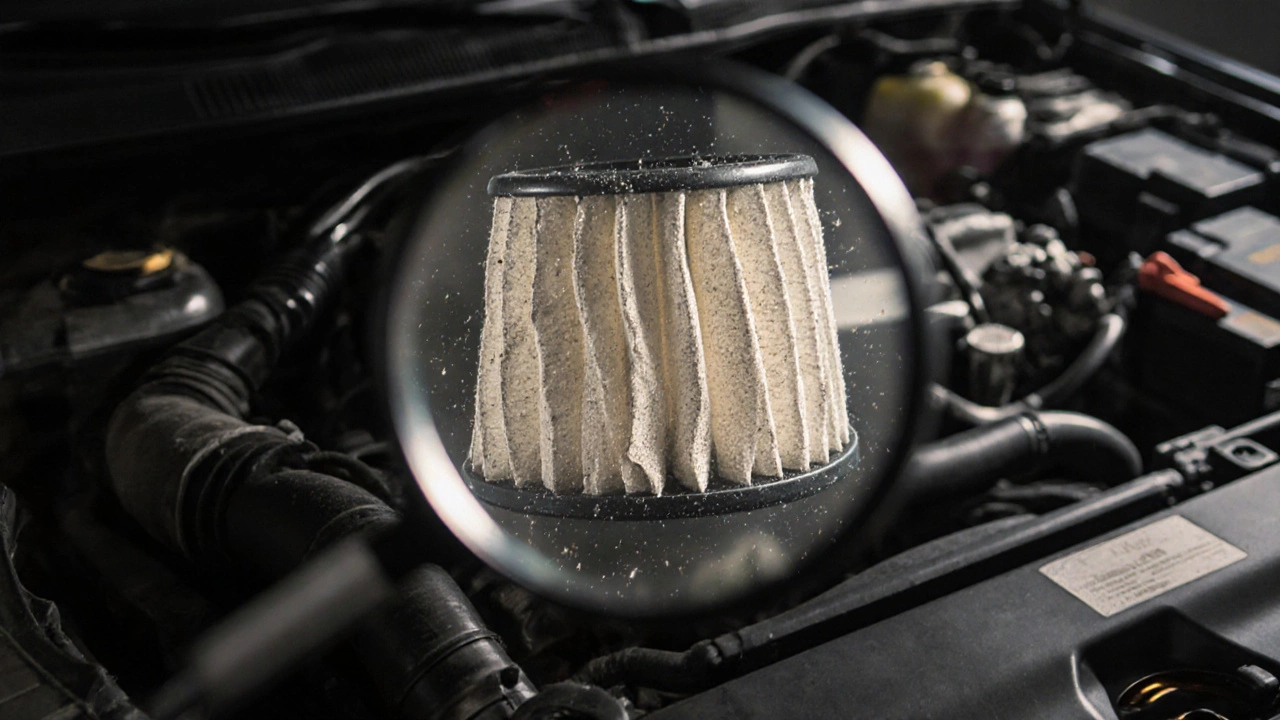
Finally, keep an eye on performance. If you notice a loss of power or a strange engine sound after a few weeks, the filter might be overloaded with debris. A quick clean usually fixes it. If the problem persists, double‑check the filter’s fit and consider switching back to a stock filter for a test.
In short, a performance air filter is a low‑cost way to give your car a modest power lift and a more responsive feel. Choose a reputable brand, install it correctly, and keep it clean, and you’ll enjoy the benefits without any major hassle.
OEM air filters prioritize filtration over airflow, while performance filters boost engine breathing with reusable designs. Learn the real differences in power, cost, maintenance, and engine protection.
Higher priced air filters offer minimal performance gains for most cars and can increase engine risk. Learn why OEM filters are smarter for daily drivers and who actually benefits from aftermarket upgrades.
Explore the pros and cons of dry versus oiled air filters, covering performance, maintenance, cost, and ideal use cases to help you pick the right filter for your ride.
Explore if pricey high‑flow car air filters deliver real performance, fuel‑economy, and durability benefits, and learn when they’re worth the upgrade.
Not all car air filters are built the same. This article breaks down what really separates a cheap filter from a pricey one, looking at materials, performance, and long-term value. You'll find out how the right filter impacts your engine, wallet, and even the air you breathe inside your car. Get clear advice on when spending more actually pays off. Real-life tips and honest facts—no nonsense.
Thinking of swapping your stock filter for a K&N? This article looks at the upsides and downsides of K&N filters, with real experiences from car owners and mechanics. Get the facts on performance gains, maintenance, cost, and long-term reliability. Find out if a reusable cotton filter really changes the way your car runs, and what you need to watch out for if you’re considering the switch. No sugarcoating—just practical advice.
K&N filters are famous for boosting airflow, but lots of drivers worry they might mess with the car’s MAF sensor. This article breaks down what actually happens when you use oiled filters like K&N, how the MAF sensor works, and what real-world data says about filter problems. You’ll get practical tips on avoiding issues and learn when K&N filters make sense for your ride. Get clear facts instead of hype or myths. If you’re thinking about upgrading your air filter, this is the guide you need.
Performance air filters can subtly influence the sound of a vehicle's exhaust system. While their primary role is to improve engine airflow and efficiency, they can cause a slight change in the exhaust note under certain conditions. This article explores how air filters interact with the exhaust system and what modifications can lead to noticeable changes in sound. We also offer insights into whether investing in performance air filters is beneficial for those seeking a different auditory experience from their vehicle.