Intake Noise Simulator
Select a modification type to simulate the change in engine noise volume and character compared to your stock system.
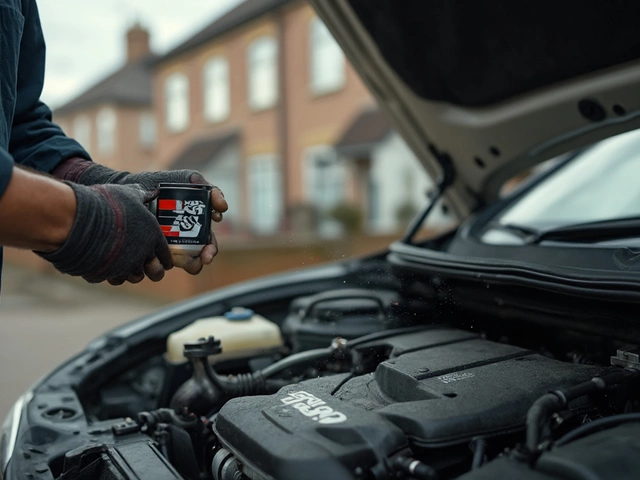
You swap out your stock air box for a shiny new performance air filter, expecting that aggressive, muscular roar you hear in YouTube videos. You start the engine, rev it, and... nothing much changes. Or maybe you hear a faint whoosh. So, does a performance air filter actually make a car louder? The short answer is: usually no, not significantly. But the long answer involves understanding how engines breathe, where sound comes from, and why marketing often gets ahead of physics.
If you are looking to change the personality of your car’s sound, buying a drop-in filter alone will likely disappoint you. However, if you want to understand what *does* create that intake noise and how filters fit into the equation, we need to look under the hood-literally.
The Physics of Engine Sound
To understand why a filter might or might not change the volume, we first have to look at where engine noise originates. An internal combustion engine creates sound through three main channels: the exhaust system, the intake system, and mechanical vibrations.
The exhaust is the big one. It carries high-pressure gases away from the cylinders. When those gases exit the tailpipe, they create pressure waves that our ears perceive as sound. This is why mufflers exist-to dampen those waves. If you want a louder car, modifying the exhaust is the most direct route.
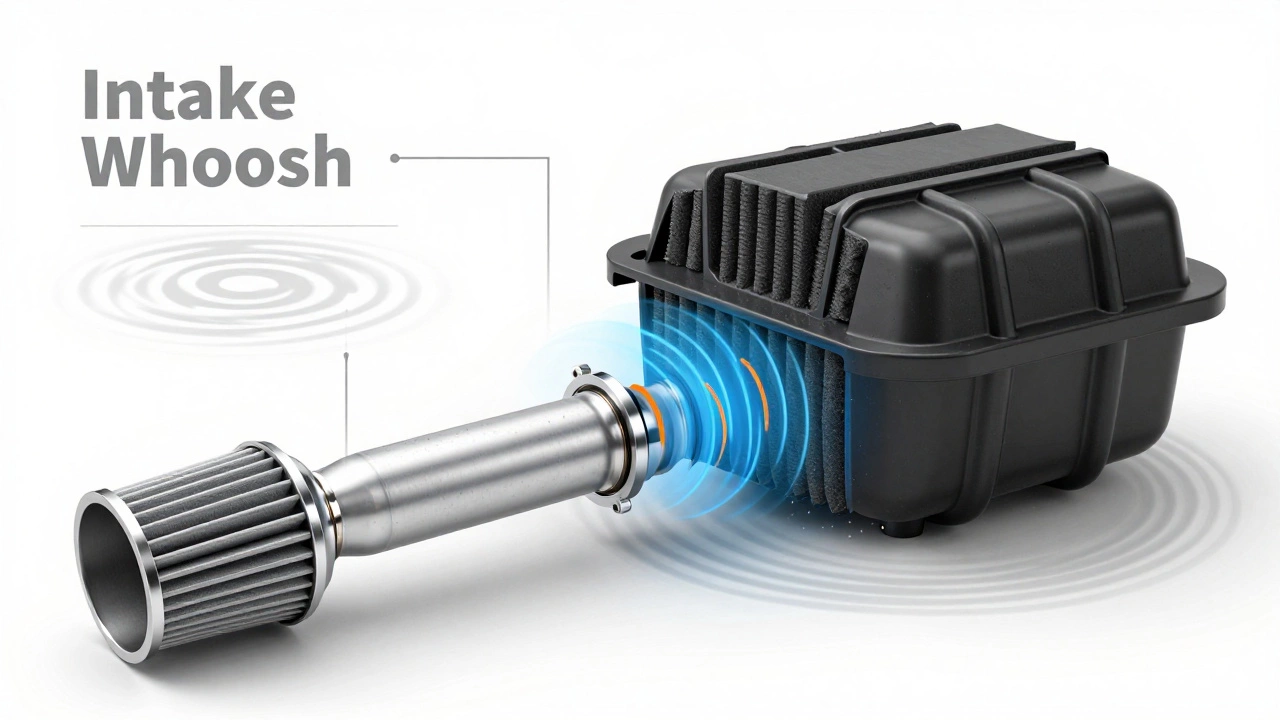
The intake system is quieter by design. Its job is to pull fresh air into the engine. As the pistons move down, they create a vacuum that sucks air in through the throttle body and into the combustion chamber. This airflow creates a specific type of noise: a rush of air, often described as a "whoosh" or a "turbo spool" sound (even on naturally aspirated cars). This is distinct from the deep rumble of an exhaust note.
Stock air boxes are designed to be acoustic dead zones. They use dense foam, plastic baffles, and long, winding tubes to kill sound before it reaches the cabin or the outside world. A K&N filter, OEM replacement filter, or any aftermarket option sits inside this system. Changing the filter material itself rarely alters the acoustic properties of the entire box enough for you to notice a volume increase while driving at speed.
Drop-In Filters vs. Cold Air Intakes
This is where confusion often sets in. People mix up two different products:
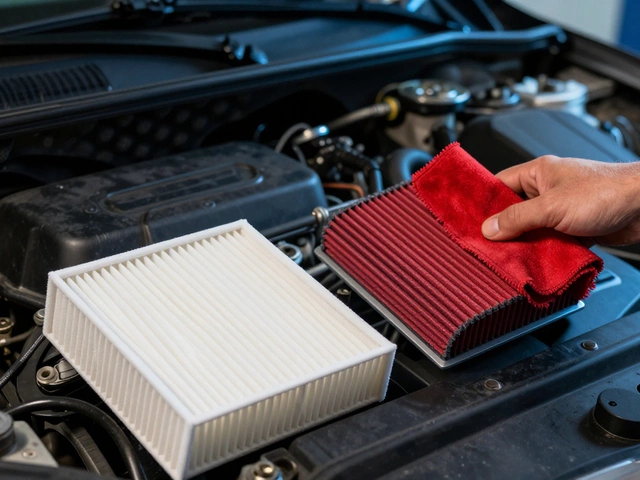
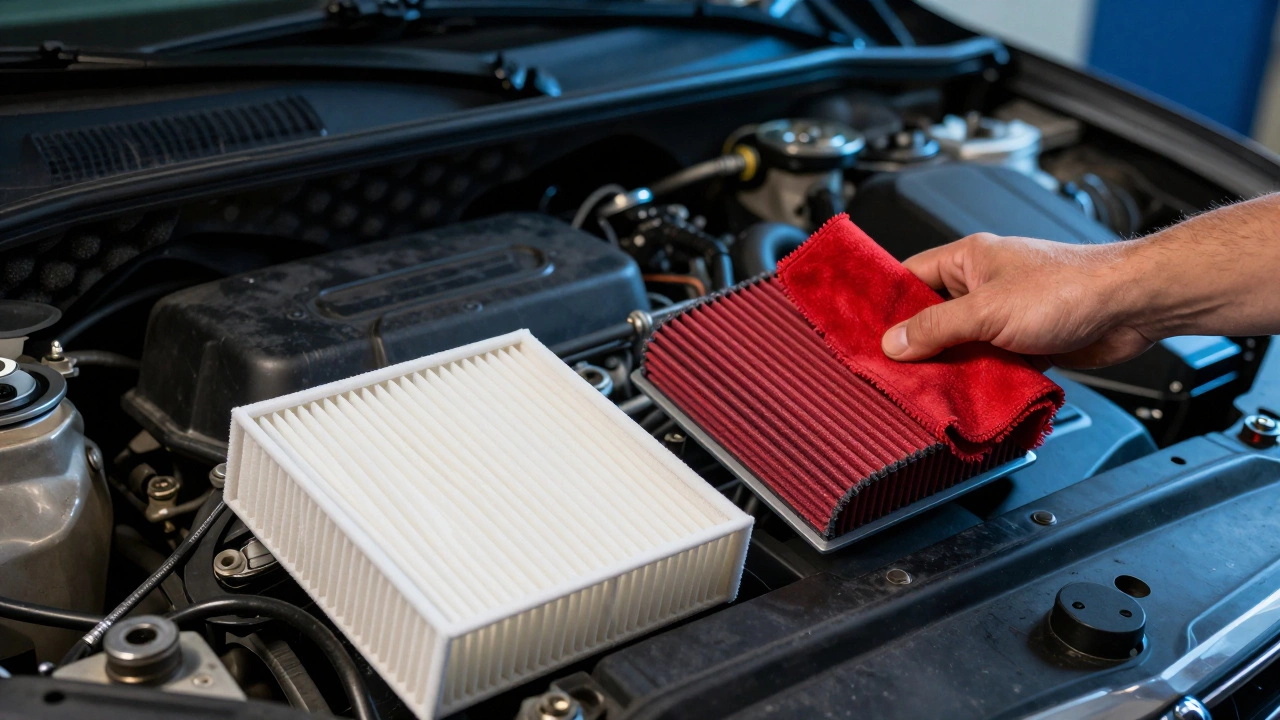
- Drop-In Performance Filters: These replace only the paper filter inside your existing stock air box. You keep the same plastic housing, the same snorkel tube, and the same sound-dampening foam.
- Cold Air Intakes (CAI): These systems remove the stock air box entirely and replace it with a smooth, large-diameter pipe and a conical filter mounted elsewhere in the engine bay.
A drop-in filter, like a standard K&N Red PowerFilter, will not make your car noticeably louder. Why? Because the sound-trapping architecture of the stock air box remains intact. The filter element itself is just a piece of oiled cotton gauze. It doesn't block sound differently than paper; it just traps dirt more efficiently over time.
In contrast, a full cold air intake system can make your car louder. By removing the bulky, sound-deadening air box and replacing it with a rigid aluminum or silicone pipe, you reduce the resistance to airflow and eliminate the acoustic insulation. This allows more of that "intake scream" to escape. You might hear a sharper induction noise when you floor the gas pedal, especially at higher RPMs. But even then, it’s rarely loud enough to be heard over traffic noise or the exhaust note once you’re moving above 30 mph.
Why Do Some Drivers Swear They Hear a Difference?
If the science says drop-in filters don’t add volume, why do so many car enthusiasts claim their car sounds better after installing one? There are a few psychological and mechanical factors at play.
1. The Placebo Effect and Expectation
You spend money, you put in effort, and you expect a reward. When you sit in the driver’s seat after an install, you are hyper-aware of every tiny sound. A slight change in resonance, previously masked by the old, clogged filter, might now be audible. Your brain interprets this clarity as "more power" or "more aggression," even if the decibel level hasn’t changed.
2. Improved Airflow Resonance
A dirty, restricted stock filter can cause the engine to work harder to pull in air, creating a muffled, labored sound. Replacing it with a high-flow filter restores proper airflow. This can make the engine sound "healthier" or "crisper." It’s not louder in terms of volume, but it may sound less strained. Think of it like clearing your sinuses: you don’t speak louder, but your voice projects better.
3. Cabin Acoustics
In some vehicles, particularly those with thin firewalls or poor sound insulation, the change in airflow dynamics can alter the resonant frequency inside the cabin. You might hear a subtle whine or whistle that wasn’t there before. This isn’t necessarily "loudness" in the traditional sense, but it is a change in the auditory landscape.
Real-World Decibel Tests
Let’s look at some data. Independent testing by automotive publications has consistently shown that drop-in performance filters produce negligible changes in exterior noise levels.
| Modification Type | Exterior Noise Change (dB) | Interior Noise Change (dB) | Perceived Sound Character |
|---|---|---|---|
| Stock System | Baseline | Baseline | Muffled, quiet |
| Drop-In Performance Filter | +0 to +1 dB | +0 to +1 dB | Slightly crisper, minimal change |
| Full Cold Air Intake | +2 to +5 dB | +3 to +7 dB | Noticeable intake whoosh, sharper induction |
| Aftermarket Exhaust | +8 to +15 dB | +5 to +10 dB | Deep rumble, aggressive tone |
Note that a difference of 3 dB is generally considered the smallest change detectable by the human ear. Drop-in filters rarely even hit that threshold. Full cold air intakes might, but they still pale in comparison to exhaust modifications.
Other Factors That Affect Intake Noise
If you are chasing that aggressive intake sound, the filter is just one small piece of the puzzle. Here’s what actually matters:
- Throttle Body Size: Larger throttle bodies allow more air to enter, which can amplify the induction noise. Many performance upgrades include a larger throttle body alongside an intake system.
- Resonators: Some intake systems include resonator chambers designed to cancel out unwanted frequencies while amplifying desirable ones. This can tune the sound to be more pleasing without just being louder.
- Vehicle Age and Condition: Older cars with worn mounts, loose heat shields, or degraded insulation may transmit more engine noise overall. Installing a new filter might coincide with other maintenance that reduces rattles, making the remaining intake sound more prominent.
- Engine Type: Turbocharged engines already have significant intake noise due to the turbocharger spinning up. Adding a high-flow filter might enhance this slightly. Naturally aspirated engines, especially V6s and V8s, tend to benefit more from intake modifications in terms of sound character.
Potential Downsides of Chasing Noise
While a little extra sound can be fun, there are risks to consider when modifying your intake system for noise:
Check Engine Lights and Emissions
If you modify your intake too aggressively, you might trigger the Mass Air Flow (MAF) sensor. The MAF measures how much air enters the engine. If the flow rate changes drastically, the computer might think something is wrong and throw a code. This can lead to poor fuel economy or even limp mode.
Heat Soak
Cold air intakes aim to pull cooler air from outside the engine bay. If you mount your filter too close to hot components, you’ll draw in hot air. Hot air is less dense, meaning less oxygen for combustion. This can actually reduce horsepower and make the engine run hotter, potentially causing pre-ignition or knocking in severe cases.
Water Ingestion
Open-cone filters on cold air intakes are more susceptible to sucking up water if you drive through deep puddles. This can hydrolock your engine, leading to catastrophic failure. Always ensure your intake system has a proper snout or diverter to prevent this.
What Should You Do?
If your goal is purely aesthetic sound, skip the drop-in filter and look at exhaust tips or a cat-back exhaust system. Those will give you the auditory feedback you’re craving.
If your goal is performance and longevity, a drop-in performance filter is a great choice. It’s easier to install, cheaper, and safer than a full cold air intake. You won’t get a dramatic sound change, but you might see a marginal improvement in throttle response and acceleration, especially if your old filter was clogged.
If you want both sound and performance, and you’re willing to deal with more complex installation and potential tuning requirements, a high-quality cold air intake from a reputable brand like K&N, aFe Power, or SCT is the way to go. Just manage your expectations: it will be louder than stock, but it won’t turn your sedan into a muscle car.
Will a K&N filter make my car louder?
A drop-in K&N filter will not make your car noticeably louder. It replaces only the filter element inside your existing sound-dampening air box. To hear a significant difference, you would need to install a full cold air intake system that removes the stock air box.
Do performance air filters increase horsepower?
On modern vehicles with sophisticated engine management systems, the horsepower gain from a drop-in filter is usually negligible (often less than 1-2 HP). Gains are more noticeable on older carbureted engines or heavily modified cars where the stock intake is severely restrictive.
Is a cold air intake worth it for sound?
If sound is your primary goal, a cold air intake provides a moderate improvement, adding a sharper intake whoosh. However, for a dramatic change in exhaust note, an aftermarket exhaust system is far more effective and cost-efficient.
Can a bad air filter make my car quieter?
Not really. A clogged air filter restricts airflow, which can make the engine sound labored or muffled, but it doesn’t actively silence the car. In fact, a severely restricted engine might run rougher, creating different types of noise.
Do I need to tune my car after installing a performance filter?
For a simple drop-in filter, no tuning is required. Modern ECUs can adapt to minor airflow changes. For a full cold air intake, tuning is recommended to optimize fuel delivery and prevent lean conditions, but many drivers run them stock without issues.