Car Window Tint Visibility Simulator
Adjust Tint Level
Control the Visible Light Transmission (VLT) percentage
How This Works
This simulator shows how visibility works through tinted windows based on the Visible Light Transmission (VLT) percentage you choose and the lighting conditions.
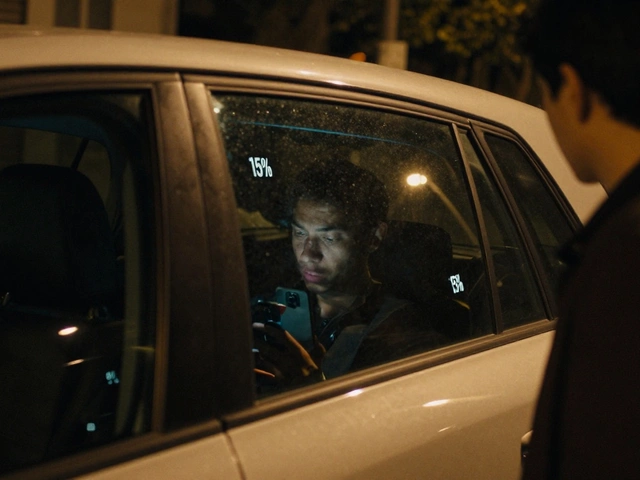
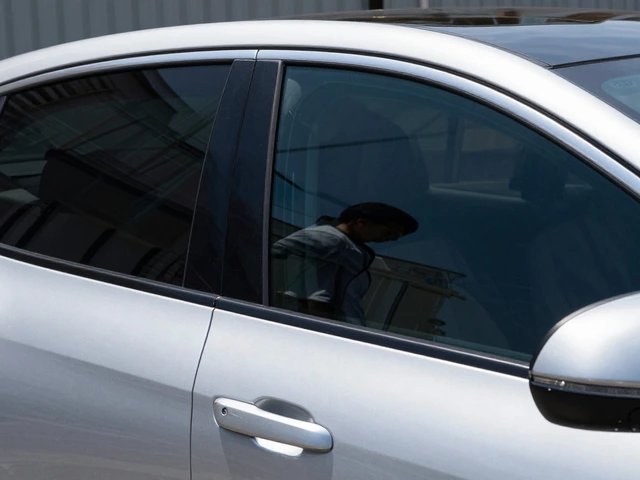
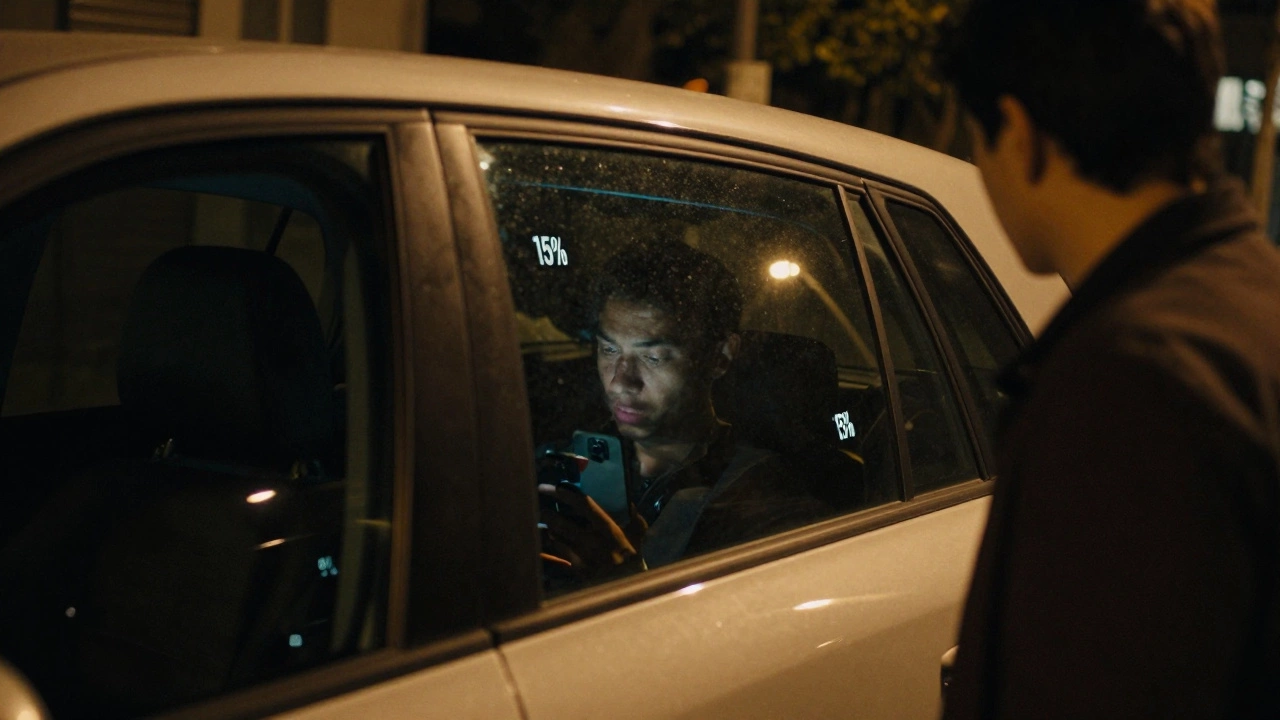
During the day, tint blocks light from outside. At night, when it's dark outside but your car interior is lit, windows become like mirrors.
Visibility Simulation
Adjust the tint slider and lighting conditions to see how visibility changes
Interior Lights On
Driver & Passenger Seated
Current Visibility
VLT: 15%
Visibility: Moderate visibility
Lighting: Daylight
When you hear "15% tint," you might picture a sleek, dark window that turns your car into a private bubble. But here’s the truth: 15% tint doesn’t make you invisible. It reduces glare and blocks heat, but it doesn’t hide what’s inside - not really. And if you’re asking whether people can see through it, the answer isn’t a simple yes or no. It depends on lighting, time of day, and where you’re sitting.
What Does 15% Tint Actually Mean?
Window tint percentage refers to Visible Light Transmission (VLT). A 15% tint means 15% of outside light passes through the film. That leaves 85% blocked - mostly UV rays and infrared heat. It’s not about darkness alone; it’s about how much light gets through. For comparison, a brand-new windshield lets in about 70-80% of light. A 15% tint is one of the darkest legal options in most places, but it’s still see-through.
Think of it like sunglasses. If you wear really dark sunglasses indoors, you can still see faces - just dimmer. Same thing with 15% tint. People outside can still make out shapes, movement, and sometimes even facial features - especially if they’re close, standing in direct sunlight, or looking at night.
Can Someone See You at Night?
This is where most people get confused. At night, when it’s dark outside but your car interior is lit up - by your dashboard, phone, or dome light - the tint works in reverse. Your windows become one-way mirrors. Light from inside shines out. People outside can see clearly into your car. It’s physics: light always travels from bright to dark.
So if you’re parked at a late-night diner with the interior lights on, yes, someone standing five feet away can see you scrolling on your phone, eating a burger, or even napping. The 15% tint doesn’t block that. It just makes the outside world look darker from your side.
What About Daytime Visibility?
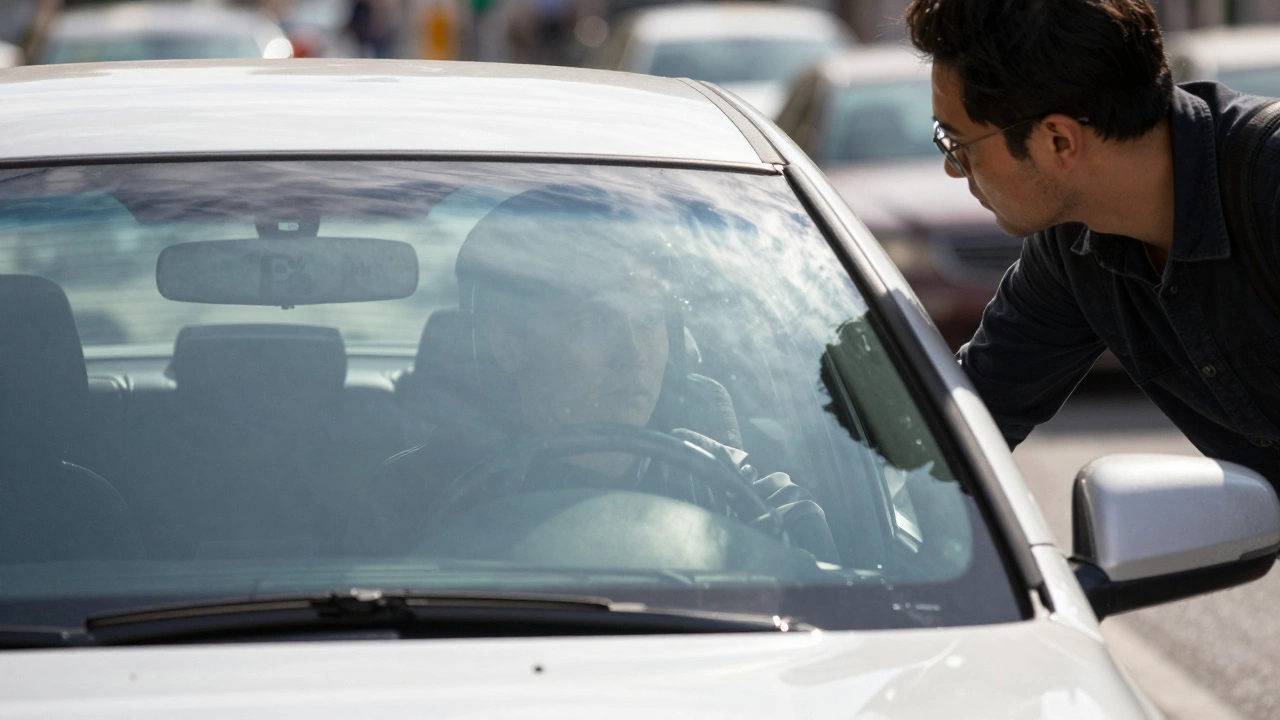
During the day, 15% tint does a better job of hiding what’s inside - but not perfectly. If you’re sitting in your car with the windows rolled up and no one’s looking directly into them, you’ll feel private. But if someone walks up to your driver’s side window and squints, they’ll see your face, your seat, maybe your coffee cup. It’s not like a blacked-out limo. It’s more like a smoky glass.
Here’s a real example: I’ve had people tap on my window at traffic lights in Melbourne. Not because I looked suspicious - but because they couldn’t tell if I was alone, if I was awake, or if I was even in the car. That’s the level of ambiguity 15% tint creates. It’s not invisibility. It’s mystery.
Is 15% Tint Legal?
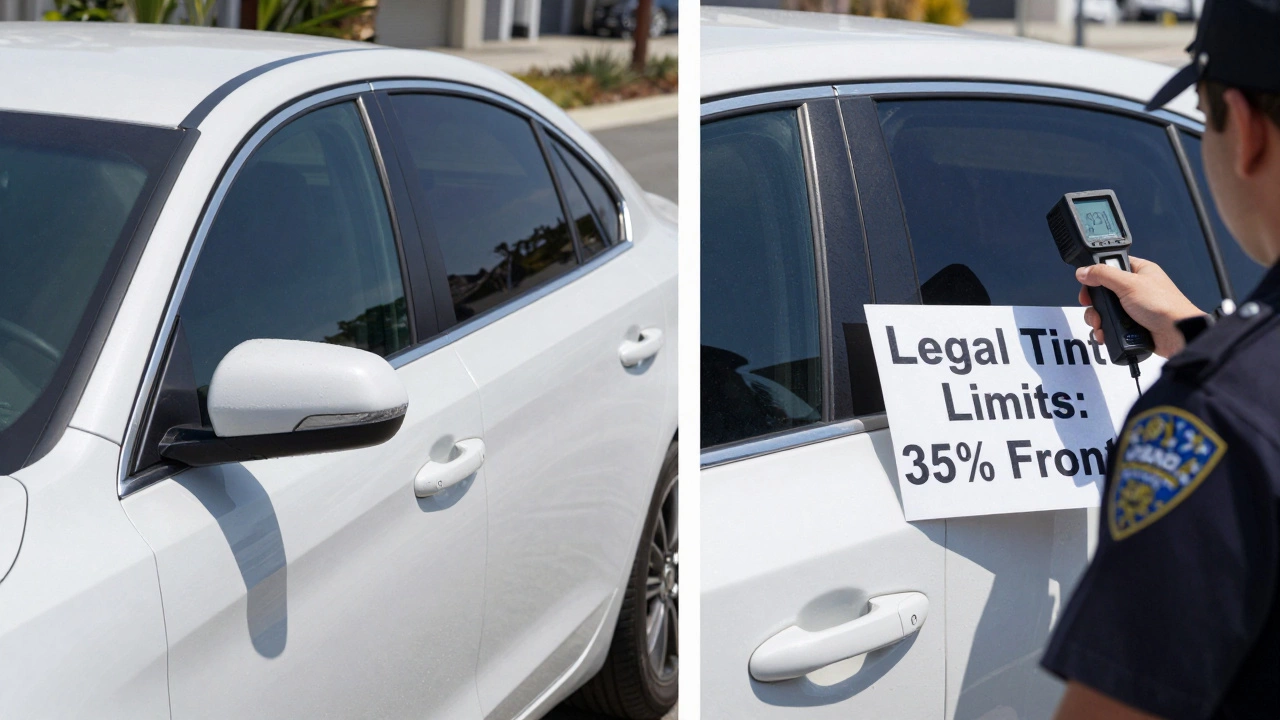
Legality varies by state, country, and even which window you’re tinting. In Australia, front side windows (driver and front passenger) must allow at least 35% VLT in most states. Rear windows and back glass often have looser rules. That means 15% tint on your front windows? Illegal in Victoria, NSW, Queensland, and most places. You’ll get fined. You might even be ordered to remove it.
Some people install 15% tint anyway, thinking no one will notice. But police use tint meters. They don’t guess. They measure. And if you’re pulled over for anything - a broken taillight, speeding, a registration check - they’ll check your windows. A $300 fine is common. Reinstalling legal tint costs another $200-$400. It’s not worth the risk.
What’s the Real Benefit of 15% Tint?
Even if you can’t legally use it on your front windows, 15% tint has real perks - if used right.
- Blocks over 99% of UV rays - protects your skin and your dashboard from cracking.
- Reduces heat buildup by up to 60% - your AC doesn’t have to work as hard.
- Improves comfort - less glare on screens, less squinting at bright sun.
- Increases privacy - not total, but enough to deter casual peeking.
That’s why many people use 15% tint on rear windows and the back windshield. It’s legal almost everywhere. And it makes a huge difference in comfort, especially in Melbourne summers when the sun beats down on parked cars for hours.
How Dark Is 15% Compared to Other Tints?
Here’s a quick visual guide:
| VLT Percentage | Appearance | Best Use |
|---|---|---|
| 70% | Almost clear | Factory tint, legal everywhere |
| 50% | Lightly tinted | Good for glare reduction |
| 35% | Moderate tint | Legal for front windows in most places |
| 20% | Dark | Popular for rear windows |
| 15% | Very dark | Best for back glass, illegal on front windows in Australia |
| 5% | Almost opaque | Illegal everywhere for road vehicles |
As you can see, 15% is on the edge of what’s usable. It’s not for everyone. But if you’re smart about where you apply it, it’s one of the best options for comfort and heat control.
What About Privacy Films? Do They Work Better?
You might have seen ads for "nighttime privacy film" or "one-way mirror tint." They promise total concealment. The truth? Those are mostly marketing hype. Even the best films can’t turn daylight into darkness. If your interior is lit, people see in. No film changes that. Some films reduce visibility from certain angles, but they don’t block light - they just scatter it.
Real privacy comes from not having lights on. Turn off your dome light. Keep your phone face-down. Use sunshades when parked. That’s more effective than any film.
What Should You Do Instead?
If you want privacy and legality, here’s what works:
- Use 35% tint on front windows - legal and still reduces heat and glare.
- Use 15% or 20% tint on rear windows and back glass - this is where it shines.
- Install removable sunshades for parked cars - they’re cheap and instant.
- Use a dashcam with motion detection - if someone’s lingering, you’ll know.
There’s no magic tint that makes you vanish. But there’s a smart way to get most of the benefits without the fines or hassle.
Final Verdict: Can People See Through 15% Tint?
Yes. During the day, they can see shapes and movement - and sometimes your face if they’re close. At night, with interior lights on, they can see everything. It’s not a force field. It’s a filter.
15% tint is powerful for heat and UV protection. It’s great for rear windows. But it’s not a privacy shield. If you’re hoping to hide from prying eyes, you’ll be disappointed. If you’re hoping to make your ride cooler, more comfortable, and less shiny under the sun - then yes, it’s worth it.
Just make sure you’re using it legally. In Australia, that means keeping it off your front windows. Your wallet - and your driving record - will thank you.
Can police tell if my tint is too dark?
Yes. Police use handheld tint meters that measure Visible Light Transmission (VLT) in seconds. They don’t guess - they test. If your front windows are below 35% in Australia, you’ll be fined. It’s not a rumor - it’s standard procedure during traffic stops.
Is 15% tint better than 5% tint?
Not legally, but practically, yes. 5% tint is almost completely opaque and illegal on any road vehicle in Australia. 15% tint still allows enough light for safe driving at night while offering strong heat and glare reduction. It’s the darkest option that still works safely - if used on the right windows.
Does 15% tint make my car hotter in winter?
No. Tint blocks infrared heat from the sun, not warmth from your heater. In winter, your car’s interior still warms up normally from the heating system. The tint only affects sunlight coming in - not ambient temperature. So you’ll still stay warm.
Can I use 15% tint on my rear windows in Melbourne?
Yes. In Victoria and most Australian states, rear windows and back glass can be tinted as dark as 15% or even lower. That’s where 15% tint really shines - keeping the back seat cool and private without breaking the law.
Will 15% tint affect my night vision?
If it’s on your front windows, yes - and that’s why it’s illegal. 15% tint reduces visibility in low-light conditions, making it harder to see pedestrians, signs, or road markings. That’s why most places require at least 35% VLT for front windows. For rear windows, it doesn’t affect your driving vision at all.