Alloy vs. Steel Wheel Decision Calculator
Not sure whether to stick with steel rims or upgrade to alloys? Answer a few questions about your driving style and location to get a personalized recommendation.
Your Recommended Choice:
Estimated Fuel Savings
--
Repair Risk
--
Fill out the form on the left to see how your specific needs compare against Alloy and Steel wheel characteristics.
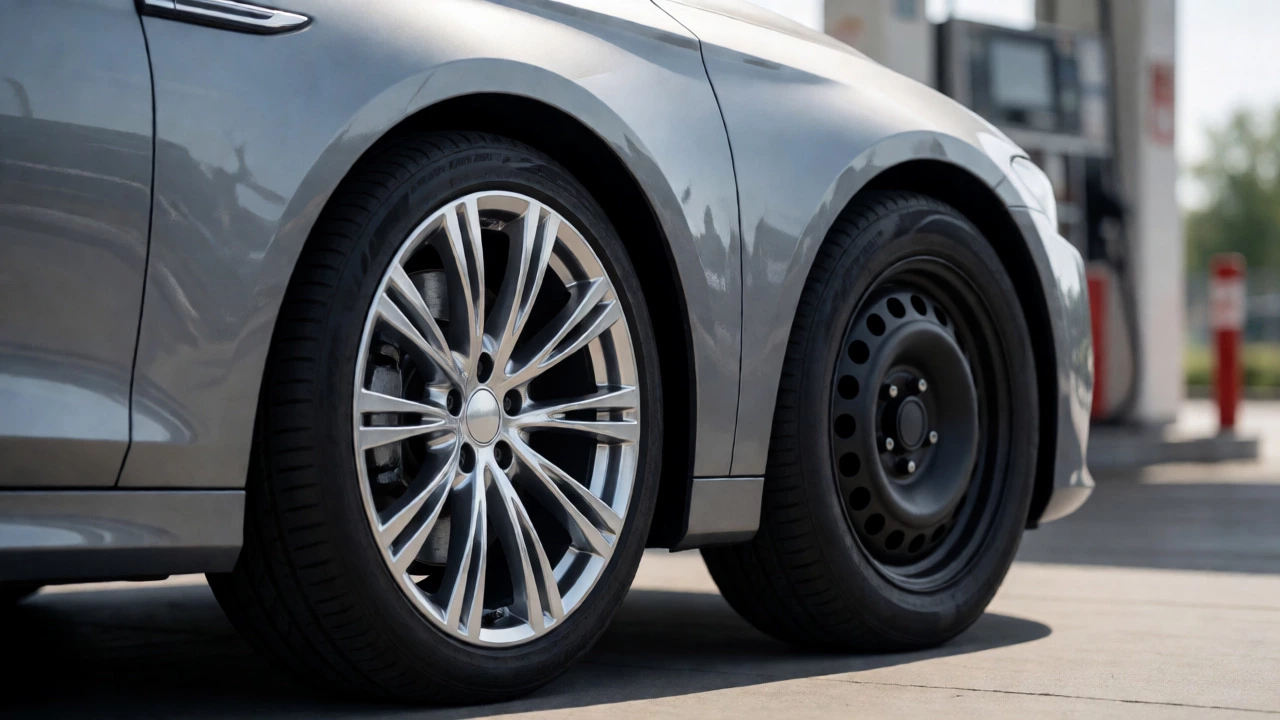
You pull up to a service station, glance at the tyre shop window, and spot two identical cars. One has shiny, multi-spoke alloy wheels. The other sits on plain, black steel rims with plastic caps. Which one looks like it costs more? Which one do you assume drives better? For most people, the answer is immediate: the alloys. But why? Is it just vanity, or is there actual engineering behind the preference?
The truth is, alloy wheels aren't just about looking cool in your driveway photos. They change how your car handles, how it stops, and even how much fuel it burns. While steel wheels have their place-usually in deep snow or on beat-up work trucks-the shift toward aluminium alloys over the last few decades tells us something important about what drivers actually value. Let’s break down exactly why this material became the default choice for everything from family hatchbacks to high-end sports cars.
The Weight Difference That Actually Matters
Here is the biggest technical reason people prefer them: weight. Most standard factory wheels are made of steel. Steel is heavy. A typical steel rim might weigh 10 to 15 kilograms depending on the size. An equivalent-sized alloy wheel often weighs significantly less, sometimes saving 2 to 4 kilograms per corner.
You might think, "So what? It's just a few kilos." In car dynamics, those kilos matter immensely because they are part of the unsprung mass. This is the weight not supported by the suspension springs. When unsprung mass goes down, the suspension doesn’t have to work as hard to keep the tyre in contact with the road.
Think of it like holding a bowling ball versus a tennis ball on the end of a stick. If you shake the stick, the heavier ball resists movement more. With lighter alloy wheels, your tyres can react faster to bumps, potholes, and corners. This results in sharper steering response and better traction. You feel it immediately when you turn the wheel; the car feels more agile and connected to the road surface.
Superior Heat Dissipation and Braking
Beyond weight, alloys play a crucial role in braking performance. Your brakes generate massive amounts of heat during use, especially if you drive aggressively or tow heavy loads. Steel is a relatively poor conductor of heat compared to aluminium.
Aluminium alloys dissipate heat away from the brake discs much more efficiently. This keeps your brake components cooler, which reduces brake fade-that spongy feeling where your brakes stop working well after repeated hard stops.
This isn't just theoretical. If you've ever driven a base-model car with small steel wheels and tight-fitting tyres, you know how hot the wheels get after a long downhill run. Swapping to larger, ventilated alloy designs helps air flow around the brake calipers and discs. Better cooling means consistent stopping power and longer life for your brake pads and rotors. For anyone living in hilly areas like Melbourne’s Dandenongs, this thermal advantage is a genuine safety feature, not just a spec sheet bullet point.
Aesthetics: The Visual Impact Factor
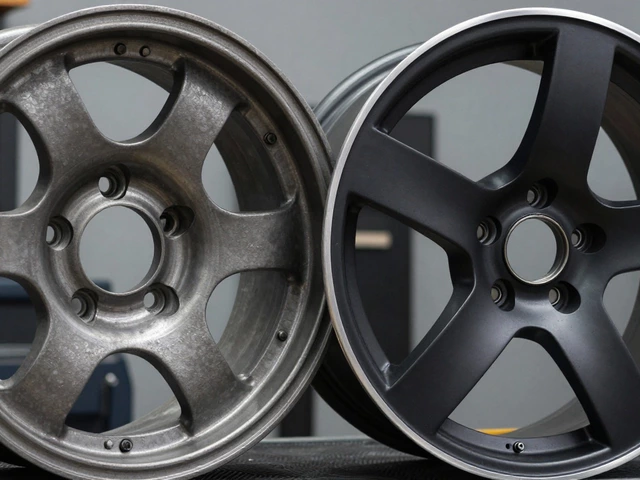
Let’s be honest: we buy with our eyes first. Steel wheels are utilitarian. They are usually simple stamped metal discs, often covered by plastic hubcaps that rattle when they come loose. Alloy wheels, however, are cast or forged into complex shapes. This allows manufacturers to create intricate spoke patterns, polished finishes, matte blacks, or bronze accents.
The design freedom of alloys changes the entire personality of a vehicle. A boxy SUV looks rugged with chunky off-road alloys but aggressive with dark, multi-spoke street wheels. Because alloys can be manufactured with thinner spokes while maintaining strength, they allow more visibility of the brake calipers. If you upgrade your brakes to big-brand calipers (like Brembo or AP Racing), you need alloys to show them off. Plastic caps on steel wheels would hide them completely.
| Feature | Alloy Wheels | Steel Wheels |
|---|---|---|
| Weight | Lighter (better handling) | Heavier (sluggish response) |
| Heat Dissipation | Excellent (cools brakes) | Poor (heat retention) |
| Durability | Rigid but can crack on impact | Flexible (bends rather than cracks) |
| Cost | Higher initial cost | Very cheap replacement |
| Repairability | Specialist repair needed | Easily hammered back into shape |
Fuel Efficiency and Acceleration
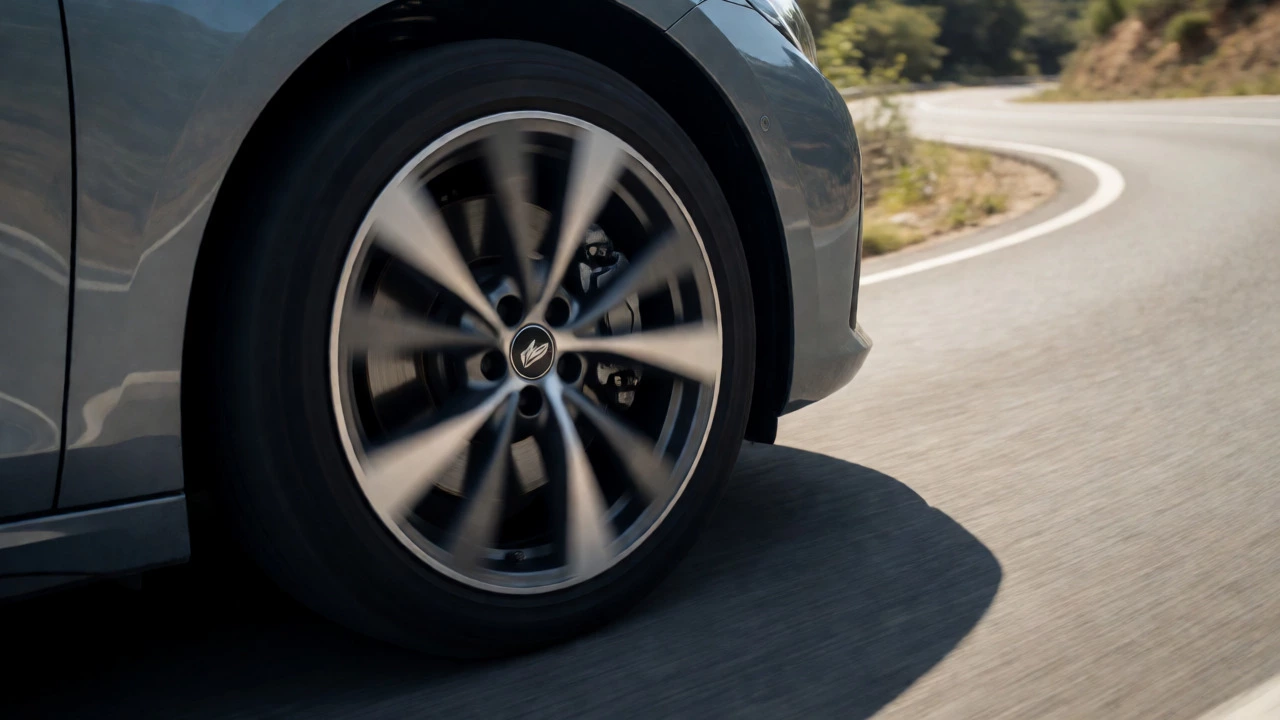
Physics dictates that rotating mass requires energy to accelerate. Every time you press the accelerator, your engine must overcome the inertia of the wheels spinning up. Lighter wheels require less torque to reach speed. This translates directly to improved acceleration times and slightly better fuel economy.
While the fuel savings might seem minor-perhaps 1-3% in real-world driving-they add up over thousands of kilometres. More noticeably, the car feels quicker off the line. You don't need a turbocharged engine to feel the difference; simply removing weight from the corners makes the existing engine feel more responsive. For city driving with frequent stops and starts, this reduction in rotational mass reduces the strain on the drivetrain, potentially extending the life of transmission components.
The Downside: Durability and Repair Costs
It wouldn't be fair to ignore why some people still stick with steel. Alloys have a weakness: brittleness. Steel is ductile, meaning it bends under stress. If you hit a deep pothole in Melbourne’s notorious winter roads, a steel rim will likely bend out of round. You can hammer it back, balance it, and keep driving. It’s ugly, but functional.
Alloy wheels are rigid. Hit that same pothole hard enough, and an alloy rim may crack or split. Cracked alloys cannot be safely repaired by hammering; they often need professional welding or complete replacement. Furthermore, repairing cosmetic damage on alloys-such as curb rash or scratches-is expensive. Refinishing a set of four damaged alloys can cost several hundred dollars, whereas buying new steel rims is often cheaper than the repair bill for alloys.
Additionally, alloys corrode differently. In coastal areas or places where roads are salted in winter, aluminium oxidation can pit the surface. Regular cleaning and protective coatings are required to keep them looking good. Neglect them, and they look chalky and dull within a couple of years.
Resale Value and Perception
When it comes time to sell your car, fitted alloy wheels almost always increase the perceived value. Buyers associate alloys with higher trim levels. A base model with aftermarket alloys often sells faster and for a higher price than the same car on steelies. It signals that the owner cared about maintenance and aesthetics.
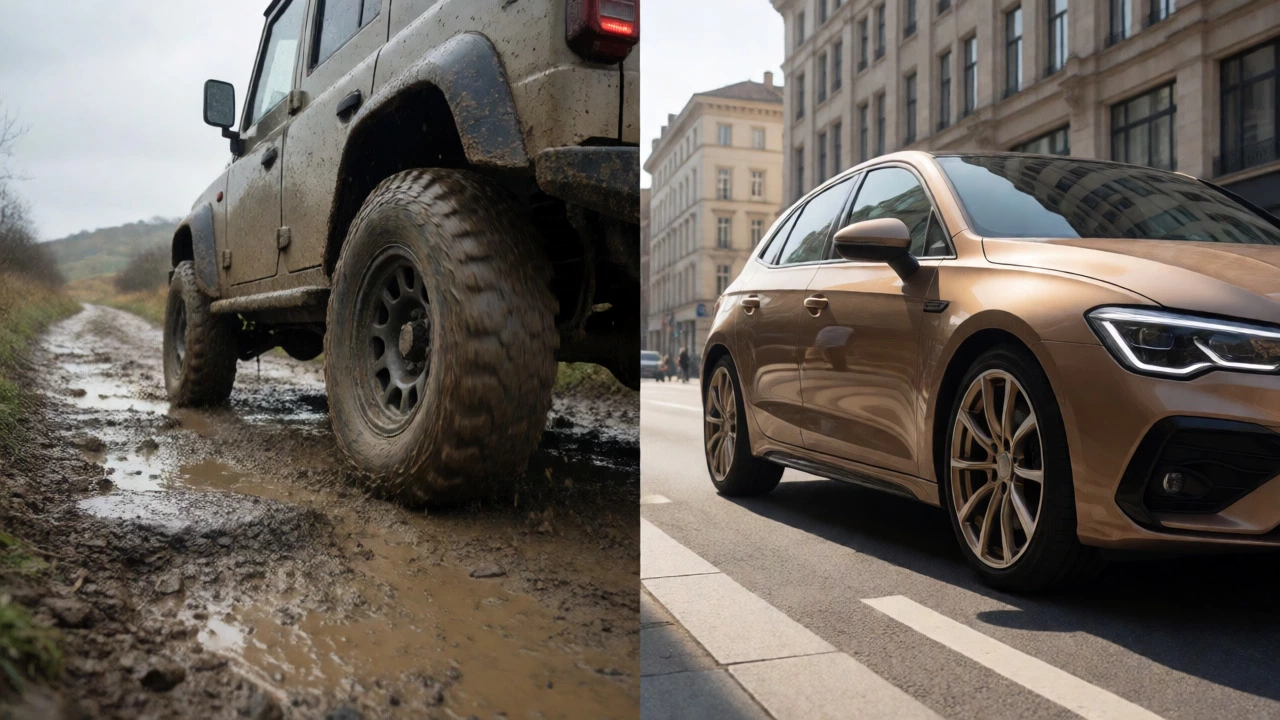
However, context matters. On a rugged 4x4 intended for serious off-roading, buyers might prefer robust steel wheels because they know alloys can shatter on rocks. But for 90% of daily drivers, commuters, and weekend cruisers, the market preference leans heavily toward alloys. They represent a modern, upgraded specification.
Maintenance Tips for Alloy Owners
If you choose alloys, you need to treat them right. Here is how to keep them looking sharp:
- Clean regularly: Brake dust contains metallic particles that embed in the clear coat. Wash wheels weekly with a dedicated wheel cleaner, not just general car soap.
- Check tyre pressure: Under-inflated tyres put extra stress on the rim lip, increasing the risk of cracking during impacts.
- Inspect for cracks: During tyre rotations, ask the mechanic to visually inspect the inner barrel for hairline fractures.
- Apply sealant: Consider ceramic coating or wax specifically designed for wheels to protect against brake dust and UV fading.
Ultimately, the preference for alloy wheels comes down to a trade-off between performance/aesthetics and raw durability/cost. For most drivers, the benefits of lighter weight, better braking, and superior looks outweigh the risks of occasional curb rash. It’s why automakers stopped offering steel wheels as standard on anything above the entry-level trims years ago. Once you drive on alloys, going back to steel feels like wearing shoes that are two sizes too big.
Are alloy wheels worth the extra cost?
For most drivers, yes. The improvement in handling, braking efficiency, and resale value typically justifies the higher upfront price. However, if you drive exclusively on rough, unpaved roads or in extreme winter conditions with heavy salting, steel wheels offer better durability and lower repair costs.
Can I repair a cracked alloy wheel?
Minor cracks can often be professionally welded and machined, restoring structural integrity. However, severe cracks or splits, especially near the valve stem or mounting face, usually require replacement as welding may not restore original strength ratings.
Do alloy wheels improve fuel economy?
Yes, slightly. Because they are lighter, they reduce rotational mass, requiring less energy to accelerate. Real-world tests suggest a 1-3% improvement in fuel consumption, though this varies based on driving style and vehicle type.
Which lasts longer, alloy or steel wheels?
Steel wheels generally last longer in terms of physical survival against impacts because they bend rather than break. Alloys are durable against normal wear but are more susceptible to catastrophic failure from sharp impacts like potholes or curbs.
Do alloy wheels rust?
Alloys do not rust in the traditional sense (iron oxide) because they are made of aluminium. However, they can oxidize, leading to white powdery corrosion or pitting, especially if the protective clear coat is damaged and exposed to salt or moisture.