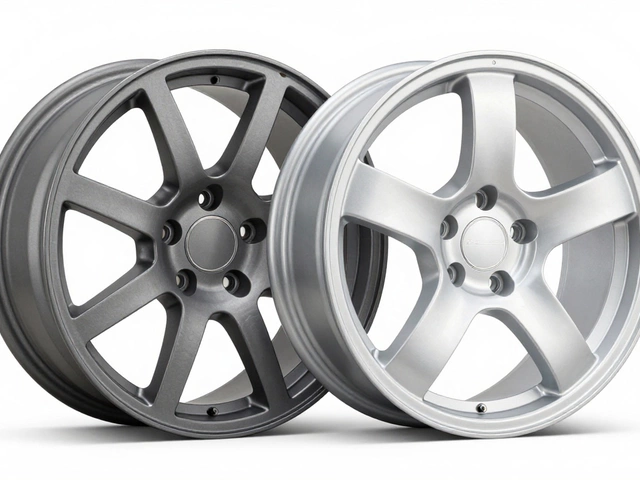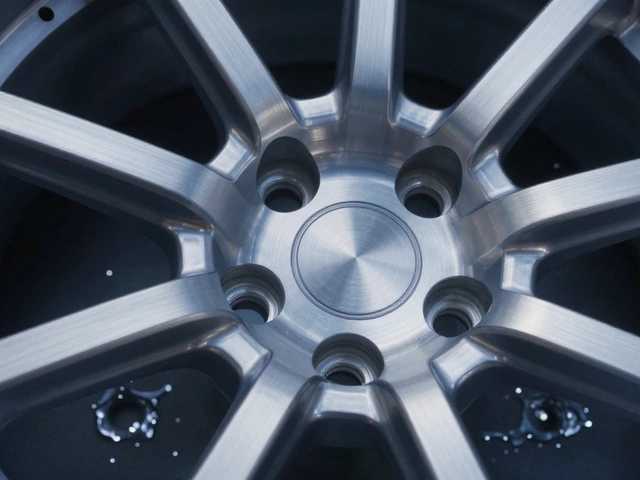
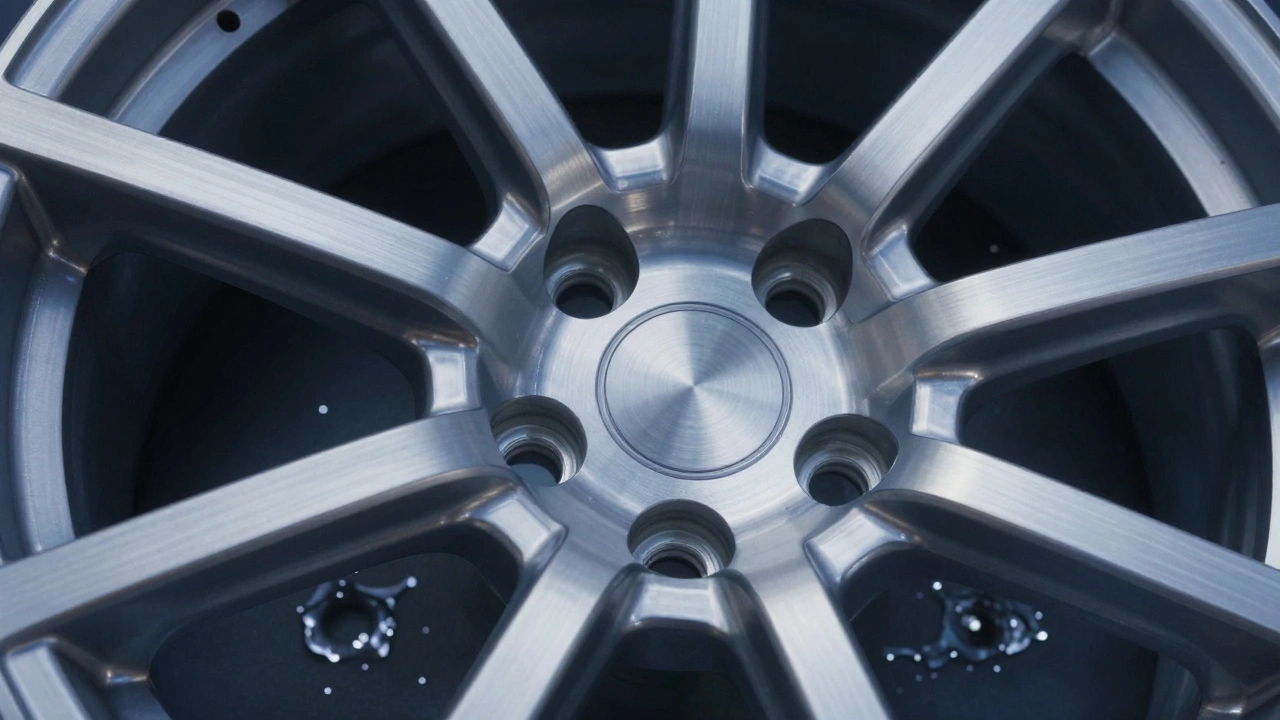
You walk into a tire shop or browse online, and suddenly you see options labeled 'steel' and alloy. You know they look different, but what exactly does the term mean when attached to your car's wheels? Is it magic, or just marketing? Understanding this difference changes how you drive, maintain, and protect your vehicle. In short, 'alloy' isn't a single metal like pure iron; it is a mix of metals engineered to be stronger and lighter.
This matters because the material under your tires impacts fuel efficiency, handling, and even safety. We often use the word casually, assuming every shiny rim is an alloy, but there is science behind the choice. If you live in a coastal area like Melbourne, salt air attacks certain materials differently than others. Knowing the specifics helps you avoid costly repairs down the track.
The Actual Composition of Alloy Wheels
When manufacturers say 'alloy,' they are almost always talking about an aluminum-based mixture. Pure aluminum is too soft to take the punishment of hitting potholes or carrying the weight of a sedan. To fix this, engineers add other elements to create a rigid structure.
The most common base is aluminum mixed with silicon, magnesium, and sometimes zinc. This combination creates a material that resists corrosion better than plain steel while offering superior heat dissipation. You might hear people call them 'mag wheels,' short for magnesium. While magnesium was used decades ago, modern vehicles rarely use pure magnesium due to fire risks. Today, aluminum remains the king of road wheels.
Here is a breakdown of the typical makeup:
- Aluminum: Makes up about 90% or more of the total weight.
- Silicon: Improves strength and fluidity during the casting process.
- Magnesium: Adds hardness but requires careful balancing to prevent brittleness.
- Copper: Sometimes added for conductivity and tensile strength.
This specific chemistry allows the wheel to flex slightly under impact rather than shattering immediately. It is a deliberate design choice to prioritize controlled failure over sudden breakage.
Alloy Wheels Versus Steel Wheels
The biggest question people face is whether to stick with the factory-installed option or upgrade. You cannot compare these two without understanding their fundamental structural differences. Steel wheels are made from stamped sheet metal welded together, creating a heavy, durable hub-and-tire unit.
| Attribute | Steel Wheels | Alloy Wheels |
|---|---|---|
| Weight | Heavy (High unsprung mass) | Light (Low unsprung mass) |
| Rust Resistance | Prone to surface rust | Resistant to oxidation |
| Heat Management | Poor conductor | Excellent conductor |
| Repair Potential | Difficult to weld back | Easier to straighten |
| Aesthetic Appeal | Plain, usually painted | Polished or painted finishes |
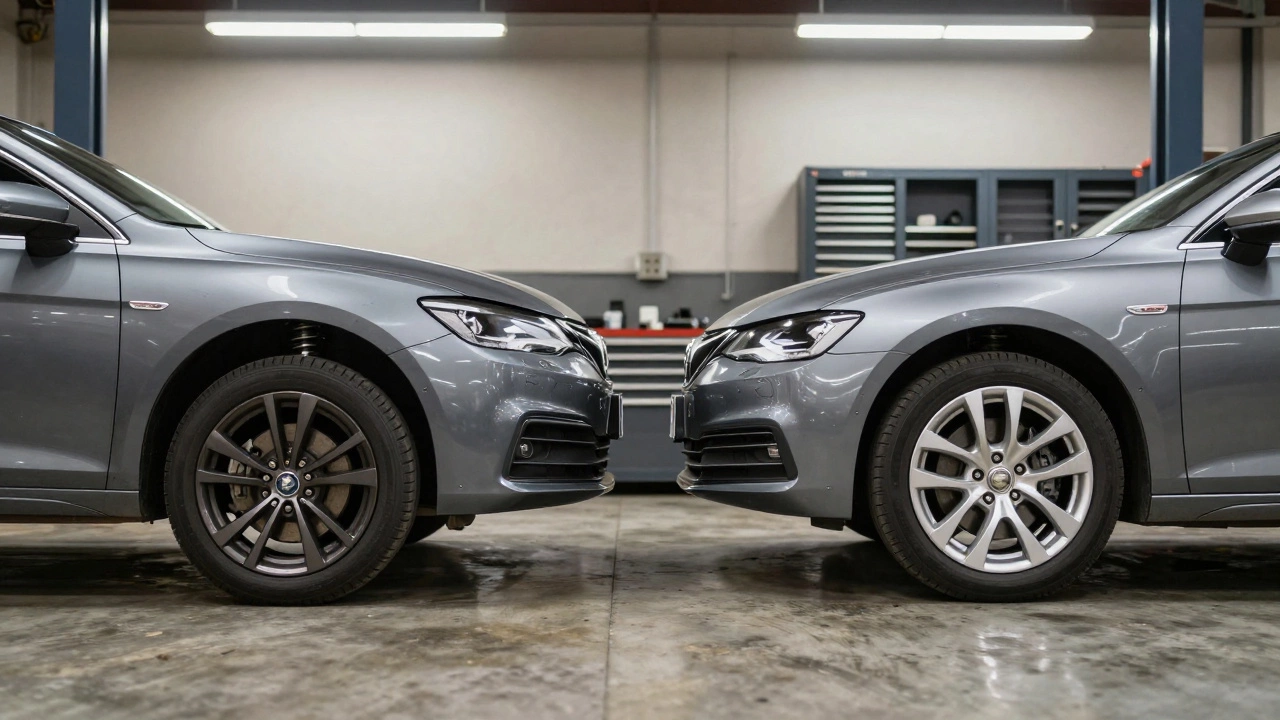
The most noticeable difference is weight. A typical steel wheel for a mid-sized SUV might weigh 25 kilograms. An equivalent alloy wheel could weigh 18 kilograms. That seven-kilo difference per corner adds up. When you accelerate, you aren't just moving the car's body; you are spinning that mass. Heavier wheels require more energy to spin, reducing fuel economy slightly.
In terms of durability, steel wins on raw toughness. Hit a large pothole at speed, and a steel wheel bends. It might ruin your alignment, but it often stays whole. An alloy wheel faces a different risk. The rigidity of the aluminum can lead to cracking under severe stress rather than bending. However, alloys generally resist rust much better, which is vital if you live near the ocean where salty spray eats away painted surfaces.
How Manufacturing Methods Change the Game
Not all alloy wheels are created equal. The label 'alloy' tells you what it is made of, not how it was built. The production method defines the strength and price tag. There are three primary techniques used in the industry today.
Gravity Casting: This is the entry-level method. Molten aluminum is poured into a mold and left to cool. It produces consistent results but lacks density. These wheels work fine for daily commuting cars but lack the structural integrity for high-performance tracks.
Low Pressure Casting: Here, pressure pushes the liquid metal into the mold cavities. This removes air pockets and ensures the grain structure is denser. Most replacement wheels found at local shops utilize this method. They balance cost and performance well.
Forged wheels represent the premium tier. Instead of melting and pouring, manufacturers take a solid billet of aluminum and press it under immense heat and force. Think of it like dough kneading versus molding clay. The result is a continuous grain structure that offers incredible strength.
If you are looking at prices, forged wheels cost significantly more because the machinery and material waste are higher. However, they are lighter than cast equivalents. For someone tracking a car or driving aggressively on mountain roads, forged wheels provide a stiffer connection to the road surface.
The Role of Heat Dissipation
One advantage of alloy materials often goes unnoticed until summer hits. Your brakes generate massive amounts of heat when slowing down. If that heat gets trapped, brake fade occurs, and stopping distances increase.
Aluminum acts as a heat sink. It pulls thermal energy away from the calipers and rotors through the wheel spokes. A steel wheel reflects this heat back toward the brake pads. Over long descents or heavy city driving, this cooling effect matters immensely.
This property extends the life of your brake components. When metal stays cooler, friction materials wear out slower. While it might seem like a minor detail, consistent braking performance directly relates to safety. Engineers designed alloys specifically to handle this thermal load better than traditional iron alternatives.

Navigating Cosmetic Damage and Maintenance
We love the look of polished silver or machined-face alloys, but the finish invites maintenance issues. Clear coats protect the bare metal, yet chips happen. A pebble kicked up by the car ahead can strip paint, exposing raw metal underneath.
Unlike steel, you cannot just sand and repaint an alloy rim easily. The porous nature of aluminum absorbs grime deeply. Once a chip happens, moisture sneaks in. Oxidation forms a dull white layer around the damage known as etching. This spreads under the clear coat if not treated immediately.
To maintain them properly:
- Wash wheels regularly to remove brake dust.
- Use a pH-neutral cleaner specifically designed for rims.
- Apply a ceramic sealant after washing to bond a protective layer.
- Inspect edges annually for cracks caused by kerb strikes.
Kerb strikes are the enemy. Hitting a parking ramp hard can bend the lip inward. With steel, you can hammer it back. With alloy, the metalwork can fatigue and snap later. If you notice vibration while driving at highway speeds, get the run-out checked immediately. It saves you from losing control due to a failing wheel.
Are Alloy Wheels Worth the Investment?
For most drivers upgrading from stock steelies, yes. The visual improvement alone boosts curb appeal. However, the performance gains are real. Less unsprung weight improves ride comfort because the suspension reacts faster to bumps. The steering feels sharper since there is less mass rotating.
If you live in winter climates, note that alloy wheels do freeze differently in extreme cold compared to thick steel. But generally, for year-round driving, the benefits outweigh the costs. Just budget for potential cosmetic repairs, as they scratch easier than powder-coated steel.
Do alloy wheels affect fuel consumption?
Yes. Lighter wheels reduce rotational inertia. This means the engine uses slightly less power to accelerate the vehicle, leading to better fuel efficiency, particularly in stop-start traffic.
Can I put winter tires on alloy wheels?
You can, but many prefer to keep alloys on their car year-round to save garage space. Just ensure you clean off road salt frequently in colder months to prevent oxidation under the clear coat.
Why are some alloy rims cheaper than others?
Price depends on the manufacturing process. Gravity cast wheels are cheaper to produce than low-pressure or forged wheels. Cheaper wheels may also have fewer quality checks during production.
How do I know if my alloy wheel is cracked?
Listen for unusual rattling noises when rolling down the wheel. Look closely at the edge for hairline fractures. If the tire loses air slowly despite a good valve stem, the bead seat might be damaged.
Does an alloy wheel need to be balanced?
Absolutely. All wheels must be balanced. However, since alloys are thinner, small weights can shift easier. Check balance whenever you rotate your tires to ensure smooth handling.