Car Wrap Resale Value Estimator
How your wrap affects resale value
This calculator estimates resale impact based on article research. Professional wraps typically preserve value or increase appeal, while poor installations can reduce it.
Ever seen a car with a bold matte black finish or a glossy neon green wrap and wondered if it’s a smart move-or a resale nightmare? You’re not alone. More people in Melbourne and beyond are turning to car wraps instead of repainting, but the big question lingers: does wrapping a car devalue it? The answer isn’t simple, but it’s not what most people think.
Wraps Are Temporary, Paint Is Permanent
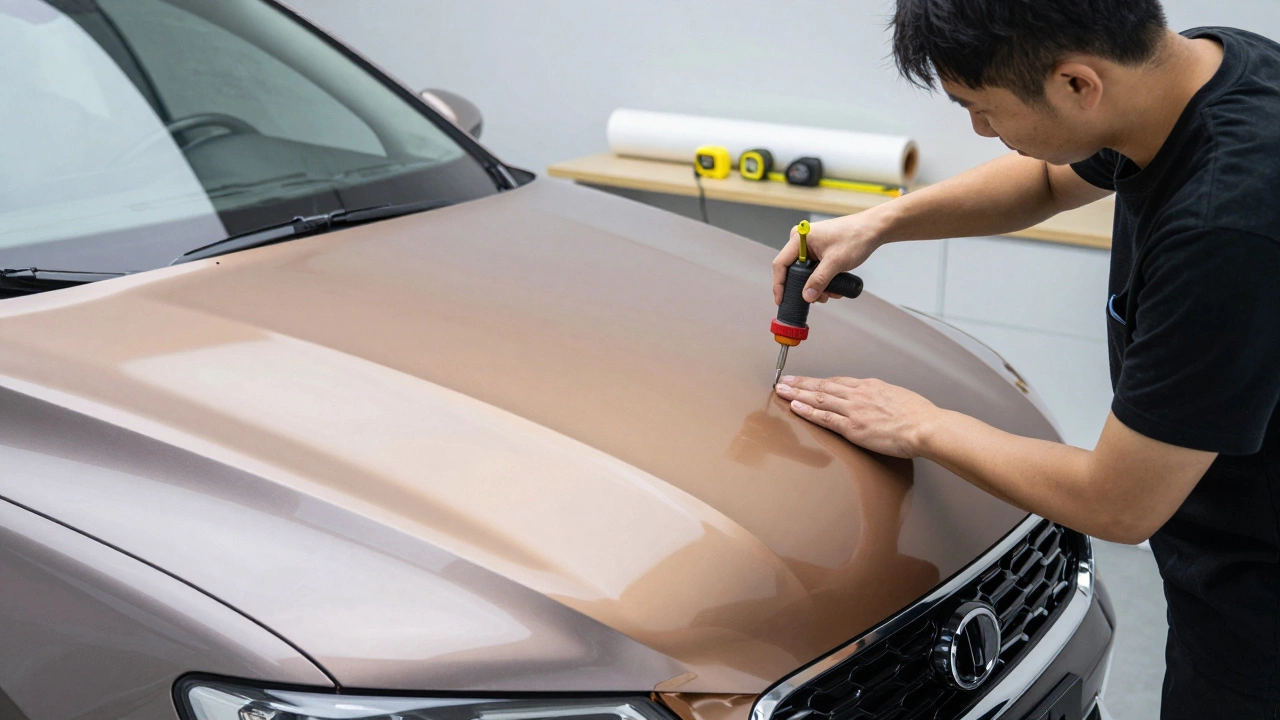
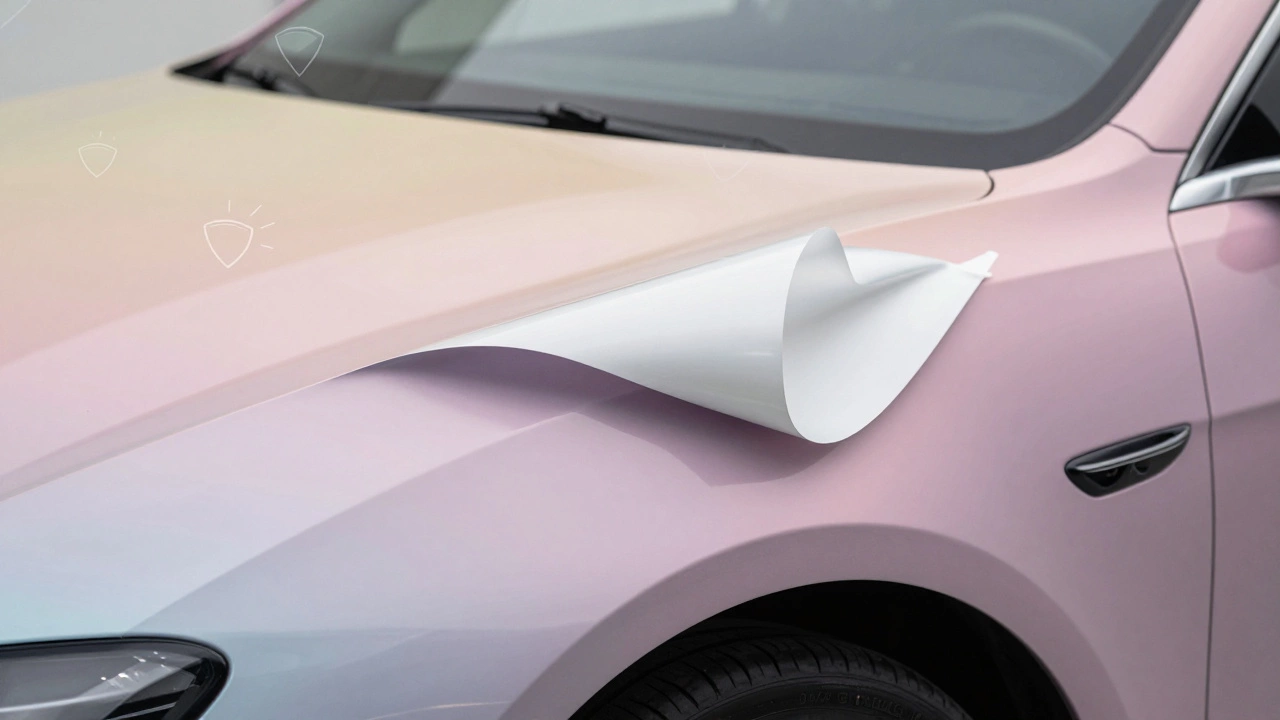
A car wrap is a vinyl film applied over your original paint. It’s designed to be removed. That’s the whole point. Unlike repainting, which strips away factory paint and alters the car’s original state, a wrap sits on top. When you take it off, you’re left with the paint underneath-assuming it was properly installed and maintained.Factory paint is worth something. It’s engineered to last. A wrap protects it from UV damage, rock chips, bird droppings, and minor scratches. Think of it like a phone case. You wouldn’t say a phone case reduces your phone’s value-you’d say it preserves it. The same logic applies here.
Bad Wraps Can Hurt Value. Good Wraps Can Help.
Not all wraps are created equal. A cheap, DIY job done in a garage with a heat gun and no experience? That’s a red flag. Bubbles, peeling edges, mismatched seams-these scream neglect. Buyers will assume the car wasn’t cared for, and they’ll price it accordingly.But a professional wrap, done by a certified installer using high-quality 3M or Avery Dennison vinyl? That’s a different story. Clean lines, no lifting, perfect alignment, and a flawless finish? That’s a sign of attention to detail. Buyers notice. And in a market where people care about condition, a well-done wrap can actually make your car stand out-without touching the original paint.
What Buyers Actually Look For
When someone’s shopping for a used car, they’re not just checking the mileage. They’re scanning for signs of abuse. Dents? Check. Scratches? Check. Faded paint? Big red flag. A wrap hides all of that. If the wrap comes off cleanly and the paint underneath is in great shape, that’s a win. You’re not hiding damage-you’re protecting it.Real estate agents don’t paint over water stains. They fix the leak, then cover it with a fresh coat. Car wraps work the same way. They’re a protective layer, not a cover-up. And if you’re selling after three years, you can remove the wrap and show the original paint like it’s brand new. That’s a selling point, not a liability.
Color Matters-But Not How You Think
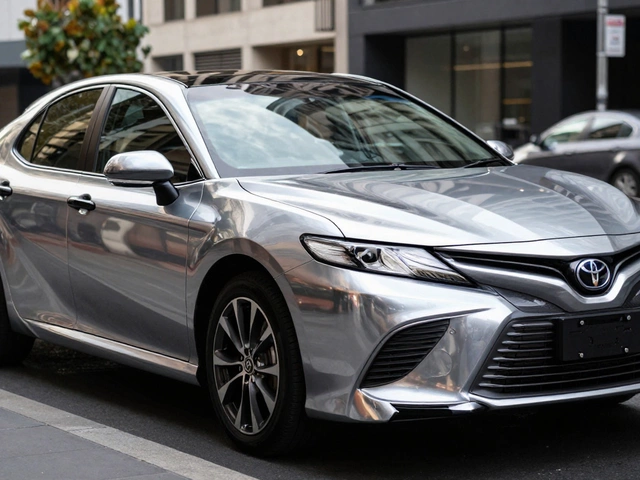
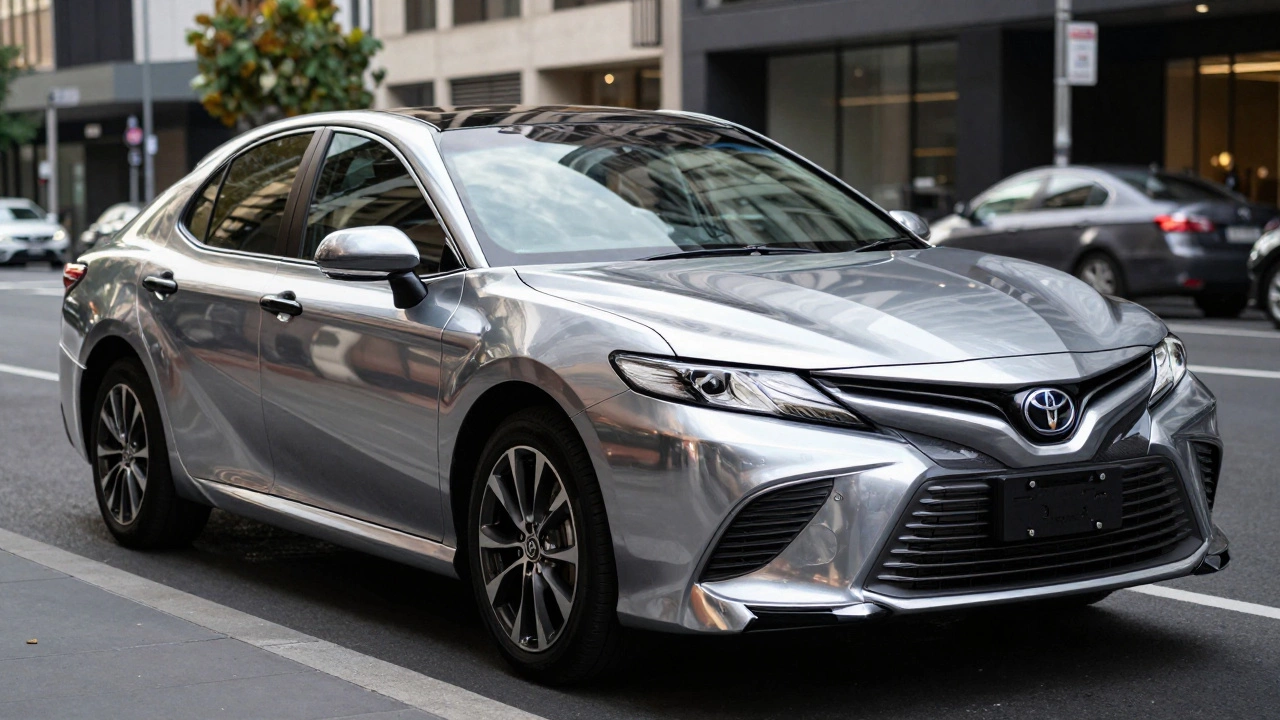
You’ve heard the myths: “Neon green will kill your resale value.” “Matte black is a buyer killer.” Maybe. But here’s the truth: most people don’t buy used cars based on color alone. They buy based on condition, price, and reliability. A bold wrap might turn off a few buyers, but it also attracts a niche group willing to pay more.Take the example of a 2021 Toyota Camry with a factory white paint job. It’s fine. Safe. Boring. Now, same car, wrapped in a high-gloss chrome finish. Same mileage. Same service history. Which one gets more attention at a dealership? Which one gets more online views? The chrome one. And in a competitive market, attention translates to faster sales-and sometimes higher offers.
There’s data from the Australian Used Car Market Report (2024) showing that vehicles with professional wraps sold 17% faster than identical models with original paint, especially in urban areas like Melbourne and Sydney. The wrap didn’t hurt value-it created demand.
Insurance and Warranty Implications
Some people worry that wrapping a car voids the warranty. It doesn’t. Factory warranties cover defects in materials and workmanship-not cosmetic changes. As long as the wrap is removable and doesn’t damage the paint, your warranty stays intact.Insurance companies also don’t penalize you for wraps. They assess the vehicle’s base value based on make, model, year, and condition-not the wrap. If you total the car, you’ll be paid out based on the pre-wrap value. The wrap itself isn’t factored in unless you’ve added it as a custom modification (which most people don’t).
When a Wrap Might Hurt Value
There are exceptions. If you’re selling to a collector or a classic car enthusiast, originality is everything. A 1967 Mustang with factory paint is worth far more than one with a wrap-even if the wrap looks amazing. But if you’re driving a 2020 Honda Civic, no one’s collecting it. It’s a tool, not a trophy.Also, if you’re planning to sell within a year and you didn’t budget for removal, that’s a problem. Wraps cost $1,500-$4,000 to install. Removal costs $300-$800. If you skip removal, the buyer might assume the paint underneath is ruined. That’s a risk you can’t afford.
The Smart Way to Wrap for Resale
Want to wrap your car and still get top dollar when you sell? Here’s how:- Use professional-grade vinyl (3M, Avery Dennison, Oracal)
- Get it done by a certified installer with at least 5 years of experience
- Keep receipts and photos of the installation
- Don’t wrap over existing damage-fix it first
- Plan to remove the wrap before selling (or offer removal as part of the sale)
- Store the original panels or paint samples if you’re keeping the wrap on
That’s it. No magic. No guesswork. Just smart prep.
Wraps Are an Investment, Not a Risk
The idea that wraps devalue cars comes from old-school thinking. Back in the 2000s, wraps were cheap, bubbly, and temporary. Today? They’re engineered for durability, UV resistance, and clean removal. Many manufacturers even use wraps on new cars at dealerships to protect them during transport.If you’re worried about resale, focus on the basics: keep the car clean, service it on time, and avoid dents. A wrap? It’s just another layer of protection. Done right, it doesn’t hurt value-it preserves it. And in a market where every scratch counts, that’s worth more than you think.
Does removing a car wrap damage the paint?
No, not if it was installed correctly and removed by a professional. Modern vinyl wraps are designed to peel off cleanly without leaving adhesive residue or pulling off paint. The key is timing and technique. Wraps installed on factory paint that’s less than five years old usually come off perfectly. Older paint or poorly maintained wraps are riskier, but that’s not the wrap’s fault-it’s the paint’s condition.
Can I wrap a leased car?
Yes, and it’s often encouraged. Many lease companies prefer wraps because they protect the original paint and make returns easier. Just make sure the wrap is removable and you plan to take it off before returning the vehicle. Some leases even offer wrap packages as part of their customization options.
Are wraps cheaper than repainting?
Generally, yes. A full car wrap costs between $1,500 and $4,000, depending on complexity and material. A professional paint job, especially with custom colors or multiple coats, can easily hit $5,000 to $8,000. Wraps also take less time-often under a week-compared to paint, which can take two weeks or more due to curing times.
Do wraps fade or peel over time?
Low-quality wraps can, but top-tier vinyl lasts 5-7 years with proper care. UV-resistant films from brands like 3M and Avery Dennison are rated to resist fading and cracking. Regular washing and avoiding harsh pressure washers at high angles will keep your wrap looking new. Peeling usually happens only if the installation was poor or the car was exposed to extreme heat without maintenance.
Will a wrap affect my car’s warranty?
No. Car warranties cover manufacturing defects, not cosmetic modifications. As long as the wrap doesn’t cause damage to the body or paint, your warranty remains valid. Manufacturers like Ford and Toyota even use wraps on new vehicles in showrooms to protect them during transit. That’s a clear sign they don’t see wraps as a threat.