Wheel Material Diagnostic Tool
Perform a virtual diagnostic to identify your wheel material. Answer the questions below based on your physical inspection.
Awaiting Data
Enter your observations in the left panel and click "Analyze Wheel Type" to see the diagnosis.
| Material | Magnet Response | Sound | Common Use |
|---|---|---|---|
| Low-Carbon Steel | Strong Attraction | Ringing | Economy cars, winter wheels |
| Cast Aluminum Alloy | No Reaction | Dull Thud | Standard passenger vehicles |
| Forged Aluminum | No Reaction | Dull Thud | High-performance sports cars |
| Magnesium Alloy | No Reaction | Dull Thud | Racing, luxury supercars |
| Steel w/ Plastic Cap | Weak/None* | Ringing (if cap removed) | Older models, aesthetic upgrades |
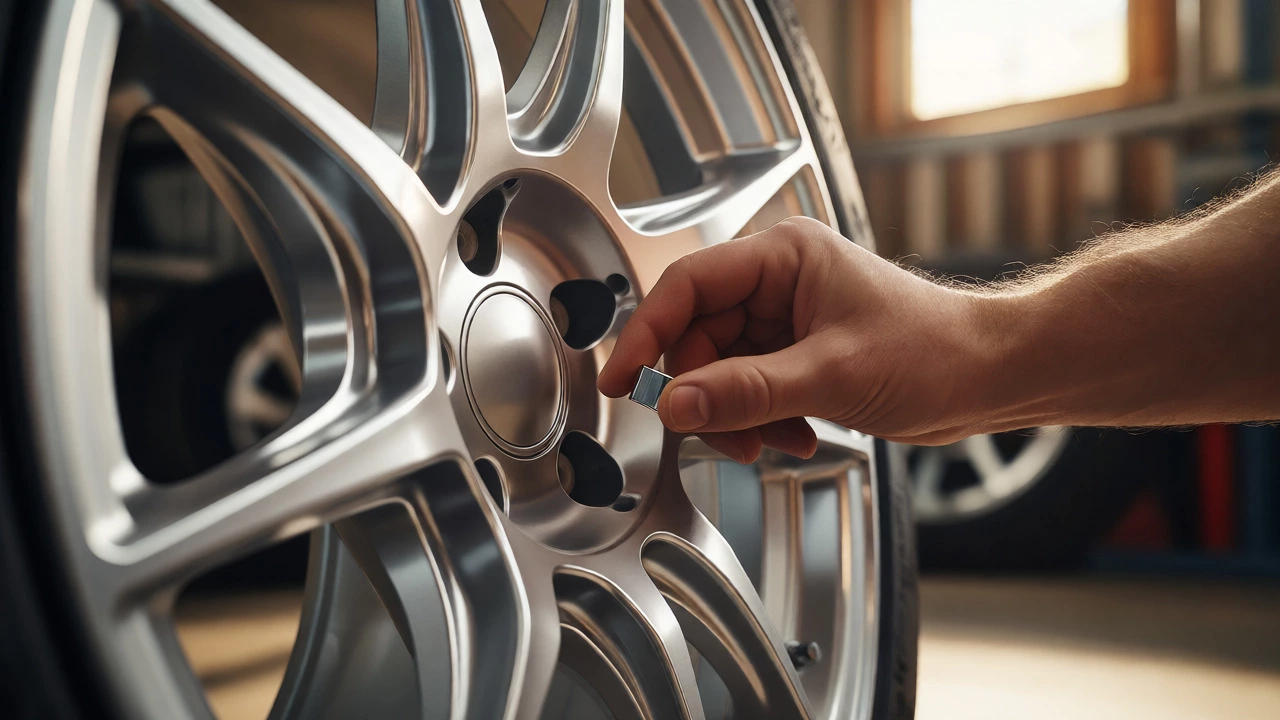
You’re standing in your driveway or garage, holding a fridge magnet against the face of your car’s wheel. It slides right off like it’s greased up. Does that mean you’ve got expensive alloy wheels that are worth something, or did someone swap them for cheap plastic covers without telling you? This simple test is one of the quickest ways to identify what your wheels are actually made of, but it’s not as black-and-white as "stuck means steel, didn't stick means alloy." There are exceptions, tricky coatings, and specific alloys that behave differently.
Most people ask this question because they want to know two things: how much their wheels are worth if they sell them, or whether they can use magnetic tools (like dial indicators or certain cleaning gadgets) on them. The short answer is that standard magnets generally do not stick to modern aluminum alloy wheels. However, the reality involves a bit more nuance regarding iron content, wheel construction methods, and the type of magnet you’re using.
The Basic Physics: Why Magnets Ignore Aluminum
To understand why the magnet falls off, we have to look at the materials themselves. Most factory wheels come in two main flavors: steel or aluminum alloy. Steel is primarily composed of iron, which is ferromagnetic. This means it has unpaired electrons that align with magnetic fields, creating a strong attraction. If you press a neodymium magnet against a raw steel wheel, it snaps on hard enough to require some force to pull off.
Aluminum, on the other hand, is paramagnetic. In plain English, this means it is very weakly attracted to magnetic fields-so weakly that a standard household magnet cannot detect it. You would need incredibly powerful laboratory-grade electromagnets to see any movement from an aluminum block. For all practical automotive purposes, aluminum is considered non-magnetic. So, if your wheel is pure aluminum alloy, the magnet will slide around freely, offering zero resistance.
| Material Type | Magnet Response | Common Use Case |
|---|---|---|
| Low-Carbon Steel | Strong Attraction | Economy cars, winter wheels |
| Cast Aluminum Alloy | No Reaction | Standard passenger vehicles |
| Forged Aluminum | No Reaction | High-performance sports cars |
| Magnesium Alloy | No Reaction | Racing, luxury supercars |
| Steel Rim with Plastic Cap | Weak/No Reaction* | Older models, aesthetic upgrades |
The Exception: When Alloys Contain Iron
Here is where things get interesting. Not all "alloys" are created equal. While the vast majority of consumer vehicle wheels are aluminum-based, there are historical and niche exceptions. Some older European vehicles used magnesium alloys, which are also non-magnetic. But what about cast iron? Some heavy-duty trucks or vintage vehicles might still utilize cast iron components, though these are rare for standard passenger car wheels today.
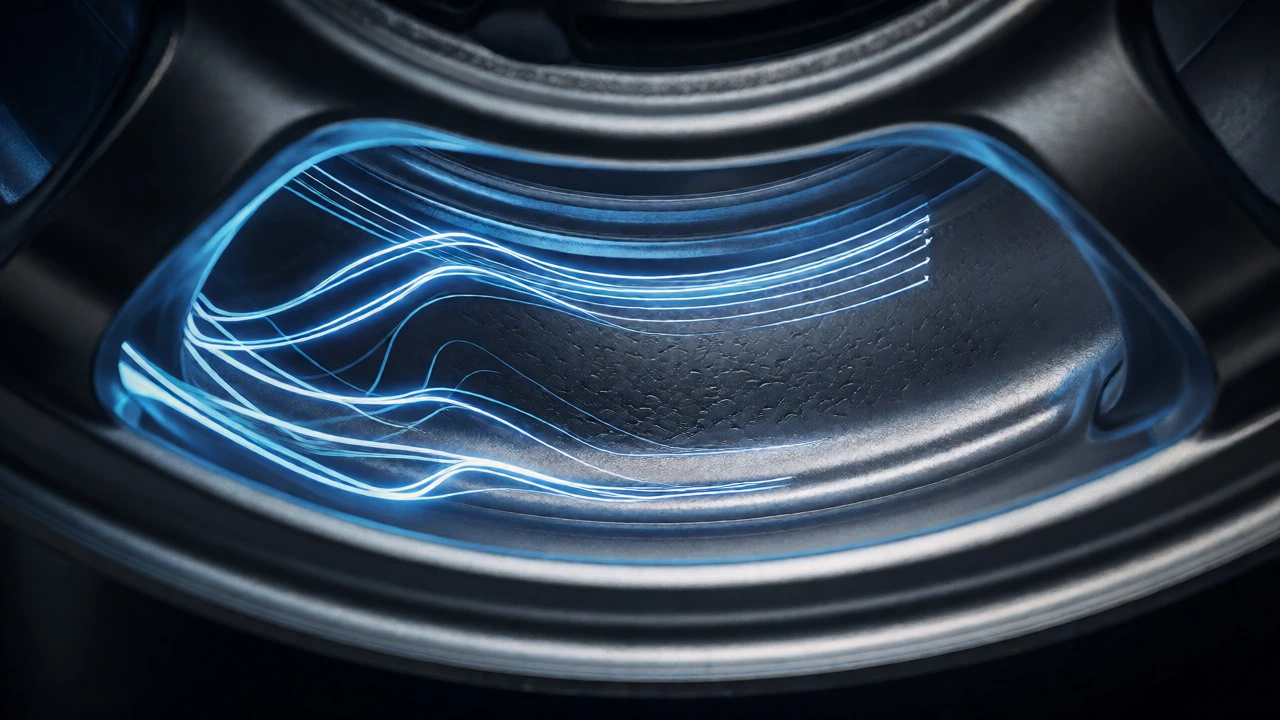
More commonly, you might encounter a situation where a small amount of iron is present in the alloy mix. Standard aluminum alloys (like the common A356 grade used in casting) contain silicon and magnesium, but trace amounts of iron are often unavoidable during the recycling and casting process. These traces are usually too low to attract a standard fridge magnet. However, if you are testing with a high-strength neodymium magnet, you might feel a slight drag or vibration when moving the magnet across the surface. This isn't true magnetic attraction; it's eddy current damping, a phenomenon where moving a magnet near a conductive metal (like aluminum) creates opposing magnetic fields that slow the magnet down. Don't confuse this slight resistance with actual magnetic sticking.
Coatings and Caps: The False Negatives
A major reason people get confused by the magnet test is external coverings. Many steel wheels are sold with full-face plastic hubcaps or chrome-like cosmetic caps. If you press a magnet against the center of a wheel covered in thick ABS plastic, it won't stick directly to the surface. You have to push through the plastic to reach the metal underneath, or test the outer lip where the plastic cap doesn't cover.
Similarly, painted or powder-coated alloy wheels have a layer of insulation between the metal and your hand. While paint is thin enough that a strong magnet might still be felt if the wheel were steel, the primary barrier here is the material itself. If the wheel is aluminum, no amount of scraping away paint will make a magnet stick. If it’s steel, scraping the paint off the inner barrel (the part hidden behind the tire) will reveal the magnetic truth.
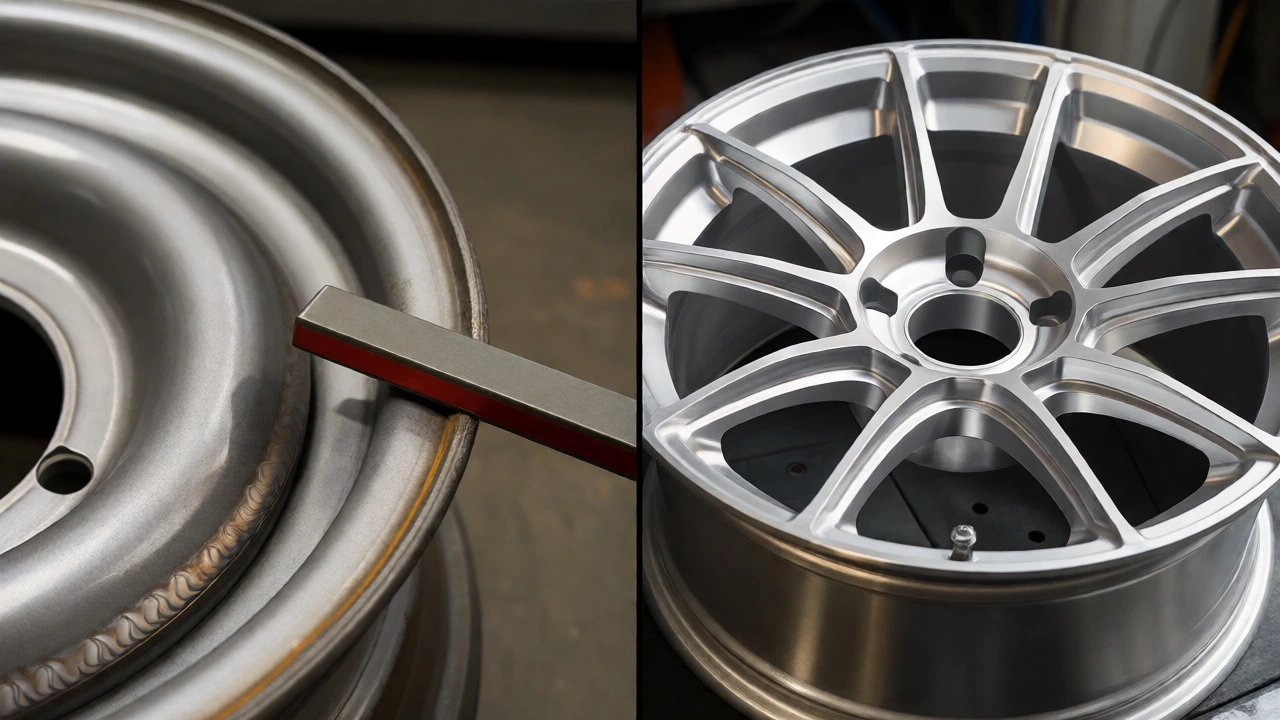
Why You Should Care: Value and Repair Implications
So why does this matter beyond satisfying curiosity? Two main reasons: resale value and repairability.
If you are selling used wheels, knowing the material dictates the price. Alloy wheels typically command higher prices than steel wheels due to their lighter weight, better heat dissipation, and aesthetic appeal. A set of clean OEM aluminum rims might fetch $100-$300 depending on size and brand, whereas matching steelies might only go for $20-$50. Misidentifying steel wheels as alloys can lead to overpricing and lost sales, while underpricing alloys leaves money on the table.
For repairs, the distinction is critical. Steel wheels are forgiving. If you bend a steel rim, you can often hammer it back into shape or weld cracks easily. Aluminum alloys are brittle. They don't bend; they crack. Attempting to straighten a bent aluminum rim with heat and force often results in catastrophic failure. Furthermore, welding aluminum requires specialized equipment (TIG welding with AC balance) compared to the simpler MIG welding used for steel. Knowing you have an alloy wheel saves you from attempting DIY fixes that could ruin the wheel entirely.
How to Perform the Test Correctly
Don’t just slap a magnet on the front face and call it a day. Follow these steps for an accurate result:
- Clean the Area: Wipe down the spot with brake cleaner or alcohol. Brake dust contains metallic particles from your brake pads and rotors, which can sometimes be magnetic and give a false positive if the dust layer is thick enough.
- Choose the Right Spot: Test multiple areas. Try the center bore area, the spokes, and crucially, the inner barrel (the inside wall of the wheel). Coatings vary in thickness, and the inner barrel is often less coated or accessible.
- Use a Strong Magnet: A refrigerator magnet is often too weak to detect subtle differences or penetrate thick clear coats. Use a small neodymium (rare earth) magnet. These are cheap, available online, and significantly stronger.
- Check for Eddy Currents: If the magnet doesn't stick but feels "heavy" or slows down when you slide it quickly across the surface, you likely have aluminum. This is a good sign! It confirms conductivity without ferromagnetism.
- Inspect the Valve Stem Hole: Look closely at the hole where the tire valve stem goes through. Sometimes the manufacturing stamp or material grain is visible here, offering visual confirmation alongside the magnetic test.
Beyond the Magnet: Other Ways to Identify Your Wheels
While the magnet test is fast, it’s not infallible. Here are three other methods to confirm your wheel type:
- Weight Check: Lift the wheel. An 18-inch steel wheel weighs roughly 20-25 lbs. An 18-inch aluminum alloy wheel of similar design weighs 15-19 lbs. Forged aluminum can be even lighter. The difference is noticeable if you lift both types.
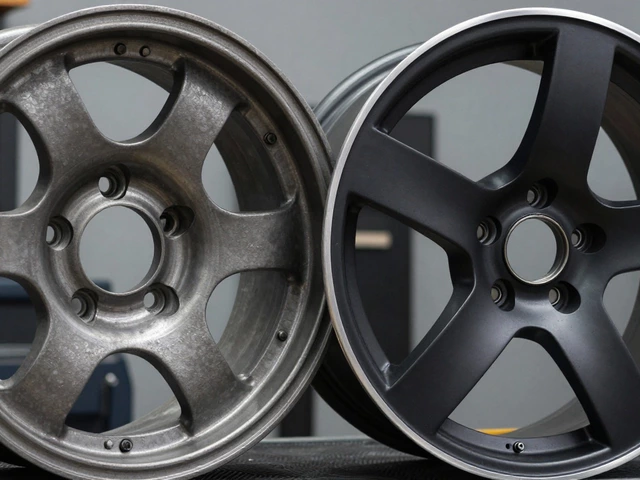
- Visual Inspection: Steel wheels usually have a simpler, stamped appearance with fewer complex curves. They often have a distinct seam line running around the circumference where the two halves were welded together. Cast aluminum wheels are molded as a single piece (one-piece cast), so they lack that circumferential weld seam, though they may have mold lines from the casting process.
- Sound Test: Tap the wheel gently with a knuckle or a coin. Steel produces a sharp, ringing tone. Aluminum produces a duller, thudding sound. This takes practice but becomes intuitive after hearing a few examples.
Special Cases: Forged vs. Cast Alloys
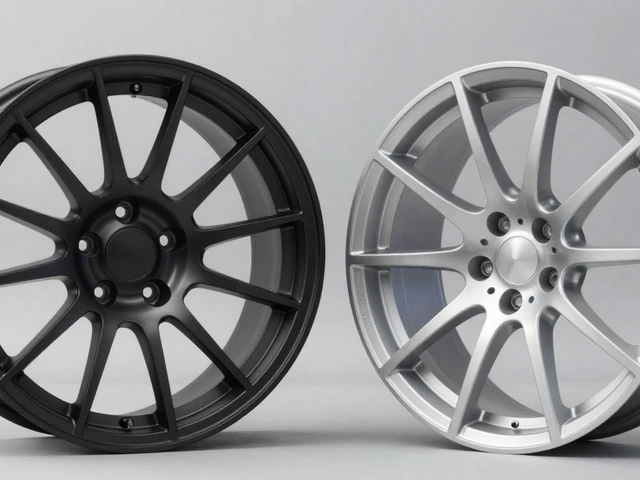
Within the world of aluminum wheels, there is a hierarchy. Cast aluminum is poured into molds. It’s cheaper, heavier, and slightly more porous. Forged aluminum starts as a solid billet of aluminum compressed under immense pressure (up to 10,000 tons). This aligns the grain structure, making the wheel stronger and lighter.
Does the magnet test distinguish between cast and forged? No. Both are aluminum alloys and neither will stick to a magnet. To tell them apart, you need to look at the back of the wheel. Forged wheels often have smoother surfaces and fewer casting marks. They also frequently carry specific branding indicating "Forged" construction. If you find a magnet stuck to a wheel you thought was forged, check carefully-it might be a steel wheel styled to look like a forged alloy, or a hybrid construction with steel inserts.
Troubleshooting Ambiguous Results
What if the magnet sticks only partially? Or sticks to the center but not the rim?
This often happens with hybrid designs. Some aftermarket manufacturers use a steel center section bolted to an aluminum outer ring, or vice versa. This allows for easier mounting of certain hardware or cost-saving measures. Another possibility is a steel wheel with a deep-dish design where the magnet hits a plastic trim piece on the outer edge but reaches bare steel on the inner face.
If you get inconsistent results, trust the weight and sound tests. If it rings like a bell and feels heavy, it’s steel, regardless of what the magnet says (perhaps you missed the magnetic spot). If it sounds dull and feels light, it’s alloy, and the magnet reaction was likely interference from brake dust or a nearby component.
Practical Applications for Enthusiasts
Knowing your wheel material helps in several practical scenarios:
- Winter Storage: If you store steel wheels outside, they rust. Alloy wheels corrode differently (oxidize), forming white powdery deposits rather than red rust. Cleaning routines differ accordingly.
- Polishing: You can polish bare steel wheels aggressively. Polishing aluminum requires care to avoid cutting through the clear coat or causing oxidation burns.
- Mounting Balancing Weights: Adhesive weights are standard for alloys. Clip-on weights are common for steel. Using clip-ons on alloys can damage the finish; using adhesives on steel can fail due to heat and road grime. Matching the weight type to the material ensures long-term balance integrity.
Ultimately, the magnet test is a quick heuristic, not a definitive lab analysis. For most drivers, it answers the immediate question: "Is this steel or aluminum?" With a little care and context, it provides reliable guidance for maintenance, valuation, and modification decisions.
Do all alloy wheels reject magnets?
Yes, virtually all modern passenger vehicle alloy wheels are made of aluminum or magnesium alloys, which are non-ferromagnetic. Therefore, standard magnets will not stick to them. If a magnet sticks strongly, the wheel is likely steel, or it contains significant iron-based components.
Can I use a magnet to clean my alloy wheels?
You can use magnetic cleaning tools designed for wheels, but they work by attracting metallic debris (brake dust) rather than sticking to the wheel itself. Since alloys aren't magnetic, the tool won't attach to the wheel surface, but it can still help pull ferrous particles out of the crevices when used with a brush.
Are forged wheels different from cast wheels in terms of magnetism?
No. Both forged and cast wheels are typically made from aluminum alloys. Neither will attract a magnet. The difference lies in their structural integrity, weight, and manufacturing process, not their magnetic properties.
Why does my magnet feel heavy on my aluminum wheel?
This is likely due to eddy currents. When you move a strong magnet near a conductive metal like aluminum, it induces electrical currents that create a opposing magnetic field. This causes drag or resistance, making the magnet feel "heavy" or slow-moving, but it is not true magnetic attraction.
Do steel wheels have any advantages over alloys?
Yes. Steel wheels are generally cheaper, more durable against pothole impacts (they bend rather than crack), and easier to repair via welding. They are also preferred for winter driving in many regions because they handle salt and slush corrosion differently and are less costly to replace if damaged.