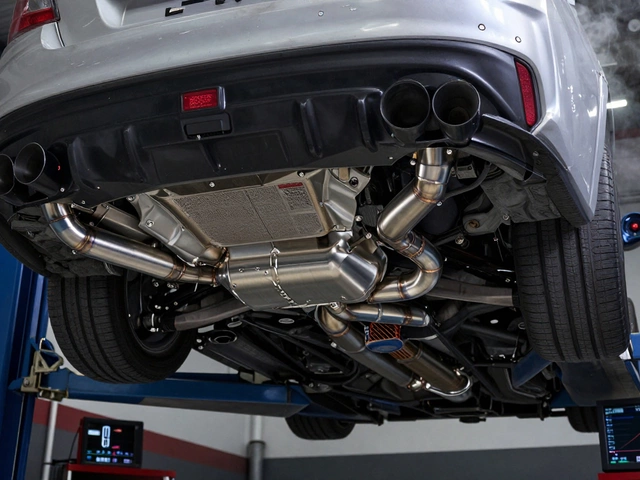
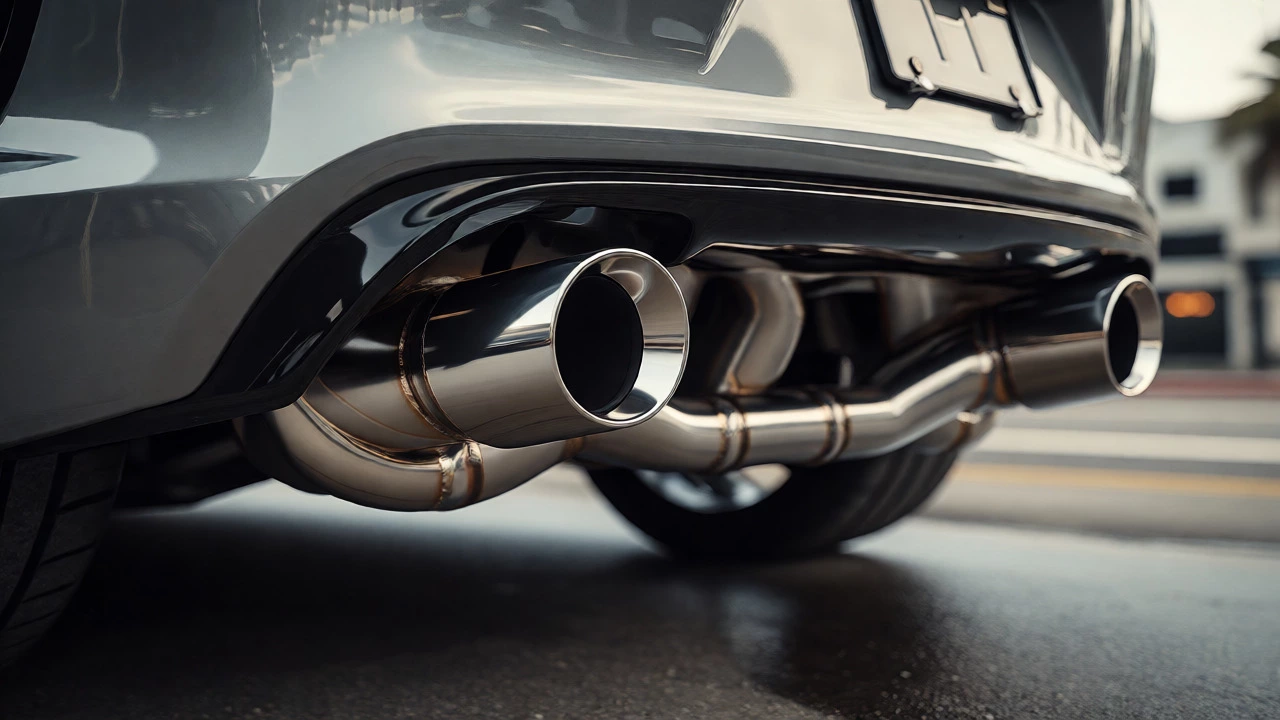
Custom Exhaust System Selector
Select your vehicle specifications and primary goal below to receive a tailored recommendation for your custom exhaust system.
You’ve probably heard the rumble of a modified car on your street and thought, "That sounds amazing." But when you actually start looking for a custom exhaust system designed to improve engine efficiency, sound, or aesthetics, the options can feel overwhelming. Do you want loud? You want power? You want it to last ten years without rusting out? Most people make one of two mistakes: they buy something too loud that drones at highway speeds, or they pick a cheap kit that leaks within six months. Choosing the right setup isn't just about ego; it’s about matching your driving style with hardware that actually works.
Define Your Goal Before You Buy
Before you look at pipes or tips, be honest about what you want. Are you chasing horsepower, or are you mostly after the soundtrack? This distinction changes everything. If you’re building a track car, you might prioritize flow and weight savings over volume. If you’re a daily commuter in Melbourne, you probably want a deep growl that doesn’t annoy your neighbors or get you fined by local police.
Consider these three common personas:
- The Daily Driver: Wants a subtle upgrade. Prefers stock-like reliability with a slightly deeper tone. Avoids excessive drone.
- The Enthusiast: Wants noticeable gains in throttle response and a distinct character sound. Willing to tolerate some cabin noise.
- The Show Car Owner: Prioritizes visual impact (chrome tips, polished bends) and maximum volume, even if it sacrifices low-end torque.
Once you pick your lane, the technical specs become much easier to filter. You don’t need a racing cat-back on a grocery-getter, and you definitely don’t want a restrictive stock muffler on a turbocharged build.
Understand the Types of Exhaust Configurations
Not all exhausts are created equal. The term "custom" often gets thrown around loosely, but technically, there are distinct designs based on how the pipes merge. Understanding these helps you predict performance outcomes.
| Configuration | Primary Benefit | Sound Profile | Best For |
|---|---|---|---|
| Cat-Back | Improves flow from catalytic converter back; easy install. | Deeper, fuller tone; minimal drone if well-tuned. | Daily drivers and mild enthusiasts. |
| Turbo-Back | Replaces downpipe and exhaust; maximizes turbo spool-up. | Loud, aggressive; potential whistle from turbos. | Turbocharged engines seeking top-end power. |
| Header-Back | Complete replacement from headers; highest flow potential. | Very loud; high-pitched scream at RPM. | Track cars and naturally aspirated builds. |
| Straight Pipe | Maximum flow; removes all restrictions. | Extremely loud; no muffling whatsoever. | Show cars; rarely legal for street use. |
A Cat-Back is the most popular choice for a reason. It keeps the emissions equipment intact (so you pass inspection) while freeing up the rear section. If you have a turbo, however, the downpipe is where the bottleneck usually sits. Upgrading to a Turbo-Back gives you better spool time, which translates to quicker acceleration off the line.
Pipe Diameter Matters More Than You Think
Here is a rule of thumb that mechanics swear by: bigger isn’t always better. If your pipe diameter is too large for your engine’s displacement, you lose exhaust velocity. Low velocity means unburnt fuel settles in the pipes instead of being expelled, killing low-end torque. Conversely, if the pipe is too small, it chokes the engine at high RPMs.
For most standard four-cylinder engines (1.5L to 2.0L), a 2.0-inch to 2.25-inch pipe is ideal. V6 engines typically perform best with 2.5-inch piping. Large V8s often require 3.0-inch systems. When you talk to a fabricator, ask them to calculate the optimal size based on your specific engine combo, not just what fits under the car. A custom shop should measure your chassis clearance before cutting metal.
Material Choice: Longevity vs. Cost
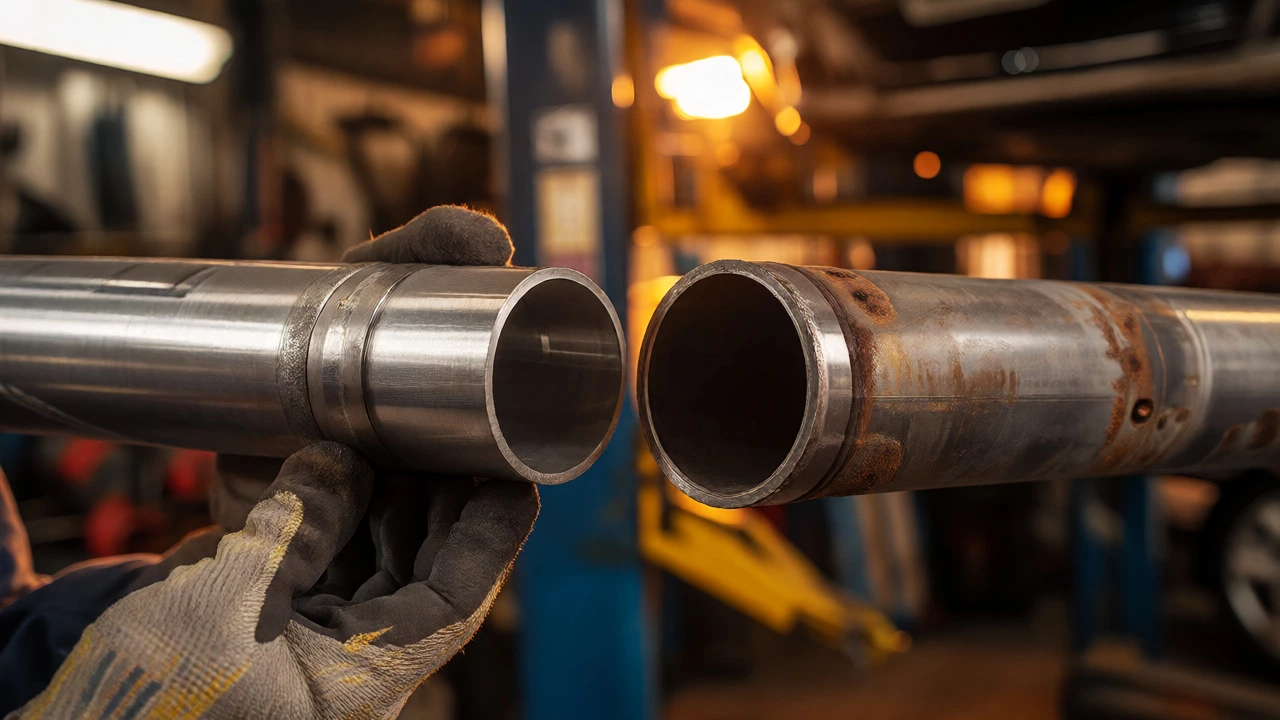
Rust is the enemy of any exhaust, especially in coastal areas like Melbourne where salt air eats through steel quickly. Your material choice dictates how long this investment lasts.
- Mild Steel: Cheap and strong, but prone to rust. Good for budget builds or cars that will be sold soon. Expect a lifespan of 3-5 years in harsh climates.
- Aluminized Steel: A middle ground. It resists corrosion better than mild steel but isn’t as durable as stainless. Common in factory setups.
- Stainless Steel (T304): The gold standard. Highly resistant to corrosion and heat. It looks good even when dirty and lasts virtually forever if welded correctly. It costs more upfront but saves money on replacements.
- Titanium: Lightweight and exotic. Offers incredible strength-to-weight ratio and unique blue/purple discoloration when heated. Very expensive and difficult to weld properly. Usually reserved for high-end supercars or dedicated track builds.
If you plan to keep your car for more than three years, spend the extra cash on T304 stainless steel. The difference in price is negligible compared to the hassle of replacing a rusted-out mild steel system later.
The Noise Factor: Managing Drone and Volume
Nothing ruins a drive faster than a constant, headache-inducing hum inside the cabin. This is called "drone," and it happens when the exhaust frequency matches the resonant frequency of your car’s interior. Cheap custom exhausts often ignore this, resulting in a system that sounds great outside but unbearable inside.
To avoid drone, look for systems with:
- Resonators: These are hollow chambers placed mid-pipe that cancel out specific frequencies. They smooth out the sound without restricting flow significantly.
- Quality Mufflers: Not all mufflers are restrictive. Modern designs use baffles and chambers to reduce noise while maintaining flow. Brands like Borla or Magnaflow offer tunable options.
- Proper Tuning: Sometimes, adding a small amount of backpressure via a tuned tip or valve system helps eliminate drone at cruise speeds.
If you hate noise, consider an active exhaust system with vacuum-operated valves. These allow you to switch between a quiet mode for city driving and an open mode for spirited runs. It’s the best of both worlds, though the complexity adds potential failure points.

Installation Quality: The Hidden Variable
You can buy the best stainless steel parts in the world, but if the installation is sloppy, the system will fail. Look for shops that use mandrel bending rather than crush bending. Mandrel bending preserves the internal diameter of the pipe during curves, ensuring smooth airflow. Crush bending collapses the pipe walls, creating turbulence and reducing performance.
Also, check the hangers. Rubber hangers degrade over time due to heat and ozone exposure. High-quality custom installs use silicone-coated hangers or adjustable rod ends that resist degradation. Ask to see photos of previous work. Do the welds look clean and uniform? Are the pipes secured tightly against vibration? Poor welding leads to cracks, which lead to leaks, which lead to loud rattles and lost performance.
Legal Compliance and Emissions
In Australia, vehicle modifications must comply with Australian Design Rules (ADR). While enforcement varies by state, removing catalytic converters is generally illegal for road-going vehicles. A custom exhaust that deletes cats might pass a quick glance but could fail a rigorous inspection or result in fines.
Additionally, noise limits are strictly enforced in many urban areas. In Victoria, for example, police can issue defect notices for excessively loud exhausts. Always ensure your chosen system meets local decibel limits. A reputable installer will know the local regulations and advise you accordingly. Don’t let a salesperson convince you that "everyone does it"-if it’s not compliant, you’re taking the risk.
Frequently Asked Questions
Does a custom exhaust really add horsepower?
Yes, but usually only if the rest of the engine is optimized. On a stock engine, you might gain 5-10 horsepower from improved flow. On a modified engine with intake and tuning upgrades, gains can exceed 20 horsepower. The primary benefit is often improved throttle response rather than peak power numbers.
Will a custom exhaust void my warranty?
Potentially. Under Australian Consumer Law, manufacturers cannot automatically void warranties for aftermarket parts unless they can prove the part caused the damage. However, if a poorly installed exhaust damages your catalytic converter or sensors, the dealer may deny coverage for those specific components. Keep receipts and installation details handy.
What is the difference between a muffler delete and a resonator delete?
A muffler delete removes the main silencer, resulting in very loud, raw sound. A resonator delete removes the smaller chamber meant to cancel drone, making the exhaust louder and raspier but less aggressive than a full delete. Resonator deletes are cheaper and reversible, making them a good test step before committing to a full system.
How much does a quality custom exhaust cost?
Prices vary widely. A basic cat-back kit starts around $500-$800 AUD. A fully custom-fabricated stainless steel system with professional installation typically ranges from $1,500 to $3,500 AUD depending on complexity and materials. Titanium systems can exceed $5,000 AUD.
Can I install a custom exhaust myself?
If it’s a bolt-on kit, yes, provided you have basic tools and jack stands. However, true custom fabrication requires welding skills, lift access, and precision measuring. Improper alignment can cause vibrations or contact with the chassis. For complex jobs, hiring a professional ensures proper fitment and safety.