
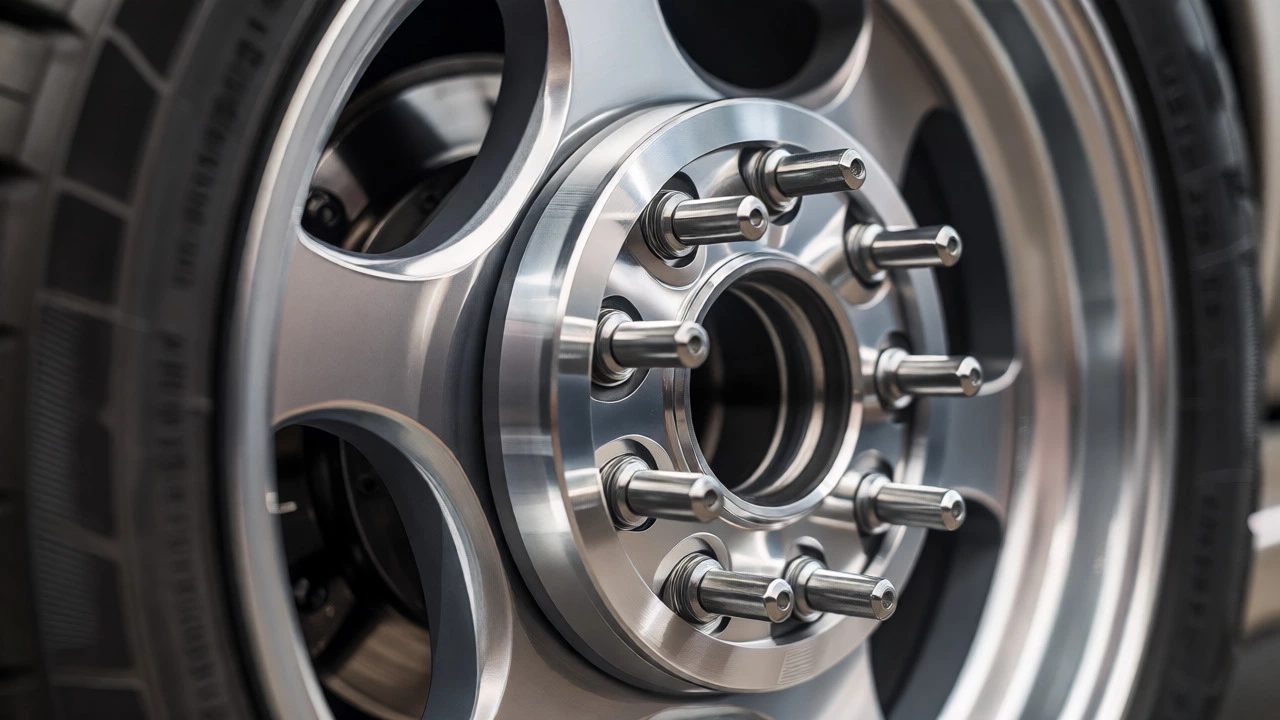
Wheel Spacer Alignment Checker
Enter your setup details below to get an instant recommendation on whether you should book an alignment appointment.
Recommendation
Risk LevelYou just bolted on those shiny new wheel spacers to give your car that aggressive stance. You’re admiring how the wheels now flush perfectly with the fenders. But then a nagging thought hits you: did messing with the wheel position break something? Specifically, do you need to pay for a four-wheel alignment?
The short answer is usually no, but there’s a big "it depends" attached to it. If you’re running small spacers (5mm to 10mm) on a stock suspension, your alignment specs likely haven’t moved enough to matter. However, if you’ve gone wide-think 20mm or more-or if your suspension components are already tired, the story changes completely. Let’s break down exactly when you can skip the shop and when you’d be crazy not to go.
How Wheel Spacers Actually Change Your Geometry
To understand why alignment might change, you have to look at what spacers physically do. They don’t alter the angles of your control arms or struts directly. Instead, they push the wheel hub further out from the centerline of the vehicle. This increases the track width, which is the distance between the left and right wheels on the same axle.
Here’s where it gets technical but stays simple: increasing track width changes the scrub radius. Scrub radius is the distance between the point where the steering axis intersects the ground and the center of the tire’s contact patch. When you add spacers, you shift that contact patch outward. For most street cars, this shift is minor. But if you drive a front-wheel-drive vehicle with MacPherson struts, even a small change in scrub radius can affect steering feel and torque steer. It doesn’t necessarily throw off camber or toe, but it does change how the tires interact with the road surface.
Think of it like holding a shopping cart handle. If you push straight ahead, it goes straight. If you offset the force slightly, it pulls one way. Spacers offset the force application point. On a healthy suspension, the system absorbs this fine. On a worn one, it amplifies the issue.
When You Can Safely Skip the Alignment
For the vast majority of daily drivers, skipping the alignment after installing modest spacers is perfectly safe. If you fit hub-centric wheel spacers that are 5mm to 10mm thick, and your current alignment was within spec before installation, you likely won’t notice any difference in handling or tire wear.
Why? Because these thin spacers don’t move the wheel far enough to significantly alter the suspension’s kinematic relationships. The camber (tilt of the wheel inward or outward) and toe (angle of the wheels pointing in or out) remain effectively unchanged. The suspension geometry hasn’t been forced to bend or twist in a way that shifts these critical angles.
You can confidently skip the alignment check if:
- Your spacers are under 15mm in thickness.
- You used high-quality, machined aluminum or steel spacers with proper lug nut torque.
- Your existing alignment was recent (within the last 6 months) and showed no signs of uneven tire wear.
- You drive primarily on smooth, paved roads without hitting deep potholes regularly.
In Melbourne, where road surfaces vary wildly from smooth highways to rougher suburban streets, keep an eye on your tires. If you see inner-edge wear developing quickly, that’s your sign the geometry has shifted more than expected.
The Cases Where Alignment Is Non-Negotiable
Not all spacer setups are created equal. There are specific scenarios where ignoring alignment is a recipe for premature tire destruction and unsafe handling.
First, consider large spacers. Anything over 20mm begins to place significant lateral load on your wheel bearings and tie rod ends. While this doesn’t automatically change static alignment angles, it stresses the components that hold those angles in place. If your ball joints or bushings are old, the extra leverage from the wider track can cause them to deflect, leading to dynamic misalignment while driving.
Second, look at your suspension type. Cars with multi-link rear suspensions or complex front geometries are more sensitive to track width changes. A Subaru WRX or a BMW M3, for example, relies on precise linkage to maintain stability. Pushing the wheels out too far can induce bump steer-a phenomenon where the wheels turn slightly as the suspension compresses. This feels like the car wandering on the highway and definitely requires a professional alignment to correct.
Third, if you’re combining spacers with other modifications, such as lowering springs or coilovers, you must align. Lowering springs change camber and toe on their own. Adding spacers compounds these changes. Trying to guess the combined effect is impossible without measurement tools.
| Spacer Thickness | Suspension Condition | Alignment Recommendation | Risk Factor |
|---|---|---|---|
| 5mm - 10mm | New / Healthy | Optional | Low |
| 5mm - 10mm | Worn Bushings | Recommended | Medium |
| 15mm - 20mm | Stock Suspension | Strongly Recommended | High |
| 20mm+ | Any | Mandatory | Very High |
| Any Size | Lowered / Modified | Mandatory | Very High |
Signs Your Alignment Is Off After Installation
You don’t always need to guess. Your car will tell you if the geometry is wrong. Pay attention to these symptoms immediately after installing your spacers.
Steering Pull: Does the car drift to one side when you let go of the wheel on a flat road? If it pulls consistently toward the shoulder or the median, your toe settings are likely skewed. This is the most common complaint after improper spacer installation or using non-hub-centric rings incorrectly.
Vibration: If you feel a shimmy through the steering wheel at speeds above 80 km/h, it could be imbalance, but it can also indicate bent tie rods or stressed bearings due to altered leverage. Check your wheel balance first, but if that’s clean, suspect alignment issues.
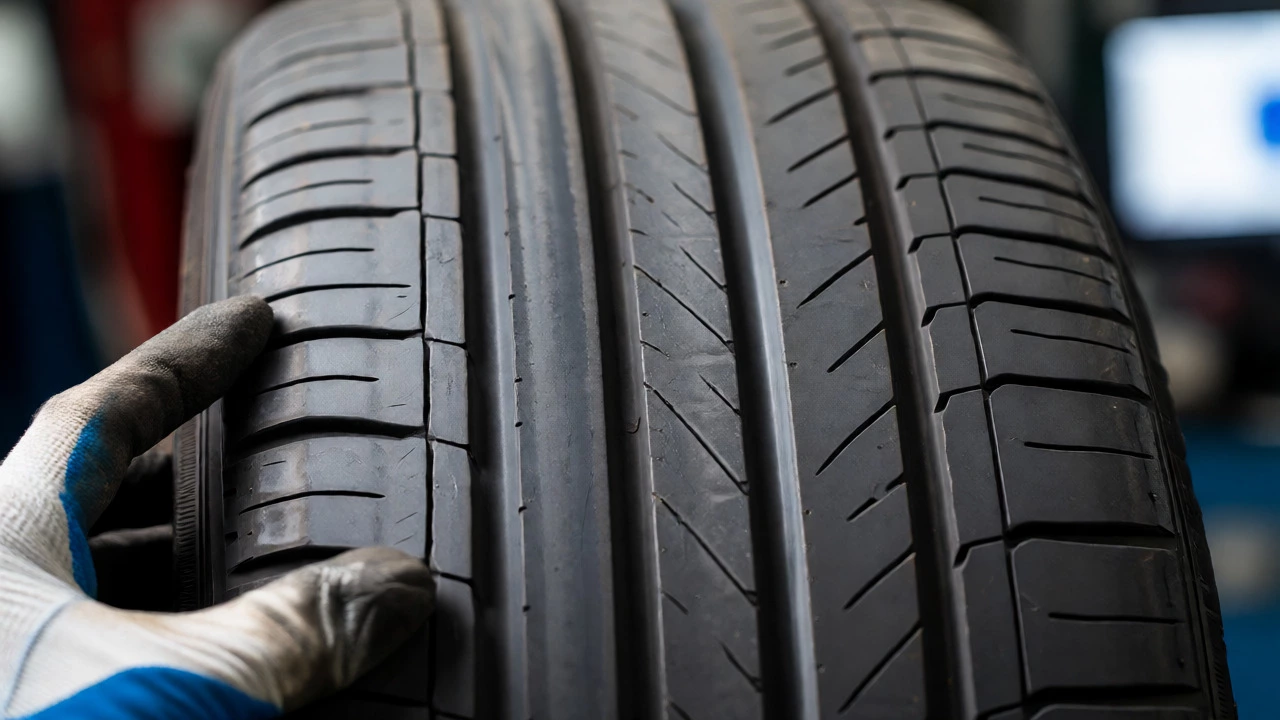
Uneven Tire Wear: Run your hand across the tread of your front tires. If the inside edge feels smooth while the outside is still knobby (or vice versa), you have a camber problem. Spacers alone rarely cause severe camber wear unless the suspension is already compromised, but they accelerate the wear pattern if present.
Noisy Suspension: Clunking or creaking noises when turning at low speeds can indicate that the increased track width is putting undue stress on CV joints or sway bar links. While not strictly an "alignment" angle issue, it’s a direct consequence of changing wheel offset and often requires geometric adjustment or component replacement.
The Hub-Centric vs. Lug-Centric Debate
This is crucial for Melbourne drivers who care about precision. Using lug-centric spacers without proper centering rings is a common mistake. If the spacer isn’t centered on the hub bore, the wheel runs true but the spacer itself might be slightly off-axis relative to the hub. This creates a vibration that mimics alignment issues but is actually a balancing problem.
Always opt for hub-centric designs where the spacer has a protruding lip that fits into the wheel’s center bore and a corresponding recess for the hub. This ensures the wheel rotates around the exact same axis as the original factory setup. If you use cheap, generic spacers that rely solely on the lug nuts to center the wheel, you risk micro-movements that can loosen bolts and confuse alignment sensors during checks.
If you’re unsure whether your spacers are truly hub-centric, remove one wheel and inspect the interface. Look for metal-to-metal contact between the spacer and the hub face. Any gap means potential runout. Fix this before paying for an alignment, because the shop might blame bad alignment for a mechanical fitment error.
DIY Checks Before You Book the Shop
Before spending $150-$200 AUD at a local tyre shop, do a quick visual inspection. Park your car on level ground. Turn the steering wheel so the tires are straight. Walk around the car and look at the front wheels from behind. Do they look parallel? Or does one toe out noticeably compared to the other?
Check your lug nut torque. Use a torque wrench to ensure all spacers are tightened to the manufacturer’s specification, typically between 80-100 Nm for passenger cars. Loose spacers cause wobble, which ruins alignment readings and damages studs.
Finally, take a test drive on a known straight, flat stretch of road, like the West Gate Bridge approach. Hold the wheel loosely. If the car tracks dead straight for several seconds, your alignment is probably fine. If it wanders or pulls, book an appointment.
Will wheel spacers void my warranty?
In Australia, under the Australian Consumer Law, modifications generally do not void the entire vehicle warranty. However, if the spacers cause damage to suspension components (like wheel bearings or CV joints) due to increased stress, the dealer may deny claims related specifically to those parts. Always use high-quality spacers and keep receipts to prove they meet engineering standards.
Can I install spacers myself?
Yes, installing wheel spacers is a straightforward DIY task requiring basic tools: a jack, axle stands, and a torque wrench. The critical step is cleaning the hub face thoroughly before installation. Any rust or debris prevents proper seating, leading to vibrations. Ensure you use the correct thread length for your extended studs or longer lug nuts provided with the spacers.
Do spacers affect fuel economy?
Minimal impact. Wider track width slightly increases rolling resistance and aerodynamic drag, potentially reducing fuel efficiency by 1-2%. In real-world driving, this is negligible for most commuters. The bigger factor is weight; heavy steel spacers add unsprung mass, which can marginally affect acceleration and braking performance.
What happens if I don't align after large spacers?
You risk rapid, uneven tire wear, particularly on the inner edges. Over time, the added leverage on suspension components can accelerate wear on ball joints, tie rod ends, and wheel bearings. Handling may become unpredictable, especially in wet conditions, as the contact patches are no longer optimized for the vehicle's dynamics.
Are expensive spacers worth it?
Generally, yes. Cheap cast spacers can have porosity and inconsistent tolerances, leading to imbalance and cracking under stress. Machined billet aluminum or forged steel spacers offer better strength, lighter weight, and precise centering. Given they connect your car to the road, saving $20 isn't worth the risk of failure at highway speeds.