LED Headlight Upgrade Suitability Checker
Answer these questions to determine if an aftermarket LED retrofit is a good idea for you or if you should stick with Halogens/Projectors.
Your Recommendation
Key Considerations:
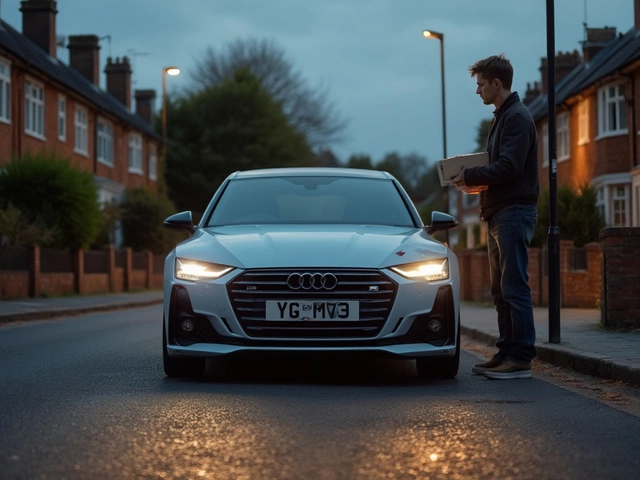
You just bought a shiny new set of LED bulbs for your car. The packaging promises brighter light, lower power consumption, and a cooler look. You swap them in, turn the switch on, and... wait. Why is that guy behind you flashing his high beams at you? Or why does your dashboard now have an angry warning light that wasn't there before? It’s frustrating. Many drivers assume upgrading from halogen to LED headlights is a simple plug-and-play upgrade. But it’s rarely that straightforward.
While LEDs are objectively better technology in terms of efficiency and lifespan, swapping them into fixtures designed for old-school filaments creates a host of specific problems. If you’re considering this mod, you need to know what you’re getting into. Let’s break down the real headaches people face when making the switch.
The Glare Problem: Blinding Other Drivers
This is the biggest complaint about aftermarket LED upgrades, and honestly, it’s usually justified. Halogen bulbs emit light in all directions (360 degrees). Your headlight housing has reflectors or lenses shaped specifically to catch that scattered light and direct it onto the road. LEDs, however, are directional emitters. They shoot light forward like a flashlight beam.
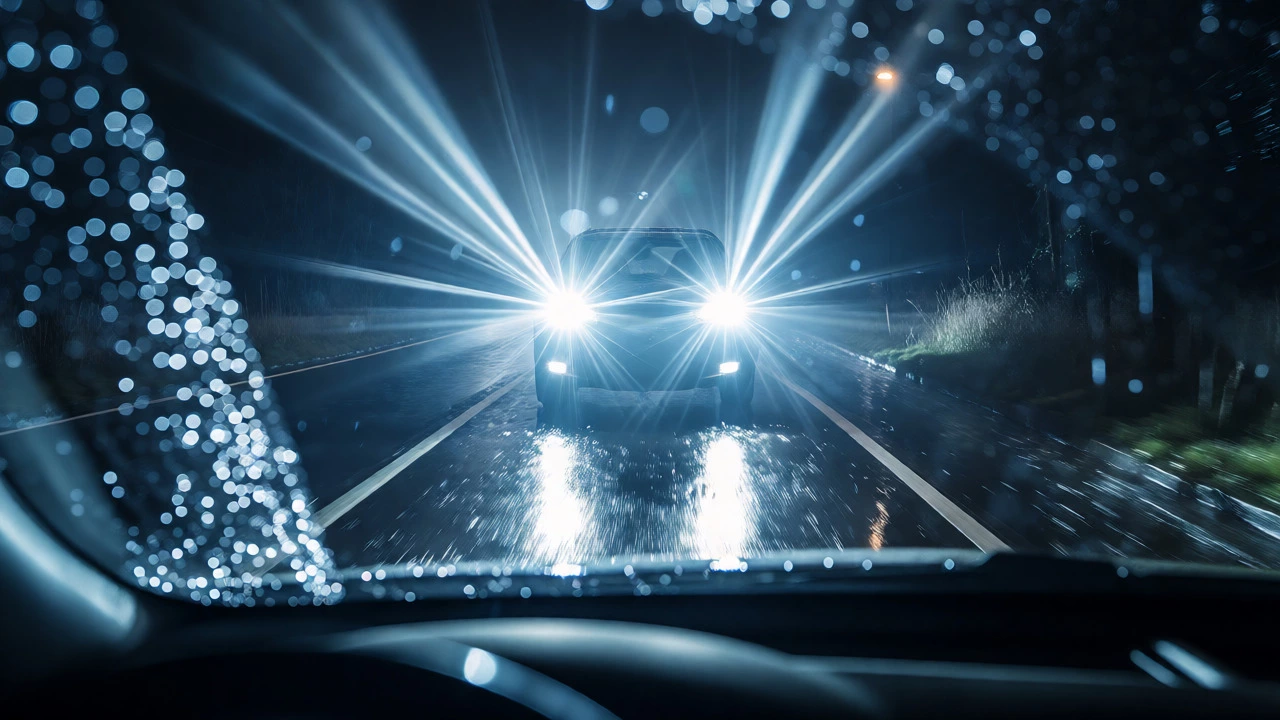
When you put an LED bulb into a reflector housing designed for a halogen filament, the light doesn’t focus correctly. Instead of a sharp cutoff line on the road, you get a messy spread of light. Some goes where it should, but a lot of it shoots upward. This creates intense glare for oncoming traffic. You might see great, but everyone else sees two suns in their rearview mirror. This isn’t just annoying; it’s dangerous. In many jurisdictions, including parts of Australia and the US, using non-compliant LED retrofits can result in fines because they fail beam pattern tests.
CANbus Errors and Dashboard Warnings
Modern cars are computers on wheels. They monitor everything, including how much current flows through your lighting circuits. Halogen bulbs draw a significant amount of power (usually 55W or 60W per side). LED bulbs use far less (often 15W to 25W).
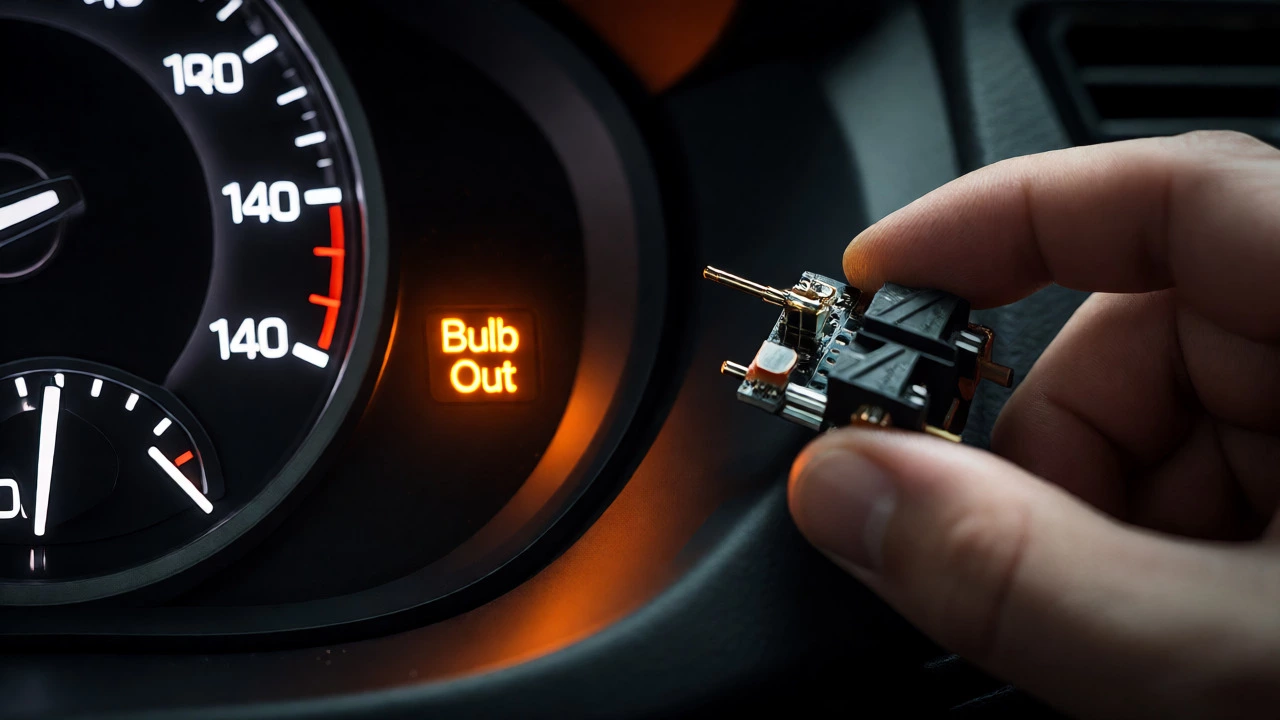
Your car’s Body Control Module (BCM) notices this drop in resistance. It thinks a bulb has burned out. So, it throws a "Bulb Out" error on your dashboard. Worse, some systems will pulse the lights rapidly (hyper-flashing) or shut off the circuit entirely to prevent overheating. To fix this, you often need to install CANbus decoders or load resistors. These components trick the computer into thinking the original power draw is still happening. Without them, you’re dealing with persistent warnings that can be genuinely distracting while driving.
Heat Management Challenges
There’s a common myth that LEDs don’t produce heat. That’s wrong. While they don’t radiate heat forward like halogens do (which melts plastic lenses over time), the LED chip itself generates significant heat at its base. If that heat isn’t dissipated, the diode degrades quickly or fails completely.
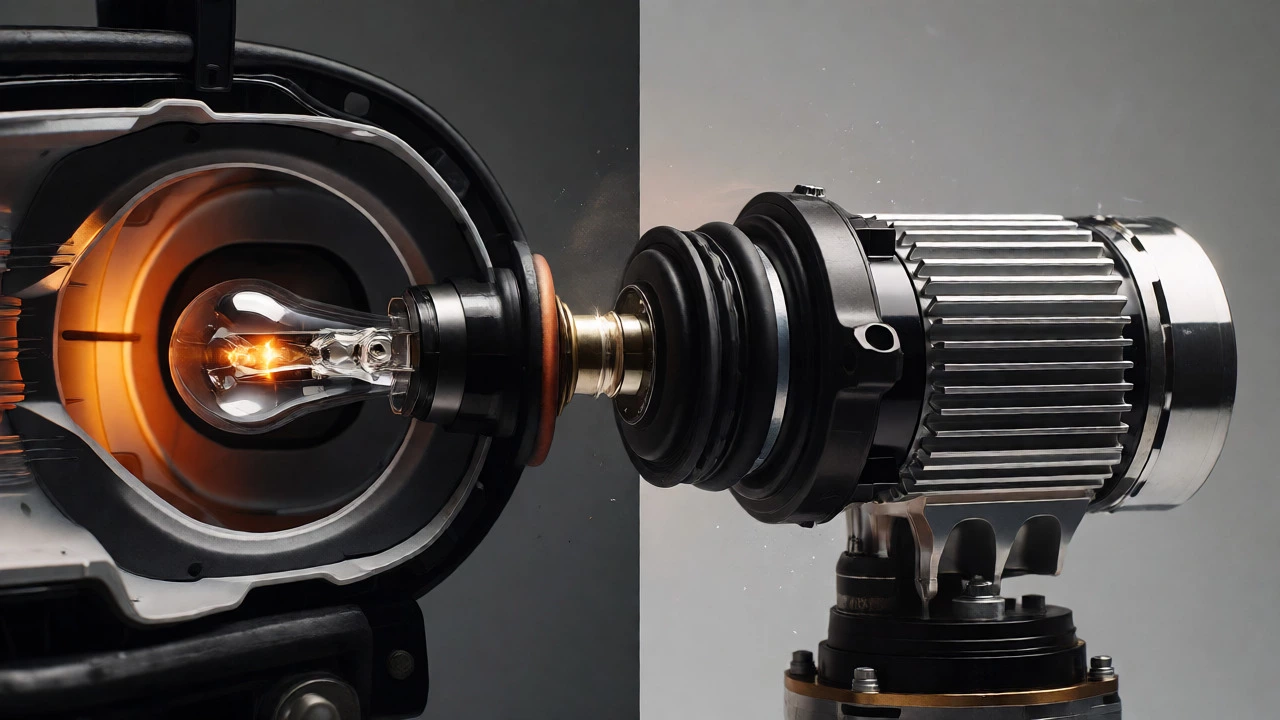
Most cheap LED retrofit kits rely on small aluminum heatsinks and tiny fans. In a confined headlight housing, airflow is poor. If the fan clogs with dust or fails, the temperature spikes. This leads to premature failure. Unlike a halogen bulb that just stops working, a failing LED might flicker or change color temperature before dying. High-quality units use larger heatsinks or even liquid cooling, but those are bulky and may not fit inside smaller headlight assemblies.
Fitting Issues and Physical Compatibility
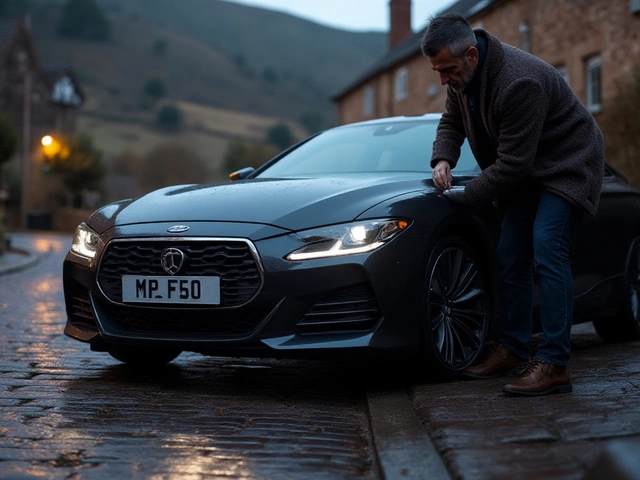
Headlight housings vary wildly between car models. What fits a Toyota Corolla might not fit a Honda Civic. LED bulbs are often bulkier than halogens due to the driver electronics and cooling mechanisms attached to the back. You might find that:
- The rubber boot won’t seal properly, letting moisture and dust into the housing.
- The bulb hits the back of the headlight assembly, preventing proper seating.
- The adjustment mechanism is blocked, so you can’t aim the beams correctly.
If the bulb isn’t seated perfectly, the beam pattern shifts. Even a few millimeters off can ruin the focus, sending light into the sky instead of the road.
Color Temperature and Visibility in Bad Weather
People love the crisp white or blue-white look of 6000K LEDs. It looks modern. However, physics dictates that shorter wavelengths (blue/violet end of the spectrum) scatter more easily in fog, rain, and snow. This is known as Rayleigh scattering.
In heavy fog, a bright white LED can actually reduce visibility compared to a yellow-tinted halogen. The light reflects back off the water droplets directly into your eyes, creating a wall of white glare. For drivers in wet climates like Melbourne or Seattle, a slightly warmer color temperature (around 4300K-5000K) often provides better penetration and contrast during adverse weather conditions.
Cost vs. Benefit Analysis
Let’s look at the numbers. A pair of decent halogen bulbs costs $10-$20. A quality LED retrofit kit ranges from $50 to $150+. Add in potential CANbus decoders ($20-$40) and maybe professional installation if you’re not handy, and the price gap widens.
| Feature | Halogen Bulbs | Aftermarket LED Kit |
|---|---|---|
| Initial Cost | Low ($10-$20) | Medium-High ($50-$150+) |
| Lifespan | Short (450-1000 hours) | Long (20,000-50,000 hours) |
| Beam Pattern Accuracy | Excellent (if housing is clean) | Poor to Fair (depends on fitment) |
| Glare Risk | Low | High (if unadjusted) |
| Electrical Load | High (55W) | Low (15-25W) |
| Installation Complexity | Simple Swap | Moderate (may need decoders/fans) |
So, is it worth it? If you drive mostly at night on dark roads and value longevity, yes. But if you live in a city with streetlights, the brightness gain is marginal, and the hassle of fixing glare and errors might not be worth the effort.
How to Minimize the Problems
You don’t have to avoid LEDs entirely. You just need to be smarter about the upgrade.
- Check Beam Pattern Compliance: Look for kits certified by SAE or ECE standards. Brands like Philips Ultinon or Osram Night Breaker Laser LED are engineered to mimic the filament position of halogens closely.
- Buy Quality CANbus Decoders: Don’t skip these if your car requires them. Cheap ones can fail or cause electrical noise.
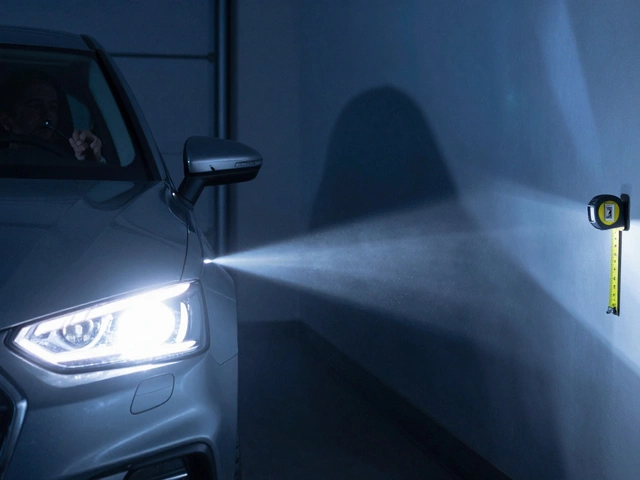
- Aim Your Lights: After installation, go to a flat parking lot at night. Adjust the vertical angle until the cutoff line is visible on a wall 25 feet away. This single step reduces glare complaints by 90%.
- Consider Projector Housings: If your car has projector lenses rather than reflectors, LEDs perform significantly better. The lens focuses the light, reducing spill and glare.
Why do my LED headlights flicker?
Flickering is usually caused by insufficient current flow confusing the vehicle's computer, or incompatible dimmer switches in older cars. Installing a load resistor or a CANbus decoder typically resolves this issue by stabilizing the electrical signal.
Are LED headlights illegal?
It depends on your location and the specific product. Factory-installed LEDs are legal. Aftermarket retrofits into halogen housings are often technically non-compliant because they alter the beam pattern. In strict regions, you can be fined if the beam exceeds specified glare limits during inspection.
Do LED headlights melt headlight lenses?
No, LEDs generally do not melt polycarbonate lenses because they emit very little infrared radiation (heat) forward. However, if the LED bulb is not seated correctly, the concentrated heat at the base can damage internal reflectors or wiring, though this is rare with quality products.
Can I use LED bulbs in fog lights?
Yes, but caution is advised. Fog lights are positioned low and aimed downward. Bright white LEDs can create excessive glare for other drivers in foggy conditions. Yellow or amber-tinted LEDs are often recommended for fog lights to improve visibility without blinding others.
How long do LED headlights last?
Quality LED headlights are rated for 20,000 to 50,000 hours of use. This is significantly longer than halogen bulbs, which typically last 450 to 1,000 hours. However, actual lifespan depends heavily on heat management and voltage stability.