Wheel Spacer Safety & Risk Calculator
Configuration Settings
Safety Analysis
Recommendations:
- Re-torque lugs after 50km.
- Monitor for vibrations.
Sliding a piece of metal between your wheel hub and rim might seem like the easiest way to fix that awkward gap or get those wider tires to fit. But here is the question every car owner needs to answer before bolting them on: are wheel spacers actually safe for daily driving? The short answer is yes, but only if you pick the right kind, install them correctly, and understand what they do to your vehicle’s mechanics.
Using cheap, poorly designed spacers can lead to catastrophic failure while you are commuting to work. Using high-quality, engineered spacers can improve handling and aesthetics without compromising safety. Let's break down exactly how they work, why some fail, and how to ensure your setup is road-legal and reliable.
How Wheel Spacers Actually Work
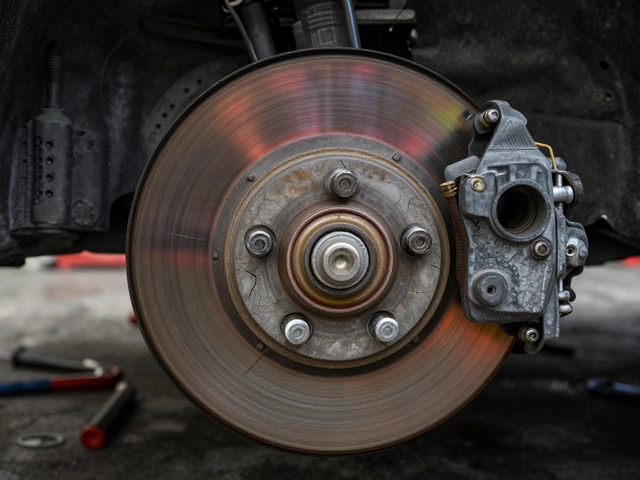
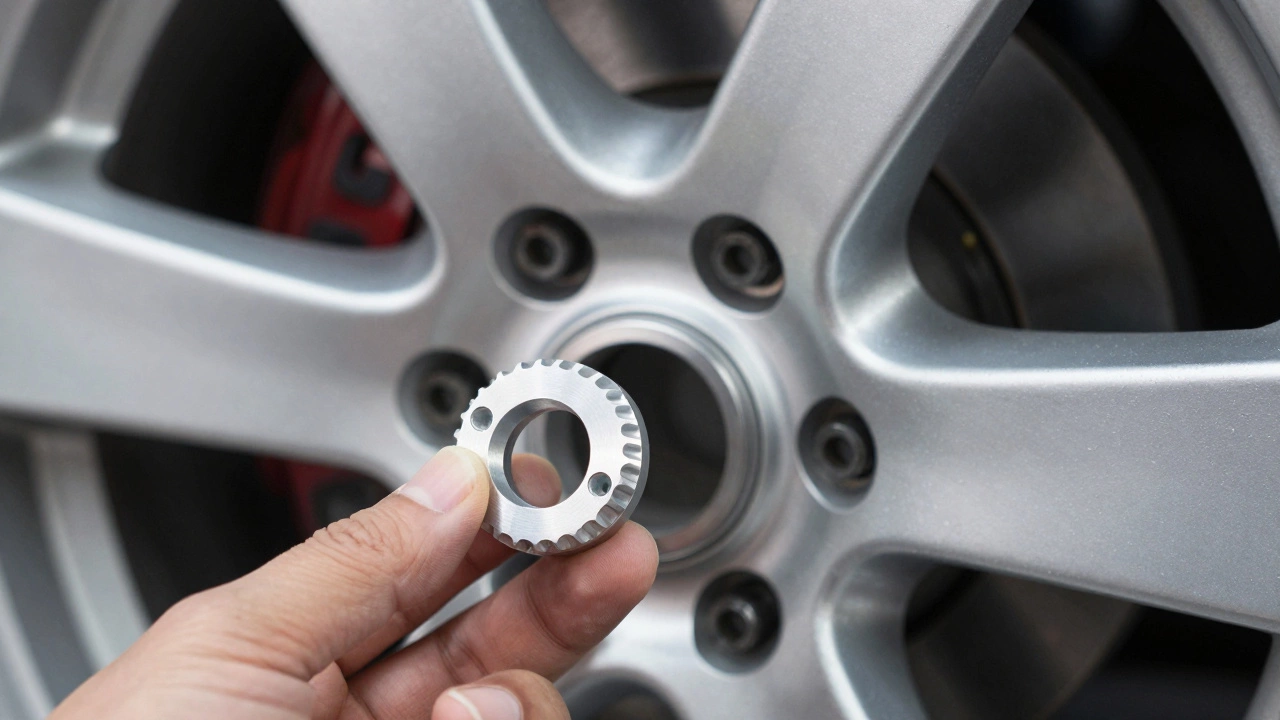
To understand the risk, you first need to understand the physics. A wheel spacer is a machined disc that sits between the wheel hub (the part attached to your axle) and the wheel itself. Its primary job is to push the wheel outward, effectively changing the track width of your vehicle.
When you add a spacer, you are increasing the distance from the center of the wheel bearing to the outer edge of the tire. This creates a longer lever arm. Think of it like holding a heavy box close to your chest versus holding it out at arm's length. Holding it out puts significantly more strain on your shoulder. Similarly, spacers increase the leverage force on your wheel bearings and suspension components.
| Spacer Thickness | Leverage Increase | Risk Level | Best Use Case |
|---|---|---|---|
| 5mm - 10mm | Negligible | Low | Clearance fixes, minor stance adjustments |
| 15mm - 25mm | Moderate | Medium | Wider wheels, improved track width |
| 30mm+ | High | High | Off-road trucks, specialized builds (requires extended studs) |
For daily drivers, keeping spacers under 25mm is generally considered safe provided the hardware is robust. Anything thicker starts to demand serious engineering considerations, including upgraded bearings and potentially modified suspension geometry.
Bolt-On vs. Slip-On: The Critical Safety Difference
This is where most people go wrong. There are two main types of spacers on the market, and one of them is dangerous for daily use.
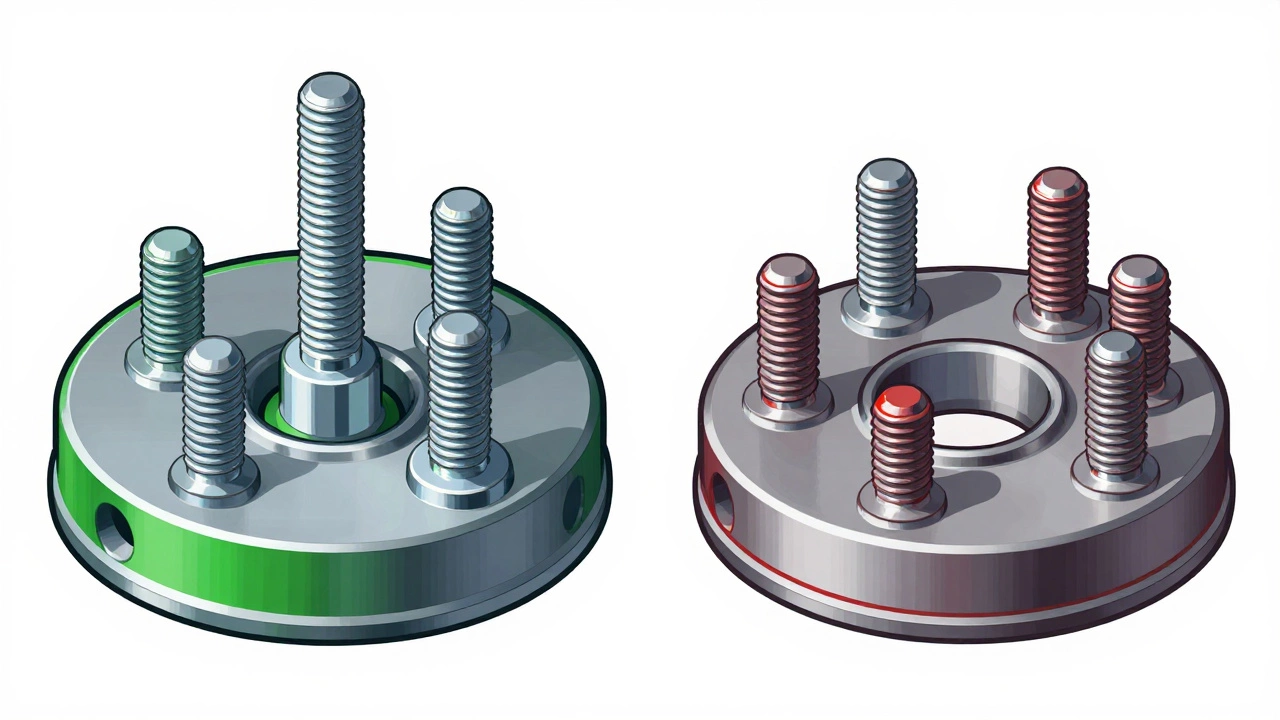
Bolt-on spacers are spacers that have threaded holes matching your wheel's lug pattern, allowing you to run long studs through the spacer into the hub. These are the gold standard. They clamp the wheel directly against the hub face with the same torque specifications as your stock wheels. The load path goes straight from the wheel, through the spacer, into the hub bolts. This is rigid, secure, and safe.
Slip-on spacers are spacers that slide over the existing wheel studs and rely on the original lug nuts to hold them in place. These are risky. Because the spacer slides over the stud, there is very little surface area contact between the spacer and the nut. Vibration from daily driving can cause these nuts to loosen over time. If a slip-on spacer loosens, the wheel can wobble, strip threads, or even detach. Most automotive engineers and safety experts advise against using slip-on spacers for anything other than temporary, low-speed applications.
Key Factors for Safe Daily Driving
If you decide to go ahead with spacers for your daily commute, you need to check three specific things. Ignoring any of these turns a simple modification into a potential accident waiting to happen.
- Material Quality: Cheap cast aluminum spacers are brittle. They can crack under stress or heat cycles. Look for forged 6061-T6 aluminum. This alloy is strong, lightweight, and resistant to fatigue. Avoid any spacer that doesn't specify the material grade.
- Hub-Centric Design: Your wheel needs to be perfectly centered on the hub. Hub-centric spacers have a precise inner diameter that matches your vehicle's hub bore. This ensures the weight of the car is supported by the hub, not the lug nuts. Lug-centric setups (where the spacer relies solely on the bolts for alignment) can cause vibration and uneven wear on your bearings.
- Surface Finish: The faces of the spacer must be flat and smooth. Any burrs or imperfections prevent proper clamping. When you torque the lugs, the spacer should sit flush against both the hub and the wheel. Uneven surfaces create pressure points that can warp the wheel or strip threads.
Legal and Insurance Considerations in Australia
Since we are looking at this from an Australian perspective, particularly in states like Victoria where I live, regulations matter. In Australia, vehicle modifications are governed by state-based regulations and the Australian Design Rules (ADRs).
Wheel spacers themselves are not illegal. However, if they alter the vehicle's dimensions beyond legal limits or affect braking performance, they can fail a roadworthy inspection. For example, if spacers cause your tires to rub against the fenders or suspension components, that is a safety defect. Additionally, some insurance policies may void coverage if an accident is linked to unapproved modifications. Always check with your insurer before adding spacers, especially if they are thick enough to change your vehicle's overall width.
Installation Best Practices
Installing spacers is straightforward, but cutting corners here is dangerous. Follow these steps to ensure a secure fit:
- Clean the Surfaces: Remove all rust, dirt, and old thread locker from the hub face and wheel studs. Use a wire brush or sandpaper. A clean surface ensures maximum contact and prevents false torque readings.
- Check Fitment: Slide the spacer onto the hub. It should fit snugly without forcing. If it's loose, it's the wrong size. If it's too tight, it might damage the hub.
- Mount the Wheel: Place the wheel over the spacer and hand-tighten the lug nuts. Ensure the wheel sits flush against the spacer.
- Torque to Spec: Use a calibrated torque wrench. Tighten the lug nuts in a star pattern to the manufacturer's recommended torque setting. Do not guess. Over-torquing can stretch studs; under-torquing can lead to loose wheels.
- Re-check After 50km: Vibrations can settle things in. Drive 50 kilometers, then stop and re-torque the lugs. This is a critical safety step often skipped by DIYers.

Signs Your Spacers Are Failing
Even with high-quality parts, issues can arise. Pay attention to these warning signs during your daily drives:
- Vibration at Speed: If you feel shaking in the steering wheel or seat at highway speeds, your spacers might be out of round or improperly torqued.
- Grinding Noises: Squeaking or grinding when turning could indicate excessive bearing load or rubbing against suspension components.
- Uneven Tire Wear: Check your tires regularly. Spacers can alter camber angles slightly, leading to faster wear on the inner or outer edges.
- Loose Lug Nuts: If you notice nuts working themselves loose despite proper initial torque, switch to bolt-on spacers immediately.
Alternatives to Wheel Spacers
If the risks or costs of spacers worry you, consider these alternatives:
- Lower Offset Wheels: Buying wheels with a lower (more negative) offset achieves the same look as spacers but integrates the spacing into the wheel design. This is often safer and more durable.
- Camber Bolts: These adjust the angle of the wheel to allow for wider tires without moving the entire assembly outward. Useful for fitting larger tires but changes handling dynamics significantly.
- Suspension Lift/Kits: For off-road vehicles, lifting the suspension provides clearance for wider tires without needing spacers.
Can I use wheel spacers on my electric vehicle?
Yes, but with caution. Electric vehicles are heavier due to battery packs, which increases the load on wheel bearings. Ensure you use high-grade bolt-on spacers and consider upgrading your wheel bearings to handle the extra torque and weight. Always consult your EV manufacturer's guidelines.
Do wheel spacers affect fuel economy?
Slightly. Wider track widths can increase aerodynamic drag and rolling resistance, leading to a minor decrease in fuel efficiency. However, the impact is usually negligible for daily driving unless you are using very thick spacers or significantly wider tires.
How often should I check my wheel spacers?
Inspect them every time you rotate your tires, typically every 10,000 kilometers. Check for cracks, corrosion, and ensure lug nuts remain properly torqued. Early detection of issues prevents costly repairs or accidents.
Are wheel spacers legal in all Australian states?
Legality varies by state. In Victoria, spacers are allowed if they do not compromise roadworthiness or exceed vehicle width limits. Other states may have stricter rules regarding track width changes. Always verify local regulations before installation.
What is the maximum safe thickness for daily driver spacers?
For most passenger cars, 15mm to 25mm is the sweet spot. Beyond 25mm, the increased leverage on bearings and suspension components raises the risk of premature failure. Stick to thinner spacers unless you have reinforced suspension and bearings.