You turn the key, hit the gas, and expect a roar. Instead, you get a polite cough. That’s the reality for most stock cars today. Manufacturers tune engines for efficiency and noise regulations, not for that visceral connection with the road. This is where full system exhausts enter the conversation. But here is the hard truth: they are expensive, loud, and often misunderstood. Before you drop two grand on titanium piping, you need to know if it actually makes your car faster or just angrier.
The Anatomy of an Exhaust Upgrade
To understand value, you first have to understand what you are buying. Most people confuse a "cat-back" with a "full system." They are not the same thing, and the difference dictates both the cost and the result.
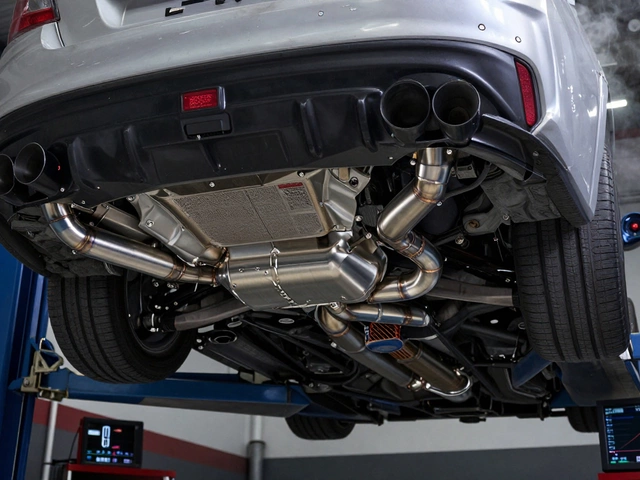
A standard exhaust system has three main zones:
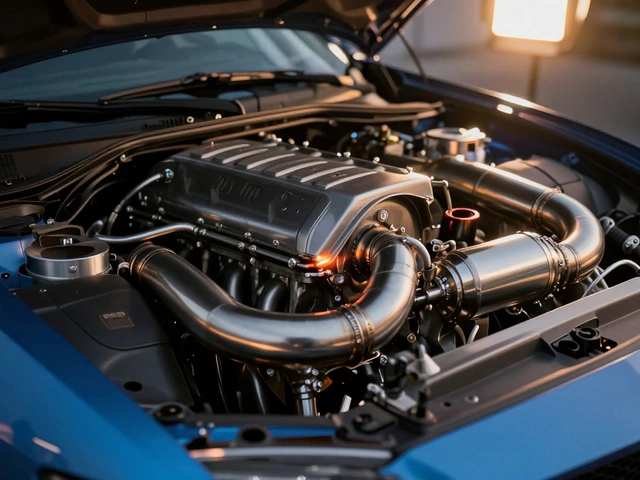
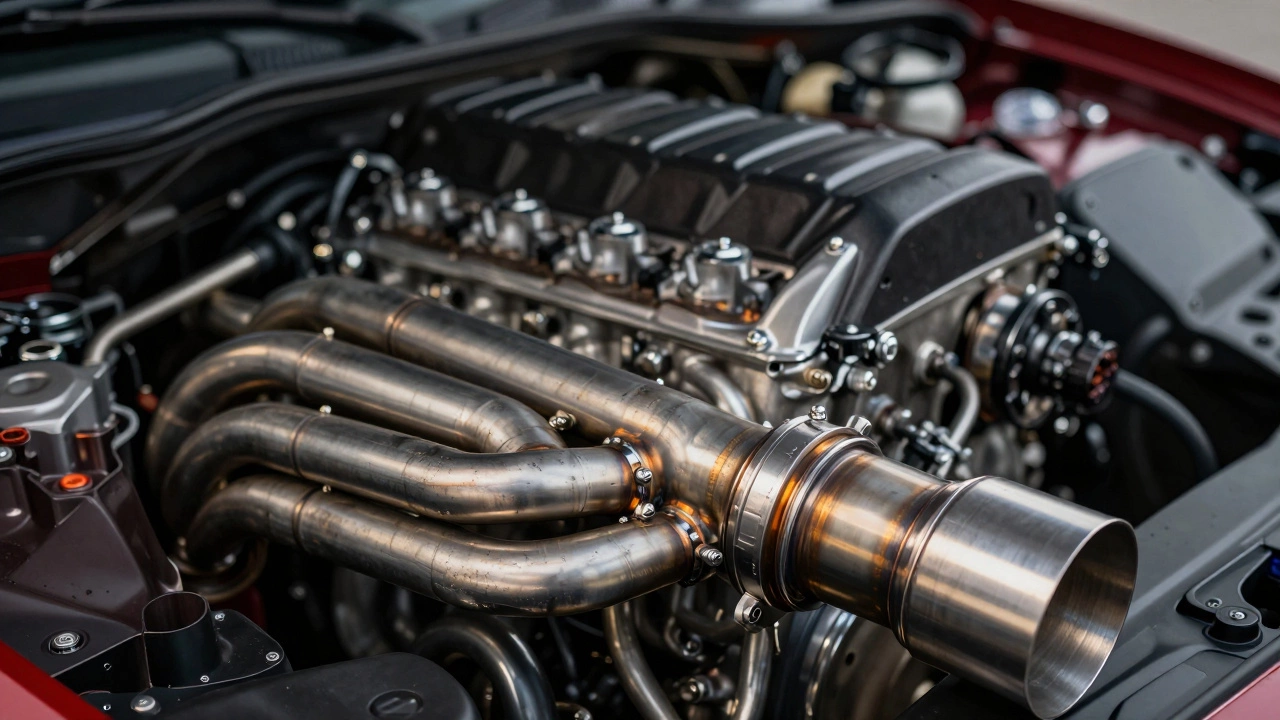
- Headers/Downpipes: These connect directly to the engine block. They collect exhaust gases from each cylinder and funnel them toward the catalytic converter. This is where the biggest gains in horsepower usually happen because reducing restriction right at the source allows the engine to breathe better.
- Catalytic Converter: The legal requirement that cleans up harmful emissions. High-flow cats exist, but swapping these out can void warranties and fail emissions tests depending on your local laws.
- Mid-pipe and Tailpipe: The rest of the tubing leading to the muffler and tips. This section manages backpressure and sound tuning.
A cat-back exhaust replaces everything from the catalytic converter backward. A full system replaces the headers, downpipe, mid-pipe, and tailpipe. When you buy a full system, you are fundamentally changing how the engine expels air, not just how it sounds.
Power Gains: Real or Marketing Hype?
Let’s talk numbers. If you have a naturally aspirated engine (no turbo or supercharger), a full system exhaust might give you 3 to 5 horsepower. On a daily driver with 150 hp, that is barely noticeable at the grocery store. However, if you drive a high-revving sports car like a Mazda MX-5 or a Toyota GR86, those few horses matter more because the engine relies on airflow efficiency.
The story changes completely for forced induction vehicles. Turbos work by using exhaust energy to spin a compressor. Restrictive stock exhausts choke this process. By installing high-flow headers and a larger diameter downpipe (part of a full system), you reduce turbo lag and allow the turbine to spool faster. In these cases, seeing 10 to 20 wheel horsepower gains is common without touching the fuel map. Think of it like unclogging a straw; the harder you suck, the more important a clear path becomes.
| Engine Type | Stock Setup | Cat-Back Only | Full System |
|---|---|---|---|
| Naturally Aspirated (4-cyl) | Baseline | +1-2 HP | +3-5 HP |
| Naturally Aspirated (V6/V8) | Baseline | +2-4 HP | +5-8 HP |
| Turbocharged | Baseline | +3-6 HP | +10-20+ HP |
| Supercharged | Baseline | +2-4 HP | +6-12 HP |
Keep in mind that these are dyno-tested averages. Real-world feel often exceeds the numbers because improved throttle response feels like more power even if the peak horsepower number doesn’t jump dramatically.

The Sound Factor: Thrill vs. Annoyance
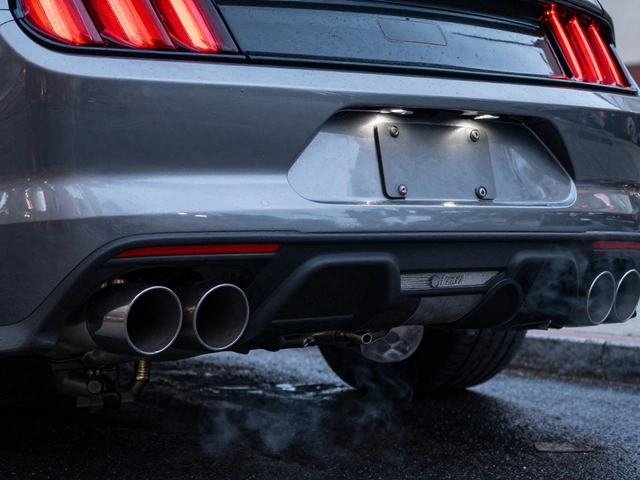
For many buyers, sound is the primary motivator. Stock mufflers use heavy baffling to kill noise. Performance exhausts use straighter paths and less restrictive materials. The result? A deeper tone, pops on overrun, and a louder idle.
But there is a catch called "drone." Drone occurs when exhaust frequencies resonate inside the cabin at certain RPM ranges, usually around highway cruising speeds (2,500 to 3,000 RPM). It creates a low-frequency hum that vibrates your skull after twenty minutes. Cheap full systems often suffer from severe drone. High-end brands like Akrapovič, MagnaFlow, or Borla invest heavily in acoustic engineering to minimize this, but you pay for it.
If you live in an apartment complex or have young children who sleep during long drives, a raw full system might become a liability fast. Test drive one before you buy. Your ears will tell you what the spec sheet cannot.
Cost Analysis: Is the Investment Justified?
Price varies wildly based on material and brand. Here is a realistic breakdown for a popular platform like a Subaru WRX or Ford Mustang:
- Budget Brands (MagnaFlow, Flowmaster): $800-$1,200. Good sound, moderate flow improvement. Stainless steel construction holds up well against rust.
- Mid-Range (Borla, Corsa): $1,500-$2,500. Better fitment, refined sound profiles, reputable customer support.
- Premium (Akrapovič, Milltek, Gibson): $3,000-$6,000+. Titanium options save weight (up to 15kg lighter than steel), offer superior corrosion resistance, and provide distinct, high-quality tones.
Installation adds another layer of cost. While some DIYers can swap a cat-back in a garage with basic tools, a full system requires removing headers, which often means dropping the oil pan or disconnecting sensors. Professional installation runs $200-$500 depending on shop rates in cities like Melbourne or Sydney.
Ask yourself: Will I recover this cost in resale value? Generally, no. Car enthusiasts appreciate mods, but average buyers see an exhaust as a wear item. You are paying for enjoyment, not investment return.
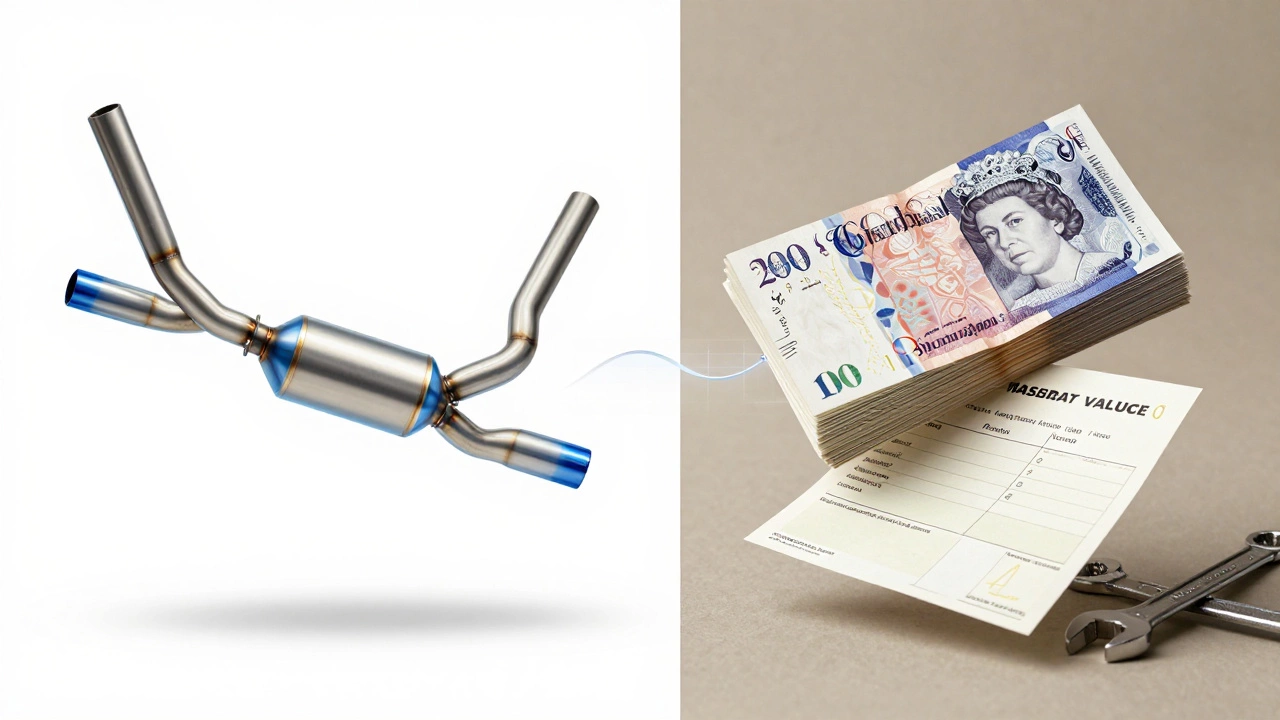
Legal and Warranty Considerations
This is where dreams meet reality. In Australia, vehicle standards are strict under the Australian Design Rules (ADR). Modifying the exhaust to exceed noise limits (usually 90 decibels) can lead to fines or failed registration inspections. More critically, replacing the catalytic converter or downpipe may violate environmental regulations.
In the United States, CARB (California Air Resources Board) certification matters. If you live in California, you must ensure every component is CARB-exempt. Otherwise, you risk significant penalties.
Warranty implications are also real. Under the Magnuson-Moss Warranty Act in the US, dealers cannot void your entire warranty just because you changed the exhaust. However, if the engine fails and they can prove the exhaust modification caused overheating or sensor damage, they can deny coverage for that specific repair. Keep receipts and install only reputable brands to mitigate risk.
Who Should Buy a Full System?
Not everyone needs this upgrade. Here is a quick decision tree:
- Buy it if: You track your car, you hate the flat sound of your stock exhaust, you plan to add other performance mods (tune, intake), and you don’t mind spending $2k+.
- Skip it if: You commute 50 miles a day in traffic, you live in a noise-sensitive area, you want maximum horsepower per dollar (a tune alone often gives better ROI), or you care about keeping your factory warranty intact.
For most daily drivers, a high-quality cat-back offers 80% of the sound benefit with half the cost and zero impact on emissions compliance. Reserve the full system for serious enthusiasts who treat their car as a machine to be optimized, not just transported.
Will a full system exhaust void my warranty?
It depends on your location and the specific issue. In the US, the dealer must prove the exhaust caused the damage to deny warranty claims related to the engine. In Australia, modifying emissions-related components can affect compliance certificates. Always check with your manufacturer and keep detailed records of professional installation.
How much horsepower does a full exhaust really add?
For naturally aspirated engines, expect 3-8 HP. For turbocharged engines, gains can range from 10-20+ HP due to reduced turbo lag and improved spool. The perceived increase in throttle responsiveness often feels greater than the actual horsepower gain.
Is a cat-back enough, or do I need a full system?
A cat-back is sufficient for most drivers seeking better sound and minor performance tweaks. A full system is recommended only if you are tracking the car, adding significant power via tuning, or want maximum weight reduction and airflow efficiency.
What is exhaust drone and how do I avoid it?
Drone is a resonant humming noise inside the cabin at steady highway speeds. To avoid it, choose brands known for acoustic engineering (like Akrapovič or Borla), read owner reviews specifically mentioning drone, and consider active valve systems that close off at cruising RPMs.
Does a full system exhaust help with fuel economy?
Slightly. Reduced backpressure allows the engine to work less hard to expel gases, which can improve MPG by 1-3%. However, if the louder sound encourages aggressive driving, fuel economy will likely decrease instead.