Custom Car Seat Cost & Value Calculator
Select options to see results
Imagine you’ve just spent thousands upgrading your suspension and fitting new wheels. Your car handles corners like it’s glued to the road. But then you sit in the driver’s seat for a long drive, and your lower back starts screaming. That mismatch between high-performance handling and cheap, flat factory seating is exactly why people ask if spending big on custom car seats is actually worth it.
The short answer? For most enthusiasts, yes. But not because of the leather stitching or the cool logos. You buy expensive seats for support, safety, and durability. If you’re just looking for something that looks nice in photos but feels like a cardboard box after ten minutes, save your money. Let’s break down what you’re actually paying for when you move from a $200 aftermarket bucket seat to a $1,500+ custom build.
Support Is Not Just About "Holding" You In
When we talk about expensive seats, we usually mean two things: high-end racing buckets (like those from Recaro or Sparco) or fully bespoke ergonomic chairs made by specialists. The main difference isn’t the price tag; it’s how they manage G-forces and body pressure.
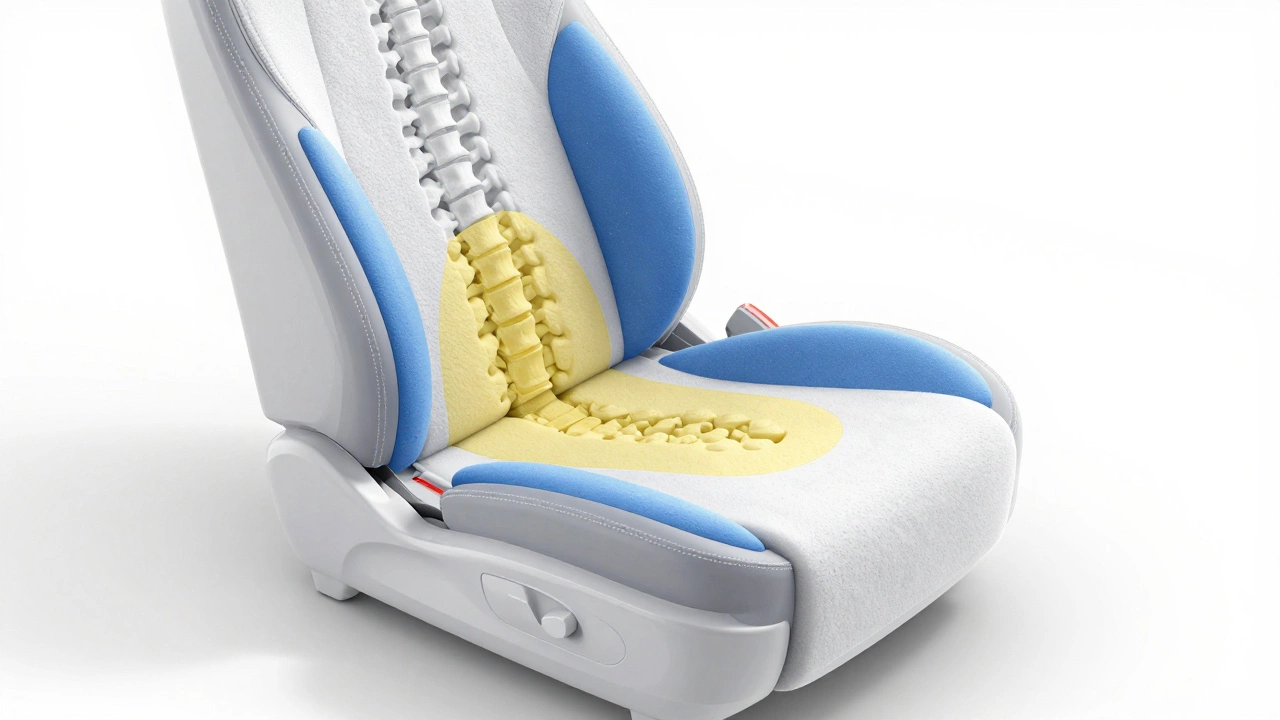
Cheap bucket seats often have deep side bolsters that look aggressive but feel terrible. They squeeze your hips too hard while leaving your shoulders unsupported. This creates "pressure points." Over a long drive, these points cut off circulation and cause fatigue. A well-engineered expensive seat uses shaped foam density mapping. This means the foam is firmer where you need lateral support (the sides) and softer where you need comfort (the center cushion).
If you track your car, this distinction is critical. In a corner, a proper seat keeps your pelvis stable. When your pelvis moves around, your spine twists unnaturally. This leads to faster muscle fatigue and slower reaction times. So, you aren’t just buying comfort; you are buying control.
The Material Difference: Fabric vs. Leather vs. Alcantara
Materials play a huge role in both cost and longevity. Here is how the common options stack up:
- Cloth/Fabric: Breathable and durable. High-end cloth (like suede-cloth hybrids) offers excellent grip so you don’t slide around during spirited driving. It’s usually the cheapest option but can stain easily.
- Genuine Leather: Looks premium and ages well with patina. However, pure leather gets slippery when hot or wet. Many expensive seats use perforated leather to improve breathability, which adds to the manufacturing cost.
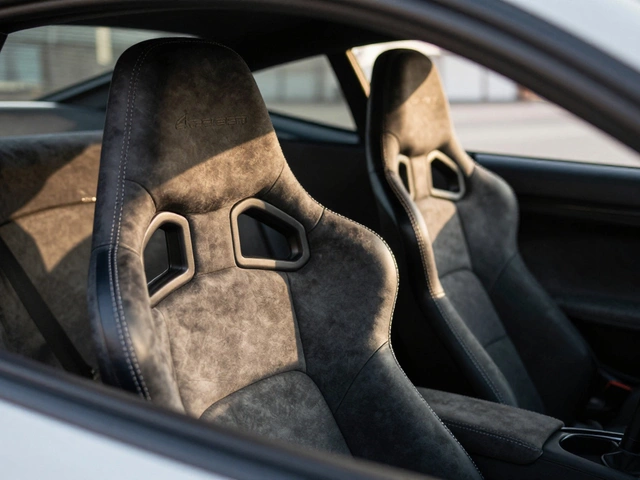
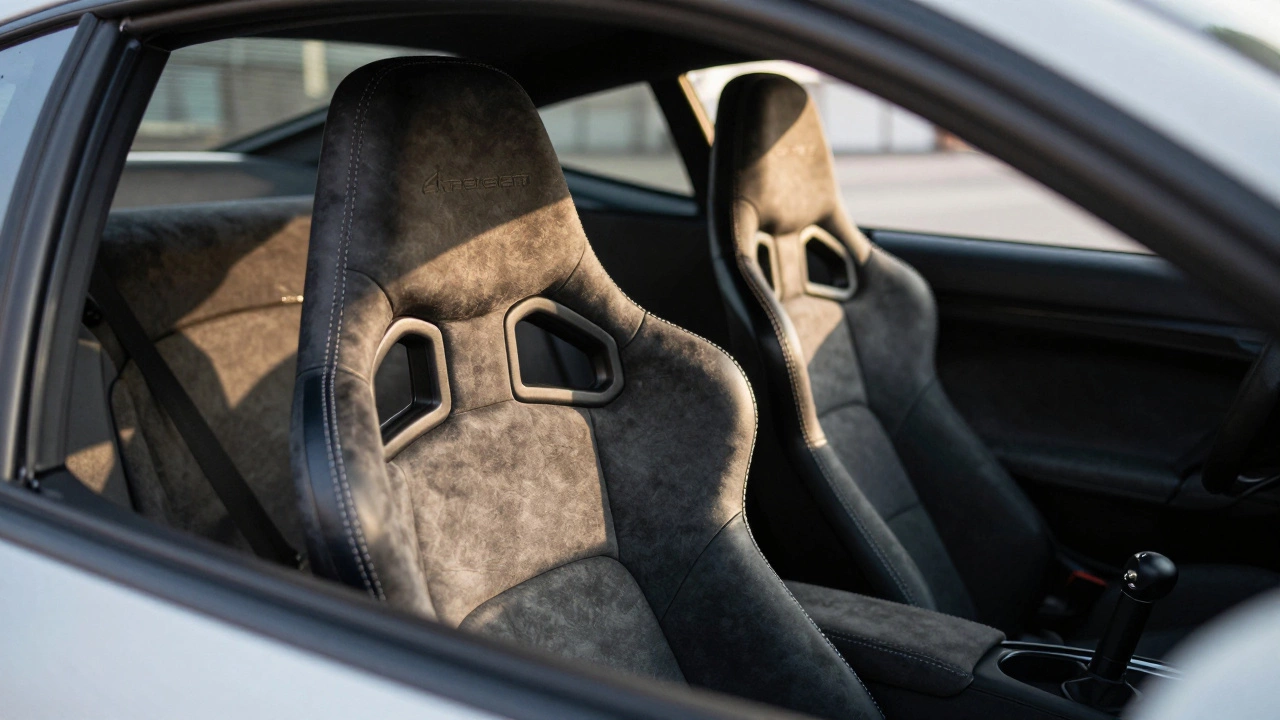
- Alcantara/Suedecloth: The favorite for performance cars. It provides massive friction, keeping you planted without needing excessive bolstering. It’s expensive, requires regular cleaning to maintain its texture, and wears out faster than leather if you wear rough work boots.
A custom seat builder will let you mix these materials. For example, Alcantara on the bolsters for grip and leather on the contact areas for easy cleaning. This customization drives up the price significantly compared to buying a pre-made seat from a catalog.
Safety Certifications: The Hidden Value
This is where many people get burned. Just because a seat looks fancy doesn’t mean it’s safe. Cheap aftermarket seats often lack proper crash testing certifications. When you pay for a reputable brand or a certified custom build, you are paying for compliance with standards like FIA (Fédération Internationale de l'Automobile) for racing or FMVSS (Federal Motor Vehicle Safety Standards) for street use.
An FIA-certified seat has been tested for specific impact loads. It ensures that in a collision, the seat structure won’t collapse and that the harness slots are positioned correctly to distribute force across your strongest bones (hips and shoulders). Using a non-certified seat in a track day scenario can be dangerous. Insurance companies may also deny claims if you’re using uncertified equipment in a modified vehicle.
| Feature | Budget Aftermarket ($200-$400) | Premium Brand ($800-$1,200) | Custom Bespoke ($1,500+) |
|---|---|---|---|
| Foam Density | Uniform, often too firm | Zoned density for support | Tailored to your body shape |
| Certification | Rarely certified | Often FIA or SNEL certified | Depends on builder specs |
| Fitment | Generic sliders required | Universal or model-specific mounts | Perfect fit for your chassis |
| Lifespan | 3-5 years before sagging | 10+ years | 15+ years with re-upholstery |
Installation Costs: The Surprise Expense
Buying the seat is only half the battle. Installing a custom or racing seat often requires additional hardware. Most expensive seats come with universal mounting brackets, but your car might need specific adapters.
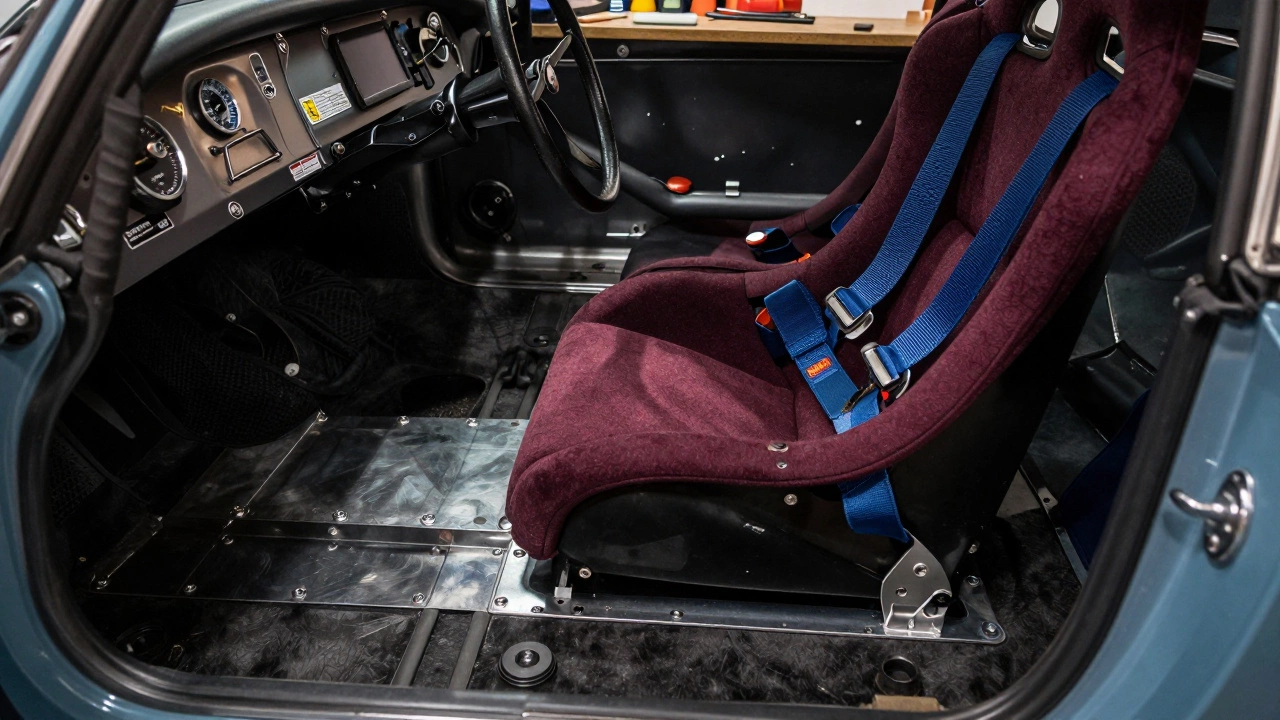
In older cars or European models (common here in Australia), the floor pan geometry might not match standard US-style sliders. You might need to fabricate custom plates. This labor costs anywhere from $150 to $500 depending on the shop. Also, consider the seat belt system. If you switch to a racing seat, you likely need a 5-point harness. Upgrading your belts and anchors is another $300-$600 expense. Factor this into your total budget before pulling the trigger.
Resale Value and Depreciation
Will you get your money back? Generally, no. Car seats depreciate quickly once installed. A $1,500 custom seat might sell for $600 on the used market unless it’s a rare, limited-edition piece from a famous manufacturer. However, high-quality seats do increase the overall appeal of a project car. Buyers appreciate knowing they don’t have to replace uncomfortable interiors immediately. It’s not a financial investment, but it is a value-add for the complete package.
Who Should Actually Buy Expensive Seats?
You should spend the extra cash if:
- You drive long distances regularly. Ergonomic support prevents chronic back pain.
- You track your car. Lateral support and safety certification are non-negotiable.
- You have specific physical needs. Custom builders can adjust lumbar support and thigh cushions for taller or shorter drivers.
- You plan to keep the car for 10+ years. Higher quality materials last longer than budget alternatives.
You should stick to mid-range options if:
- You mostly commute in city traffic. You won’t notice the difference in support during stop-and-go driving.
- You change cars frequently. Don’t invest heavily in a car you’ll sell in two years.
- Your budget is tight. There are plenty of decent $400 seats that offer 80% of the performance of a $1,200 seat.
Maintenance Tips for Longevity
Once you’ve invested in a great seat, keep it that way. Clean Alcantara with a soft brush and specialized cleaner every few months. Condition leather annually to prevent cracking, especially in Melbourne’s variable climate where UV exposure can be harsh. Check mounting bolts every six months, as vibration can loosen them over time.
Are custom car seats legal for street use?
Yes, as long as they meet local safety regulations. In Australia, seats must comply with ADR (Australian Design Rules) regarding headrests and mounting strength. Always ensure your custom seat includes a compliant headrest and uses approved mounting hardware.
How much does it cost to install a racing seat?
Professional installation typically costs between $150 and $500. This varies based on whether you need custom fabrication for mounting brackets. DIY installation is possible if you have welding skills and the right tools, but safety risks are higher.
Do expensive car seats really reduce back pain?
For many people, yes. High-density foam and adjustable lumbar support maintain proper spinal alignment. Factory seats often flatten out over time, losing support. Premium seats retain their shape longer, reducing strain on your lower back during long drives.
What is the difference between OEM and custom seats?
OEM (Original Equipment Manufacturer) seats are designed for mass production and average body types. Custom seats are built to specific dimensions and preferences, offering tailored support, unique materials, and better integration with your vehicle’s interior design.
Can I put custom seats in any car?
Most cars can accommodate custom seats, but fitment issues are common. You may need adapter slides or custom mounting plates. Older cars often require more modification than newer ones. Always check the seat rail width and floor pan clearance before purchasing.