Wheel Spacer Thread Engagement Calculator
Calculate Safe Spacer Thickness
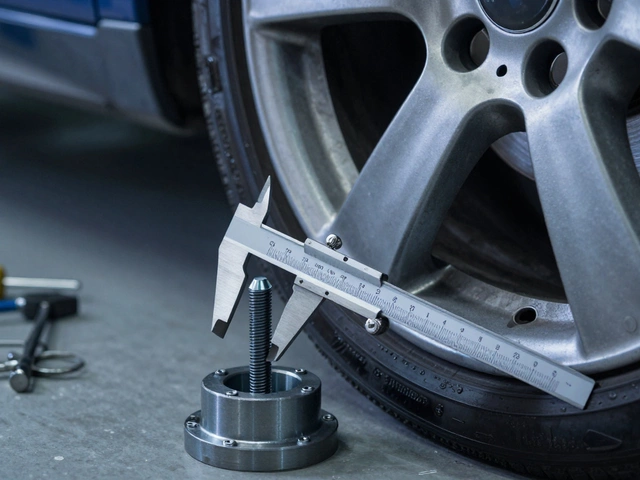
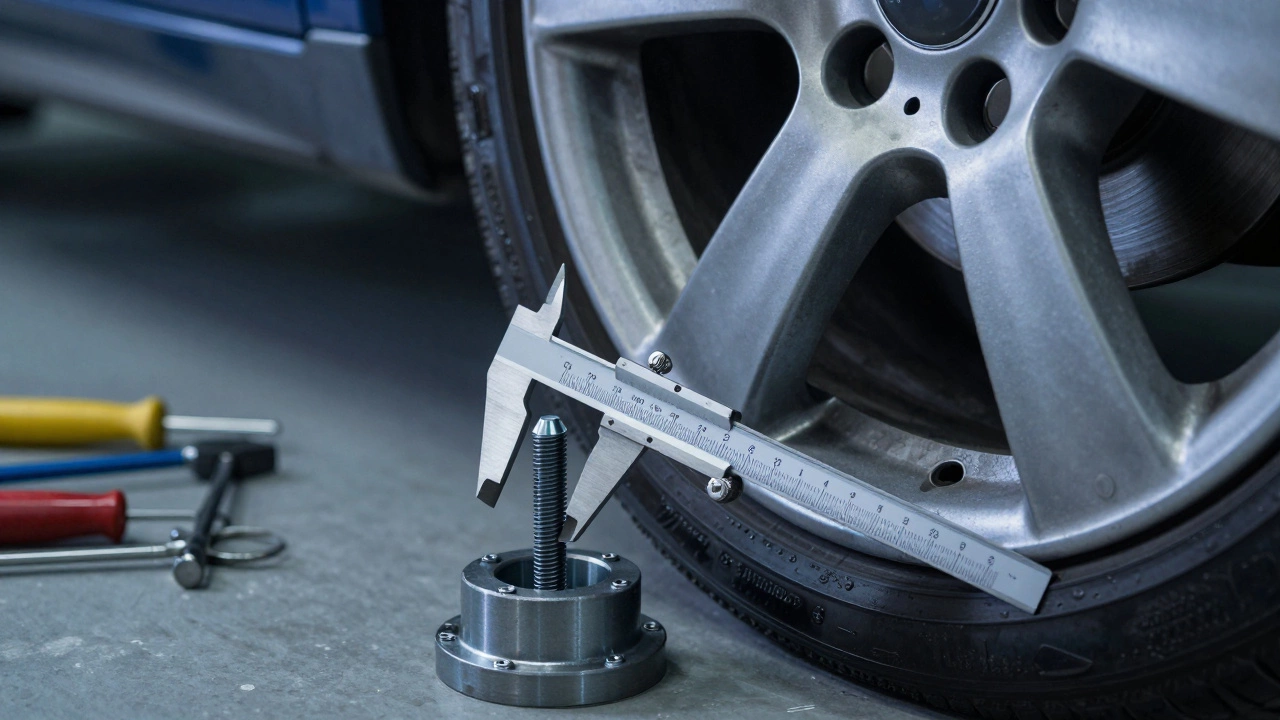
Determine if your wheel spacers are safe by checking thread engagement. Must have at least 5 full threads between lug nut and hub.
Wheel spacers look simple - just a metal or plastic ring that slides between your hub and wheel. But get the thickness wrong, and you risk bent studs, failed bearings, or even a wheel coming off at highway speed. So what’s the real allowable wheel spacer thickness? There’s no single number that fits every car, but there are clear rules based on vehicle design, hub design, and local safety laws.
Why Wheel Spacer Thickness Matters
Spacers push your wheels outward, which can improve stance, help clear big brakes, or fix rubbing issues. But every millimeter you add changes how force travels through your suspension. The hub, wheel studs, and bearings weren’t designed to handle extra leverage. Thicker spacers increase the distance between the wheel center and the hub, turning your wheel into a longer lever. That means more stress on the studs and bearings every time you hit a bump or turn.
Most manufacturers design wheel hubs to support the wheel with the original offset. When you add spacers, you’re moving the load point away from where the system was engineered to handle it. A 5mm spacer might be fine. A 25mm spacer on a compact sedan? That’s asking for trouble.
General Thickness Guidelines by Vehicle Type
There’s no universal rule, but most experienced mechanics and suspension engineers follow these rough thresholds:
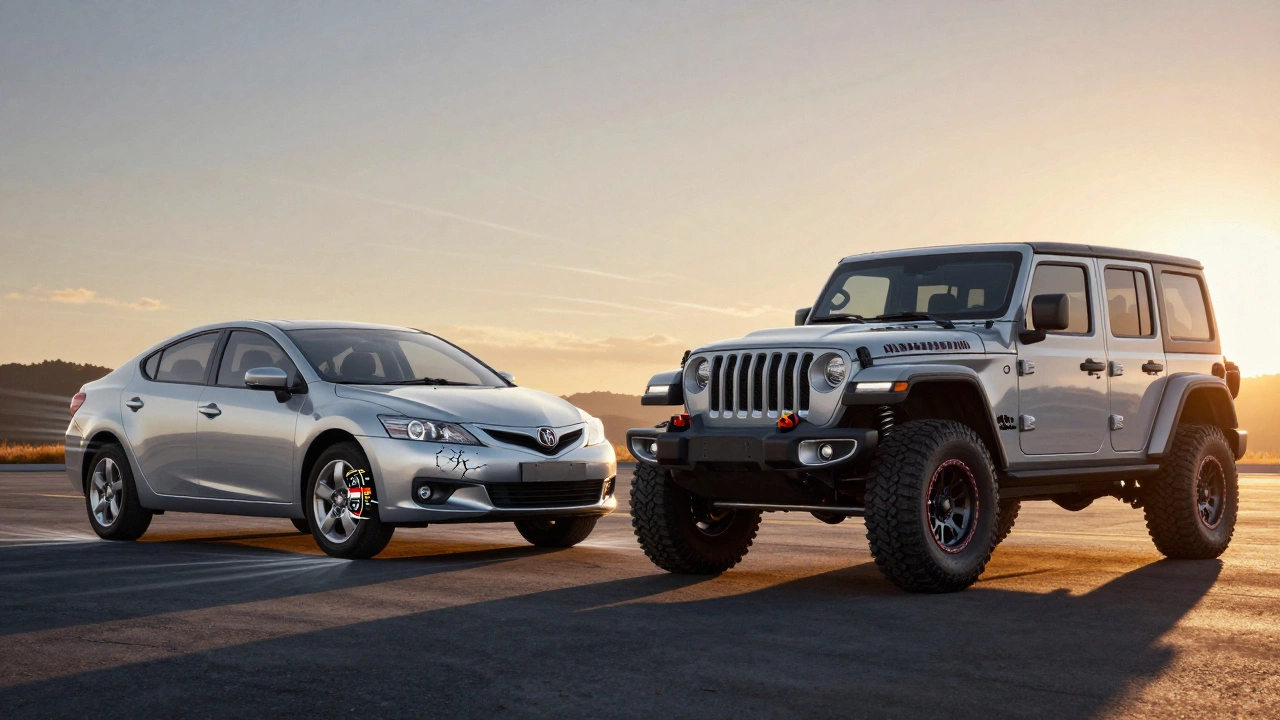
- Compact cars and sedans (Honda Civic, Toyota Corolla): Stick to 5-10mm. Beyond that, you risk altering steering geometry and increasing stress on hub bearings.
- SUVs and trucks (Ford Ranger, Toyota Hilux): These have stronger hubs and thicker studs. 10-15mm is usually safe. Some heavy-duty models can handle up to 20mm with proper installation.
- Performance cars (Subaru WRX, BMW M3): Often designed with wider tracks. 10-15mm is common for brake clearance. Never exceed 20mm unless you’re running aftermarket hub-centric spacers with extended studs.
- Off-road vehicles (Jeep Wrangler, Toyota Land Cruiser): These are built for abuse. Many run 20-25mm spacers without issue - but only when paired with upgraded hardware and proper alignment.
These aren’t hard limits. They’re starting points. The real answer depends on your car’s specific hub design, stud length, and suspension setup.
Hub-Centric vs. Bolt-On Spacers
Not all spacers are created equal. There are two main types:
- Hub-centric spacers: These have a center bore that matches your vehicle’s hub exactly. They transfer load directly through the hub, not the studs. This is the only safe way to run spacers over 10mm.
- Bolt-on (lug-centric) spacers: These rely entirely on the wheel studs to hold the spacer and wheel in place. They’re cheaper, but they put all the stress on the studs. Even 5mm can be dangerous with these if the studs aren’t long enough or the wheel isn’t perfectly centered.
Most factory wheels have a center bore that’s slightly larger than the hub. That’s why they use a plastic or rubber centering ring. Spacers without a matching hub bore will let the wheel wobble slightly, causing vibration and uneven wear. If you’re using spacers over 10mm, hub-centric is non-negotiable.
Stud Length and Thread Engagement
This is where people get hurt. Every wheel needs at least 5 full threads of engagement between the stud and the lug nut. That’s the industry standard for safety.
Here’s how to check it: Remove your wheel. Measure the length of the stud sticking out of the hub. Then subtract the thickness of your spacer and the wheel’s lug seat depth (usually 10-15mm). What’s left must be at least 10-12mm of thread exposed for the lug nut to grip.
Example: Your stud sticks out 25mm. You’re using a 15mm spacer. Your wheel’s lug seat is 12mm deep. 25 - 15 - 12 = -2mm. That means you’re short by 2mm. You’re not just risking a loose wheel - you’re risking a complete failure.
When in doubt, use extended studs. They’re cheap, easy to install, and designed to work with spacers. Never use stock studs with spacers over 10mm unless you’ve measured and confirmed full thread engagement.
Legal Limits and Insurance Risks
In Australia, road safety regulations don’t specify exact spacer thickness limits. But they do require that all vehicle modifications must not compromise safety or stability. If you’re pulled over and an officer suspects your spacers are unsafe, they can fail your vehicle on the spot.
Insurance companies also have rules. If you’re in an accident and it’s determined that excessive spacer thickness contributed to the failure - say, a stud snapped or a bearing seized - your claim could be denied. Most insurers don’t cover modifications that increase risk beyond manufacturer specs.
Some states in the U.S. and provinces in Canada have explicit limits. For example, California’s DMV prohibits any modification that causes the tire to extend beyond the fender line. Spacers that push wheels too far out can trigger a violation, even if the hardware is safe.
What Happens When You Go Too Thick?
Exceeding safe spacer thickness doesn’t always cause immediate failure. That’s why people think it’s okay. But here’s what typically happens over time:
- Wheel bearing wear: Increased leverage crushes the bearing faster. You might hear a grinding noise after 10,000km.
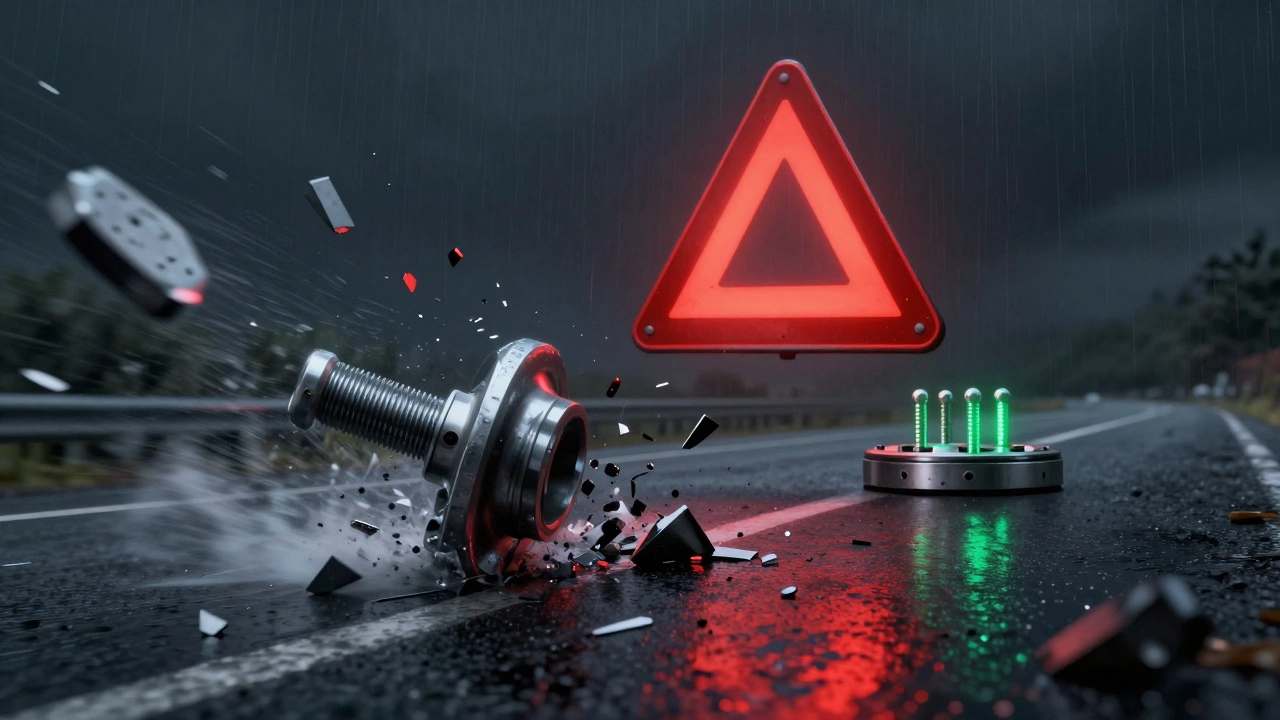
- Stud fatigue: Constant flexing weakens the metal. A stud can snap without warning - often at high speed.
- Steering instability: Thicker spacers change scrub radius and caster. Your car might feel twitchy on bumps or pull to one side.
- Uneven tire wear: Misalignment caused by spacer-induced geometry changes leads to cupping or feathering on the outer edges.
- Damage to suspension components: Control arms, ball joints, and tie rods take extra stress. You might need a full suspension rebuild sooner than expected.
These aren’t theoretical risks. Mechanics in Melbourne see at least one vehicle per month with failed wheel studs or bearings caused by over-spaced wheels.
How to Install Spacers Safely
If you’re going ahead with spacers, here’s how to do it right:
- Choose hub-centric spacers made of aircraft-grade aluminum or steel.
- Match the center bore exactly to your hub diameter.
- Use extended studs if spacer thickness exceeds 10mm.
- Ensure at least 5 full threads of engagement on every lug.
- Torque lugs to manufacturer specs - no more, no less. Over-tightening can stretch studs.
- Re-check torque after 100km and again at 500km.
- Get a professional alignment after installation.
Never use spacers with worn or damaged hardware. Never mix spacers from different brands. Never install spacers on a vehicle that already has worn suspension components.
Alternatives to Spacers
Before you buy spacers, ask yourself: Is there a better way?
- Wheels with the right offset: If you want a wider stance, buy wheels with a lower offset (more negative). This moves the wheel out without adding stress.
- Aftermarket control arms: For off-road or track cars, adjustable control arms let you fine-tune geometry without spacers.
- Brake kit upgrades: If you’re using spacers to clear big brakes, consider a kit designed for your wheel well instead.
Spacers are a quick fix. But the right wheels or suspension parts are a permanent solution - and safer.
Final Rule: When in Doubt, Don’t
There’s no magic number for allowable wheel spacer thickness. But there’s a simple rule: If you’re not sure, don’t go over 10mm. If you need more than that, upgrade your wheels, not your spacers.
Every vehicle is different. What works on a lifted 4x4 won’t work on a lowered sports car. What’s safe in Australia might be illegal in the U.S. Always check your vehicle’s manual. Always measure your studs. Always get a professional opinion.
Spacers can look great. But safety isn’t about looks. It’s about control, stability, and not ending up in a ditch because a stud snapped.
What is the maximum safe wheel spacer thickness?
There’s no universal maximum, but 10mm is the safest limit for most passenger cars. Trucks and SUVs can often handle up to 15mm, and heavy-duty vehicles may go to 20mm - but only with hub-centric spacers, extended studs, and proper alignment. Anything beyond that increases risk significantly.
Are 20mm wheel spacers safe?
20mm spacers are only safe if you’re using hub-centric spacers, extended studs, and your vehicle has a strong hub and suspension - like a Jeep Wrangler or Toyota Land Cruiser. On a compact car or sedan, 20mm spacers are dangerous. They overload the wheel studs and bearings, leading to premature failure. Always measure thread engagement - you need at least 10-12mm of stud exposed after the spacer and wheel are installed.
Do wheel spacers affect alignment?
Yes. Adding spacers changes the scrub radius and can alter camber and toe angles slightly. Even 5mm can cause uneven tire wear or steering pull. Always get a professional alignment after installing spacers, no matter how thin they are.
Can wheel spacers cause vibration?
Yes, especially if they’re not hub-centric. Non-hub-centric spacers let the wheel wobble slightly on the hub, which causes vibration at speed. Even hub-centric spacers can cause vibration if they’re poorly made, not torqued properly, or if the wheel isn’t balanced after installation.
Are wheel spacers legal in Australia?
There’s no specific law banning wheel spacers in Australia, but they must not make the vehicle unsafe. If spacers cause tires to stick out beyond the fender line, or if they lead to steering instability or bearing failure, your vehicle can be failed during inspection. Insurance companies may also deny claims if spacers contributed to an accident.