Suspension Upgrade Decision Tool
Recommended Option
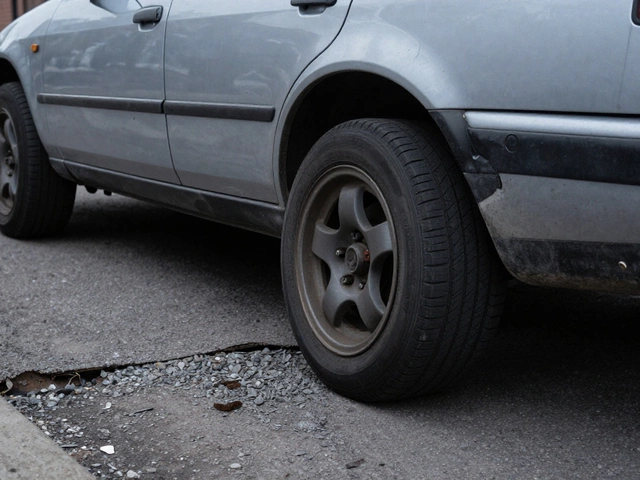
There is a myth floating around car forums that you have to choose between looking good and driving comfortably. The idea is simple: if you want your car to sit lower, you accept the bumpy, harsh ride. If you want a smooth commute, you keep the stock height. But that’s not entirely true. The real question isn’t just about height; it’s about how your suspension handles the road. When people ask whether coilovers or lowering springs ride better, they are usually trying to balance aesthetics with daily drivability. The answer depends heavily on what kind of roads you drive on and how much control you want over your vehicle's behavior.
The Basics: What Are You Actually Changing?
To understand the ride quality, you first need to know what these parts do. Stock suspensions are designed for a wide range of drivers, from grandmas to sporty enthusiasts, so they compromise on everything. They prioritize comfort over handling and durability over precision. When you modify this system, you are shifting those priorities.
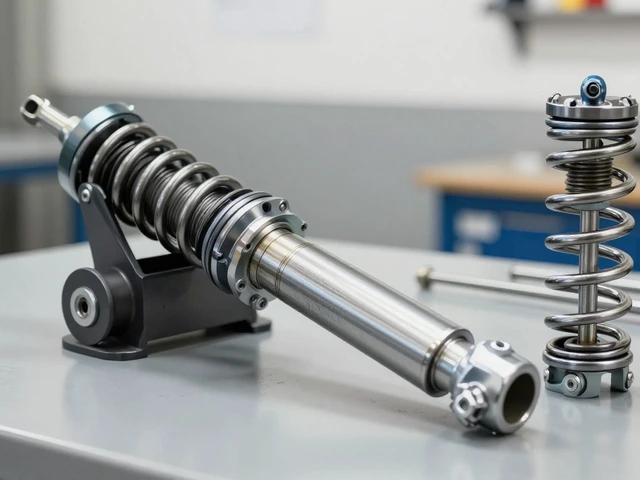
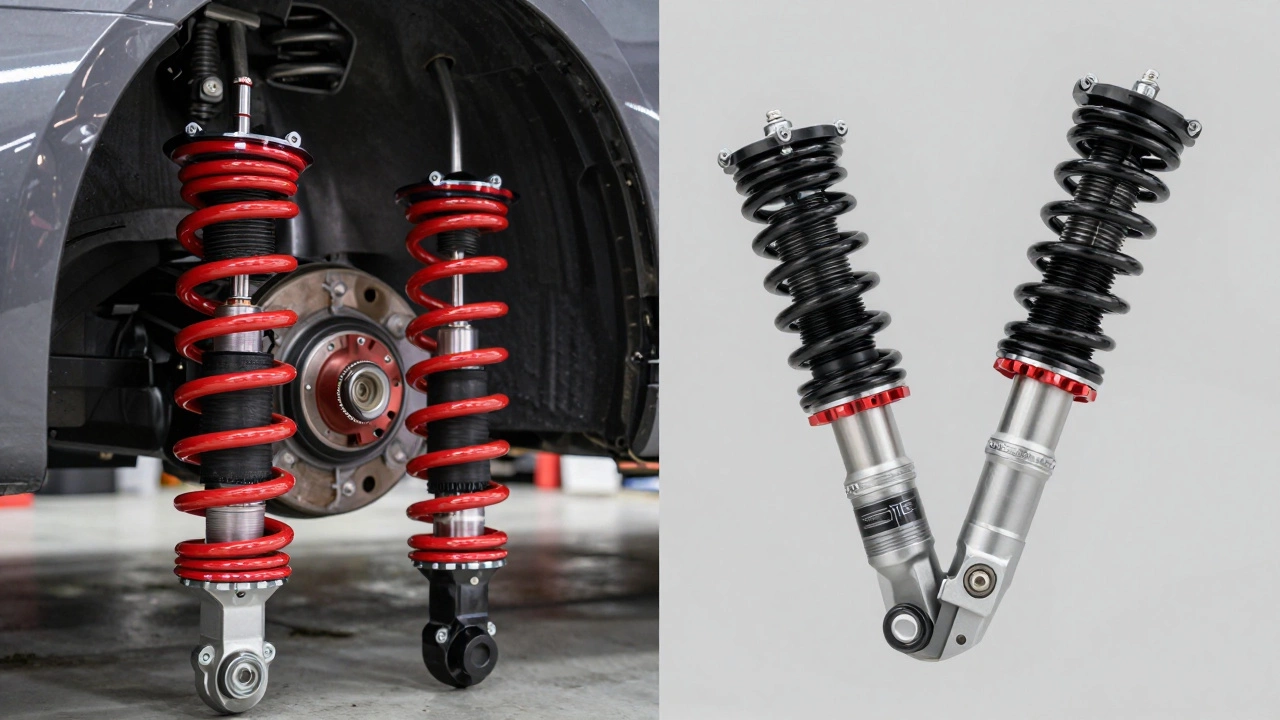
Lowering springs are simply stiffer steel coils that replace your factory springs. Their job is to reduce the distance between your wheel hub and the ground, known as the ride height. Because they are shorter and stiffer than stock, they drop the car by one to three inches typically. They work with your existing shock absorbers (dampers). This means the damping force-the thing that stops the spring from bouncing endlessly-remains unchanged. The car sits lower, but the way it absorbs bumps stays mostly the same, except the stiffer spring makes the initial hit feel sharper.
Coilovers, short for coil-over-shock, combine the spring and the damper into one unit. Unlike lowering springs, coilovers allow you to adjust the ride height after installation. More importantly, many high-end coilovers let you adjust the damping stiffness. This means you can tune how soft or hard the suspension reacts to bumps. A basic set might only offer height adjustment, while a premium set offers rebound and compression damping controls. This flexibility changes the entire dynamic of the ride.
Ride Comfort: The Daily Driver Test
If your main goal is a comfortable daily commute, the type of modification matters less than the quality of the components. However, there are general rules of thumb based on physics.
With lowering springs, the ride often feels firmer because the spring rate is higher. A stiffer spring resists compression more aggressively. On a smooth highway, you won’t notice much difference. But when you hit a pothole or a speed bump, the impact transfers directly through the chassis. Since the dampers are still the old, worn-out factory ones, they might not handle the increased energy from the stiff spring well. This can lead to a "floaty" feeling where the car bounces after hitting a bump, or a harsh jolt that rattles your teeth. Cheap lowering springs are notorious for being unyielding. High-quality brands like Eibach or H&R try to match the spring rates to the original dampers, which helps maintain some compliance.
Coilovers offer a different experience. Entry-level coilovers, often found in budget kits, can actually ride worse than good lowering springs. They use cheap gas shocks that lack sophistication. These units tend to be very stiff and transmit every small imperfection in the road to the cabin. However, mid-range and high-end coilovers change the equation. Brands like KW, Bilstein, and Tein design their dampers to work specifically with their springs. Many modern coilovers feature progressive spring rates or adjustable damping. This allows you to soften the ride for city streets and stiffen it for weekend canyon runs. If you buy a quality set, the ride can be surprisingly compliant, sometimes even smoother than stock because the new dampers are fresh and properly valved.
Handling and Performance: Where Coilovers Shine
Comfort is subjective, but handling is measurable. If you enjoy spirited driving, cornering, or track days, the choice becomes clearer. Lowering springs improve handling primarily by reducing the center of gravity. By dropping the car, you reduce body roll-the leaning motion when turning. This gives you more confidence in corners. However, since the geometry hasn't changed significantly and the dampers are old, you might experience understeer or a lack of grip at the limit. The tires might scrub against the fenders if the suspension travels too far during aggressive maneuvers.
Coilovers excel here because they address both geometry and damping. Adjustable coilovers allow you to set the camber angle, which tilts the wheels inward at the top. This increases the contact patch of the tire during cornering, providing more grip. Additionally, the ability to stiffen the damping reduces body roll more effectively than springs alone. You get a flatter, more planted feel. For example, on a winding mountain road, a car with adjustable coilovers will stay level through turns, allowing you to carry more speed without losing traction. This responsiveness is why most performance enthusiasts eventually move to coilovers.
| Feature | Lowering Springs | Budget Coilovers | Premium Coilovers |
|---|---|---|---|
| Ride Height Adjustment | No (Fixed) | Yes (Collar) | Yes (Threaded Body) |
| Damping Control | None (Stock Dampers) | Limited or None | Highly Adjustable |
| Comfort on Rough Roads | Moderate to Harsh | Harsh | Tunable (Can be Soft) |
| Cornering Stability | Improved | Good | Excellent |
| Cost Range (AUD) | $200 - $600 | $400 - $800 | $1,000 - $3,000+ |

The Hidden Costs: Alignment and Wear
People often forget that changing your suspension affects other parts of the car. When you lower a vehicle, the angles of the wheels change. Specifically, the camber angle shifts negative, meaning the top of the tire tilts inward. With lowering springs, you cannot correct this easily. You are stuck with whatever alignment the spring rate dictates. This often leads to uneven tire wear on the inner edge of the front tires. You might find yourself replacing tires every 15,000 kilometers instead of 30,000. An alignment shop can adjust the toe and caster, but camber correction requires additional hardware like eccentric bolts or camber plates, adding to the cost.
Coilovers solve this problem inherently. Most sets come with built-in camber adjustment collars. You can dial in the exact angle needed to maximize tire life and grip. After installation, an alignment technician can fine-tune the settings to ensure the car tracks straight and wears tires evenly. While the upfront cost is higher, the long-term maintenance costs for tires and bushings might be lower because the suspension is designed to work as a cohesive unit.
Installation Complexity and Reliability
Installing lowering springs is relatively straightforward. It involves removing the old springs and compressing them with a spring compressor tool, then swapping in the new ones. Many DIYers with basic tools can do this in a garage. However, safety is paramount. Springs store immense energy, and improper handling can cause serious injury. Once installed, they are low-maintenance. There are no moving parts to adjust or leak. They last as long as the metal doesn't fatigue, which is usually many years.
Coilovers require more care. Installation is similar, but adjusting the height and damping takes time. You need to measure the ride height precisely to ensure the car is level. Adjusting damping involves understanding terms like rebound and compression. Rebound controls how fast the spring extends after compression, while compression controls how fast it compresses. Getting these wrong can make the car feel unstable. Also, coilovers contain seals and fluid. Over time, especially in hot climates like Melbourne summers, seals can degrade, leading to oil leaks. Premium brands use better materials, but maintenance intervals should be considered.
Which One Should You Choose?
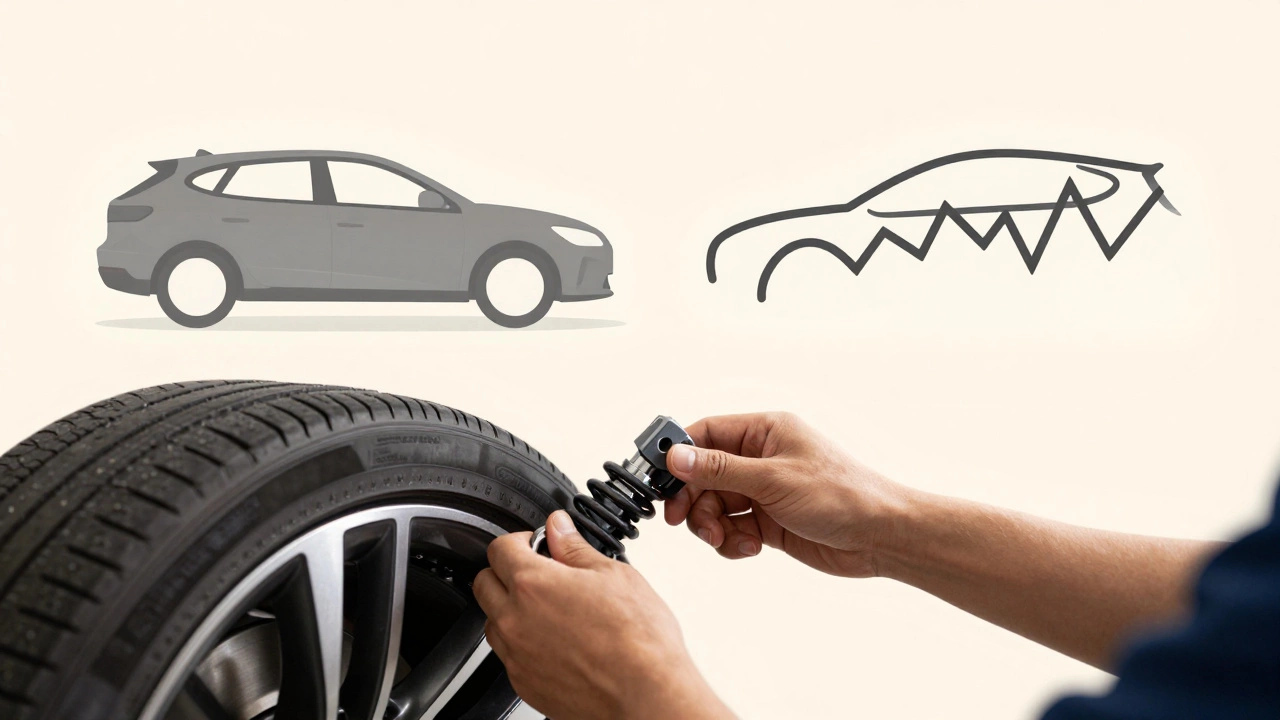
Your decision should hinge on your primary use case. If you want a subtle stance improvement for a daily driver and don't plan on aggressive driving, high-quality lowering springs are the logical choice. They retain much of the stock comfort while giving the car a cleaner look. Look for brands that publish spring rates and compatibility data. Avoid the cheapest options on marketplaces, as they often crack or sag prematurely.
If you want maximum versatility, plan to track the car, or demand precise handling, invest in coilovers. Start with a reputable mid-range brand. The ability to tune the ride means you can adapt to changing conditions. Want to drive to a friend's house over rough roads? Soften the damping. Want to take a scenic route with curves? Stiffen it up. The initial investment is higher, but the payoff in driving enjoyment and customization is significant.
Common Pitfalls to Avoid
- Mixing Brands: Never mix lowering springs from one manufacturer with aftermarket dampers unless specified. Mismatched spring and damper rates cause poor handling and premature wear.
- Ignoring Bushings: Lowering a car stresses the rear subframe bushings. Consider upgrading to polyurethane bushings to prevent clunking noises and maintain alignment.
- Over-Lowering: Dropping a car more than two inches often compromises suspension travel. The wheels may bottom out on curbs or speed bumps, damaging rims and bearings.
- Skip the Alignment: Always get a professional alignment after installing any suspension component. It ensures safety and extends tire life.
Do coilovers always ride worse than stock?
Not necessarily. Budget coilovers often do, but premium adjustable coilovers can be tuned to match or exceed stock comfort levels while offering better handling. The key is selecting a brand known for balanced damping valving rather than extreme stiffness.
How much does it cost to install lowering springs in Australia?
Parts typically range from $200 to $600 AUD depending on the brand and vehicle. Labor for installation usually costs between $150 and $300 AUD at a local mechanic, plus another $50-$100 for a wheel alignment afterward.
Can I put coilovers on my car and still drive it daily?
Yes, absolutely. Many coilover systems are designed specifically for street use. By setting the damping to a softer setting, you can achieve a comfortable ride suitable for daily commuting, while retaining the option to stiffen it for fun drives.
Will lowering my car void my warranty?
In Australia, consumer protection laws generally prevent manufacturers from voiding your entire warranty due to modifications. However, if a suspension-related failure occurs, they may deny coverage for that specific part if they can prove the modification caused the damage. It's wise to check your specific dealer policy.
What is the lifespan of coilovers?
Quality coilovers can last 50,000 to 100,000 kilometers or more. Signs of wear include leaking oil, reduced damping performance (bouncing), or physical damage to the threads. Regular inspection is recommended, especially if you drive on rough roads frequently.