Lowering Springs: What They Do and Why You Might Want Them
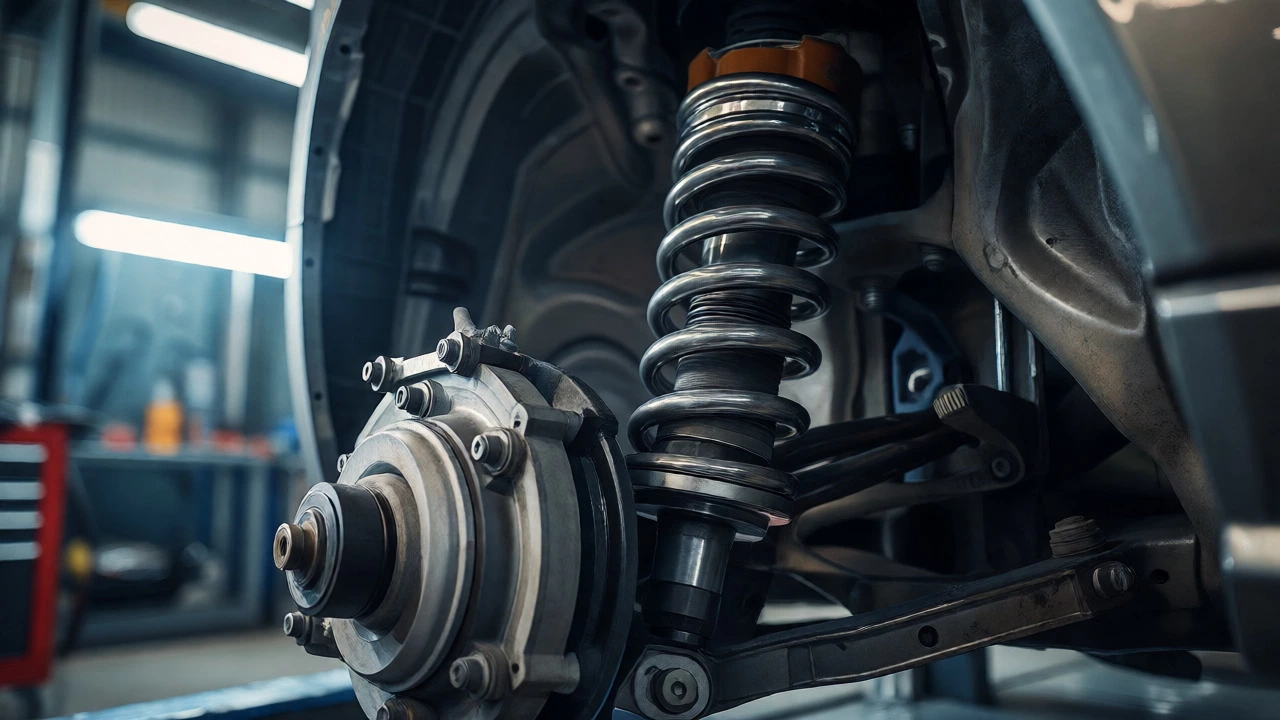
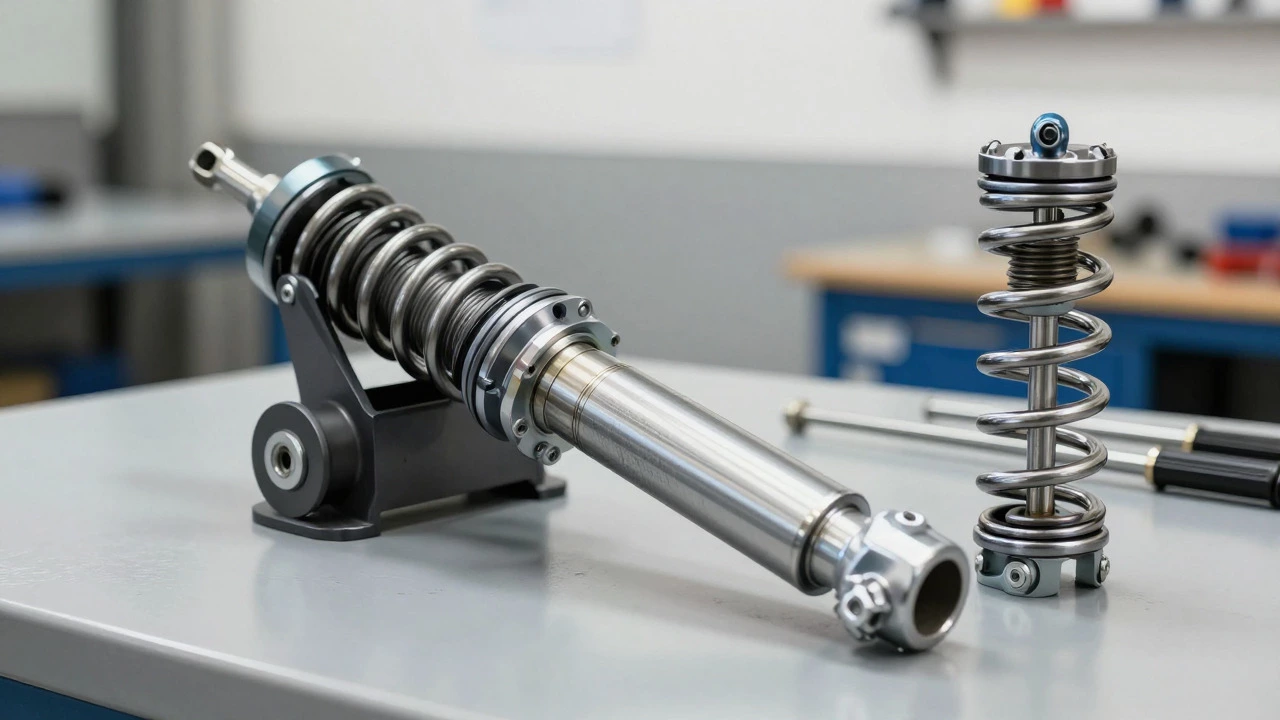
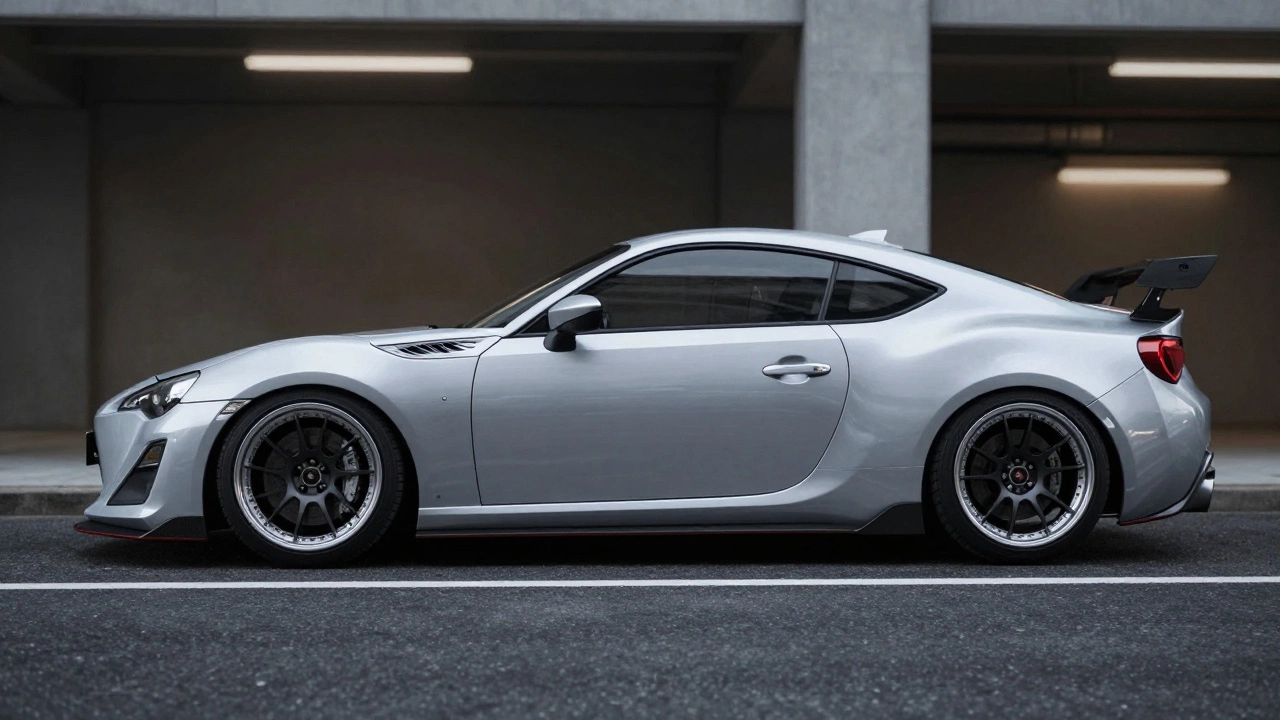
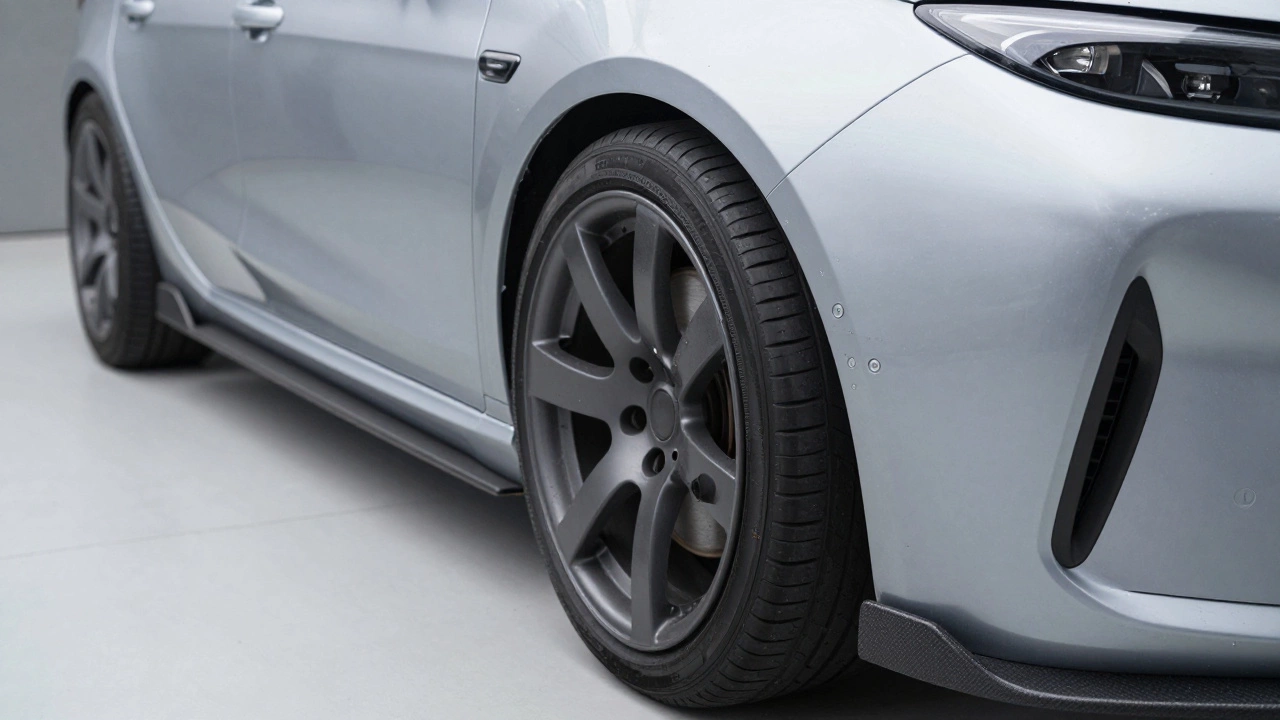
Thinking about dropping your car's stance? Lowering springs are the easiest way to shave a few inches off the ride height without a full suspension swap. They replace the stock springs with shorter, stiffer ones, which pulls the body closer to the ground. The result is a more aggressive look and sharper handling, but it also changes how the car feels on the road.
How Lowering Springs Affect Handling
When the centre of gravity lowers, the car rolls less in corners. That means you can take a turn a bit faster before the body leans too much. The stiffer spring rate also reduces body bounce over bumps, giving a tighter feel at higher speeds. However, the trade‑off is a firmer ride. You’ll notice every pothole and speed bump more than with stock springs.
Choosing the Right Set for Your Car
Not all lowering springs are created equal. First, check the spring length and rate. A shorter spring will drop the car more, but if the rate is too high you’ll feel every imperfection. Look for a set that matches your driving style – street drivers often pick a moderate drop (about 20‑30mm) with a balanced rate, while track enthusiasts might go deeper and stiffer.
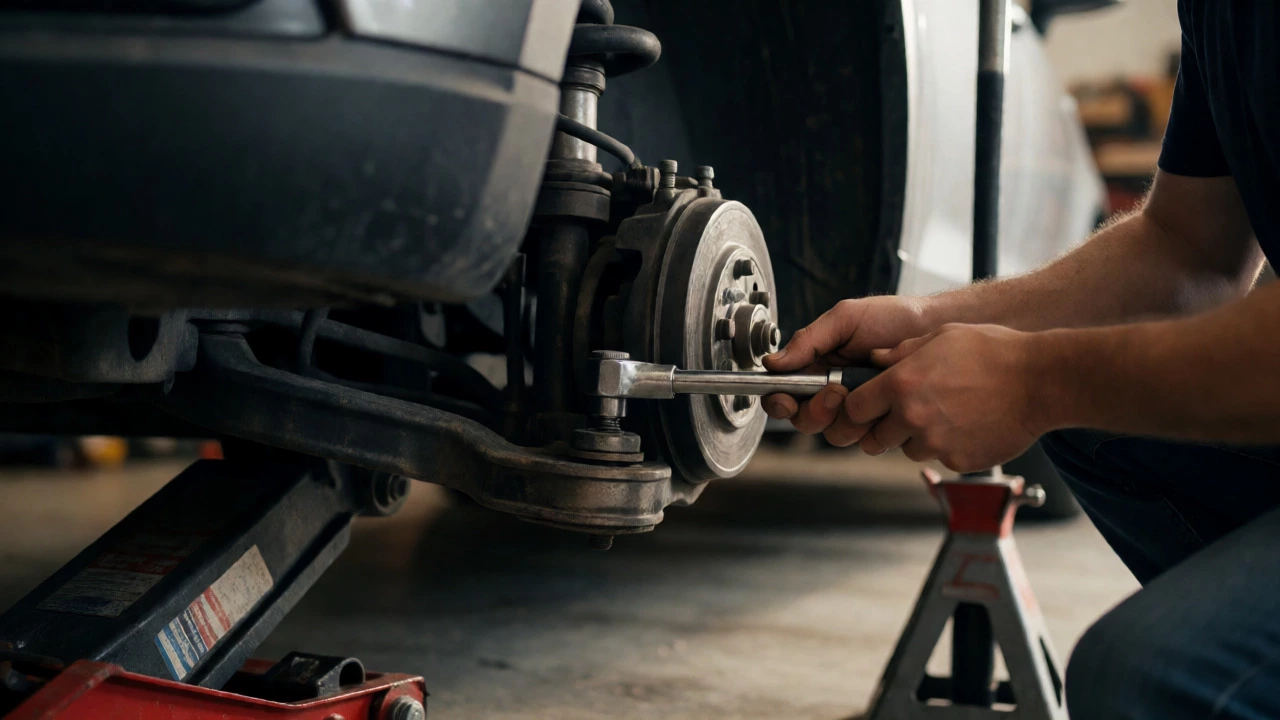
Fitment is another key factor. Your car’s suspension geometry, shock absorbers, and alignment settings all need to work with the new springs. Many manufacturers recommend swapping out the shocks or at least retuning them to keep the ride smooth. If you skip this step, you could end up with a harsh front end or uneven tire wear.Installation isn’t rocket science, but it does take some tools and patience. You’ll need a jack, jack stands, and a spring compressor if the springs are mounted over the shock. Safety first – never work under a car that’s only on a jack. If you’re not comfortable with spring compression, a local garage can do it in under an hour for a modest fee.
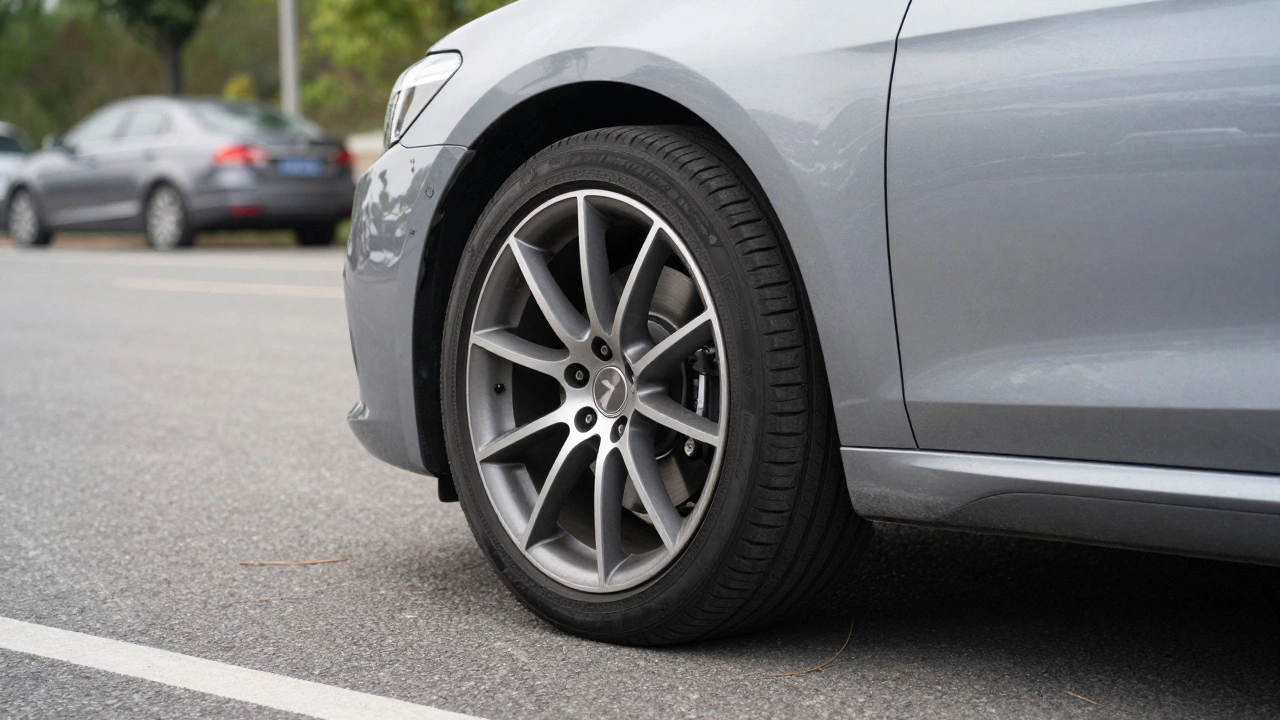
After the fit, get a proper alignment. Lowering the car changes the suspension angles, so an alignment will keep the tires pointing straight and prevent uneven wear. Most shops will check camber, caster, and toe – make sure they adjust all three.
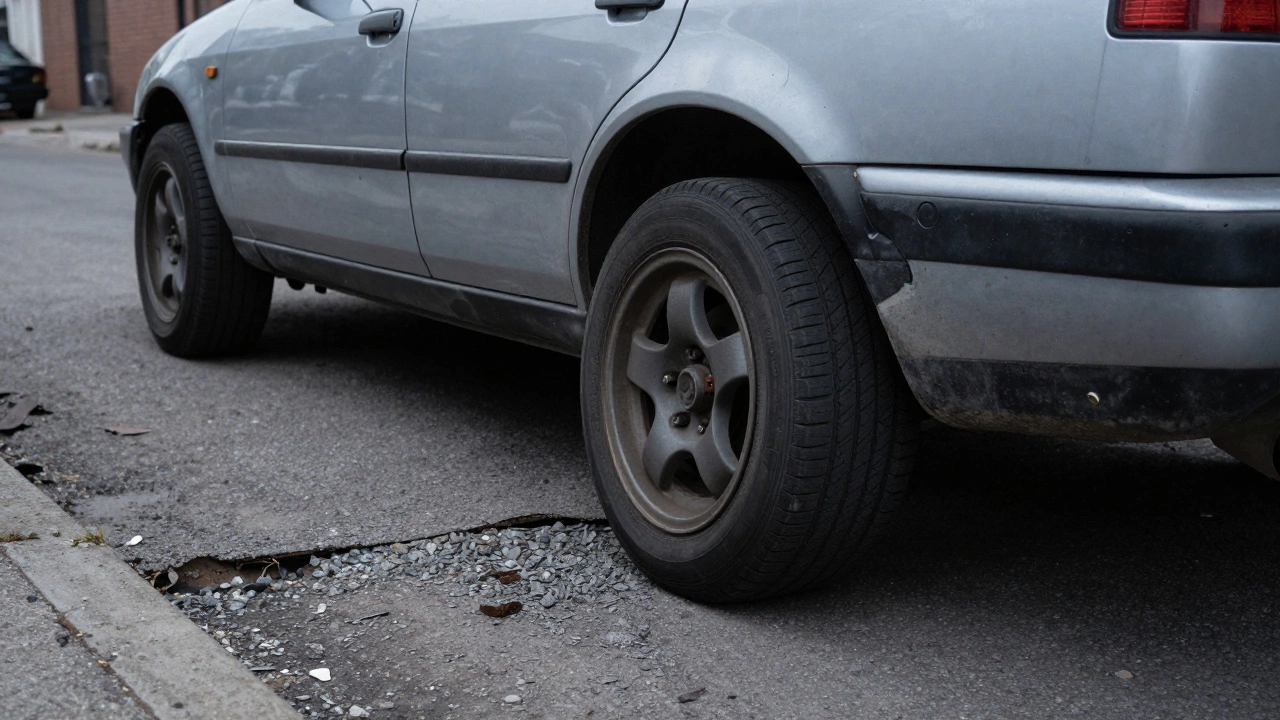
Now, what about the downsides? A lower stance can make the car more vulnerable to scraping on speed bumps or steep drive‑throughs. It also reduces ground clearance, which might be an issue if you regularly drive on rough roads. Additionally, the stiffer springs can make the ride feel harsher on long trips, which some drivers find tiring.
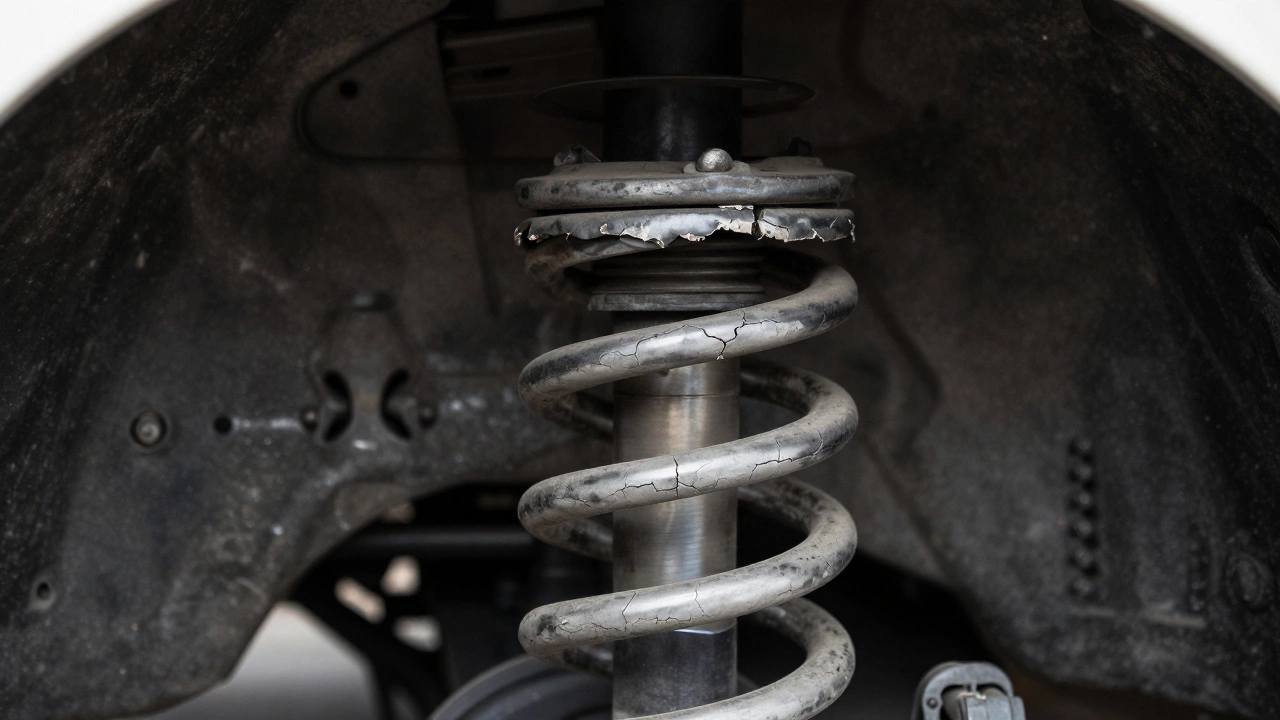
Maintenance wise, keep an eye on the springs for any cracks or signs of fatigue, especially if you push the car hard on the track. Regularly inspect the mounting points and bushings – the extra stress can wear them out faster than with stock springs.
Bottom line: lowering springs give you a sportier look and tighter handling with a relatively simple swap. Just weigh the aesthetic gains against the comfort cost, and don’t forget the supporting upgrades – shocks, alignment, and possibly new bushings. With the right set and proper installation, you’ll enjoy a lower, sharper ride without sacrificing safety.
Wondering if lowering springs ruin your shocks? We explain the mechanical stress, signs of wear, and whether you need to upgrade dampers for safety and performance.
Thinking about dropping your car? We break down the difficulty of installing lowering springs, essential tools, and common mistakes to avoid.
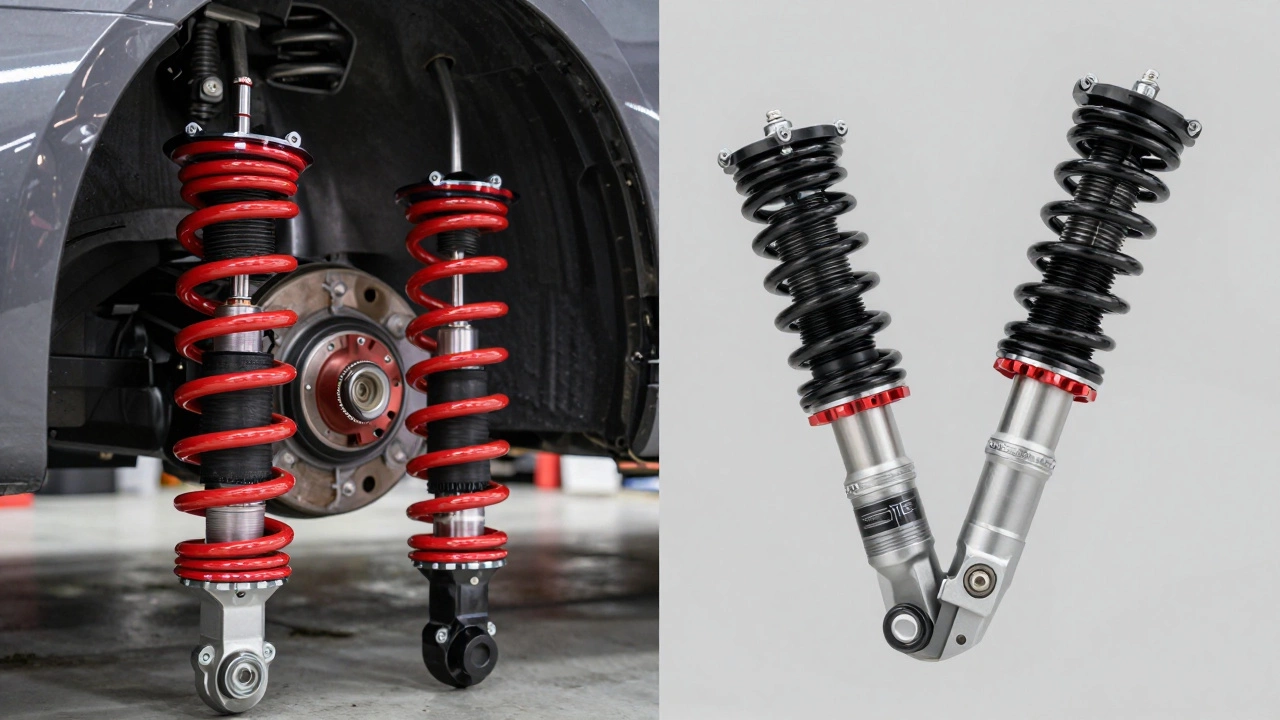
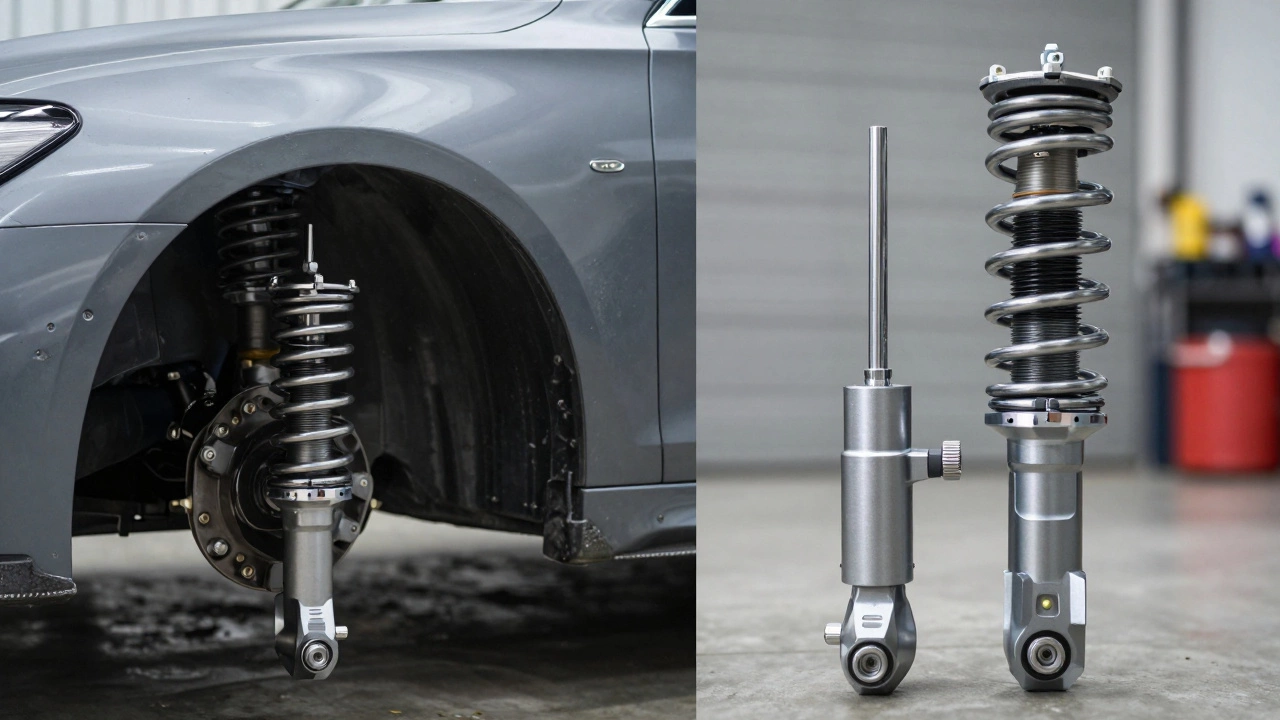
Will lowering springs ruin your struts? We explain the risks, symptoms of failure, and when you actually need to upgrade to coilovers for safety and performance.
Learn how to identify bad lowering springs through visual checks, sound cues, and handling changes. Discover when to replace them and how to prevent premature failure.
Discover if lowering springs are worth the investment for your car. We compare costs, handling benefits, and ride quality against coilovers, plus essential tips for installation and maintenance.
Discover the truth about ride quality: coilovers vs lowering springs. We break down comfort, handling, costs, and installation to help you choose the right suspension upgrade for your car.
Discover the key differences between lowering springs and coilovers. We compare cost, comfort, handling, and adjustability to help you choose the right suspension upgrade for your car.
Wondering if lowering springs ruin your ride? Learn how spring rates and shocks affect comfort, handling, and long-term wear in this honest guide.
Buying lowering springs alone to drop your car seems cheap, but it leads to worn shocks, bad alignment, and expensive repairs. Here's what actually happens-and what to do instead.
Lowering springs may improve your car's look, but they come with serious risks: reduced ground clearance, faster suspension wear, alignment issues, tire damage, and warranty voids. Learn the real costs before you drop your ride.
Lowering springs can improve handling at speed - but only if paired with the right shocks, alignment, and tires. Without upgrades, they make your car dangerous on real roads.