
Carbon Fiber Weight Savings Calculator
Select Parts to Upgrade
Check the components you want to replace with carbon fiber to see total weight savings.
Performance Impact Estimate
*Estimates based on a standard 3,000 lb vehicle. Results vary by car weight and power.
Material Comparison
Select parts above and click "Calculate Savings" to see results.
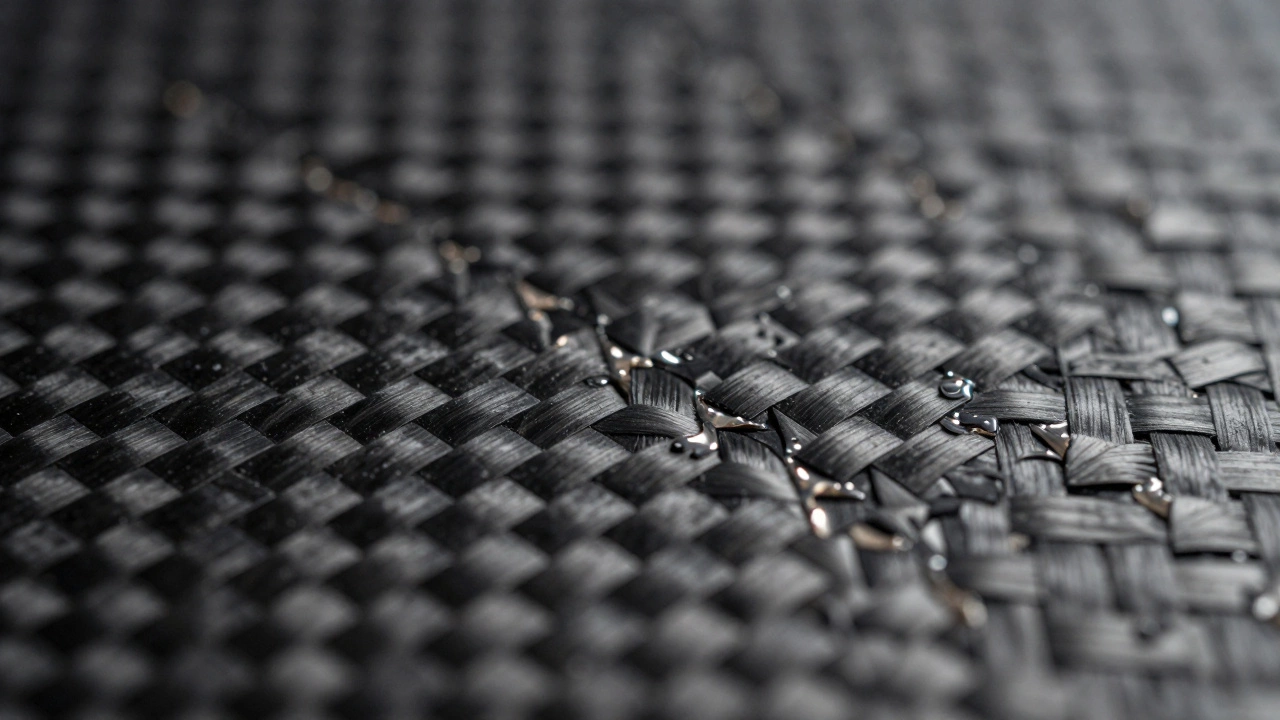
Picture this: you’re sitting in your car, foot on the gas, ready to hit a corner. The engine roars, but something feels… heavy. sluggish. Now imagine that same moment, but the car feels lighter, sharper, and more responsive. That’s the magic of carbon fiber, a high-strength composite material made from thin strands of carbon woven together and bonded with resin. It’s not just for race cars anymore. From everyday commuters to weekend track enthusiasts, people are swapping out steel and aluminum parts for carbon fiber alternatives-especially when it comes to aerodynamic components like carbon fiber spoilers.
But why exactly do we use carbon fiber? Is it just hype, or does it actually make a difference? Let’s break down the three main reasons drivers choose carbon fiber: its incredible strength-to-weight ratio, its role in improving aerodynamics, and its long-term durability.
Reason #1: Unmatched Strength-to-Weight Ratio
When it comes to building faster, more efficient vehicles, weight is the enemy. Every extra kilogram makes your car slower to accelerate, harder to brake, and less agile in corners. Steel is strong, sure, but it’s also heavy. Aluminum is lighter, but it doesn’t hold up as well under stress. Enter carbon fiber-a material that punches way above its weight class.
Carbon fiber is about five times stronger than steel and twice as stiff as aluminum, yet it weighs only a fraction of either metal. To put that in perspective, a typical steel hood might weigh around 40-50 pounds (18-23 kg). A comparable carbon fiber hood? Closer to 15-20 pounds (7-9 kg). Swap out just one part, and you’ve already shaved off significant mass. Do it across multiple components-hood, trunk lid, fenders, spoiler-and suddenly your car handles like it’s on rails.
This isn’t just theoretical. In motorsports, teams have been using carbon fiber for decades because every gram counts. Formula 1 cars, for example, rely heavily on carbon fiber monocoques-the central structure of the vehicle-to keep them light while surviving massive G-forces during high-speed turns. Even in street-legal builds, reducing unsprung weight (the weight of wheels, brakes, and suspension components) improves handling and ride quality.
- Strength: Carbon fiber has tensile strength comparable to steel alloys.
- Weight Savings: Up to 50% lighter than traditional metals.
- Stiffness: Resists bending and deformation better than most metals.
If you’re looking to improve your car’s performance without changing the engine, cutting weight is one of the easiest ways to see results. And carbon fiber delivers exactly that.
Reason #2: Enhanced Aerodynamics
Aerodynamics play a huge role in how a car performs at speed. Poor airflow can cause drag, lift, and instability-all things you don’t want when pushing your vehicle to its limits. This is where carbon fiber shines again, especially in the form of spoilers, splitters, diffusers, and side skirts.
Take carbon fiber spoilers, for instance. Unlike plastic or painted metal versions, carbon fiber spoilers are rigid enough to maintain their shape even at high speeds. They’re designed to redirect air over and around the car, creating downforce that keeps the rear end planted. More grip means better traction, which translates to faster lap times and safer highway driving.
The beauty of carbon fiber lies in its precision manufacturing. Because it’s molded rather than stamped or welded, designers can create complex shapes that optimize airflow. Think of those sleek, curved lines on modern supercars-they’re not just there for looks; they’re engineered to manage turbulence and reduce drag coefficients.
| Material | Weight | Durability | Aerodynamic Efficiency | Cost |
|---|---|---|---|---|
| ABS Plastic | Light | Fair | Moderate | $ |
| Painted Metal | Heavy | High | Good | $$ |
| Carbon Fiber | Very Light | Excellent | Superior | $$$ |
Of course, proper installation matters too. A poorly mounted spoiler won’t do much good, no matter what it’s made of. But if done right, carbon fiber aero parts give you real-world benefits-not just visual flair.

Reason #3: Long-Term Durability and Resistance
Let’s talk longevity. One of the biggest complaints about aftermarket car parts is that they wear out quickly. Paint chips, rust forms, plastics crack after months of exposure to sun and rain. Not so with carbon fiber.
Because carbon fiber is non-corrosive and resistant to UV damage, it holds up incredibly well over time. You won’t find rust spots forming on your carbon fiber hood after a few winters. There’s no need to repaint it unless you want to change the look-it comes pre-finished with a glossy gel coat that lasts for years.
In addition, carbon fiber resists fatigue far better than many metals. Repeated stress cycles-like those experienced during daily drives or occasional track days-can weaken aluminum or steel over time. Carbon fiber maintains its structural integrity, meaning fewer replacements and less maintenance down the road.
That said, there are some caveats. While carbon fiber is tough, it’s brittle compared to metals. If you hit a curb too hard or get into a minor accident, it may crack instead of denting. Repairs require specialized tools and expertise, which adds cost. Still, for most applications, the trade-off is worth it.
Balancing Cost vs. Performance
No discussion about carbon fiber would be complete without addressing price. Yes, it’s expensive-but not always prohibitively so. Entry-level carbon fiber accessories start around $300-$500 USD, while full hoods or trunks can run upwards of $2,000-$3,000 depending on the brand and complexity.
For budget-conscious buyers, hybrid options exist. Some manufacturers offer "dry" carbon fiber panels, which lack the protective resin layer and are cheaper but prone to fading. Others sell fiberglass-reinforced composites marketed as "carbon look," though these lack the actual performance benefits.
If you’re serious about upgrading your ride, prioritize key areas first. Start with functional pieces like spoilers, front splitters, or mirror caps before moving onto larger body panels. Over time, the investment pays off through improved performance, reduced wear, and increased resale value.
Real-World Applications Beyond Racing
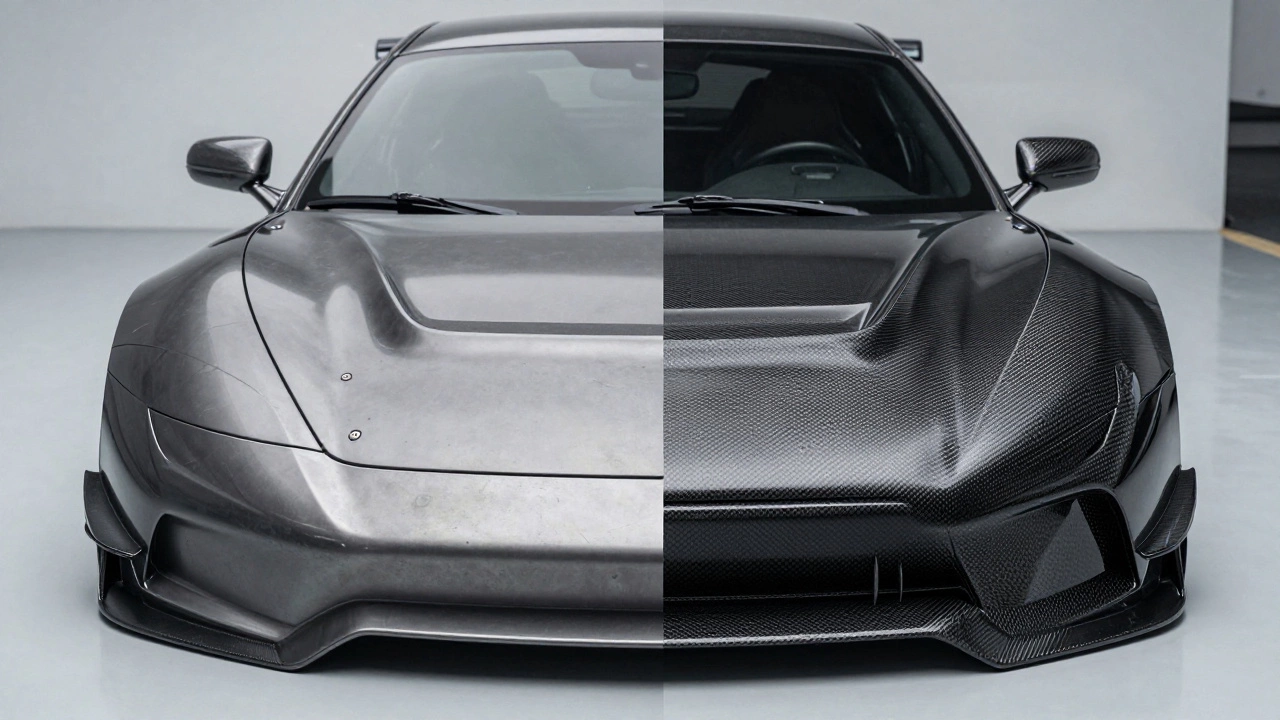
You don’t need to own a Porsche 911 GT3 RS to benefit from carbon fiber. Many daily drivers use it strategically to enhance both function and style. Consider these common upgrades:
- Hood Replacement: Reduces nose-heavy balance and enhances cooling efficiency.
- Trunk Lid: Adds rigidity and supports integrated wing designs.
- Spoilers & Wings: Improves downforce and stability at higher speeds.
- Sidewall Panels: Streamlines profile and reduces wind noise.
Even electric vehicles are adopting carbon fiber extensively. Tesla Model S Plaid uses carbon fiber reinforcements in critical zones to offset battery weight and boost range. As EV technology advances, expect to see more lightweight materials integrated into mainstream models.
Final Thoughts Before Buying
Before jumping into the world of carbon fiber, ask yourself a few questions:
- Do I drive aggressively or participate in track events?
- Am I willing to invest in professional installation?
- Will I notice the difference in my daily commute?
If the answer to any of those is yes, then carbon fiber could be a smart upgrade. Just remember: quality varies widely between brands. Stick with reputable suppliers who provide warranties and clear product specs. Cheap knockoffs often fall short in terms of fitment and finish.
In summary, carbon fiber offers unmatched advantages in strength, aerodynamics, and durability. Whether you're chasing track times or simply wanting a cleaner, more aggressive aesthetic, it’s hard to beat the combination of performance and prestige that comes with switching to this advanced material.
Is carbon fiber really worth the money?
Yes-if you care about performance, aesthetics, and long-term durability. While initial costs are higher than traditional materials, carbon fiber provides lasting value through weight reduction, improved handling, and resistance to corrosion and UV damage.
Can I install carbon fiber parts myself?
Some smaller components like mirrors or badges can be DIY-friendly, but larger parts such as hoods or spoilers usually require professional fitting to ensure alignment and safety. Always follow manufacturer guidelines carefully.
How do I tell real carbon fiber from fake?
Authentic carbon fiber has a distinctive woven pattern visible under close inspection. Fake versions often mimic this texture but lack depth and clarity. Look for consistent weave patterns and avoid overly shiny finishes that suggest paint rather than raw carbon.
Does carbon fiber affect insurance rates?
It depends on your provider and location. Some insurers view carbon fiber modifications as increasing risk due to repair complexity, potentially raising premiums. Others see them as neutral since they don’t alter engine output. Check with your agent beforehand.
What happens if my carbon fiber part gets damaged?
Minor scratches can often be polished out, but cracks or deep impacts require specialist repair. Carbon fiber cannot be easily bent back like metal-it needs heat treatment and epoxy bonding. Budget accordingly for potential fixes.
Are carbon fiber parts legal everywhere?
Generally yes, as long as they meet local regulations regarding visibility, emissions, and structural integrity. Avoid excessively loud exhausts or tinted windows alongside carbon fiber mods to stay compliant.
Should I buy dry or wet carbon fiber?
Wet carbon includes a protective resin layer and is ideal for exterior use. Dry carbon lacks this coating and is lighter but requires additional sealing. Choose based on your application-wet for outdoor exposure, dry for internal structures.
How long does carbon fiber last?
With proper care, carbon fiber parts can last 10+ years without degradation. Regular cleaning with mild soap and water prevents buildup, while avoiding harsh chemicals preserves the surface finish.
Does carbon fiber increase car value?
Not necessarily, but it can attract niche buyers interested in performance upgrades. High-quality installations from trusted brands add credibility and may justify a premium listing price.
Where can I find reliable carbon fiber suppliers?
Reputable companies include Novitec, Mansory, and Rauh-Welt Begriff. Online retailers like Amazon and eBay carry various options, but always verify authenticity through customer reviews and warranty policies.