Lowering Springs Cost Calculator
Cost Comparison Calculator
Calculate the real cost difference between just buying springs versus a complete suspension upgrade.
Enter values above to see cost comparison
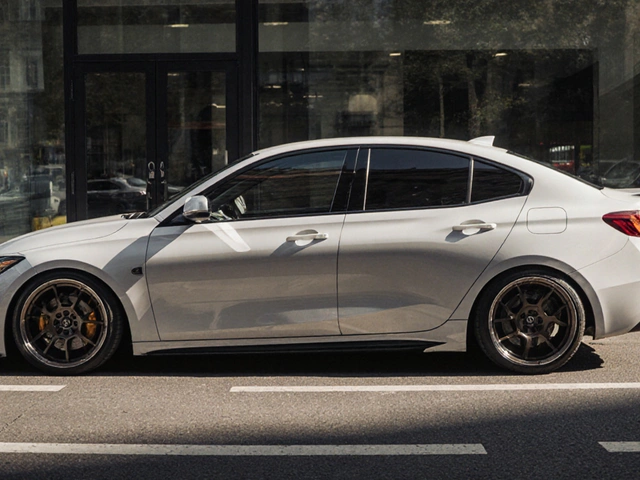
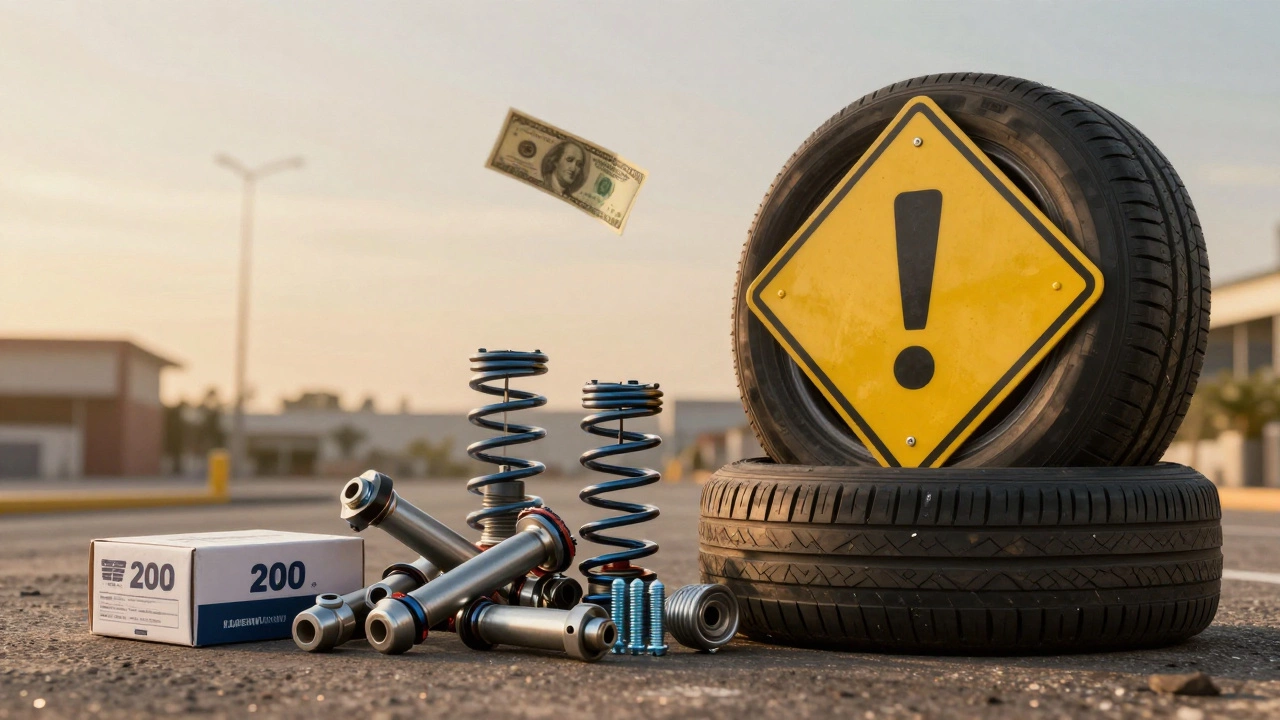
You see it everywhere-cars parked on the street, sitting low, hugging the asphalt. You think, That looks cool. So you hop online, type in lowering springs, and find a set for $200. Easy, right? Just swap out the old springs, drop the car, and boom-street machine. But here’s the truth: buying springs alone is the easiest, and most dangerous, mistake you can make when lowering your car.
What lowering springs actually do
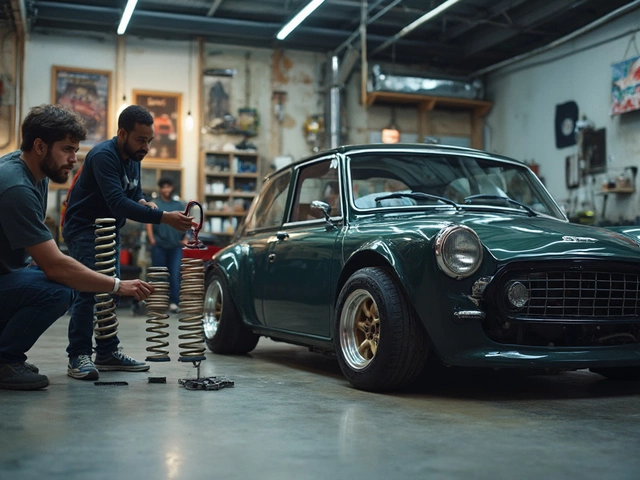
Lowering springs are shorter and stiffer than factory springs. They reduce ride height by 20 to 50 millimeters, depending on the brand and model. That’s it. They don’t change the geometry of your suspension. They don’t fix camber. They don’t improve handling. They just make the car sit lower.
Think of it like cutting the legs off a chair. The seat is lower, sure. But the chair still wobbles if the floor’s uneven. That’s what happens to your car. The springs pull the body down, but the shocks, control arms, and bushings are still set up for the original height. Result? Your tires tilt inward at the top (negative camber), your steering feels twitchy, and your shocks bottom out on every bump.
The hidden costs you’re not seeing
Most people think they’re saving money by skipping shocks. They’re wrong. Here’s what happens when you install lowering springs without matching shocks:
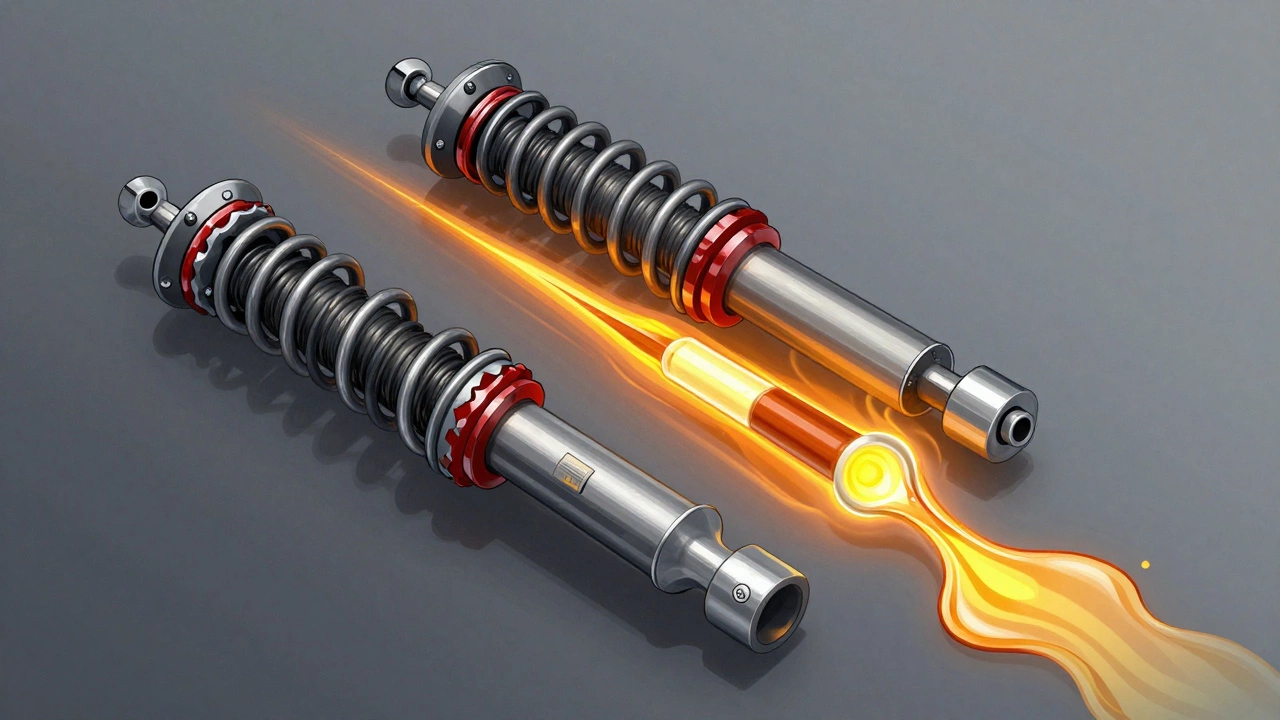
- Your factory shocks are designed to work over a 100mm range of motion. With lowering springs, that range drops to 40mm. Shocks don’t have room to extend fully. They’re always compressed.
- That constant compression overheats the shock fluid. After 5,000 kilometers, the oil breaks down. The shock loses damping. You start feeling every crack in the road.
- By 15,000 kilometers, the shocks are worn out. You’re now paying for new shocks anyway-plus the cost of the springs you already bought.
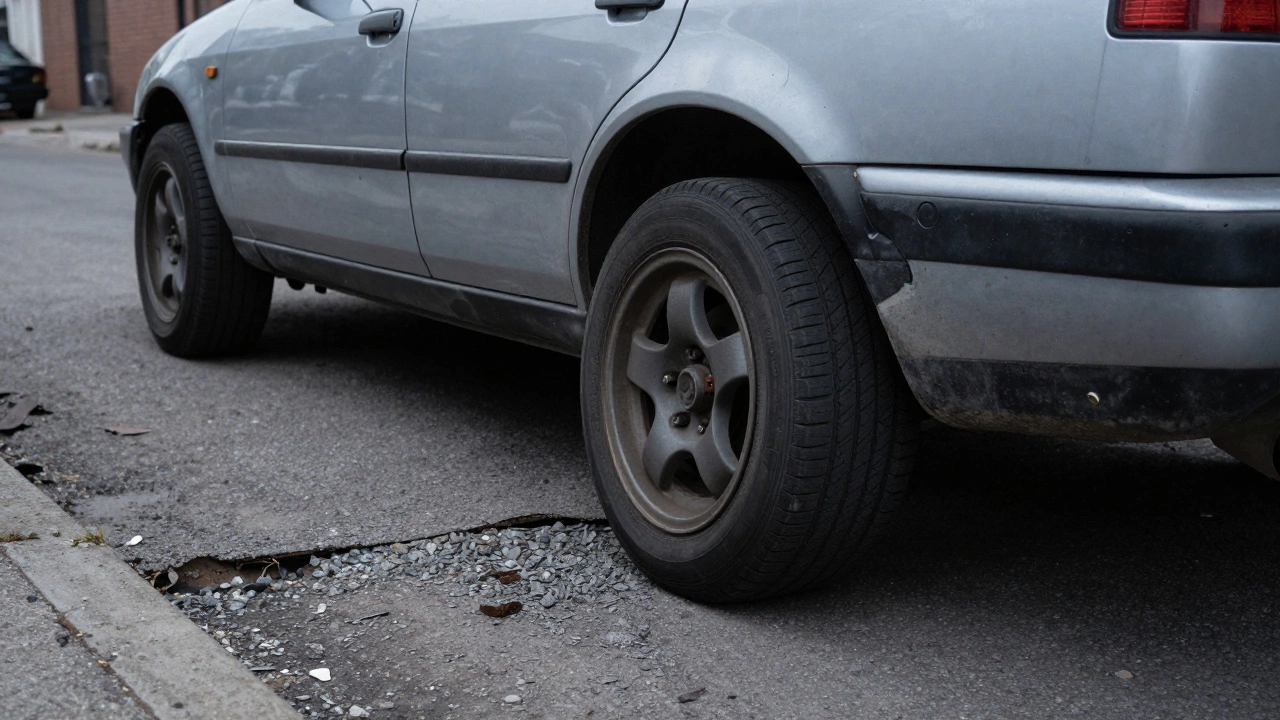
And it gets worse. Lowered cars put extra stress on CV joints, ball joints, and control arm bushings. In Melbourne’s rough roads and potholes, a lowered car can wear out suspension parts 2-3 times faster than a stock one. I’ve seen a $300 spring kit turn into a $2,500 repair bill because the owner didn’t know any better.
Alignment isn’t optional-it’s mandatory
After installing lowering springs, your car’s alignment is wrecked. Factory settings assume a certain ride height. Lower the car, and the angles change. The front wheels will tilt inward (negative camber), and the toe will shift. This causes:
- Uneven tire wear-inner edges of the front tires can be bald in under 5,000 km
- Steering pull-you’ll constantly fight the wheel to stay straight
- Reduced grip-the tire isn’t flat on the road, so you lose traction in corners
You can’t fix this with a $30 alignment at a chain shop. You need a shop that specializes in lowered cars and has adjustable camber kits. Most places won’t even touch it unless you’ve installed camber bolts or adjustable control arms. And those cost $150-$400 per axle.
What about ride quality?
Lowering springs are stiffer. That’s how they prevent bottoming out. But stiffness isn’t just about handling-it’s about comfort. You’ll feel every speed bump, every expansion joint, every loose gravel patch. On Melbourne’s old suburban streets, a lowered car feels like a go-kart with no suspension.
And don’t believe the marketing. Brands like Eibach or H&R don’t say, “This spring will make your car ride like a luxury sedan.” They say, “Improved cornering.” That’s because they know you’re trading comfort for looks. If you want both, you need coilovers-not springs.
When lowering springs make sense
There are only two cases where buying springs alone is okay:
- You’re on a tight budget and plan to upgrade shocks and alignment within 6 months.
- You’re using them as a temporary step before installing full coilovers.
Even then, you need to accept the ride is going to be rough. You need to check your tire wear every 2,000 km. And you need to budget for the next step.
One guy I know in Footscray bought Eibach springs for his Civic. He drove it for 8 months without shocks or alignment. He wore out two sets of tires, broke a rear control arm, and finally spent $1,800 on Koni shocks and camber bolts. He ended up paying $2,300 total-$800 more than if he’d just bought a used coilover kit from the start.
What you should do instead
If you want a lowered car that handles well and lasts, here’s the real path:
- Buy a full coilover kit. Brands like KW, TEIN, or BC Racing offer adjustable height and damping. You get better control, smoother ride, and longevity.
- Get a professional alignment with adjustable camber plates.
- Replace worn bushings and ball joints while you’re at it.
- Check tire pressure weekly-lowered cars need slightly higher pressure to compensate for reduced sidewall flex.
Yes, coilovers cost more upfront-$1,200 to $2,500 depending on quality. But you’re not just buying springs. You’re buying a system designed to work together. No surprises. No hidden repairs. No wasted money.
The bottom line
Can you just buy springs to lower your car? Technically, yes. Should you? Almost never.
It’s like buying a new engine and ignoring the radiator. You might get it to start, but it won’t last. Lowering springs are a shortcut that leads to expensive detours. If you want your car to look good, drive well, and not cost you a fortune in repairs, don’t cut corners. Go for a complete suspension upgrade.
And if you’re still tempted by that $200 spring set? Walk away. Save the money. Do it right the first time.