Lowering Setup Impact Estimator
Estimated Ride Profile
Quick Takeaways for Your Setup
- Stiffness: Lowering springs usually have a higher spring rate, meaning they are stiffer than factory springs.
- Handling: You'll notice significantly less body roll and a more planted feel in the bends.
- Comfort: Expect a firmer ride. Small bumps are more noticeable, while large dips can cause "bottoming out."
- Wear and Tear: Standard shocks often struggle with shorter springs, leading to faster wear if not paired with performance dampers.
How Spring Rates Affect Your Comfort
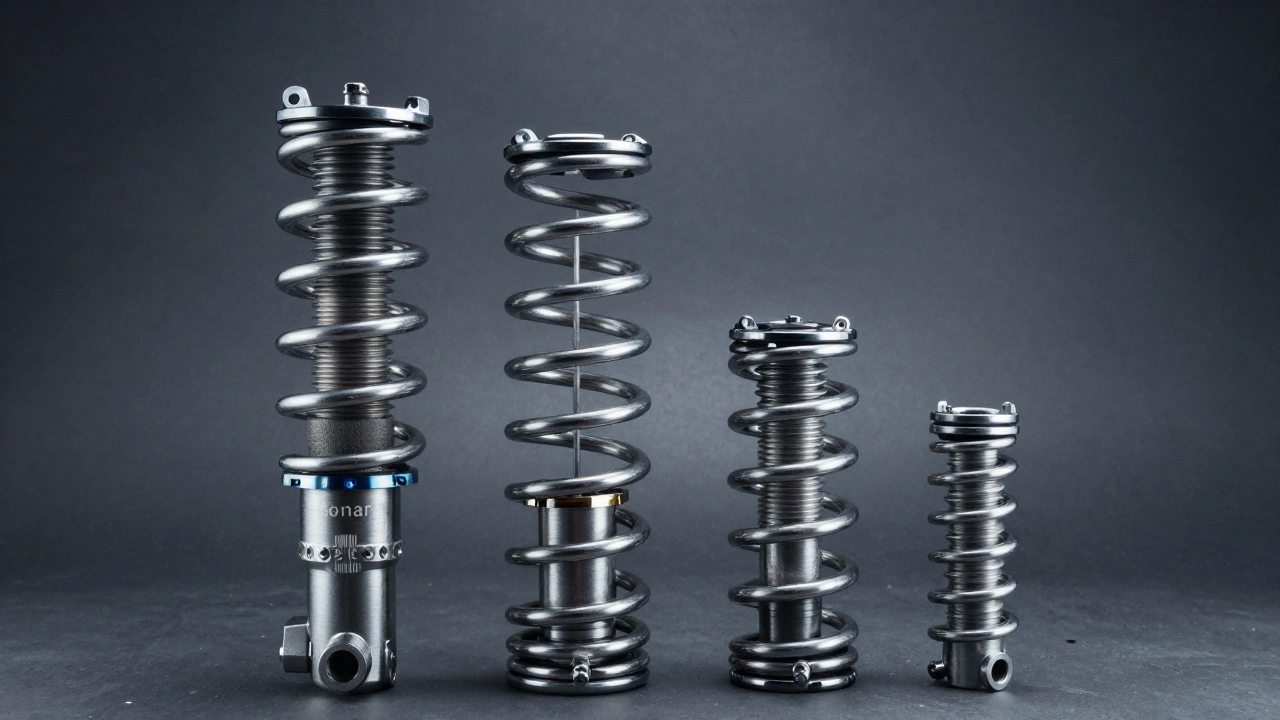
To understand why a car feels "harsh" after lowering, you have to look at the spring rate. In simple terms, the spring rate is how much force is needed to compress the spring by one inch. Factory springs are designed for a broad average-they want to soak up potholes and keep passengers happy. Coil springs designed for lowering are typically stiffer to prevent the car from hitting the bump stops now that there is less travel available.
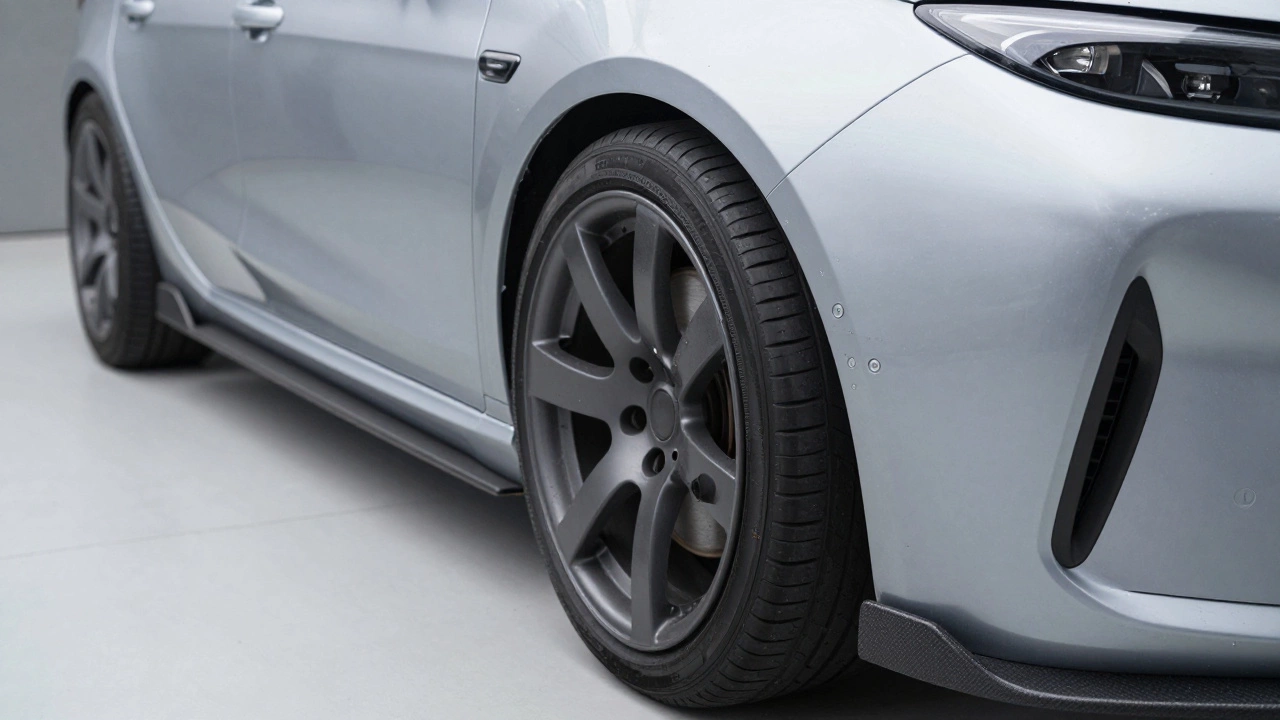
If you go too extreme-say, a drop of 2 inches or more-you're dealing with a very high spring rate. This means the suspension can't absorb small imperfections in the road. Instead of the spring compressing, the energy is transferred directly into the chassis and the driver's seat. That's where that "jittery" feeling comes from. If you're driving a daily commuter in a city with crumbling roads, a mild drop (about 1 inch) is usually the sweet spot where you get the look without the headache.
The Secret Culprit: Shock Absorber Mismatch
Most people blame the springs for a bad ride, but the real villain is often the shock absorber. Your factory shocks are valved for a specific spring length and rate. When you install lowering springs, you change the geometry and the operating range of those shocks.
When a shock is forced to operate in a shorter window than it was designed for, it can't control the spring's oscillation effectively. This leads to "bouncing." You hit a dip, and instead of one clean movement, the car bounces two or three times. This isn't just uncomfortable; it's dangerous at high speeds because the tires aren't maintaining consistent contact with the pavement. This is why pairing lowering springs with shorter, stiffer performance dampers-like those from Bilstein or Koni-transforms the ride from "unbearable" to "European sport sedan" quality.
| Feature | Stock Suspension | Lowering Springs | Coilovers |
|---|---|---|---|
| Ride Comfort | Plush / Soft | Firm / Stiff | Adjustable (can be very stiff) |
| Handling | Average / Lean | Improved / Flat | Precision / Track-ready |
| Cost | N/A | Low to Medium | High |
| Height Adjustment | None | Fixed Drop | Fully Adjustable |
Real-World Impact on Daily Driving
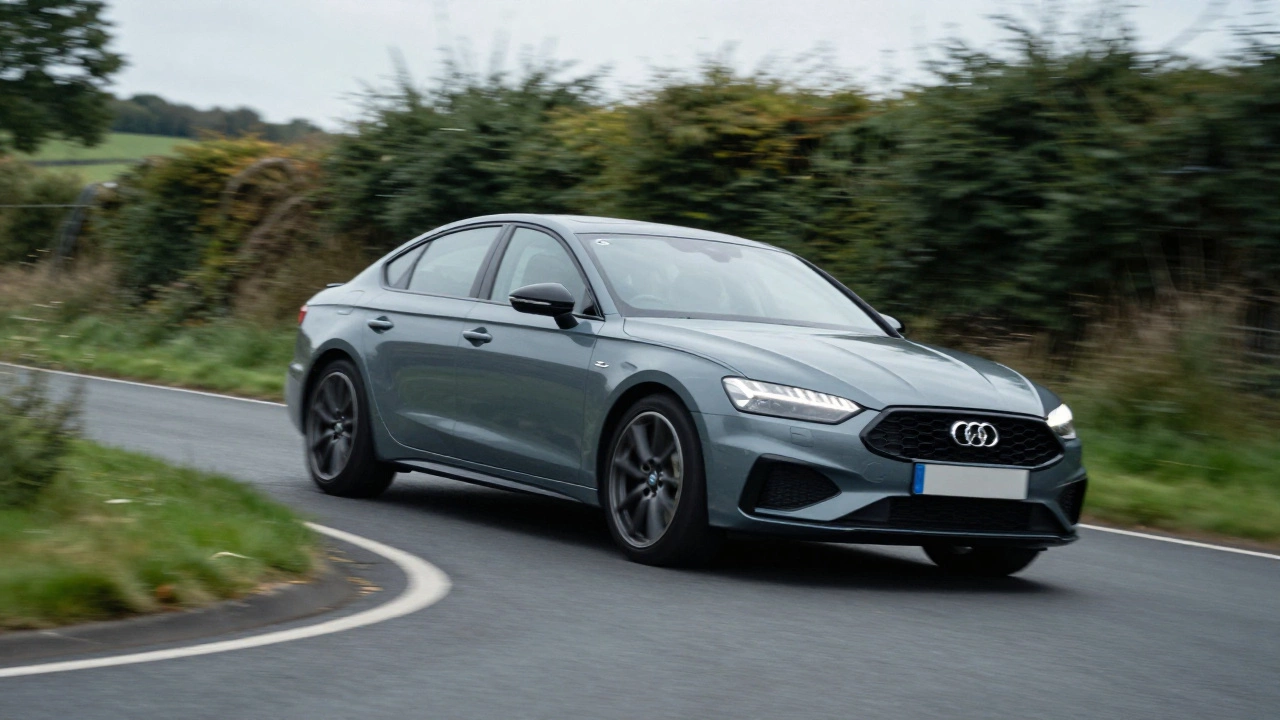
Let's talk about the actual experience of driving. When you lower your car, the center of gravity drops. This is a huge win for handling. You can take a roundabout at a higher speed without feeling like the car is going to tip over. However, the trade-off is the "scrape factor." Speed bumps, steep driveways, and potholes become your worst enemies.
In a real-world scenario, imagine driving over a manhole cover that's slightly raised. On stock springs, you barely feel it. With aggressive lowering springs, you'll feel a sharp thud. If you're running a heavy car, like a full-sized sedan, this effect is more pronounced. In a light hatchback, you might not even notice the difference. The key is managing your expectations: you are trading absolute plushness for agility and aesthetics.
Common Pitfalls to Avoid
One of the biggest mistakes is buying the cheapest springs available from an unknown brand. These are often just "cut and heated" versions of stock springs or made from low-grade steel that sags over time. A sagging spring is the worst-case scenario because it ruins the handling and makes the ride unpredictable.
Another error is neglecting the wheel alignment. Changing the ride height alters your camber and toe settings. If you don't get an alignment immediately after installation, your car will feel twitchy, and you'll chew through your tires in a few thousand kilometers. You might feel like the ride is "ruined" simply because the car is pulling to one side or scrubbing the tires against the asphalt.
Alternatives for Those Who Want Both
If you can't decide between comfort and looks, there are a few ways to hedge your bets. First, look into adjustable coilovers. While more expensive, they allow you to dial in the stiffness. If you find the ride too harsh, you can soften the damping.
Alternatively, consider a "mild" lowering kit. Some brands offer a 15mm to 20mm drop. This is barely noticeable to the untrained eye, but it keeps the spring rate close enough to factory specs that you won't feel like you're riding a brick. It's the best compromise for people who prioritize a smooth commute but want to eliminate that unsightly wheel gap.
Will lowering springs cause my car to bottom out?
Yes, it's possible. Because you have less travel between the axle and the chassis, a deep pothole or a heavy load of passengers can cause the suspension to hit the bump stops. This results in a harsh jolt and can potentially damage the chassis over time.
Do I need to replace my shocks when installing lowering springs?
You don't *have* to, but it's highly recommended. Stock shocks aren't optimized for the shorter length and higher spring rates of lowering springs. Replacing them with performance dampers prevents the "bouncy" feeling and preserves the life of your new springs.
Does lowering the car affect fuel economy?
In most cases, the difference is negligible. However, a slightly lower profile can marginally reduce aerodynamic drag at highway speeds, though this is usually offset by any changes in tire choice or wheel weight.
How much does it affect tire wear?
Lowering usually increases negative camber (the top of the tire tilts inward). Without a proper alignment and potentially adjustable camber bolts, this will cause the inside edges of your tires to wear out much faster than normal.
Can I just cut my stock springs to lower the car?
Absolutely not. Cutting springs is dangerous. It ruins the heat treatment of the steel, creates unpredictable spring rates, and can cause the spring to "pop out" of its seat during a turn. Always buy purpose-built lowering springs.
Next Steps and Troubleshooting
If you've already installed springs and the ride feels too harsh, don't panic. First, check your tire pressure. Sometimes, when people lower their cars, they also switch to low-profile tires and over-inflate them, which compounds the stiffness. Dropping your PSI to the manufacturer's recommended level can soften the blow.
If the car is bouncing, it's time to look at your dampers. If you're on a budget, look for "sport" shocks that are specifically listed as compatible with lowering springs. For those who find a fixed-drop spring too limiting, the next logical step is migrating to a coilover system, which allows you to adjust the height and stiffness to suit your specific driving environment.