Window Tint Legality Checker
Select your vehicle's tint level and location type to see if it meets common legal standards for front side windows.
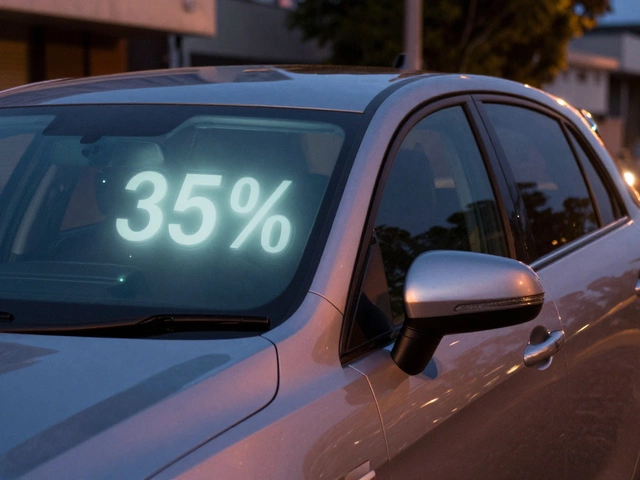
Tint Simulation & Status
Note: This tool estimates legality based on general regional trends. Always verify with your local DMV or a professional installer using a tint meter.
You just bought that sleek sedan or lifted truck, and you want it to look aggressive. You also want privacy and protection from the sun beating down on your dashboard. But there’s a catch: window tint laws are stricter than most people realize. If you go too dark, you’re not just looking cool; you’re looking at a ticket. In some states, that “limo tint” (5% Visible Light Transmission) is perfectly fine for the back seats but illegal on the front doors. Knowing exactly what the darkest legal window tint is in your state saves you money, hassle, and potential fines.
| Region/State Type | Front Side Windows | Rear Side & Back | Windshield Non-Reflective |
|---|---|---|---|
| Strict States (e.g., NY, NJ) | 70% VLT | Unlimited | AS-1 Strip Only |
| Moderate States (e.g., CA, TX) | 70% VLT | Unlimited | Non-glare strip |
| Lenient States (e.g., AZ, NM) | 35% - 50% VLT | Unlimited | Up to 35% VLT |
Understanding VLT and Why It Matters
Before you pick a shade, you need to speak the language of tint installers. They don’t talk about "light" or "dark" in vague terms; they use VLT, which stands for Visible Light Transmission. This number tells you how much light passes through the film. A 5% VLT means only 5% of outside light gets in-it’s nearly opaque. A 70% VLT lets 70% of light through, so it looks almost clear. The lower the number, the darker the tint. Most drivers confuse the color of the film with its darkness. A black 50% tint looks different from a charcoal 50% tint, but legally, they are identical because they block the same amount of light. When you ask for the "darkest legal," you are asking for the lowest VLT percentage allowed by law for specific windows.
The Front Windshield Rule
Here is where most people get caught out. For the vast majority of US states, the entire windshield must remain clear. You cannot tint the whole glass. Instead, laws usually allow a non-reflective tinted strip along the top edge, often called an AS-1 line. This strip typically extends down 4 to 6 inches. Some states, like Arizona and New Mexico, are exceptions that allow full-windshield tinting up to a certain VLT level (usually 35% or higher). Always check if your state allows a colored band across the top or just a clear UV-blocking layer.
Front Side Windows: The Strictest Zone
Why are front side windows regulated so tightly? Police officers need to see your eyes and hands during a traffic stop. Safety regulations dictate that you must be able to see clearly into the vehicle. Because of this, front side windows have the strictest limits. In many states, including California, New York, and Texas, the limit is 70% VLT. That means you can barely notice the tint when standing outside. It provides heat rejection and UV protection without significantly darkening the view. However, states like Florida allow 28% VLT on front sides, while others like Ohio allow 50%. There is no single national standard. Assuming your neighbor’s legal tint is legal in your county is a recipe for disaster.
Rear Windows and Back Glass
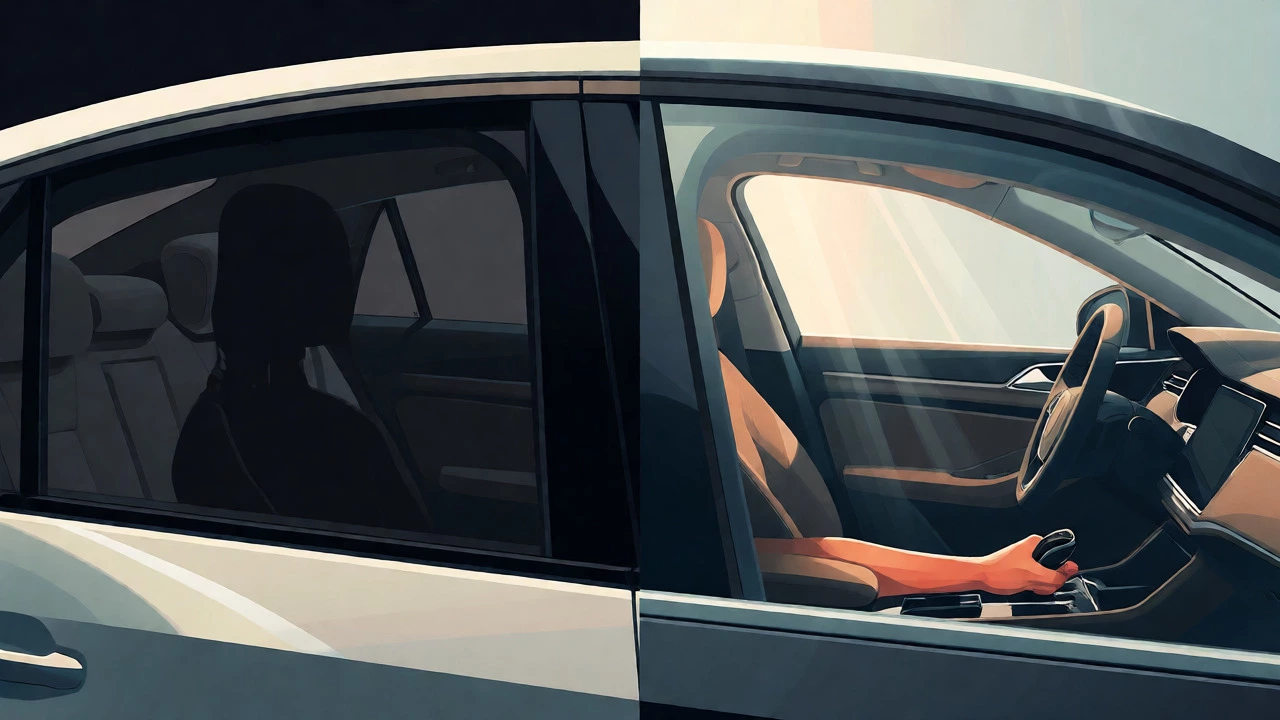
This is good news for privacy seekers. In most states, once you pass the B-pillar (the post between the front and rear doors), the rules loosen up significantly. Rear side windows and the back windshield can often be as dark as you want-commonly referred to as "Limo Tint" (5% VLT)-as long as your vehicle has dual side mirrors. The logic is simple: the driver doesn’t need to look directly through the rear glass to drive forward, and cameras/sensors handle backup visibility now. Just remember, if you tint the rear heavily, you absolutely must have functional side mirrors.
Medical Exemptions
Do you suffer from migraines triggered by sunlight? Or perhaps you have photosensitivity due to a medication? Many states offer medical exemptions that allow darker tints than the standard law permits. To qualify, you typically need a signed letter from a licensed physician stating your condition. You’ll then file this paperwork with your local DMV and keep a copy in your glove box. Without the physical document in the car, a police officer will likely still write you a ticket, even if you have the exemption on file.
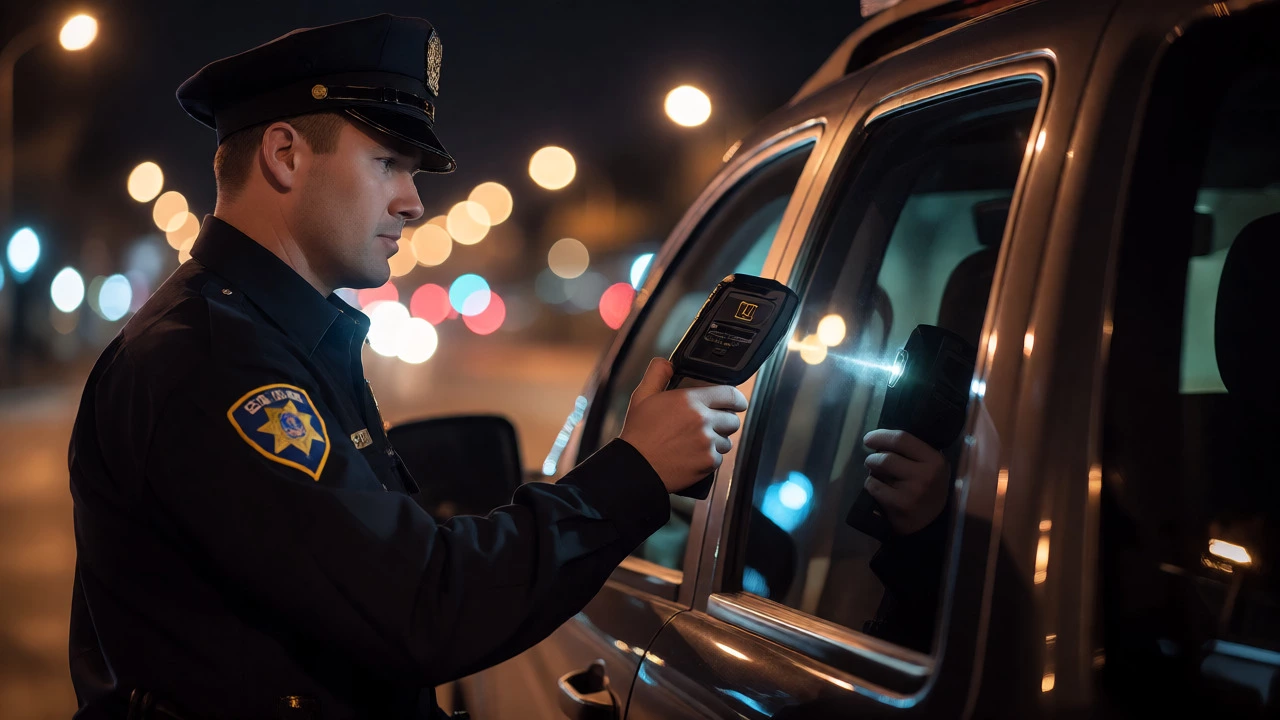
Consequences of Illegal Tint
Getting pulled over for illegal tint isn’t always just a slap on the wrist. Penalties vary wildly:
- Fines: Range from $50 to $500+ depending on the state and whether it’s a first offense.
- Fix-it Tickets: You might be given 10 days to remove the tint and prove it to the court.
- Vehicle Inspection Failure: In states with annual inspections (like PA or VA), illegal tint will fail your inspection.
- Insurance Issues: Rarely, but sometimes, modifications deemed unsafe can complicate claims.
How to Check Your Current Tint
If you bought a used car or had tint installed years ago, you might not know the VLT. Don’t guess. Go to a professional installer. They use a device called a tint meter. It shines a light through the glass and measures exactly how much comes out the other side. This is the only accurate way to verify legality. Home remedies, like holding a flashlight against the glass, are unreliable and won’t convince a judge.
Tips for Staying Legal
When shopping for new tint, bring a sample card or ask for a test square. Hold it up against your existing window to compare. Ask the installer specifically: "Is this film compliant with [Your State] front side window laws?" Reputable shops know their local codes. Also, consider ceramic tint. It offers high heat rejection even at lighter VLT levels (like 70%), giving you comfort without breaking the law.
Can I tint my windshield completely?
Generally, no. Most states only allow a non-reflective strip at the very top of the windshield (usually 4-6 inches). A few states, such as Arizona and New Mexico, allow full windshield tinting if it meets a minimum VLT requirement (often 35% or higher).
What does 5% tint mean?
5% tint, often called "Limousine Tint," allows only 5% of visible light to pass through. It is extremely dark and provides maximum privacy, but it is rarely legal on front side windows in most jurisdictions.
Do factory-tinted windows count toward the legal limit?
Yes. Factory privacy glass is considered part of the total tint. If your factory rear glass is already 20% VLT and you add another layer of film, the combined VLT might drop below the legal limit. Installers should account for this when applying aftermarket film.
Will I lose my license points for illegal tint?
In most states, illegal tint is a non-moving violation with no points on your license. However, repeat offenses or driving with severely impaired visibility could potentially escalate penalties. Always check your specific state’s penal code.
Is ceramic tint better than dyed tint?
Ceramic tint is generally superior. It blocks more heat and UV rays without using metals that interfere with GPS or radio signals. It also doesn’t fade or turn purple over time like cheap dyed films. While more expensive, it lasts longer and performs better.