Professional Glass Cleaning Advisor
Your Custom Plan
Have you ever wiped your windshield with a generic kitchen spray and ended up with more streaks than visibility? You are not alone. Most people reach for Windex or a similar household product, only to find that the residue leaves their vision blurry within minutes. But if you look at a freshly detailed car from a professional shop, the glass looks invisible. It is so clean that you forget it is there.
The difference isn't magic; it is chemistry. Professional car detailers are specialists who restore vehicles to showroom condition using specific tools and chemical formulations do not use ammonia-based cleaners on automotive glass. They use products designed specifically to bond with the surface without leaving behind oily residues or damaging surrounding rubber seals. Understanding what they use-and why-can transform how you see out of your own vehicle.
The Problem with Household Cleaners
To understand what professionals use, we first need to look at what they avoid. The biggest culprit in streaky windows is ammonia. Many standard household glass cleaners contain ammonia because it cuts through grease quickly. However, automotive environments are different from home kitchens. Cars have tinted windows, rubber door seals, and plastic trim surrounds.
Ammonia is harsh. Over time, it can degrade the adhesive holding window tint in place, causing bubbles and peeling. It also dries out rubber weather stripping, leading to cracks and leaks. Furthermore, standard sprays often leave a thin film of alcohol or surfactants that attract dust. When sunlight hits that film, you get glare. This is why pros steer clear of anything labeled "multi-surface" or "kitchen cleaner."
The Core Ingredient: Isopropyl Alcohol and Surfactants
So, what is actually in those bottles sitting in the back of a detailer's van? The formula is usually simpler than you think. Most professional-grade automotive glass cleaners are specialized solutions formulated to remove contaminants without harming vehicle materials rely on a high concentration of isopropyl alcohol (IPA) combined with mild surfactants.
Isopropyl alcohol is excellent for dissolving oils, road grime, and bug splatter. It evaporates quickly, which reduces the chance of water spots forming as the glass dries. The surfactants help lift dirt off the surface so it can be wiped away rather than smeared around. Unlike ammonia, IPA is generally safe for tinted windows and does not damage rubber seals when used correctly.
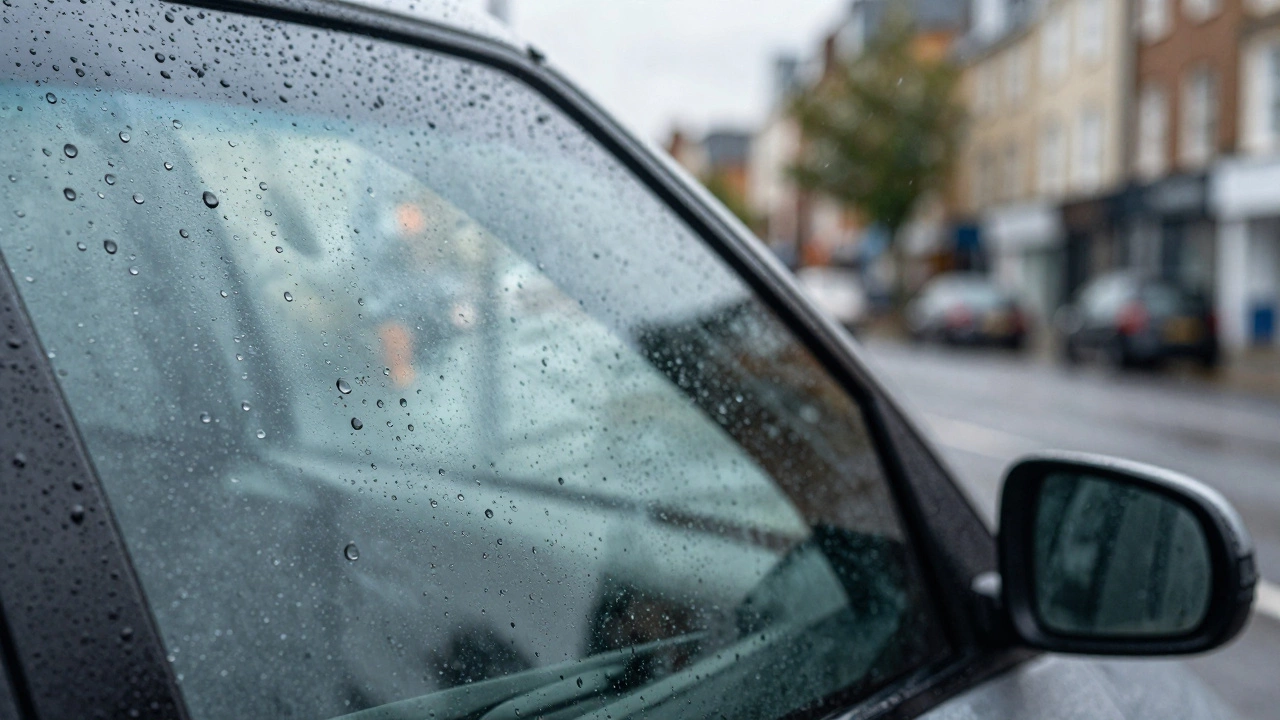
Some premium formulas also include ceramic coatings or hydrophobic agents. These additives create a microscopic layer on the glass that repels water. Rain beads up and rolls off, improving visibility during storms. This is a key reason why professionally cleaned glass stays cleaner longer than DIY jobs.
Tools Matter More Than You Think
You can buy the most expensive glass cleaner on the market, but if you wipe it with a dirty rag, you will still get streaks. The tool you use is just as important as the chemical. Professionals rarely use paper towels or old t-shirts. Paper towels leave lint, and cotton fabrics often hold onto oils from previous uses.
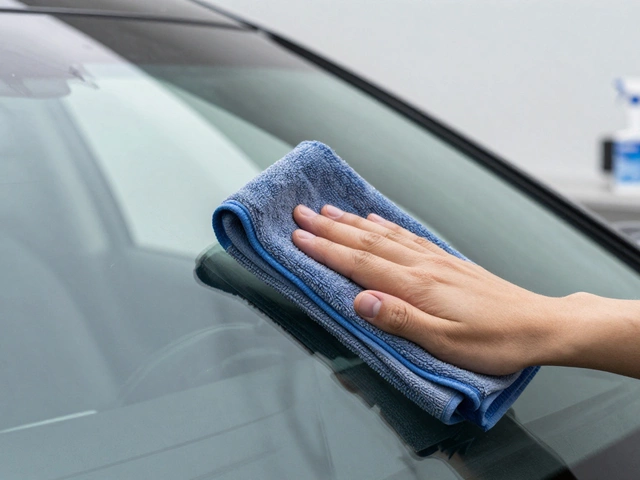
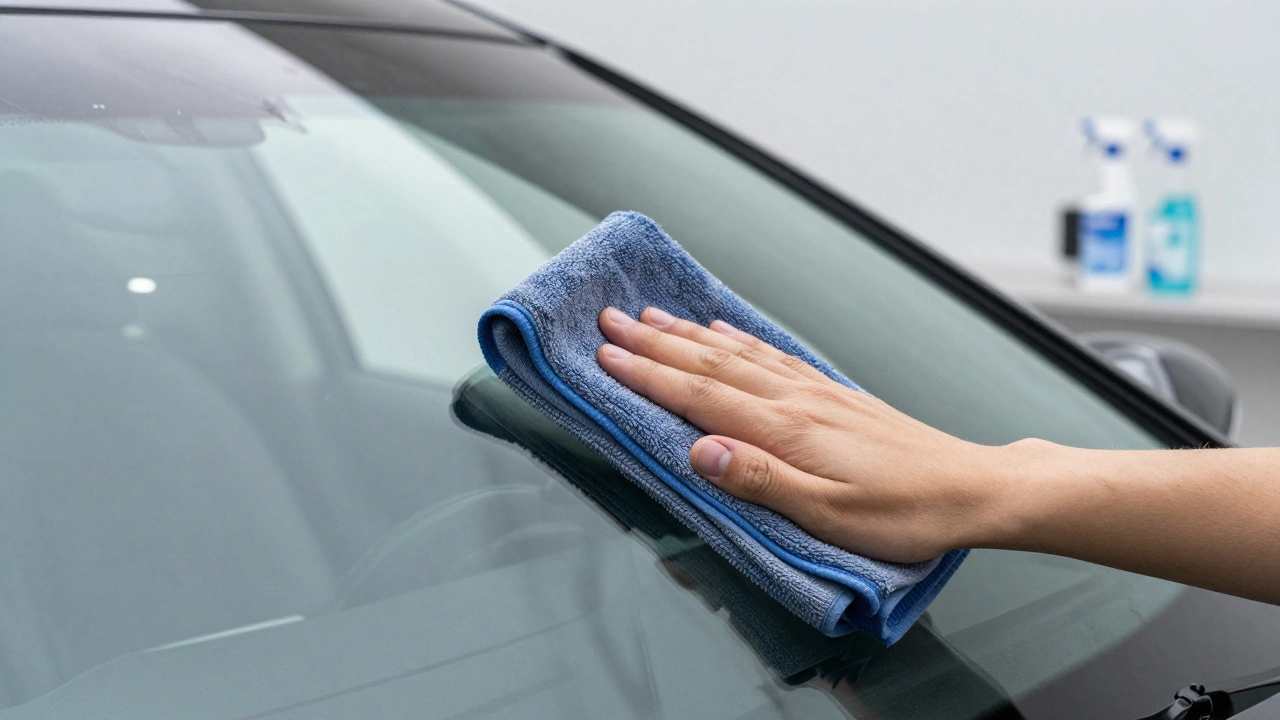
Instead, detailers use microfiber towels with a specific weave. Look for a blend of polyester and polyamide. The split fibers in high-quality microfiber trap dirt and moisture deep inside the material rather than pushing it across the glass. A good rule of thumb is to use two towels: one damp towel to apply the cleaner and loosen grime, and one dry towel to buff the glass to a shine.
For exterior glass, many pros use a chamois or a dedicated drying towel after washing the car. This prevents water spots from mineral deposits in tap water. If you live in an area with hard water, this step is non-negotiable. Mineral buildup creates a hazy film that no amount of wiping will remove until it is chemically dissolved or polished off.
The Technique: Inside vs. Outside
Cleaning the interior of your windshield requires a different approach than the exterior. Interior glass accumulates haze from cigarette smoke, air fresheners, and off-gassing from dashboard plastics. This haze sits on top of the glass and can be stubborn.
For interior cleaning, professionals often dilute their glass cleaner slightly. Too much solvent can fog up the glass temporarily or damage nearby electronics if sprayed directly. Always spray the cleaner onto the microfiber towel, not directly onto the glass. Spraying directly risks liquid dripping into the defroster vents or onto the dashboard, where it could stain leather or vinyl.
Use a circular motion to break down the haze, then switch to straight, vertical strokes to buff it dry. This technique helps you see exactly which areas you have already covered. For exterior glass, start by rinsing off loose dirt. If you scrub dry dirt into the glass, you risk scratching it. Then, apply your cleaner and wipe with firm pressure. Finish with a dry towel to ensure no moisture remains in the corners.
Removing Stubborn Contaminants
Sometimes, simple wiping isn't enough. Road tar, tree sap, and heavy bug splatter require more aggressive treatment. Detailers often keep a clay bar kit on hand for these situations. A clay bar is a malleable block of synthetic polymer that glides over the glass, picking up embedded contaminants that washing misses.
To use a clay bar on glass, lubricate the surface with a quick detailer spray or soapy water. Glide the clay lightly over the glass in straight lines. You will feel it grab and drag as it pulls out impurities. After claying, the glass will feel smooth like silk, but it may look dull. This is normal. Follow up with your glass cleaner to restore clarity.
For extreme cases, such as etching from acid rain or hard water stains, some detailers use a mild abrasive polish. This is a last resort and should only be done by someone experienced, as improper polishing can distort vision. For most drivers, regular cleaning with the right products prevents the need for abrasive methods.
| Method/Product | Best For | Risks | Professional Recommendation | |
|---|---|---|---|---|
| Ammonia-Based Spray | Kitchen windows | Damages tint, dries rubber | Avoid completely | |
| Isopropyl Alcohol Mix | General cleaning, degreasing | Can be drying if too concentrated | Highly recommended | |
| Ceramic Coating Spray | Water repellency, long-term protection | Higher cost, application precision needed | Excellent for exteriors | |
| Clay Bar | Embedded contaminants, tar, sap | Requires lubrication to prevent scratches | Essential for deep cleans |
Top Products Used by Professionals
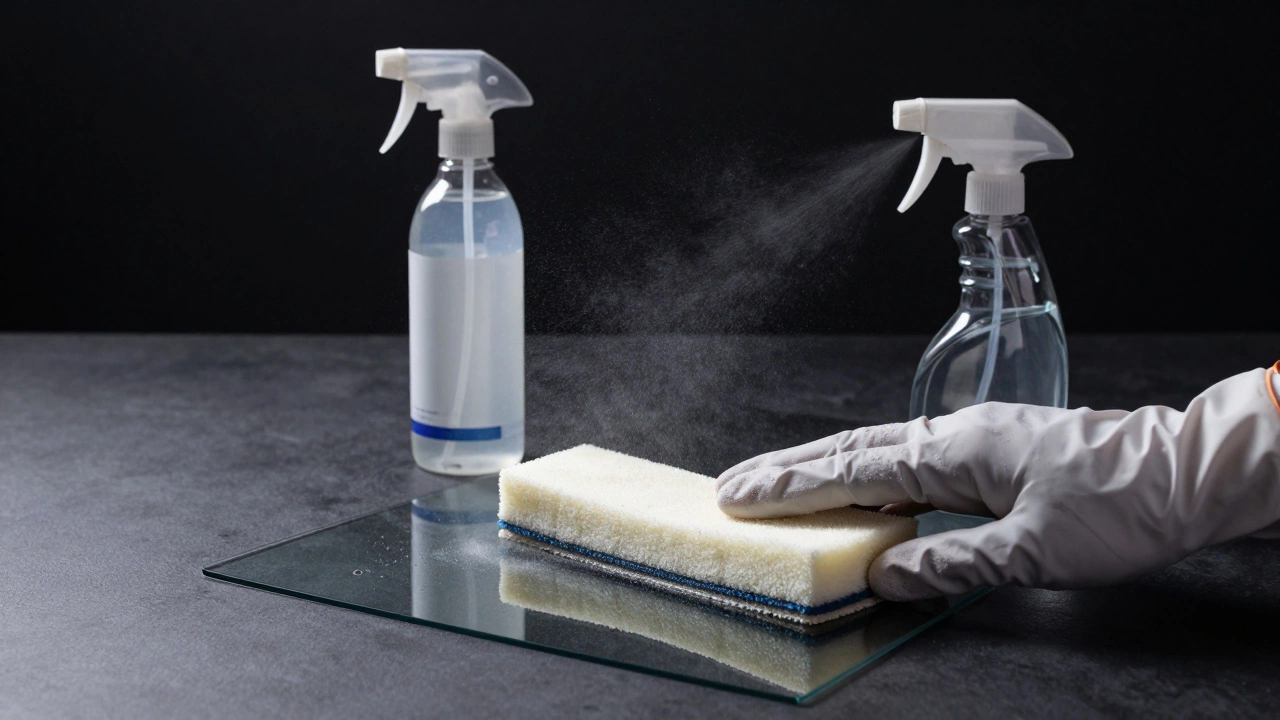
If you want to replicate a professional result at home, you don't need to mix chemicals yourself. Several brands dominate the industry because they deliver consistent results. Here are a few that detailers swear by:
- Optimum No Rinse (ONR) diluted: While primarily a wash solution, highly diluted ONR is safe for glass and leaves no residue. It is gentle on tint and effective against light grime.
- Mother’s California Gold Glass Cleaner: A classic choice. It is ammonia-free, fast-evaporating, and works well on both interior and exterior surfaces.
- Gyeon Q²M Rain: This is a coating spray rather than just a cleaner. It provides hydrophobic properties that make rain slide off the windshield at speed. Ideal for Melbourne’s unpredictable summer storms.
- Adam’s Polishes Glass Cleaner: Known for its ability to cut through haze without streaking. It is pH-balanced and safe for all automotive surfaces.
When choosing a product, check the label for "ammonia-free" and "safe for tint." Avoid products that promise to clean multiple surfaces, as they often contain waxes or silicones that interfere with visibility.
Maintaining Clarity Between Washes
Clean glass doesn't stay clean forever. In Australia, we deal with dust, pollen, and occasional bushfire smoke. To maintain clarity between full washes, carry a small bottle of glass cleaner and a dedicated microfiber towel in your glovebox. Wait for the car to cool down before cleaning. Sun-heated glass causes cleaners to evaporate too quickly, leading to streaks.
Also, consider installing rain deflectors or visors on your side windows. They reduce the amount of direct water impact and mud splatter, keeping the glass cleaner for longer. Regular maintenance takes five minutes but saves you hours of effort later.
Can I use Windex on my car windows?
It is not recommended. Most Windex products contain ammonia, which can damage window tint and dry out rubber seals. It may also leave a residue that attracts dust. Stick to ammonia-free automotive-specific cleaners for best results.
Why do my car windows always streak?
Streaks are usually caused by three things: using the wrong cleaner (one with wax or ammonia), using a dirty or low-quality towel, or cleaning in direct sunlight. Ensure your microfiber towels are washed separately without fabric softener, and clean your car in the shade.
How often should I clean my car glass?
You should clean your exterior glass every time you wash your car, which is ideally every two weeks. Interior glass can be cleaned monthly or whenever you notice haze or smudges. If you drive frequently on highways, bug splatter may require more frequent attention.
Is it safe to use a razor blade on car glass?
Yes, but with caution. A single-edge razor blade can remove tough adhesives or paint overspray. Keep the blade at a 45-degree angle and ensure the glass is wet with lubricant. Never use a razor blade on tinted windows, as it will scratch the film instantly.
What is the best way to remove bird droppings from glass?
Bird droppings are acidic and can etch glass if left too long. Soak the spot with water or a detailer spray to soften it. Gently wipe it away with a microfiber towel. Do not scrape dry droppings, as they can scratch the surface. Clean it as soon as possible.