Car Detailing Business Profitability Calculator
Enter your estimated business metrics to see if the numbers stack up against the realities of the industry in 2026.
Business Metrics
Operational Costs
Financial Projection
You quit your 9-to-5 because you love the smell of fresh wax and the shine of a polished rim. You buy a high-end car detailing kit and think you're ready to conquer the world. But is owning a car detailing business actually worth it? Or is it just an expensive hobby that burns you out before year two?
Here’s the raw truth: The barrier to entry is low, which means competition is fierce. But the demand for pristine vehicles is higher than ever, especially as people hold onto their cars longer. In 2026, with new cars costing more than ever, owners are investing in preservation rather than replacement. This shift creates a golden opportunity for detailers who can offer quality and convenience. But "worth it" depends entirely on how you structure your operations.
The Reality Check: Why Most Fail
Most people fail because they treat detailing like a job instead of a business. They show up, wash the car, go home, and forget to chase invoices. If you’re thinking about starting, you need to understand the difference between being a technician and being an entrepreneur. A technician gets paid by the hour. An entrepreneur builds systems that pay them even when they aren't holding a buffer.
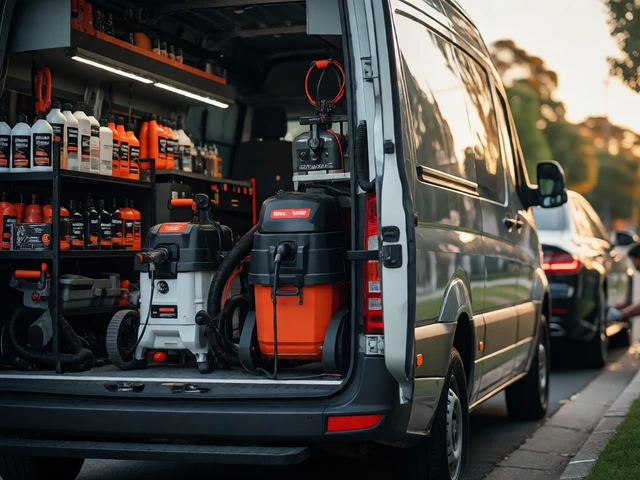
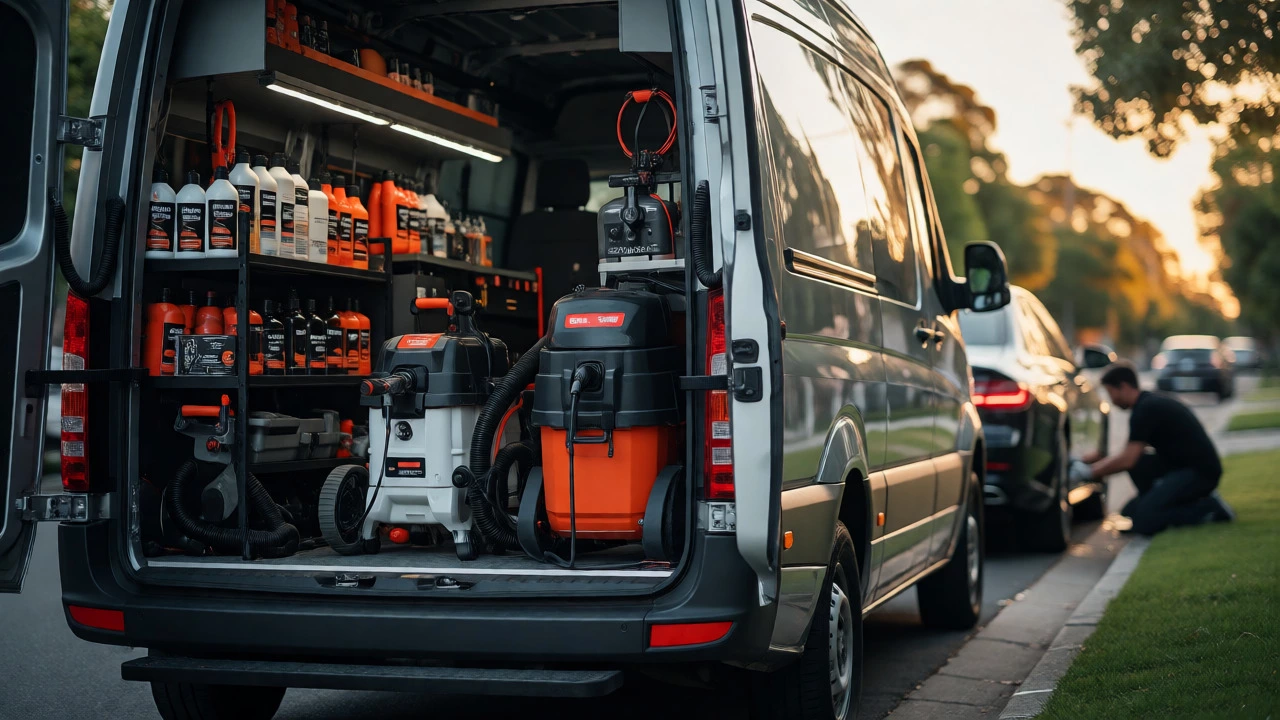
Let's look at the numbers. A basic setup might cost you $1,500 for a solid mobile detailing starter kit, including a pressure washer, vacuum, polisher, and initial chemicals. That’s manageable. But the real cost is time. If you charge $150 per interior-exterior detail, and it takes you three hours, you’re making $50/hour gross. Subtract fuel, insurance, equipment wear, and taxes, and you’re closer to $30/hour net. Is that better than your current salary? Maybe not yet. But scale changes everything.
Mobile vs. Fixed Location: Pick Your Lane
This is the biggest decision you’ll make early on. Do you want a shop or do you want to be mobile?
| Feature | Mobile Detailing | Fixed Shop Location |
|---|---|---|
| Startup Cost | $2k - $5k (Van + Equipment) | $50k+ (Lease + Buildout) |
| Overhead | Low (Fuel, Insurance) | High (Rent, Utilities, Staff) |
| Customer Convenience | High (We come to you) | Medium (They bring it to us) |
| Upsell Potential | Limited by space/time | High (Ceramic coatings, paint correction) |
| Weather Dependence | High | Low |
In Melbourne, traffic is brutal. Customers hate driving across town for a wash. This makes mobile detailing incredibly attractive here. You save them time, and you save yourself rent. However, mobile work has physical limits. You can’t easily do heavy paint correction or ceramic coating applications without a controlled environment. Many successful operators start mobile to build cash flow and then open a small bay later for high-ticket services.
Mastering Your Margins with Smart Kits
Your profitability lives and dies by your chemical usage and labor efficiency. Using cheap products often leads to rework, which kills your margin. Conversely, using premium products doesn't mean you have to charge premium prices if you use them efficiently.
Consider your car detailing kits. Are you buying pre-mixed solutions or concentrates? Concentrates require mixing but offer massive savings. For example, a gallon of all-purpose cleaner concentrate might cost $40 and yield 10 gallons of usable solution. Pre-mixed bottles might cost $15 each for the same volume. Over a year, doing 500 details, that difference pays for your next piece of equipment.
- Waterless Wash: Great for quick touch-ups and reducing water waste, but risky on dirty cars due to swirl marks.
- Two-Bucket Method: Essential for preventing scratches during traditional washing.
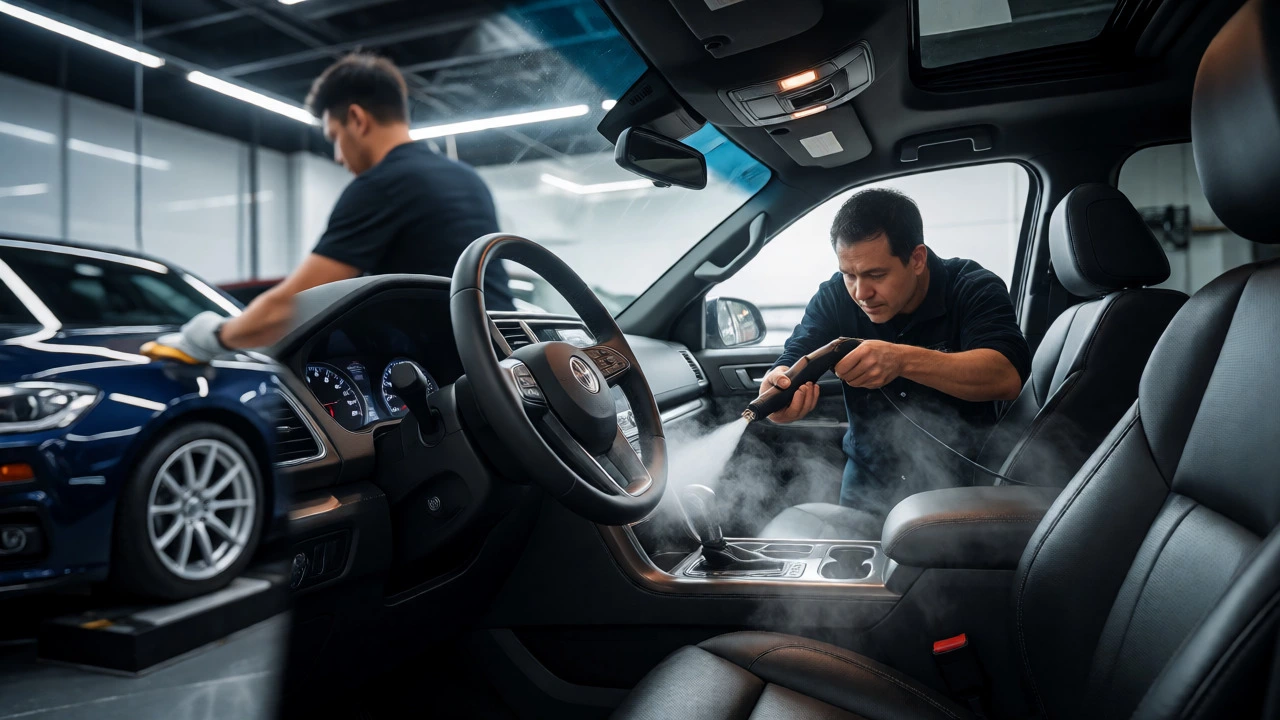
- Steam Cleaning: Uses less water and sanitizes interiors deeply, a huge selling point for families with kids or pets.
Don't skimp on your machine. A cheap polisher will vibrate your hands numb after two cars. A mid-range orbital polisher from brands like Rupes or Flex lasts years and improves finish quality. Quality tools reduce fatigue, allowing you to do one extra job per day. That extra job covers your monthly van payment.
Pricing Strategies That Actually Work
Stop charging by the hour. Charge by the value delivered. If you charge hourly, customers watch the clock. If you charge flat rates, they care about the result.
Create tiered packages. Everyone understands Bronze, Silver, Gold. It simplifies the decision process.
- Express Clean ($80-$120): Exterior wash, wheel clean, interior vacuum, wipe down surfaces. Time: 1.5 hours.
- Deep Clean ($180-$250): Includes shampooing carpets, cleaning vents, glass polish, and tire dressing. Time: 3-4 hours.
- Showroom Ready ($350+): Adds clay bar treatment, light polishing, and sealant application. Time: 5-6 hours.
Notice how the price jumps disproportionately compared to the time increase? That’s where your profit lies. The Deep Clean isn't twice as hard as the Express Clean, but it commands double the price because it solves a deeper pain point-hygiene and allergens.
Marketing Without Burning Cash
You don't need Facebook ads to get started. You need proof. People buy results, not promises.
Before-and-after photos are your best salesperson. Post them on Instagram and local community groups. Tag specific neighborhoods in Melbourne, like Toorak or Brighton, where car culture is strong. Offer a free detail to a local influencer or a busy professional in exchange for honest reviews. Word-of-mouth travels fast in tight-knit suburbs.
Also, partner with other businesses. Real estate agents need cars looking good for open houses. Used car dealerships need inventory cleaned quickly. These B2B contracts provide steady income that smooths out the feast-or-famine cycle of retail customers.
The Hidden Costs Nobody Talks About
It’s not just gas and soap. Here’s what eats into your profits if you aren't careful:
- Vehicle Maintenance: Your van is your office. If it breaks down, you lose revenue. Budget for regular servicing.
- Insurance: You need liability coverage specifically for working on customer property. Standard auto insurance won't cover damage you cause to a client's leather seat.
- Equipment Replacement: Polisher pads, brushes, and microfiber towels wear out. Factor this into every job.
- Admin Time: Scheduling, invoicing, and chasing payments take time. Use software like Jobber or Housecall Pro to automate this. Manual admin is a silent killer of growth.
Is It Worth It? The Verdict
Owning a car detailing business is worth it if you enjoy problem-solving and physical work. It offers freedom, scalable income, and tangible satisfaction. You see the immediate impact of your labor. A dirty car becomes a clean one. That dopamine hit is real.
But it requires discipline. You must be your own boss, marketer, accountant, and technician. If you hate paperwork or fear rejection, stick to a job. If you’re willing to learn the business side while mastering the craft, the ceiling is high. Many solo operators clear $100k-$150k annually in Australia by optimizing routes and upselling protective coatings. It’s not easy money, but it’s honest, rewarding work.
How much does it cost to start a car detailing business?
A minimal mobile setup starts around $2,000 to $5,000 AUD, covering a used van, basic pressure washer, vacuum, polisher, and initial supplies. A fixed-location shop requires significantly more capital, typically $50,000+ for lease deposits and build-out.
What is the average profit margin for car detailing?
Net profit margins usually range between 30% and 50% for efficient mobile operators. High-ticket services like ceramic coatings can push margins higher due to lower labor intensity relative to price.
Do I need a license to run a detailing business in Australia?
You generally need an Australian Business Number (ABN) and GST registration if turnover exceeds $75,000. Specific council permits may be required for discharging wastewater depending on your location.
How many cars can one person detail in a day?
A solo operator can realistically complete 2-3 full exterior-interior details per day. Adding specialized services like paint correction reduces this to 1 vehicle per day due to the time-intensive nature.
Is mobile detailing profitable in cities like Melbourne?
Yes, highly profitable due to high population density and traffic congestion. Customers value the convenience of having their car detailed at home or work, allowing mobile detailers to charge premium rates.