Paint Protection Comparison Tool
Select a protection method to see how it compares in terms of longevity, effort, and performance.
Carnauba Wax
TraditionalSynthetic Sealant
ModernCeramic Coating
AdvancedSelect a Method
Please select a protection method above to view the detailed analysis.
Quick Wins for Modern Detailing
- Ceramic over Wax: Move to SiO2-based protectors for longer durability.
- Dry Washing: Use waterless rinses to save resources.
- Interior Sanitization: Focus on steam cleaning and ozone treatments.
- Precision Lighting: Use LED scangrips to find hidden paint defects.
The Rise of Nano-Coatings and Ceramic Tech
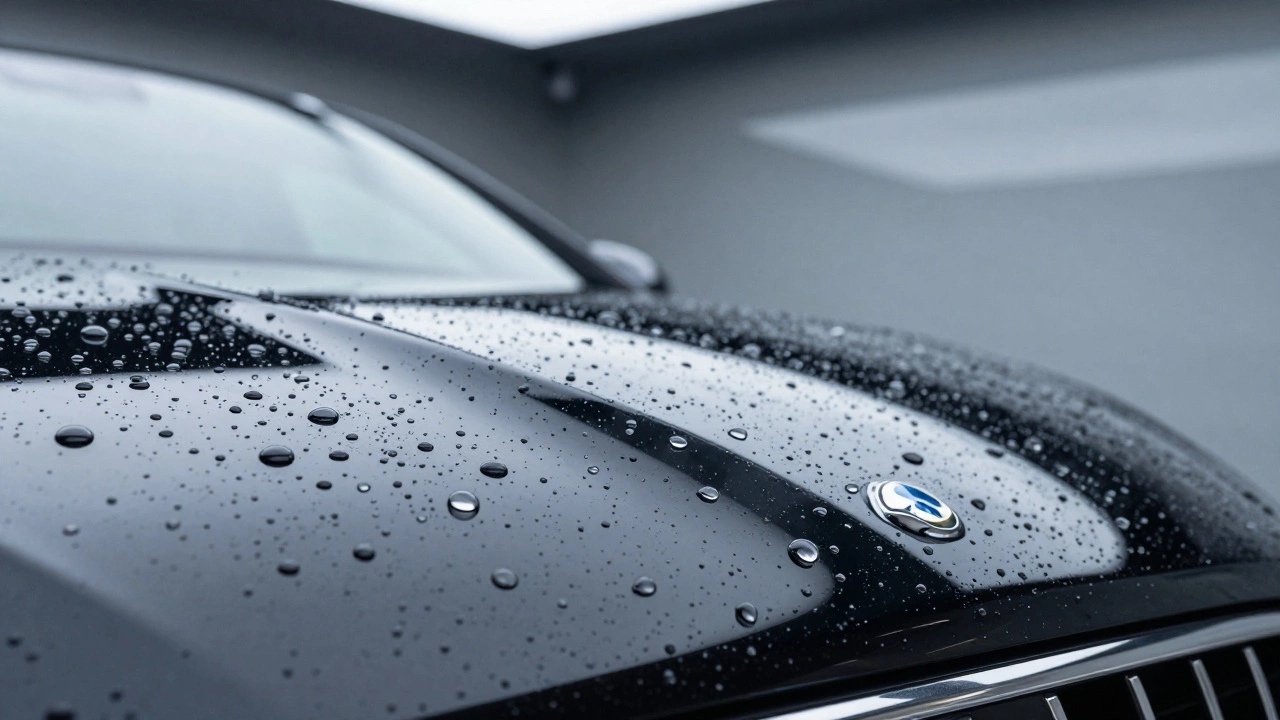
For a long time, carnauba wax was the gold standard. It gave that deep, warm glow, but it vanished after a few car washes. Now, the industry is obsessed with Ceramic Coating is a liquid polymer that chemically bonds with the vehicle's factory paint, creating a hard, glass-like layer of protection. Also known as Nano-coating, this technology uses silicon dioxide (SiO2) to repel water, dirt, and UV rays. Unlike wax, which sits on top of the paint, ceramic coatings fuse into the pores of the clear coat. This means you aren't just adding a layer; you're changing the surface properties of the car to be hydrophobic.
The real trend here is the accessibility of these products. You no longer need to pay a professional $1,500 to get this level of protection. High-quality car detailing kits now include "ceramic sprays" or "sealants" that offer 6 to 12 months of protection with a simple spray-and-wipe application. It's a massive shift toward DIY efficiency. Instead of spending five hours waxing a car, you can achieve a similar hydrophobic effect in thirty minutes.
Paint Correction: The Foundation of the Glow
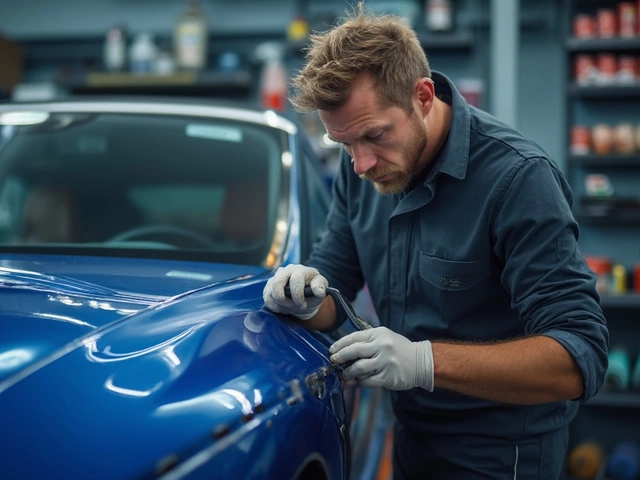
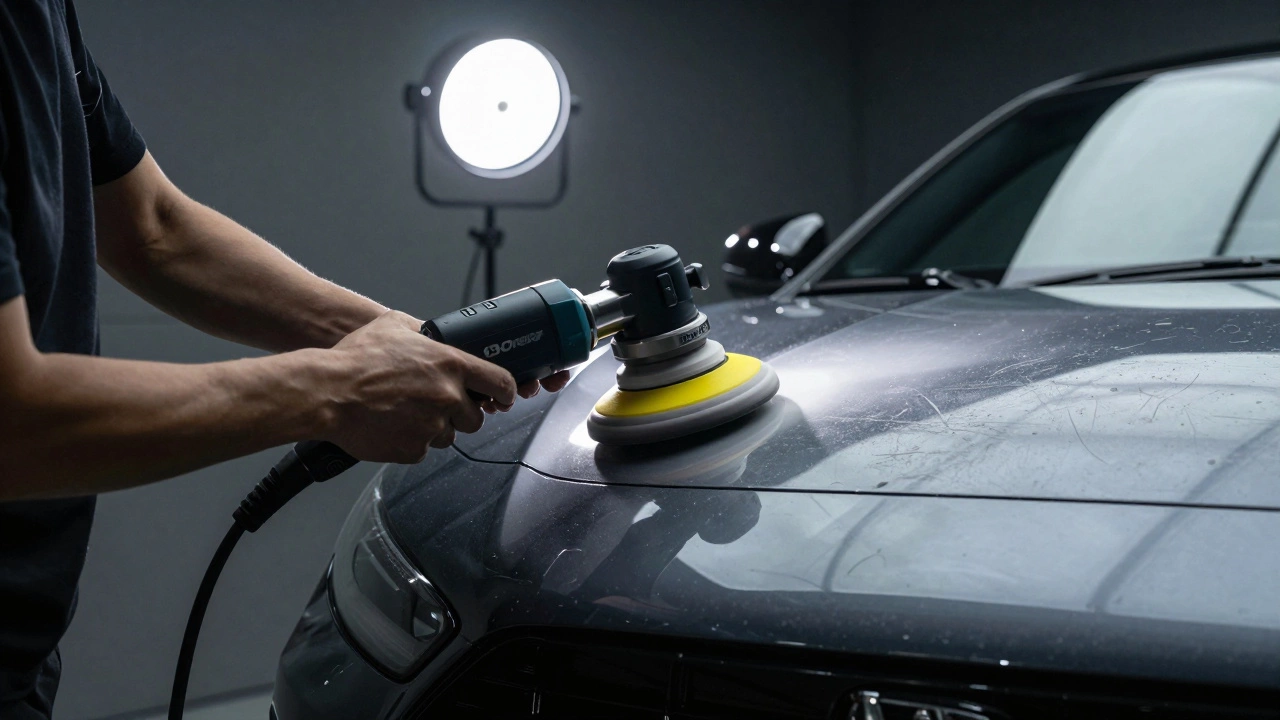
You can't put a shiny coat over a scratched surface-it's like putting a silk sheet over a pile of rocks. That's why Paint Correction is the process of removing imperfections from the clear coat using abrasive compounds and polishing machines to restore a mirror-like finish has become a standard step in modern detailing. The trend has moved toward "dual-action" (DA) polishers. Unlike the old rotary buffers that could burn through paint if you weren't careful, DA polishers oscillate and rotate simultaneously, making them safe for beginners.
Professionals are now using a multi-stage approach: compounding to remove deep scratches, then polishing to remove the haze from the compounding step. This ensures the surface is perfectly flat before any sealant is applied. When the surface is flat, light reflects off it uniformly, which is what creates that "wet look" we all crave.
Eco-Friendly and Waterless Detailing
Water is becoming a precious resource, and regulations in many cities are banning the runoff of soapy water into storm drains. This has sparked a huge trend in Waterless Wash systems. These aren't just sprays; they are high-lubricity formulas that encapsulate dirt particles so they can be lifted off the paint without scratching it. You spray the product, let it dwell, and wipe it away with a high-GSM microfiber towel.
Beyond just water savings, we're seeing a shift toward biodegradable chemicals. The old-school degreasers were harsh, caustic, and smelled like a chemistry lab. Modern a-grade detailing products are moving toward pH-neutral formulas. This is critical because harsh alkaline cleaners can strip away the very ceramic coatings and sealants you just spent hours applying. Using a pH-balanced soap ensures that the protection stays on the car while the dirt goes down the drain.
| Feature | Carnauba Wax | Synthetic Sealants | Ceramic Coatings |
|---|---|---|---|
| Durability | 1-2 Months | 6 Months | 2-5 Years |
| Application Effort | High (Buffing) | Medium | High (Professional) / Low (Spray) |
| UV Protection | Low | Medium | Very High |
| Hydrophobic Effect | Moderate | High | Extreme (Water Beading) |
Interior Detailing: Beyond the Vacuum
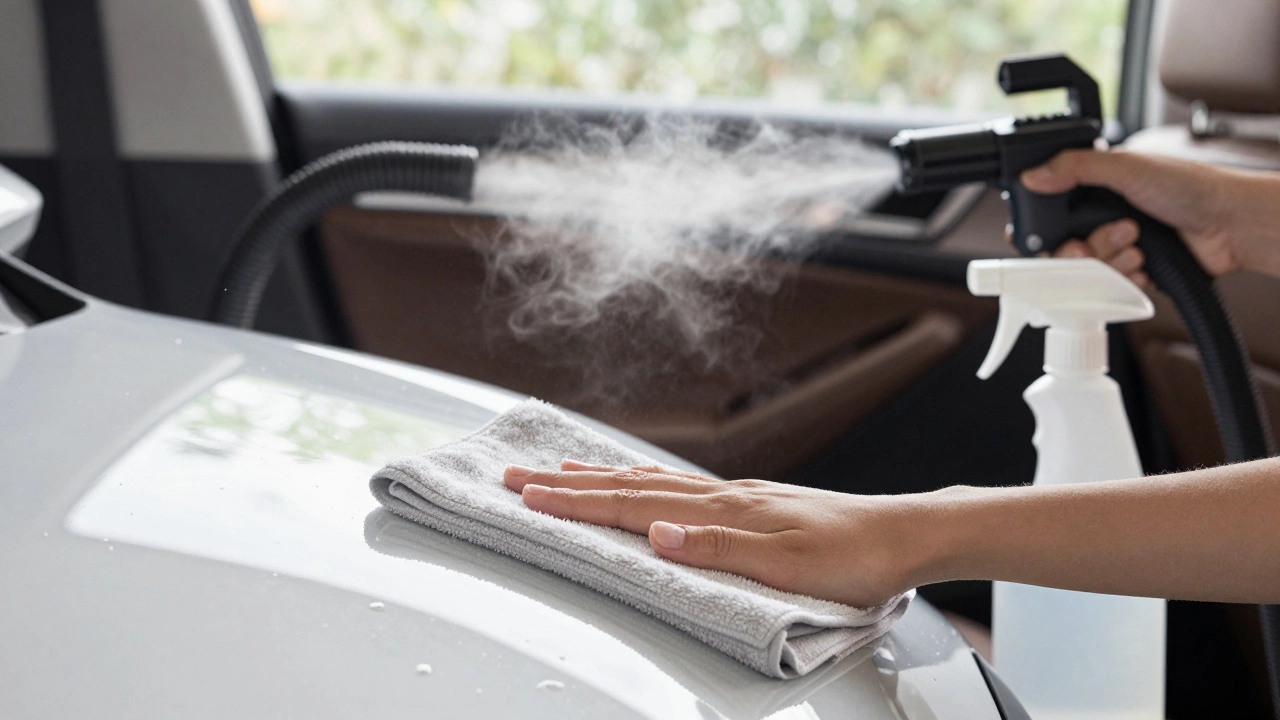
The interior is no longer just about vacuuming the carpets. With the rise of ride-sharing and long-term vehicle ownership, interior restoration is a huge growth area. The biggest trend here is Steam Cleaning, which uses high-pressure vapor to blast bacteria and grime out of fabric and leather without soaking the material. This prevents the "musty smell" that often comes from over-wetting a car's interior.
We're also seeing a surge in Ozone Generators. These machines fill the car with O3 gas, which oxidizes odors at a molecular level. It's the only way to truly remove the smell of cigarette smoke or mold from a flood-damaged car. Combine this with matte-finish leather conditioners-because nobody wants a greasy, shiny seat in 2026-and you have a modern interior setup.
The Smart Detailing Kit: What's Inside?
If you're putting together a modern setup, you shouldn't be buying individual bottles of random cleaners. The trend is toward curated Car Detailing Kits that provide a cohesive system. A professional-grade kit today isn't just about the chemicals; it's about the tools. You need a variety of Microfiber Towels-specifically divided by GSM (grams per square meter). Heavy towels for drying, medium for polishing, and short-pile for interior cleaning.
Don't overlook the "detailing brushes." Using a paintbrush is a rookie mistake. Real detailing brushes are made of boar's hair or synthetic soft fibers to clean the crevices around buttons, vents, and emblems without scratching the plastic. When these tools are paired with a dedicated iron remover (a chemical that dissolves brake dust particles), you move from a basic wash to a professional detail.
Future-Proofing Your Vehicle's Value
Ultimately, the trend in auto detailing is about asset management. Cars are getting more expensive, and the paint is often thinner than it was thirty years ago. Investing in a high-quality sealant or a ceramic coating isn't just about aesthetics; it's about protecting the clear coat from acid rain, bird droppings, and salt. By maintaining a documented history of paint correction and protection, you're essentially adding a premium to the car's resale value.
The move toward automation is also interesting. While we aren't at the point of robotic detailing for the average consumer, the use of smart sensors to measure paint thickness (paint depth gauges) is becoming common. This allows detailers to know exactly how much they can polish without hitting the primer, removing the guesswork from the process.
Is ceramic coating better than wax?
Yes, in terms of longevity and protection. While wax provides a beautiful glow, it lasts only a few weeks. Ceramic coatings bond to the paint and can last for years, offering significantly better protection against UV rays, chemicals, and scratches.
Can I apply ceramic coating myself?
It depends on the product. Professional-grade coatings require a controlled environment and intense paint preparation. However, many car detailing kits now offer ceramic "sprays" or "sealants" that are designed for DIY users and can be applied in your driveway.
What is paint correction and do I need it?
Paint correction is the process of removing swirls, scratches, and oxidation from the clear coat. You need it if your paint looks "dull" or has spider-web scratches when viewed under sunlight. It's a mandatory step before applying a ceramic coating.
Are waterless washes safe for the paint?
Yes, provided you use high-quality lubricants and clean microfiber towels. The lubricant encapsulates the dirt so it doesn't scratch the surface as you wipe. However, for extremely muddy cars, a traditional pressure wash is still recommended first.
How often should I detail my car?
A full detail (including paint correction and deep interior cleaning) is usually done once or twice a year. Maintenance washes should be done every 1-2 weeks to keep the protective layers clean and effective.
Next Steps for Car Owners
If you're just starting, don't buy every bottle on the shelf. Start with a basic, high-quality car detailing kit that includes a pH-neutral soap, a microfiber drying towel, and a ceramic sealant. Practice your wiping technique-always wipe in straight lines, never circles, to avoid creating swirl marks. If you notice deep scratches that won't come out with a wash, consider investing in a dual-action polisher or visiting a professional for a paint correction session before you seal the paint for the season.