Body Kit Installation Cost Estimator
Estimated Cost Breakdown
Total Estimated Range (AUD)
$0 - $0
Cost Components
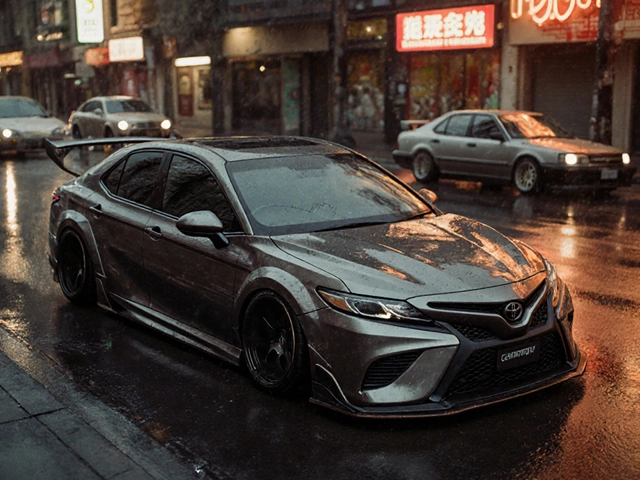
So you’ve just bought that aggressive wide-body kit for your daily driver. The parts are in the box, looking promising and sharp. Now comes the big question: can you just take it to your local mechanic to get it fitted? It feels like the logical next step. You trust them with your brakes and engine, so why not your bumper?
The short answer is: probably not. Or at least, not the one you go to for oil changes.
Installing a body kit is a cosmetic modification consisting of bumpers, side skirts, and spoilers designed to alter a vehicle's appearance and aerodynamics. While it might look like simple bolt-on work, it’s actually a specialized trade that sits somewhere between mechanical engineering and artistic sculpture. Most general mechanics simply do not have the tools, time, or expertise to handle this job correctly.
The Difference Between Mechanics and Panel Beaters
To understand why your regular mechanic might turn you away, we need to look at how the automotive industry splits labor. In Australia, and most other places, there’s a clear line drawn between fixing what makes the car move and fixing what the car looks like.
A standard mechanic focuses on the internal workings. They deal with engines, transmissions, suspension geometry, and braking systems. Their world is defined by torque specs, fluid levels, and diagnostic codes. When they look at a car, they see moving parts and potential failure points.
On the other hand, a panel beater (or auto body technician) deals with the shell of the car. They are trained in metalwork, fiberglass repair, paint matching, and structural alignment. If you crash your car, you go to a panel beater. If your engine knocks, you go to a mechanic.
Body kits fall squarely into the panel beater’s domain, but with a twist. Unlike accident repair, which follows strict insurance guidelines and manufacturer blueprints, body kit installation is often custom fabrication. There are no factory manuals telling you exactly where to drill holes for an aftermarket splitter. This requires a different skill set entirely-one that combines precision cutting with aesthetic judgment.
Why General Mechanics Usually Say No
If you call your trusted local garage in Melbourne and ask them to install a new front lip, here is likely what will happen:
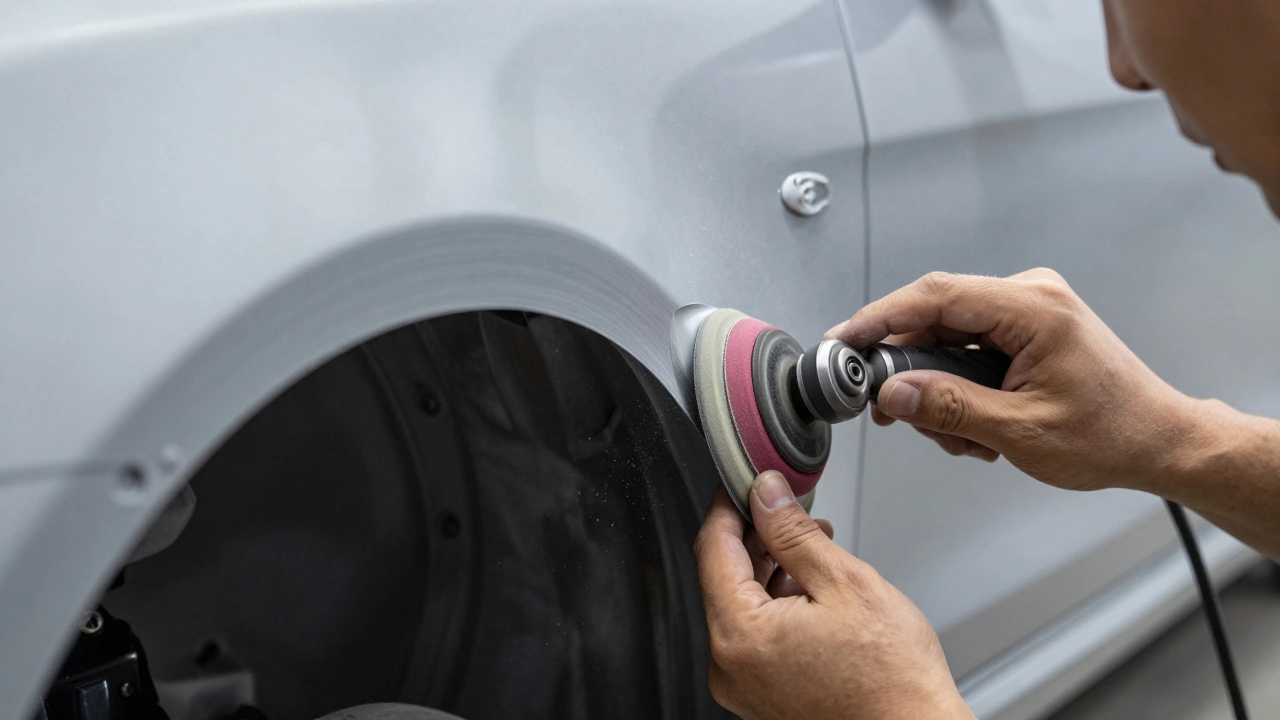
- Lack of Specialized Tools: Fitting a body kit often requires fiberglass grinders, specialized sanding blocks, and spray booths for priming and painting. A typical service bay isn’t equipped for dust-heavy composite work or wet paint application.
- Liability Concerns: Mechanics are insured for mechanical failures. If they mess up your timing belt, your car breaks down. If they mess up your body kit, your car doesn’t drive differently, but it looks terrible. However, if their poor fitment causes rust or misaligns sensors, that’s a liability nightmare they want to avoid.
- Time Efficiency: Mechanical repairs follow predictable timelines. An oil change takes 30 minutes; a brake job takes two hours. Installing a full body kit can take days. It involves test-fitting, trimming, drilling, filling gaps, and painting. It clogs up their schedule without offering the quick turnover they rely on for revenue.
Some high-end performance shops might offer this service, but they usually charge a premium because they are essentially hiring out a panel specialist within their team. For the average neighborhood mechanic, it’s outside their scope of practice.
The Complexity of Body Kit Installation
Let’s break down why installing a wide body kit is harder than it looks. Manufacturers like Rauh-Welt Begriff or Liberty Walk create stunning designs, but mass-market kits from online retailers vary wildly in quality.
Even a well-made kit rarely fits perfectly off the shelf. Here is the reality of the process:
- Test Fitting: Every piece must be placed on the car to check for clearance issues. Does the fender flare hit the wheel when you turn the steering wheel? Does the rear diffuser interfere with the exhaust tips?
- Modification: You will almost certainly need to cut, grind, or sand the plastic or fiberglass components. This requires steady hands and an eye for symmetry. One millimeter off on one side, and the whole kit looks crooked.
- Mounting: Many kits require drilling into the car’s unibody structure. This needs to be done carefully to avoid hitting wiring harnesses or fuel lines underneath. Rivets, screws, and adhesives must be used in specific combinations to ensure the parts stay on at highway speeds.
- Paint Matching: Unless you buy pre-painted parts (which is rare and risky due to shipping damage), the raw fiberglass needs to be primed, sanded, and painted to match your car’s exact color code. Getting the gloss level and shade right is an art form.
This isn’t just bolting on a spoiler. It’s reconstructing the exterior profile of your vehicle. That’s why you pay specialists for this work.
Who Should Actually Install Your Body Kit?
If not your mechanic, then who? You have three main options, each with pros and cons.
| Option | Cost Estimate (AUD) | Quality Risk | Best For |
|---|---|---|---|
| Specialist Body Shop | $1,500 - $4,000+ | Low | OEM-quality finish, complex kits |
| Performance Tuner | $800 - $2,000 | Medium | Bolt-on styles, track-focused cars |
| DIY (Do It Yourself) | $0 (Labor only) | High | Budget builds, learning experience |
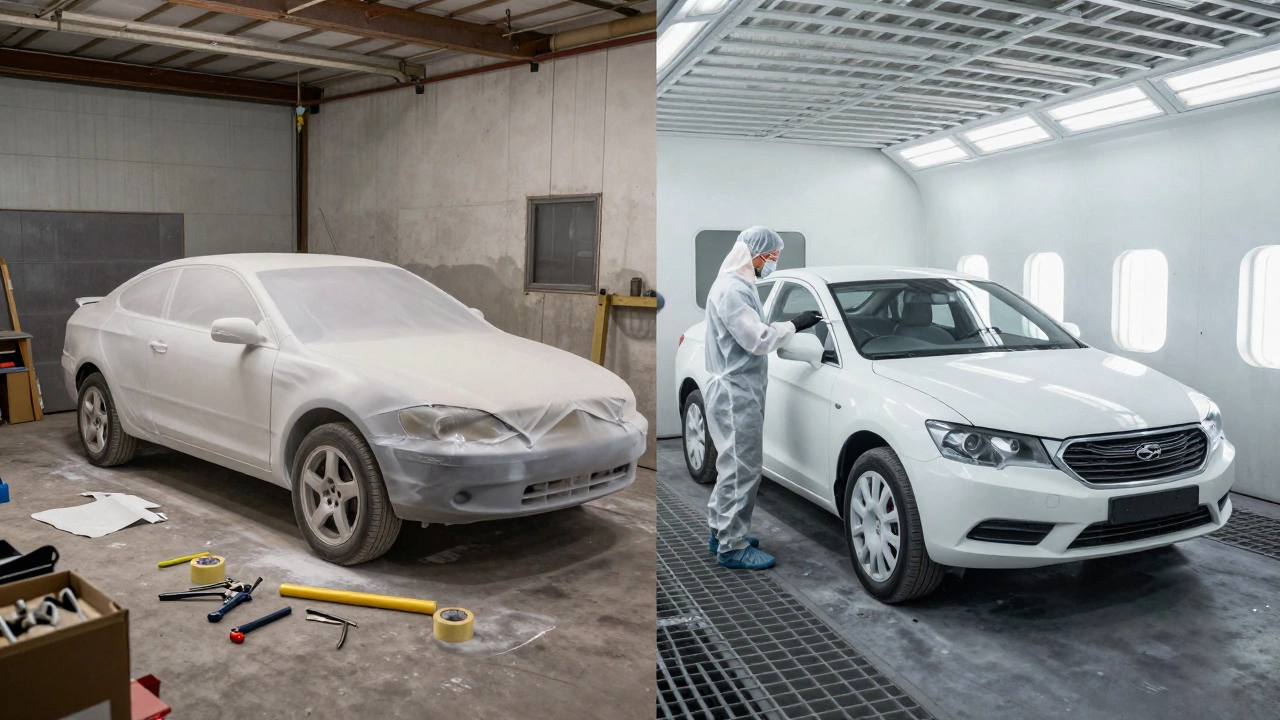
Specialist Body Shops: These are your best bet for a flawless result. Look for shops that advertise "custom fabrication" or "aftermarket styling." They have the spray booths, the skilled painters, and the patience to sand every gap smooth. In Melbourne, there are several reputable shops in areas like Dandenong or Sunshine that specialize in Japanese imports and European luxury cars alike.
Performance Tuners: Some tuning shops focus on speed but also handle aesthetics. They might not paint as beautifully as a dedicated body shop, but they understand how airflow works. If you’re adding a kit for downforce as much as looks, a tuner might give better advice on mounting positions for maximum stability.
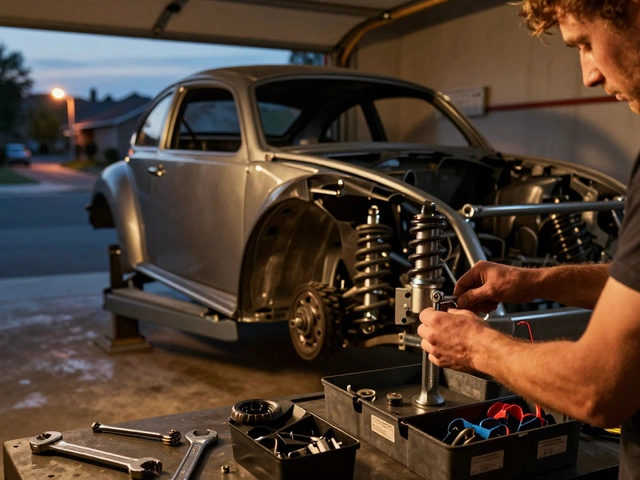
DIY: Yes, you can do it yourself. Many enthusiasts install their own kits in garages. But be honest about your skills. Do you have access to a compressor, spray gun, and plenty of space? Can you spend weekends grinding fiberglass dust? If yes, go for it. If no, you’ll end up paying a pro to fix your mistakes anyway.
Hidden Costs and Pitfalls to Avoid
When budgeting for your project, don’t just look at the price of the kit. The installation costs can easily double or triple your initial investment. Here are the hidden traps:
- Paint Prep: Raw fiberglass is porous. It needs multiple coats of primer and extensive sanding before paint. Cheap installations skip this, leading to bubbling and peeling within months.
- Sensor Interference: Modern cars are covered in cameras, radar sensors, and parking aids. A poorly installed front bumper can blind your adaptive cruise control or trigger false alarms. Ensure your installer knows how to relocate these sensors properly.
- Rust Prevention: Drilling holes in sheet metal exposes bare steel to moisture. If the installer doesn’t treat the holes with anti-corrosion wax or sealant, you’ll have rust spots appearing around your shiny new bolts in six months.
- Insurance Implications: In Australia, modifying your car’s appearance can affect your insurance premium. Always declare body kit modifications to your insurer. Failure to do so could void your policy if the parts are damaged in an accident.
Is It Worth the Investment?
Ultimately, whether you hire a specialist or tackle it yourself depends on your goals. If you’re building a show car or planning to keep your vehicle long-term, professional installation is worth every dollar. A poorly fitted kit ages badly-gaps widen, colors fade unevenly, and parts rattle loose.
However, if you’re on a tight budget or plan to sell the car soon, a simpler bolt-on style kit installed by a capable friend or a lower-cost tuner might suffice. Just remember: cheap installation often leads to expensive repairs later.
Your mechanic is your partner for keeping the car running smoothly. But for changing its face, you need someone who speaks the language of curves, contours, and coatings. Don’t force a square peg into a round hole-find the right specialist for the job.
Will my mechanic refuse to install a body kit?
Most general mechanics will decline body kit installations because it falls outside their area of expertise and insurance coverage. They lack the specialized tools for fiberglass work and paint matching. It is best to seek out a dedicated auto body shop or performance tuning center instead.
How much does professional body kit installation cost in Australia?
Professional installation costs vary widely based on complexity. A simple front lip might cost $300-$600 to fit and paint, while a full wide-body kit can range from $1,500 to over $4,000. This includes labor, materials, and paint matching. Always get a detailed quote upfront.
Can I install a body kit myself?
Yes, DIY installation is possible if you have mechanical aptitude, access to proper tools (grinders, drills, spray equipment), and plenty of time. However, achieving a factory-smooth finish requires advanced skills in sanding, filling, and painting. Mistakes can lead to visible gaps or premature rust.
Does installing a body kit affect my car's warranty?
Modifying the exterior generally does not void the powertrain warranty unless the modification causes damage to covered components. For example, if a poorly mounted wing damages the trunk lid mechanism, that repair won't be covered. Always check with your manufacturer and document the installation professionally.
What is the difference between a panel beater and a mechanic?
A mechanic repairs internal systems like engines and transmissions. A panel beater specializes in the car's body structure, including dent removal, collision repair, and cosmetic modifications like body kits. Body kit installation requires the fabrication and painting skills of a panel beater.