
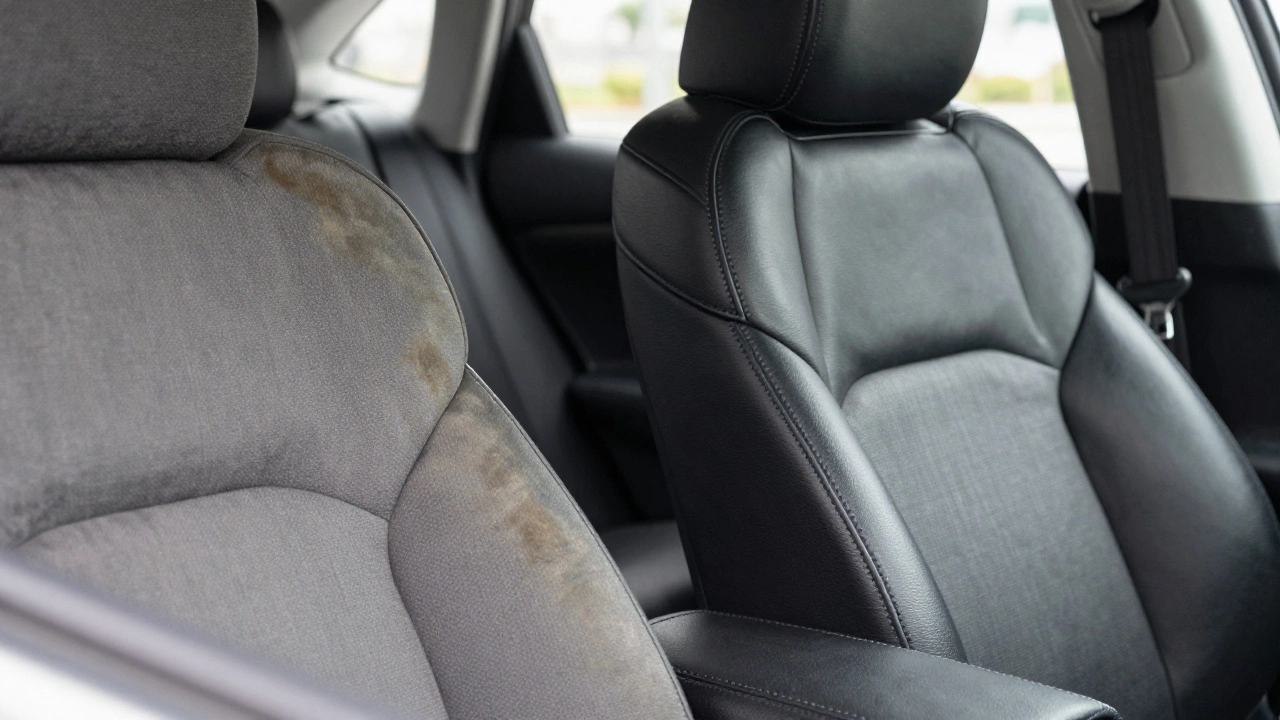
Leather Seat Cost Estimator
1. Select Your Installation Path
2. Material & Customization
Quick Price Breakdown
- Leather Seat Covers: $200 - $800
- Custom-Fit Leather Covers: $500 - $1,500
- Professional Reupholstery: $1,000 - $3,000+
- Full Leather Seat Replacement: $2,000 - $5,000+
Choosing Your Leather Path
Before you book a shop, you need to decide which level of "leather" you actually want. Not everything called leather is the same. Genuine Leather is the real deal, made from animal hides. It's breathable and smells authentic, but it's expensive and requires a lot of conditioner to prevent cracking. Then you have Synthetic Leather, often called Vegan Leather or Leatherette. This is a plastic-based material (usually polyurethane or vinyl) designed to look like the real thing. It's way more durable against spills and generally costs about 40% less than genuine hides. If you have kids or pets, synthetic is often the smarter move because you can wipe it down with a damp cloth without worrying about staining the pores of the skin. Finally, there's Leatherette, which is a lower-grade synthetic. It's cheaper and often found in entry-level custom kits, but it can feel "plasticky" and might peel after a few years of heavy sun exposure.The Budget Option: Leather Seat Covers
If you're on a tight budget, you're likely looking at covers. Now, I'm not talking about the loose ones you buy at a big-box store that slide around every time you turn a corner. I'm talking about leather car seat cost tailored covers. Low-end covers usually cost between $200 and $500. They're easy to install yourself, but they rarely look "factory." You'll see bunching in the fabric and gaps around the headrests. Mid-range custom covers, which are measured to your specific car model, range from $600 to $1,500. These are designed to hug the contours of your seat, making them nearly indistinguishable from real upholstery to the untrained eye. One big pitfall here is the airbags. Many modern cars have side-impact airbags embedded in the seat. If you put a thick, non-compatible cover over them, the airbag might not deploy correctly in a crash. Always check for "airbag compatible" labels and ensure the stitching is designed to break away during deployment.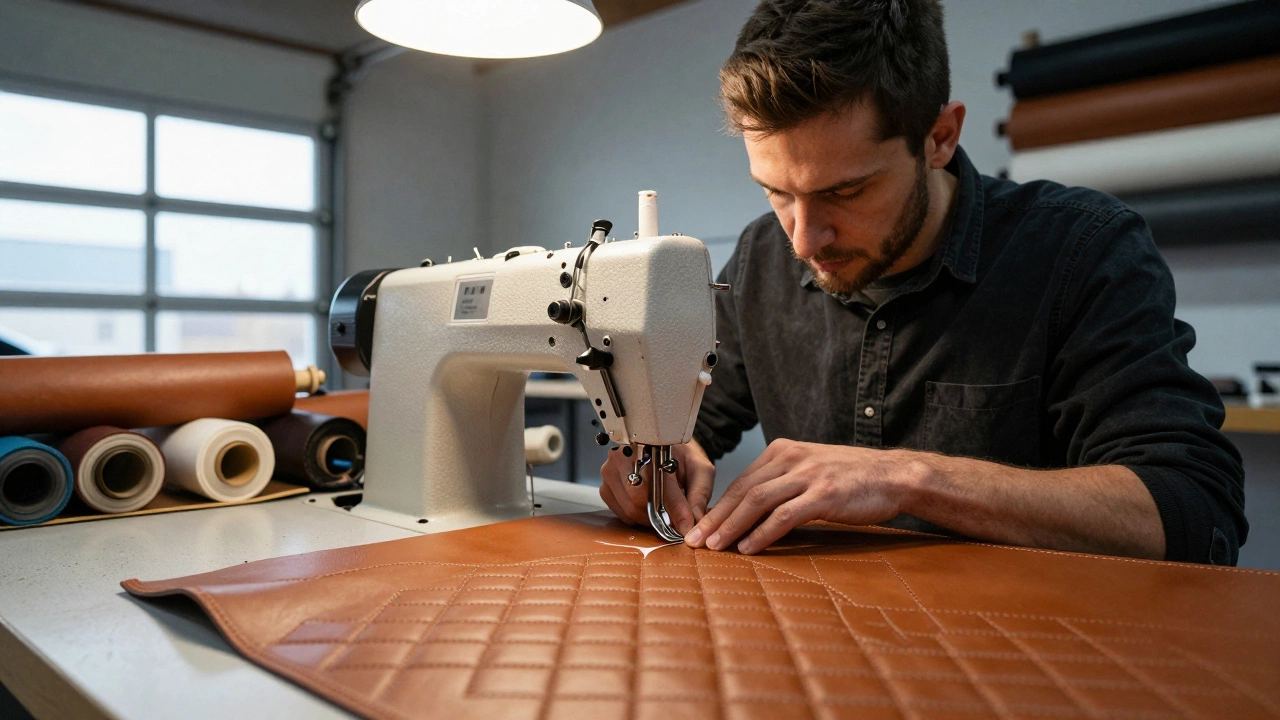
The Pro Route: Full Reupholstery
This is where you take your car to an upholstery shop. They don't just put something over the seat; they strip the old cloth off the foam and sew new leather directly onto the frame. For a standard sedan, a professional job usually starts around $1,000 for the front seats. If you want the back seats done too, expect to pay another $500 to $1,000. The price jumps if you want custom stitching, like the diamond-quilted patterns you see in high-end sports cars. A complex custom design can add $300 to $700 to the total bill just for the extra labor in the stitching process.| Option | Avg. Cost | Durability | Install Time |
|---|---|---|---|
| Basic Covers | $200 - $500 | Low | 1-2 Hours |
| Custom Covers | $600 - $1,500 | Medium | 3-5 Hours |
| Full Reupholstery | $1,000 - $3,000 | High | 3-7 Days |
| OEM Replacement | $2,000+ | Very High | 1 Day |
Replacing the Entire Seat Assembly
Sometimes, reupholstering isn't the best move. If your foam is crumbling or the springs are shot, you're better off replacing the whole unit. You can buy OEM Leather Seats, which are original factory parts from a higher-trim version of your car. For example, if you have a base model Toyota Camry with cloth, you can often find leather seats from a Camry XLE at a salvage yard or from a parts dealer. Buying used OEM seats can cost anywhere from $400 to $1,200 per pair. The main challenge here is the electronics. If your new leather seats have power adjustments, heating, or cooling, but your car's wiring harness doesn't support it, you'll need an electrician to run new wires to the fuse box. This can add another $200 to $500 in labor. If you're just swapping basic manual seats, it's a simple bolt-on job that takes about two hours.Hidden Costs and Factors That Drive the Price Up
When you get a quote, the price often seems low until the work actually starts. There are a few things that can blow your budget:- Foam Replacement: If the shop finds that your seat cushions are compressed, they'll suggest adding new high-density foam. This usually adds $100 - $200 per seat.
- Leather Grade: Nappa leather is incredibly soft and used in luxury cars, but it's also more expensive and prone to scratches. Choosing this over standard bovine leather can increase material costs by 30%.
- Labor Rates: A specialized upholstery shop in a big city will charge significantly more per hour than a general mechanic. Labor usually makes up about 60% of the total cost for a full reupholstery job.
- Perforated Leather: If you want the holes in the leather to allow for ventilation (or to keep the built-in seat heaters working), the cutting process is more precise and slightly more expensive.
Maintaining Your Investment
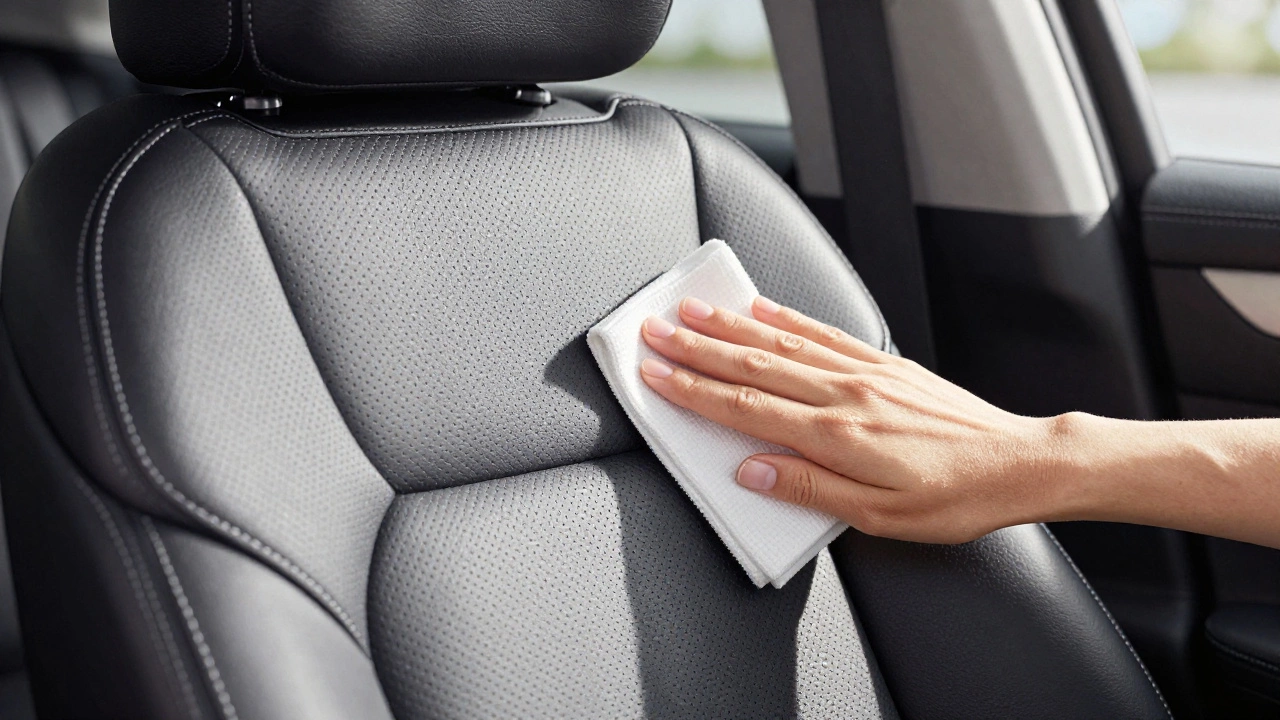
Once you've spent the money, you don't want the seats to crack in six months. Leather isn't "maintenance-free"-that's a myth. Real leather is a skin; it dries out. If you live in a place with harsh sun, the UV rays will bake the oils out of the material. Spend about $30 on a quality leather conditioner and apply it every three to six months. Avoid using harsh chemicals or bleach-based cleaners, as these will strip the protective coating off synthetic leather or dry out genuine leather. For synthetic options, a simple microfiber cloth and mild soap are all you need. This small habit keeps the leather supple and prevents the dreaded "cracks" that make a car look old.Is it Worth it?
Whether this upgrade makes sense depends on your goal. If you're trying to increase the resale value of the car, professional reupholstery rarely pays for itself. A buyer might pay a bit more for leather, but they won't pay a $2,000 premium just because you spent $2,000 on seats. However, if you plan on keeping the car for another five years, the upgrade is purely about quality of life. Leather is easier to clean, looks better, and generally feels more supportive. If you're on a budget, go for custom-fit covers. If you want the car to feel brand new and have the budget, go for a full professional reupholstery using a high-grade synthetic for durability.Can I install leather seats myself?
Yes, if you are buying seat covers or swapping out the entire seat assembly (OEM replacements), it is a DIY-friendly job. However, full reupholstery requires a heavy-duty sewing machine and specialized tools to stretch and staple the leather to the frame, which is almost impossible to do professionally at home.
Does leather make a car hotter in the summer?
Yes, leather absorbs more heat than cloth. If you park in the sun, the seats will get significantly hotter. The best way to combat this is by using seat covers during the summer or investing in a high-quality windshield sunshade to keep the cabin temperature down.
How long does a professional leather installation take?
For a full reupholstery of all seats, expect your car to be in the shop for 3 to 7 business days. This includes time for stripping the old material, cutting the new leather, sewing the panels, and fitting them tightly over the foam.
Which is more durable: real leather or synthetic?
In terms of stain resistance and ease of cleaning, synthetic leather (like polyurethane) is more durable. It doesn't absorb liquids as easily as genuine leather. However, high-quality genuine leather can last decades if properly conditioned, whereas cheap synthetic leather can peel or crack after a few years of heavy use.
Will leather seats increase my car's resale value?
It can make the car more attractive to buyers and help it sell faster, but it rarely adds a dollar-for-dollar increase in value. You likely won't get back the full cost of a professional $2,000 upholstery job, but you'll certainly have a more premium experience while owning the vehicle.
Next Steps for Your Upgrade
If you're ready to move forward, start by auditing your current seats. If the foam is still firm, a custom cover or reupholstery is your best bet. If the seats are sagging, look for used OEM leather seats from a wrecking yard to save money while upgrading the comfort. Always get at least three quotes from different upholstery shops to ensure you aren't being overcharged for labor, and be sure to ask about the specific brand of leather or synthetic material they use.Related Post
Custom Car Seats: How to Create Personalized Comfort and Style
Thinking about custom car seats? Dive into the essentials, tips, and facts on how to get seats that suit your style, comfort, and your car’s personality.
Read more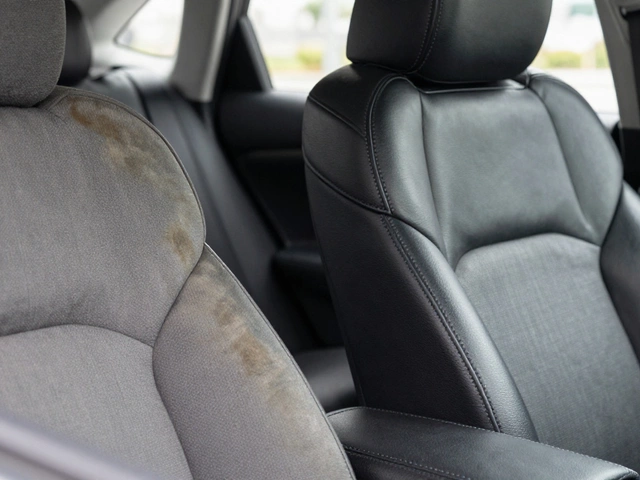
Cost of Leather Car Seats: Pricing Guide and Installation Options
Wondering how much leather car seats cost? From budget covers to professional reupholstery, we break down the pricing, materials, and installation options for 2026.
Read more
Can I Reupholster My Car Seats? Here's What You Need to Know!
Thinking about reupholstering your car seats? It's totally doable and can give your vehicle a fresh look. Whether you're tackling this as a DIY project or hiring a pro, there are key things you need to know. From choosing the right fabric to understanding the basic steps involved, this guide breaks it down for you. Plus, get insider tips on making the process smooth and successful.
Read more