Car Body Kit Compatibility Checker
Check if a full body kit is compatible with your specific car make, model, and year based on manufacturer specifications. Always verify with the kit manufacturer before purchasing.
Compatibility results will appear here
Select your car details to check compatibility
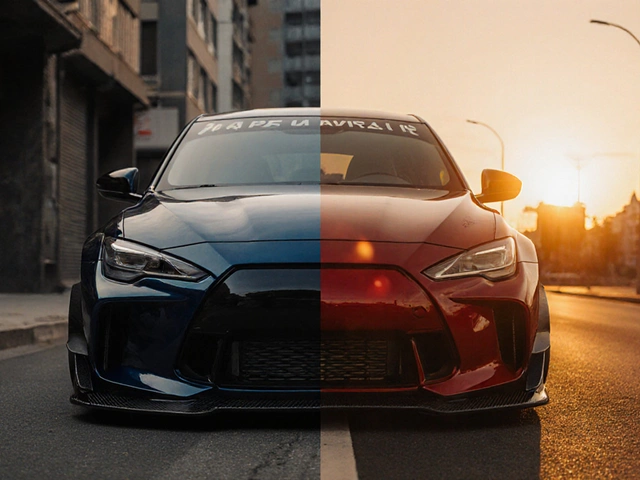
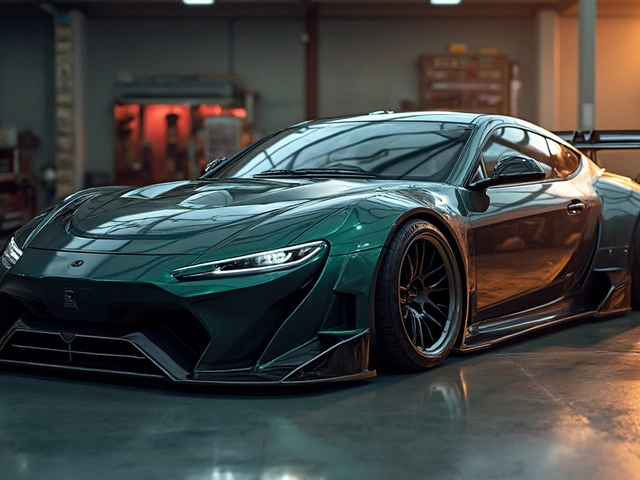
When you see a car with aggressive lines, flared fenders, and a sleek front splitter, you’re looking at a full body kit. But what’s actually inside that package? It’s not just one piece-it’s a system designed to transform how a car looks and sometimes how it performs. A full body kit doesn’t come with random parts slapped together. It’s engineered to work as a unit, replacing or adding to factory panels to create a unified, high-performance aesthetic.
Front Bumper
The front bumper is usually the most noticeable part of a full body kit. Factory bumpers are designed for safety and cost, not style. Aftermarket versions replace them with deeper, more sculpted designs that often include integrated air intakes, fog light housings, and a pronounced splitter. The splitter isn’t just for show-it helps reduce lift at high speeds by directing airflow under the car. Many kits use ABS plastic or fiberglass, with some premium versions using carbon fiber for lighter weight and better durability. If you’re buying a kit for a Subaru WRX or a Honda Civic, the front bumper will be tailored to match the car’s original contours while adding aggressive angles.
Side Skirts
Side skirts run along the lower edge of the car’s doors, connecting the front and rear bumpers. Their job? To smooth airflow along the sides and give the illusion that the car is lower than it actually is. Without side skirts, the gap between the wheel arch and the body looks awkward-especially on lowered cars. Most side skirts are molded to follow the car’s body line, and some include vents or channels to help manage heat from brakes or tires. They’re usually mounted with adhesive strips and bolts, so installation needs precision. A poorly fitted side skirt can rattle or crack over time, especially on rough roads.
Rear Bumper
The rear bumper completes the look and often includes a diffuser. This is the part that looks like a series of channels or fins at the bottom of the back end. A diffuser helps accelerate air exiting under the car, creating downforce and improving stability. Many rear bumpers also replace the stock exhaust cutouts with larger, more aggressive openings to accommodate aftermarket exhaust tips. Some kits include integrated license plate frames or backup camera housings. If your car came with a factory lip spoiler on the trunk, the new rear bumper will likely remove it and replace it with a built-in spoiler or a seamless transition.
Rear Spoiler or Wing
Not every full body kit includes a rear spoiler, but most high-end ones do. A spoiler is mounted on the trunk lid and helps manage airflow over the rear of the car. A wing, on the other hand, is elevated on supports and creates more downforce. Wings are common on performance cars like the Nissan Skyline or Mitsubishi Lancer Evolution. Spoilers are more subtle and often used on street cars. Both are made from the same materials as the rest of the kit-fiberglass, ABS plastic, or carbon fiber. Installation usually requires drilling into the trunk, so make sure you’re comfortable with modifications or plan to get professional help.

Front Fender Flares
Many full body kits include fender flares, especially if they’re designed for wide-body builds. These extend the wheel arches to cover wider tires or wheels, which is common in rally-inspired or track-focused builds. Fender flares aren’t just for looks-they’re often required by law in places like Australia if your tires stick out past the original fender line. They’re typically bolted on over the factory fenders and may need trimming of inner liners or suspension components. If you’re running 10-inch wide wheels, you’ll need flares. Without them, your car won’t look balanced, and you could face fines.
Doors and Hood (Sometimes Included)
Some full body kits go beyond the basics. High-end or custom kits may include a new hood with functional vents or a bulge to clear a larger engine. Others replace factory doors with lighter, race-style versions with window cutouts or no door handles. These are rare and expensive, mostly found on track-only builds or custom show cars. For most people, a full body kit stops at the bumper, skirts, and spoiler. But if you’re going all-in, check if your kit includes these upgrades-some manufacturers bundle them as premium options.
Materials Matter
Not all body kits are created equal. The material determines durability, weight, and cost. Fiberglass is the most common-it’s affordable and easy to mold, but it can crack in cold weather or after a minor impact. ABS plastic is more flexible and impact-resistant, making it better for daily drivers. Carbon fiber is lightweight and strong, but it’s expensive and often used only on accents like splitters or lips. If you live in Melbourne and drive year-round, you’ll want something that handles rain, heat, and the occasional pothole. Fiberglass might look great on a showroom floor, but it’ll chip after a few winters.
What’s Not Included
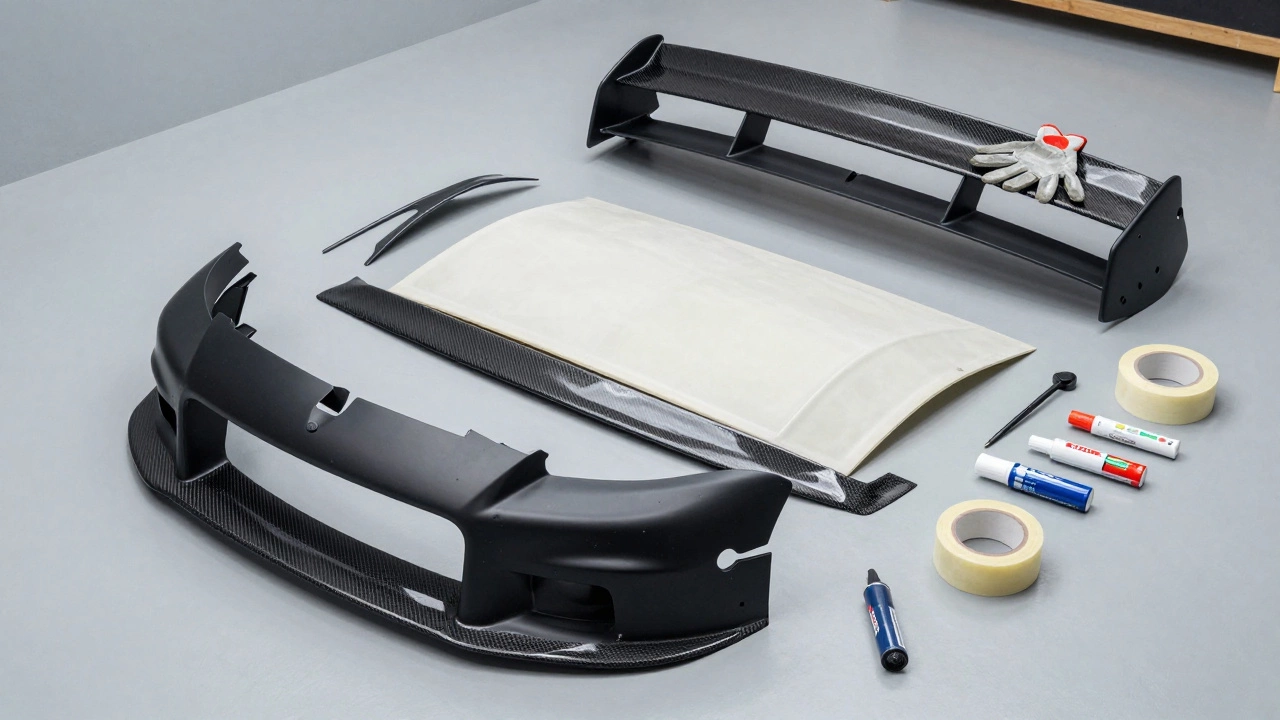
A full body kit doesn’t come with everything you need to install it. You won’t get hardware like bolts, adhesives, or sealants. You won’t get paint-most kits arrive primed or unpainted. You’ll need to have them painted to match your car, which adds cost and time. Some kits also don’t include mounting brackets or instructions. Always check the product listing. A kit advertised as “complete” might still require you to buy separate hardware. And if your car has factory sensors (like parking sensors or radar), the new bumper might not have cutouts for them. You’ll need to relocate or disable them.
Installation Challenges
Installing a full body kit isn’t a weekend garage job unless you’re experienced. It takes time, patience, and often a lift or jack stands. Misalignment is the most common problem. If the front bumper is 2mm off, it’ll look wrong from every angle. Many people end up taking their car to a shop because the fitment is so tight. Some kits require trimming the factory bumper or drilling holes in the fender. If you’re not careful, you can ruin your car’s original panels. Always dry-fit everything before gluing or bolting. And never paint the kit before installation-you’ll scratch it.
Legal and Insurance Considerations
In Australia, modifying your car’s bodywork can affect registration and insurance. If your kit changes the vehicle’s dimensions-like adding wide fender flares-you may need to get it inspected by VicRoads. Some kits are approved as “compliant,” meaning they meet safety standards. Others are considered non-compliant and could lead to fines or insurance denial after an accident. Always check with your insurer before installing a kit. Some companies will cover modified cars if you declare them; others won’t. Don’t assume your policy still applies just because you didn’t change the engine.
Real-World Example: A Civic Type R Kit
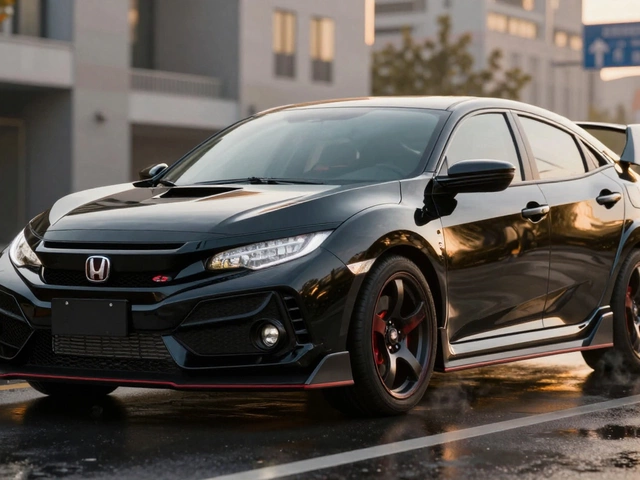
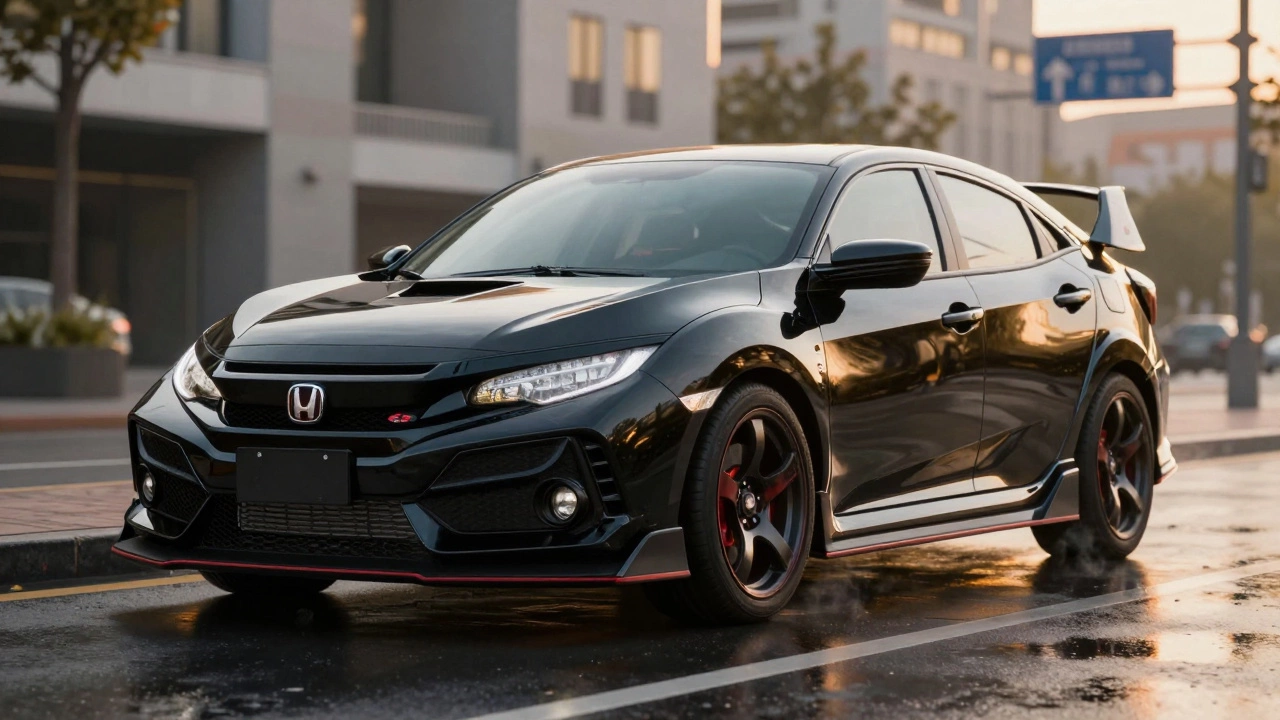
Take a Honda Civic Type R. A full body kit for it might include a front bumper with a large central intake, side skirts that taper toward the rear, a rear bumper with a diffuser and dual exhaust cutouts, and a large rear wing. All parts are designed to match the factory’s aggressive styling language. The kit might be made of ABS plastic for durability in Australian sun and rain. It won’t include paint, so you’ll pay $800-$1,200 for professional painting. Installation takes 10-15 hours. The total cost? Around $3,500-$5,000 installed. But the result? A car that looks like it came straight off a tuning show.
Is a Full Body Kit Worth It?
It depends on your goals. If you want your car to turn heads and look like a performance machine, yes. If you want to improve aerodynamics and reduce lift at highway speeds, yes. But if you’re looking for a cheap upgrade, no-it’s expensive, labor-intensive, and requires ongoing maintenance. A cracked fender flare or chipped spoiler can cost hundreds to fix. And if you ever want to sell the car, some buyers love the look; others hate it. Choose a kit that complements your car’s design, not one that overpowers it. Stick to reputable brands like Razzi, APR, or Greddy. Avoid no-name eBay kits-they’re cheap for a reason.
Does a full body kit improve a car’s performance?
It can, but not always. A well-designed kit with a front splitter and rear diffuser reduces lift and increases downforce, which improves stability at high speeds. This helps with cornering and braking. However, most kits are made for looks, not aerodynamics. Heavy kits or poorly shaped parts can actually increase drag and hurt fuel economy. For real performance gains, pair the kit with suspension and tire upgrades.
Can I install a body kit myself?
You can, but it’s not easy. You need experience with automotive adhesives, drilling, alignment, and painting. Most kits require dry-fitting, trimming, and multiple people to hold parts in place. If you’re not confident, hire a professional. A bad install can ruin your car’s panels or cause parts to fall off while driving. It’s not worth the risk for a $2,000 kit.
Do body kits require special maintenance?
Yes. Unlike factory panels, aftermarket parts are more prone to cracking, fading, or peeling. Avoid pressure washing them-high pressure can break the sealant. Clean them with mild soap and a soft sponge. Wax them every 3-4 months to protect the paint and prevent UV damage. If you live near the coast, salt air can corrode mounting points-check bolts and clips regularly.
Are all body kits compatible with my car model?
No. Body kits are made for specific makes, models, and even years. A kit for a 2020 Toyota Supra won’t fit a 2015 model. Always check the manufacturer’s compatibility list. Even small changes-like a different headlight design or bumper shape-can make a kit incompatible. Never assume a kit will fit just because the car looks similar.
How long does a body kit last?
With proper care, a quality kit can last 10 years or more. Fiberglass kits may show cracks after 5-7 years in extreme climates. ABS plastic lasts longer and handles temperature changes better. Carbon fiber is the most durable but expensive. Paint quality matters too-poorly applied paint will chip and fade faster. Regular washing and waxing extend life significantly.