Car Tint Safety Checker
Step 1: Identify Your Cleaner
Select the type of cleaner you are using or plan to use.
Step 2: Check Application Method
How are you applying the liquid?
Result
Pro Tip:
Always spray the cloth, not the glass.
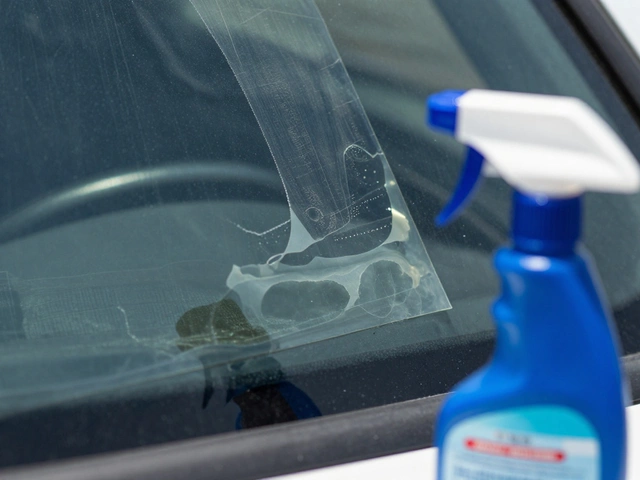
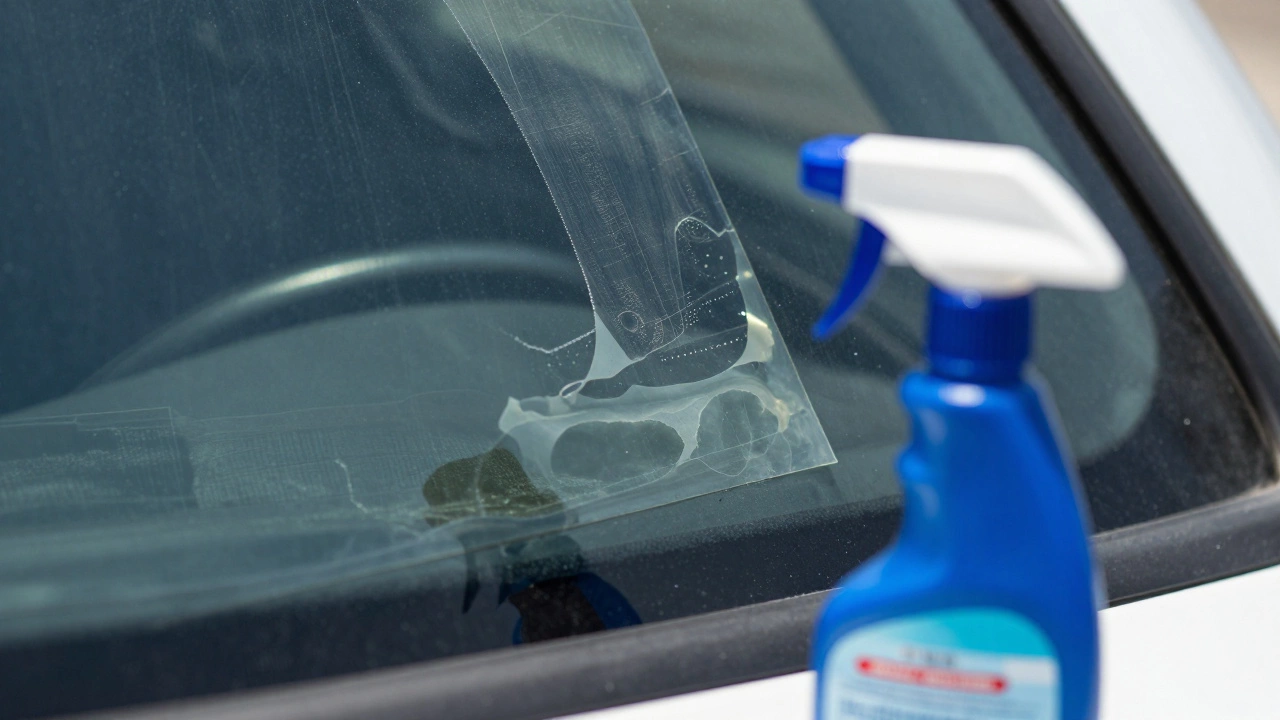
Ammonia breaks down the adhesive bonds in window tint film over time, causing bubbling, peeling, and purple discoloration.
You just spent a small fortune on high-quality car window tint, which is a thin polyester film applied to the interior of vehicle windows to block UV rays, reduce heat, and enhance privacy. You love how it looks. But then you reach for your trusty bottle of Windex, the popular glass cleaner known for its streak-free shine. You spray it on, wipe it down, and walk away satisfied. A few weeks later, you notice weird bubbling or discoloration near the edges. Did you ruin your investment? Short answer: yes, probably. Using standard Windex on tinted windows is one of the fastest ways to degrade modern automotive film.
The core issue isn't the water or the fragrance in the bottle. It’s the chemistry. Most traditional glass cleaners, including the original Windex formula, contain ammonia, a strong alkaline chemical used to cut through grease and grime on bare glass. While ammonia works wonders on untreated surfaces, it acts like slow-acting poison to the adhesive layers and protective coatings found in automotive window film. This article breaks down exactly why this happens, what happens if you slip up, and the specific products you should use instead to keep your tint looking brand new for years.
Why Ammonia Is the Enemy of Window Tint
To understand why Windex damages tint, you have to look at how window tint film is constructed. Modern films are not just a single layer of colored plastic. They consist of multiple layers: a protective outer coating, the dyed or metallic layer that blocks light, and an adhesive backing that sticks to the glass. The adhesive is usually acrylic-based.
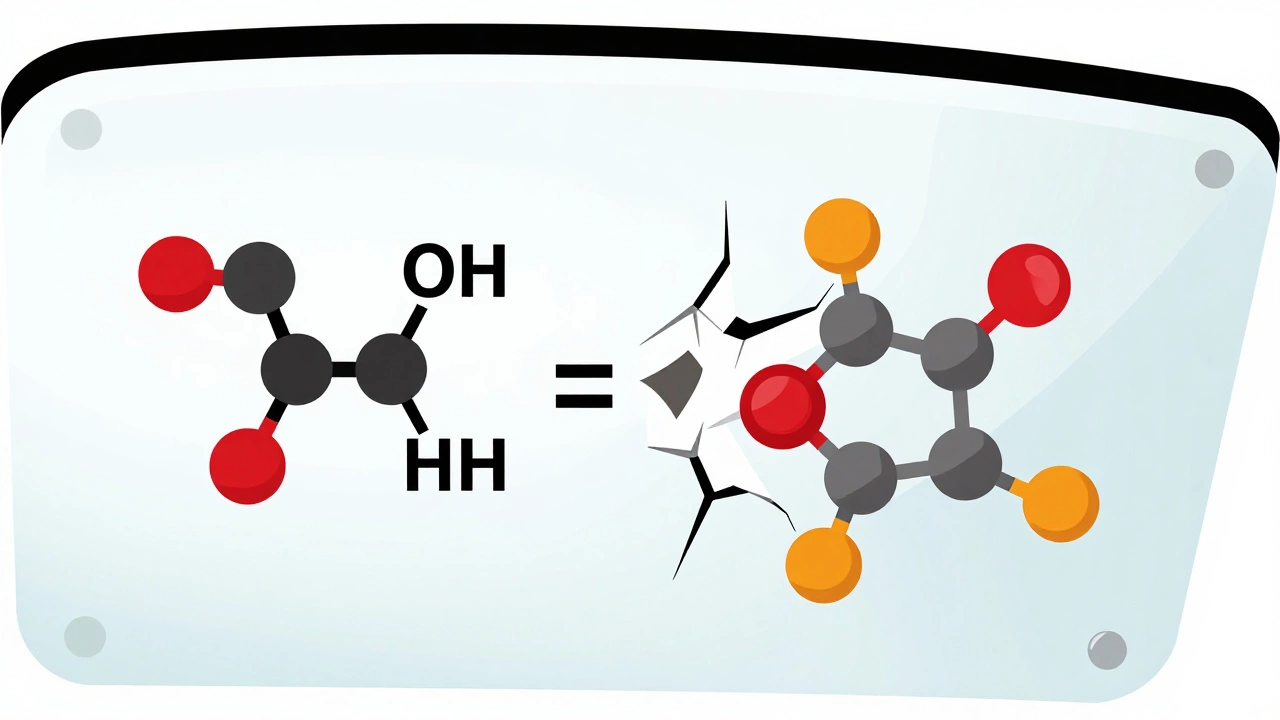
Ammonia is a solvent. When it comes into contact with the adhesive layer of the tint, it begins to break down the molecular bonds holding the film to the glass. This process doesn't happen instantly. You might not see bubbles after one use. But over time, repeated exposure weakens the bond. Eventually, the edges lift, allowing dirt and moisture to get underneath. Once that happens, the tint starts to peel, bubble, and turn purple-a common fate for lower-quality dyes exposed to harsh chemicals.
Furthermore, many premium tints feature a hard coat on the exterior surface to resist scratches and repel water. Ammonia can strip this protective layer away, leaving the film dull and susceptible to micro-scratches from your wiper blades or cleaning cloths. If you value the longevity of your ceramic window tint or carbon window tint, keeping ammonia away is non-negotiable.
Not All Windex Is Created Equal
Here is where things get tricky. The brand Windex sells several different products, and not all of them contain ammonia. If you grab a random blue bottle from the shelf, you are likely grabbing the "Original" formula, which lists ammonia as a primary ingredient. This is the dangerous one for your car.
However, the manufacturer also produces "Windex Free & Clear" and other variants labeled "Ammonia-Free." These formulas rely on milder surfactants and alcohol-based solvents rather than harsh alkalis. Technically, these ammonia-free versions are safer for tinted windows. That said, even ammonia-free cleaners can contain other additives-like certain alcohols or fragrances-that might dry out the adhesive over long periods if used excessively.
If you must use a branded glass cleaner, check the label carefully. Look specifically for the words "Ammonia-Free." If the label doesn't explicitly state this, assume it contains ammonia and put it back. Don't gamble with your tint based on assumptions about the brand name alone.
| Cleaner Type | Contains Ammonia? | Safety Level for Tint | Primary Risk |
|---|---|---|---|
| Standard Windex (Original) | Yes | Unsafe | Degrades adhesive, causes bubbling |
| Windex Free & Clear | No | Moderate/Safe | Minimal risk if used sparingly |
| Generic Store Brand Glass Cleaner | Usually Yes | Unsafe | Variable chemical composition |
| Isopropyl Alcohol (Diluted) | No | Safe (with caution) | Can dry out seals if too concentrated |
| Vinegar and Water Solution | No | Safe | None significant |
What Happens If You Already Used Windex?
Panic is unnecessary if you’ve already sprayed some standard Windex on your tinted windows. One-time accidental exposure rarely causes immediate failure. The damage is cumulative. However, you should take steps to mitigate any potential harm.
First, rinse the windows thoroughly with plain water to remove any residual chemicals. Do not scrub aggressively, as this could spread the ammonia into microscopic pores of the film. Second, inspect the edges of the tint closely. Look for any signs of lifting or white hazing. If the tint is still firmly attached and clear, you likely escaped unscathed. Just switch to a safer cleaning method going forward.
If you notice bubbling or peeling starting shortly after using ammonia-based cleaners, the adhesive has likely been compromised. In this case, no amount of careful cleaning will reverse the damage. You may need to consult a professional installer for repair or replacement. Early detection is key; catching edge lifts before they spread across the entire window can save you money.
The Best Way to Clean Tinted Windows
So, if you can't use Windex, what do you use? The golden rule for cleaning tinted car windows is simplicity. You want to remove dirt and grime without introducing harsh solvents. Here is the safest, most effective method recommended by top installers:
- Create a mild solution: Mix one part distilled white vinegar with ten parts water in a spray bottle. Vinegar is acidic enough to cut through grime but gentle enough for tint adhesives. Alternatively, use a dedicated automotive glass cleaner labeled as ammonia-free.
- Use the right tool: Ditch paper towels and rough sponges. Use a soft, clean microfiber cloth. Microfiber traps dust particles rather than scratching them into the film.
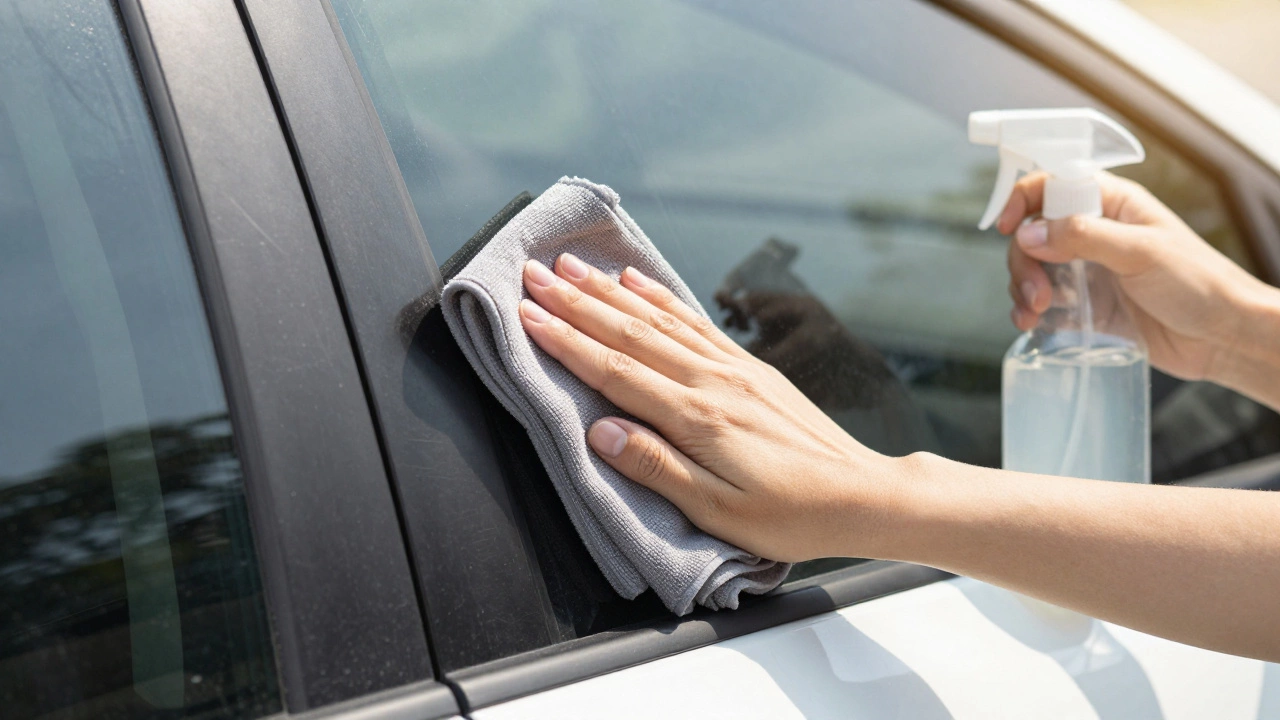
- Spray the cloth, not the glass: This is a pro tip. Spraying directly onto the window allows liquid to seep under the edges of the tint, especially if there are tiny gaps. Instead, spray the microfiber cloth lightly and wipe the glass. This gives you total control over moisture levels.
- Wipe gently: Use straight lines or circular motions with light pressure. Avoid abrasive scrubbing.
- Dry immediately: Use a second dry microfiber cloth to buff the window to a streak-free shine. This prevents water spots from forming, which can be harder to remove later.
This method works for both the interior and exterior surfaces. For the interior, be extra cautious around the edges where the film meets the rubber seal. Moisture trapped here is the number one cause of premature tint failure.
Common Myths About Tint Care
There is a lot of misinformation floating around online regarding window tint maintenance. Let's clear up a few myths so you don't fall for bad advice.
Myth 1: "All glass cleaners are bad for tint." False. As discussed, ammonia-free cleaners are generally safe. The enemy is specifically ammonia and other strong solvents like acetone or undiluted alcohol.
Myth 2: "You shouldn't clean tint for the first month." Partially true. Installers often recommend waiting 30 days before cleaning because the adhesive needs time to fully cure and bond to the glass. During this period, the tint may have small water spots or haze, which is normal. However, you *can* gently wipe away heavy debris with a damp cloth during this curing phase. Just avoid spraying liquids directly on the glass until the cure is complete.
Myth 3: "Rain-X makes tint last longer." Not necessarily. While hydrophobic coatings like Rain-X can make cleaning easier by repelling water, some formulations contain silicones that can interfere with the adhesive if applied incorrectly. If you use such products, apply them only to the exterior glass and ensure they are compatible with tinted surfaces.
Choosing the Right Tint for Durability
While cleaning habits matter, the type of tint you choose plays a huge role in how well it withstands environmental factors and cleaning agents. Not all films are created equal.
- Dyed Film: The most affordable option. It uses a layer of dye to block light. However, it is the least durable. Dyed films fade faster and are more susceptible to chemical damage from cleaners like Windex. They often turn purple over time.
- Carbon Film: Made from carbon particles, this film does not fade and offers better heat rejection than dyed film. It is more resistant to chemical degradation, making it a solid mid-range choice.
- Ceramic Film: The premium option. Ceramic tint uses nano-ceramic technology to block infrared heat without interfering with electronic signals. It is incredibly durable, highly resistant to fading, and stands up much better to accidental exposure to harsh chemicals compared to dyed films.
- Metallic Film: Contains metal particles for heat rejection. It is durable but can interfere with GPS and radio signals. Like ceramic, it holds up well against cleaning agents, though it can oxidize if the top coat is damaged.
If you live in an area where you frequently clean your car yourself, investing in a higher-quality ceramic or carbon film provides peace of mind. These films have stronger adhesives and protective coatings that offer a buffer against accidental misuse of cleaning products.
Frequently Asked Questions
Will one use of Windex ruin my car tint?
Probably not. Occasional, accidental exposure to ammonia-based Windex is unlikely to cause immediate visible damage. However, repeated use will degrade the adhesive over time, leading to bubbling, peeling, and discoloration. Rinse the area with water immediately if this happens.
Is Windex Free & Clear safe for tinted windows?
Yes, Windex Free & Clear is generally considered safe for tinted windows because it does not contain ammonia. However, it is still best to spray the cleaner onto a microfiber cloth rather than directly onto the glass to prevent moisture from seeping under the film edges.
How long should I wait before cleaning newly tinted windows?
Most installers recommend waiting 30 days before thoroughly cleaning tinted windows. This allows the adhesive to fully cure and bond to the glass. During this period, you may notice water spots or haze, which is normal and will disappear as the tint dries.
What is the best homemade cleaner for car tint?
A mixture of distilled white vinegar and water (1 part vinegar to 10 parts water) is an excellent, safe homemade cleaner for tinted windows. Vinegar effectively removes grime without harming the adhesive or protective coating of the film.
Can I use paper towels to clean my tinted windows?
No, you should avoid using paper towels. They are abrasive and can leave micro-scratches on the tint film, reducing its clarity and lifespan. Always use soft, clean microfiber cloths for cleaning tinted surfaces.