Pro Interior Detailing Guide
Select your car's interior surface below to see the professional-grade cleaning protocol, recommended products, and common mistakes to avoid.
Recommended Protocol
✅ Recommended Agent
🛠️ Essential Tools
⚠️ Risk of Wrong Product
💡 Pro Tip
You’ve seen those glossy magazine photos where the dashboard looks brand new and the leather seats feel like they were just stitched in the factory. You try to replicate it with a bottle of all-purpose cleaner from the supermarket and a dirty microfiber towel, but you end up with a sticky residue or a streaky mess. The difference isn’t magic; it’s chemistry and technique. Professional detailing is a discipline that relies on specific chemical balances and mechanical action to lift dirt without damaging delicate surfaces. If you want your car’s cabin to look showroom-ready, you need to stop guessing and start using what the pros actually use.
The Foundation: pH-Balanced All-Purpose Cleaners
Most DIY enthusiasts grab a generic degreaser and spray it everywhere. Big mistake. Modern car interiors are a mix of plastics, vinyl, rubber, coated fabrics, and sometimes real leather. Harsh alkaline cleaners strip away protective coatings and dry out plastics, leading to that faded, grey look after a few months. Professional detailers almost exclusively rely on pH-balanced all-purpose cleaners (APC). These solutions are formulated to be safe on sensitive materials while still breaking down oils, sweat, and road grime.
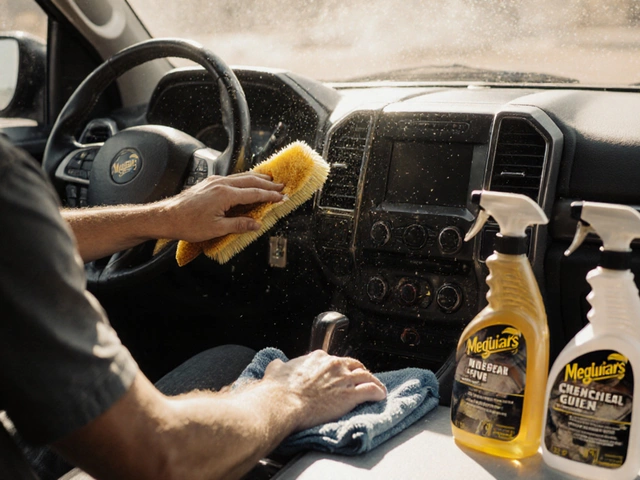
Why does pH matter so much? Your skin produces natural oils that accumulate on steering wheels and shift knobs. Dust binds to these oils. An APC with a neutral pH (around 7) or slightly acidic pH lifts this grime without etching the clear coat on plastic trim or drying out leather pores. Brands like Chemical Guys, Meguiar’s, and specialized pro lines like Koch Chemie offer concentrates that can be diluted based on the soil level. For light maintenance, a 10:1 dilution works wonders. For heavy traffic wear, maybe you go 4:1. The key is control. You aren’t blasting the interior; you’re gently lifting contaminants.
Leather Care: Beyond Simple Wipes
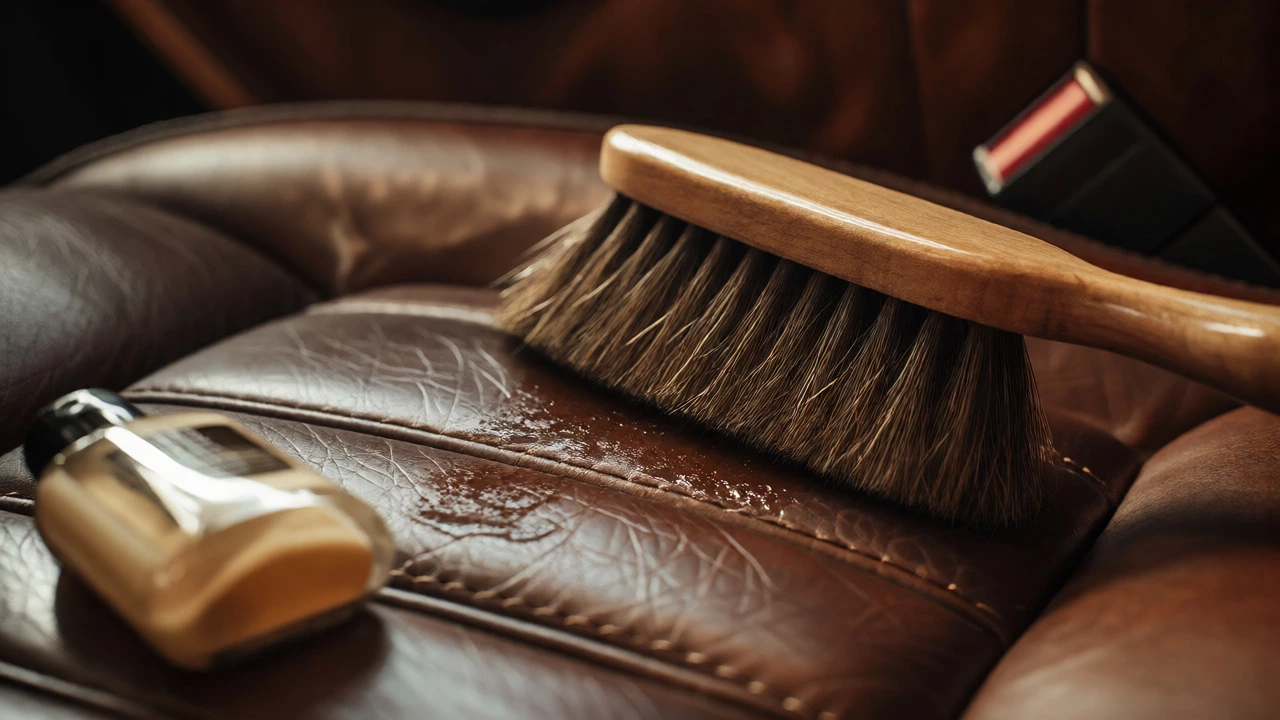
If your car has leather seats, treat them differently than vinyl. Vinyl is a plastic derivative; leather is organic material that needs hydration. Pros don’t just wipe leather down; they clean and condition it as two separate steps. First, they use a dedicated leather cleaner. This isn’t an APC. It’s specifically designed to break down body oils and dye transfer from jeans without stripping the finish. You work it into the grain with a soft-bristle brush, not a hard scrubbing pad. The goal is to agitate the pores, not scratch the surface.
Once the leather is clean and dry, conditioning comes next. But here’s the trap many fall into: over-conditioning. Leather doesn’t drink infinite amounts of oil. If you apply a thick, greasy conditioner, it sits on top, attracting dust and feeling slick. Professional detailers prefer lightweight, breathable conditioners often based on lanolin or synthetic polymers. These penetrate the hide to maintain flexibility without leaving a shiny, fake-looking film. In Melbourne’s variable climate, keeping leather hydrated prevents cracking during hot summers and stiffening during cooler mornings.
Fabric and Carpet: The Power of Agitation
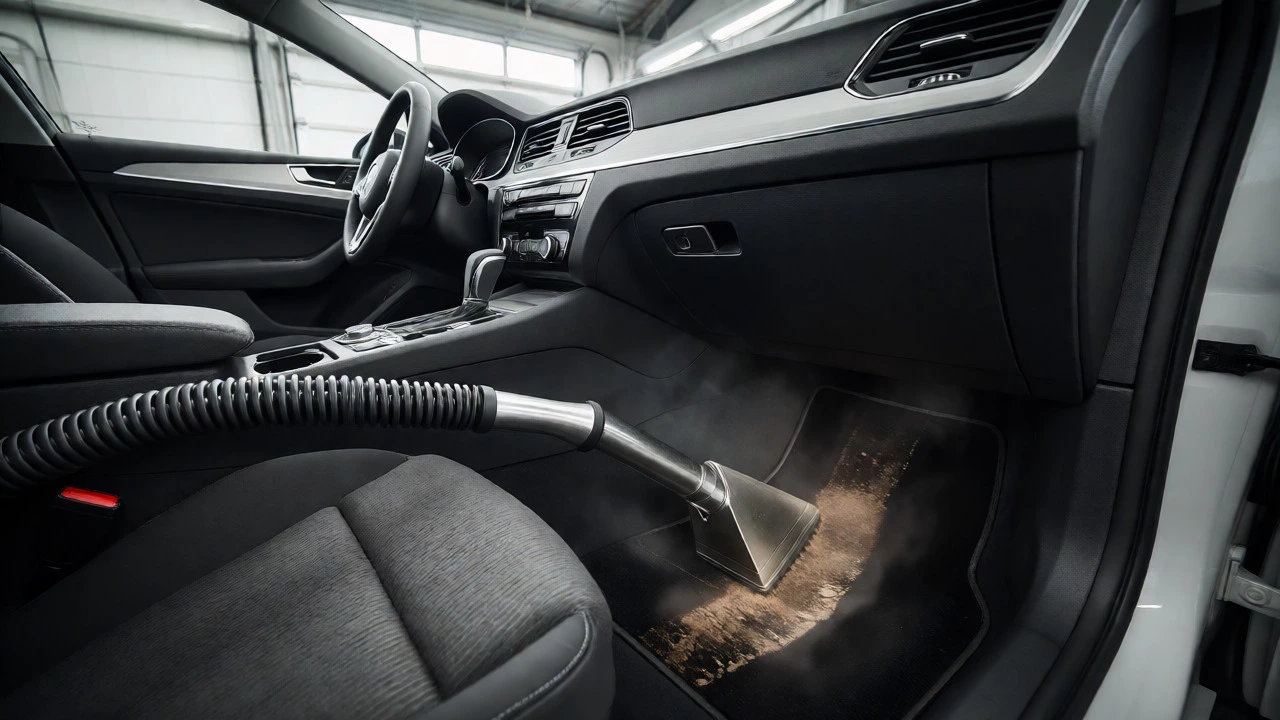
Carpets and fabric seats are dirt magnets. Vacuuming alone removes only about 30% of the embedded soil. To get that fresh smell and visual cleanliness, pros use a combination of fabric protectors and aggressive extraction methods. Before any liquid hits the carpet, thorough vacuuming is non-negotiable. Then, they apply a foam-based cleaner or a pre-spray designed for textiles.
| Surface Type | Recommended Agent | Tool Required | Risk if Wrong Product Used |
|---|---|---|---|
| Vinyl/Plastic Trim | pH-Balanced APC | Microfiber Towel + Soft Brush | White haze, dried-out cracks |
| Real Leather | Dedicated Leather Cleaner | Horsehair Brush | Stripped finish, discoloration |
| Alcantara/Suede | Solvent-Based Foam | Soft Nylon Brush | Matted fibers, water stains |
| Carpet/Fabric | Enzymatic Pre-Spray | Extractive Vacuum | Mold growth, lingering odors |
For deep cleaning, pros use an extractor, also known as a steam cleaner or wet-vac system. This machine injects a heated cleaning solution into the fabric and immediately suctions it back out, pulling the dirt with it. Hand-washing carpets rarely gets them truly clean because you can’t remove all the moisture and suspended dirt. Extraction leaves the carpet damp, not soaking wet, which means it dries in hours rather than days, preventing mildew smells.
Glass and Screens: Streak-Free Clarity
Interior glass is tricky. It’s coated with tint films and surrounded by porous dashboards that shed dust. Using standard window cleaner often leaves streaks because it contains ammonia, which can damage certain tint adhesives and leave a hazy residue on plastics nearby. Professionals use alcohol-free glass cleaners or simple isopropyl alcohol solutions mixed with distilled water. Why distilled? Tap water contains minerals that spot on glass when it dries.
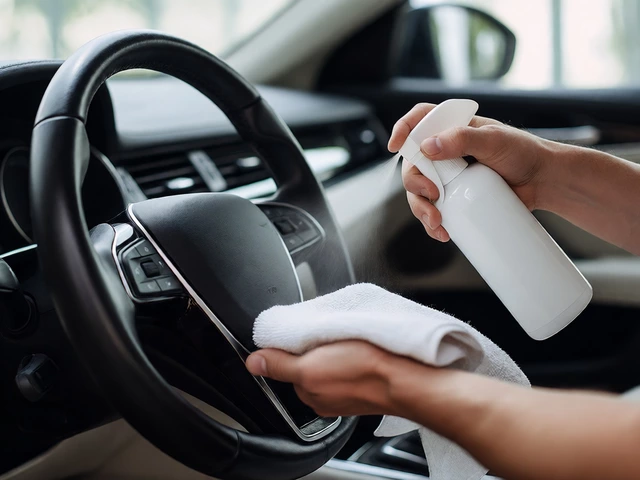
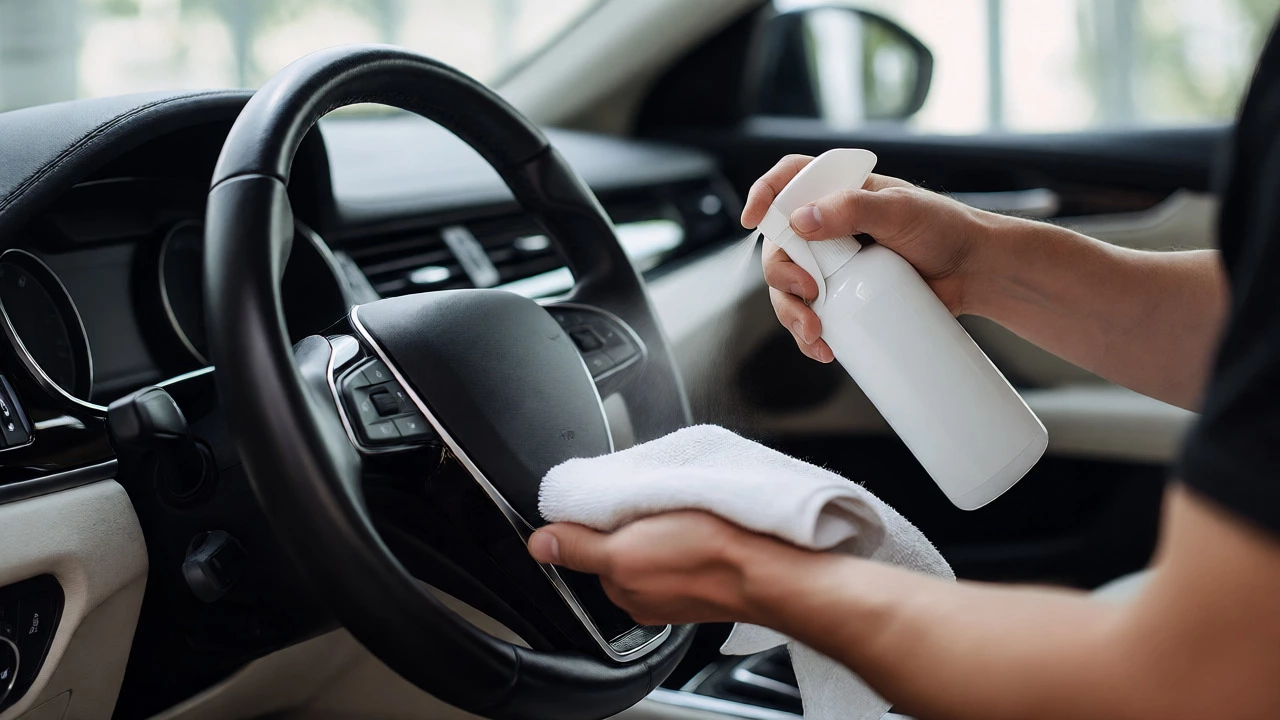
The tool matters more than the product here. Paper towels leave lint. Cheap rags smear grease. Pros use high-GSM (grams per square meter) microfiber towels specifically woven for glass. They often use a "two-towel method": one damp towel to clean the glass, and one dry, plush towel to buff it dry immediately. This eliminates streaks before they form. For infotainment screens, which are often matte or anti-glare coated, even less pressure is needed. A quick pass with a dry microfiber is usually enough. Never spray directly onto the screen; spray the towel.
The Secret Weapon: Ozone Generators and Enzyme Treatments
Sometimes, cleaning isn’t enough. Odors permeate the HVAC system and seat foam. Smoke, pet accidents, or spilled milk can create smells that no amount of scrubbing will fix. This is where professional-grade equipment shines. An ozone generator is used to oxidize odor-causing bacteria and molecules. You run the generator inside the closed car for 15-30 minutes. It turns oxygen into ozone, which attacks the volatile organic compounds causing the smell. It’s powerful stuff-you must air out the car thoroughly afterward, but it resets the cabin’s scent profile completely.
For biological spills like urine or vomit, enzymes are superior to bleach or strong fragrances. Enzymatic cleaners contain live bacteria or enzymes that digest the organic matter causing the odor. Unlike masking agents that just cover the smell, enzymes eliminate the source. Pros keep a small bottle of enzymatic spray in their kit specifically for unexpected surprises in family cars.
Protectants: Matte vs. Glossy Finishes
Finally, protection. The era of super-shiny, greasy dashboards is over. Modern aesthetic trends favor a matte, factory-fresh look. Pros use water-based dressings or ceramic-infused sprays for interior plastics. Water-based dressings sit on top of the plastic, providing UV protection and a slight sheen without attracting dust as aggressively as silicone-based oils. Ceramic interior sealants offer longer-lasting protection against UV fading and staining, though they require careful application to avoid smearing on windows.
When choosing a protectant, consider your environment. If you park outdoors in direct sunlight, UV resistance is critical. If you drive mostly at night or in garages, stain resistance might be more important. Always test a hidden area first. Some cheap dressings react poorly with specific plasticizers in older cars, causing bubbling or whitening.
Can I use household vinegar to clean my car interior?
You can, but it’s not ideal for everything. Vinegar is great for glass and removing mineral deposits, but its acidity can eventually degrade rubber seals and certain plastic finishes if used frequently. It also lacks the surfactants needed to lift oily residues effectively. Professional APCs are safer and more effective for general cleaning.
How often should I condition my leather seats?
Typically every 3 to 6 months, depending on usage and climate. Over-conditioning leads to buildup. If the leather feels dry or looks dull, it’s time. If it feels slick or attracts dust quickly, you’ve applied too much.
Is it safe to use a steam cleaner on Alcantara?
Caution is required. Alcantara is a synthetic suede-like material. High heat and excessive moisture can mat the fibers. Pros use low-pressure steam or solvent-based foams specifically designed for Alcantara, followed by gentle brushing to restore the nap.
Why do professionals use multiple brushes?
Different surfaces have different abrasion tolerances. Horsehair brushes are ultra-soft for leather and delicate plastics. Nylon brushes are stiffer for carpets and floor mats. Using the wrong brush can scratch trim or fail to agitate deep-set dirt in fabrics.
Do I need to wax my interior plastic?
No, traditional car wax is for paint. Interior plastics need specific dressings or sealants. Wax can make dashboards slippery and attract more dust. Use products labeled for interior trim or UV protectants.