Car Modification Value Calculator
Vehicle & Modifications
Valuation Estimate
Estimated Resale Value
Breakdown:
- No modifications selected.
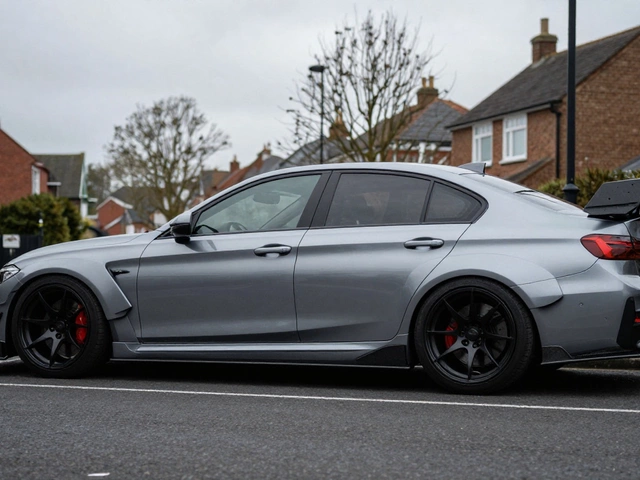
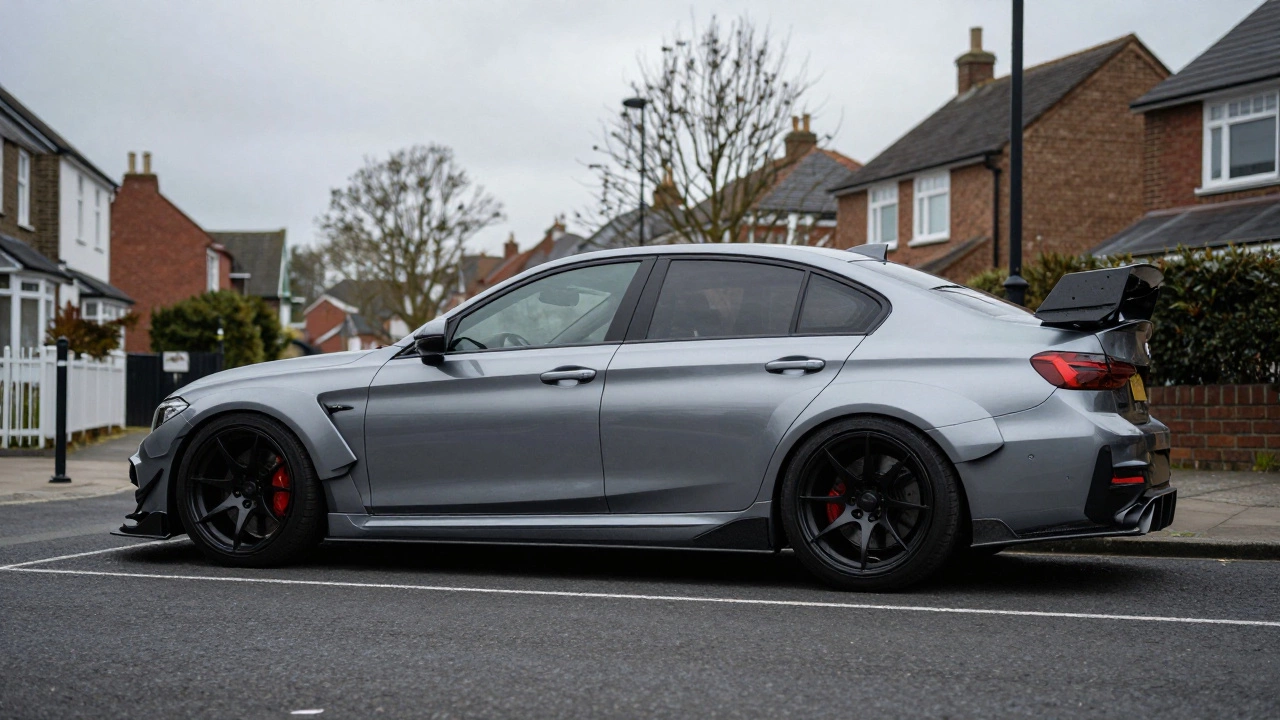
Picture this: you’ve just finished installing that aggressive wide-body kit on your daily driver. It looks fierce, turns heads at traffic lights, and makes you feel like you’re piloting a track-ready machine. Then, six months later, you decide to sell it. You list it for what you think is a fair price based on the original market value plus the cost of parts. Silence. Or worse, lowball offers from buyers who see the modification not as an upgrade, but as a liability.
If you are wondering what devalues a car most, the answer often lies in how irreversible and subjective the changes are. While some upgrades add utility or performance, others-particularly cosmetic ones like extreme body kits-can significantly slash your vehicle's resale value. This isn't just about taste; it's about economics, insurance risks, and the practical realities of selling a modified vehicle in 2026.
The Psychology of the Used Car Buyer
To understand why certain mods kill value, you need to step into the shoes of the average used car buyer. Most people buying a second-hand vehicle want reliability, predictability, and safety. They do not want surprises. When they see a car with a full body kit a set of exterior components including bumpers, side skirts, and spoilers designed to alter the vehicle's appearance, their immediate thought is rarely "cool." Their immediate thought is usually "maintenance nightmare" or "crash damage repair."
Buyers assume that if someone spent thousands on cosmetic enhancements, they might have neglected mechanical maintenance. This is a cognitive bias, but it is powerful. A pristine, stock car signals care. A heavily modified car signals experimentation. In the world of used cars, experimentation is often equated with risk. Therefore, the more unique and non-standard the modification, the smaller your pool of potential buyers becomes. And when supply exceeds demand, prices drop.
Why Body Kits Are Value Killers
Among all modifications, aftermarket body kits non-factory exterior modifications that change the aerodynamic profile and visual style of a vehicle sit near the top of the devaluation list. Here is why:
- Irreversibility: Unlike a set of wheels or a sound system, a proper body kit often requires cutting, drilling, or permanently altering the factory panels. Removing it to restore the car to its original state can be expensive and may leave traces of the modification (rust spots, mismatched paint).
- Subjective Appeal: What looks aggressive to you might look cheap or ridiculous to a buyer. Taste is highly individual. A wide-body kit on a family sedan appeals to almost no one outside of a very niche enthusiast circle.
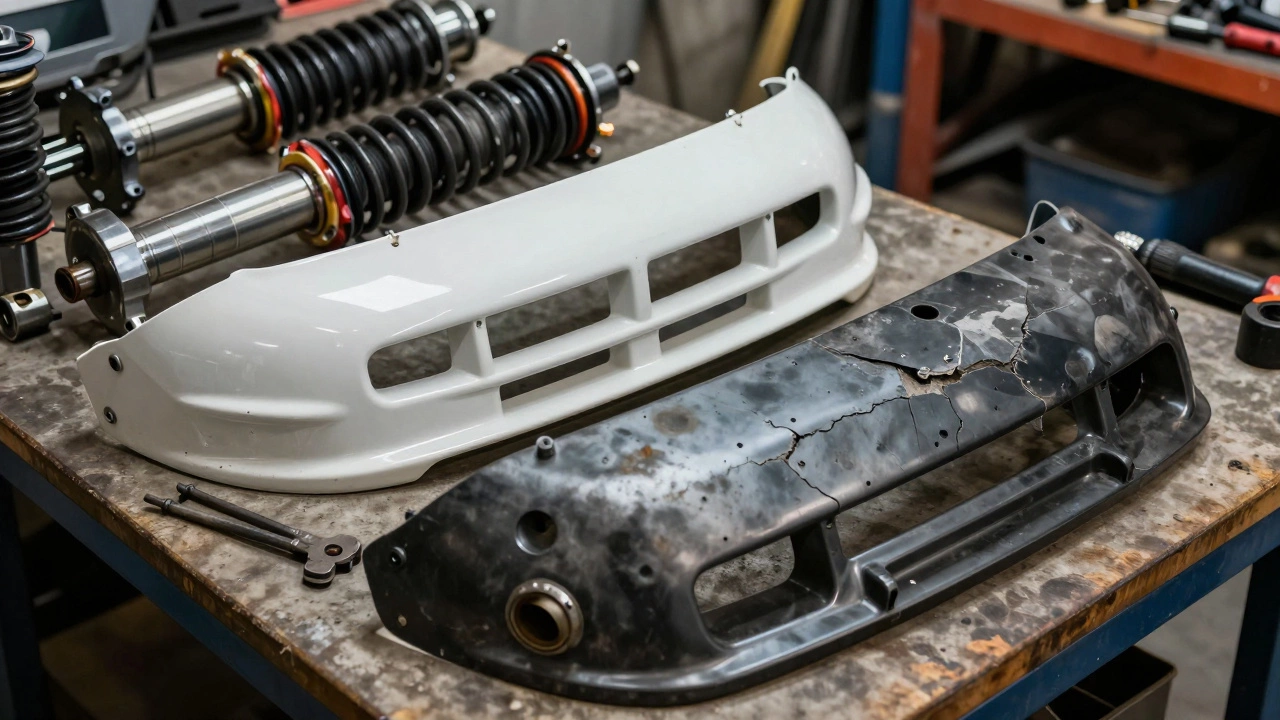
- Quality Concerns: Many aftermarket kits are made from polyurethane or fiberglass, which can crack, fade, or warp over time. Buyers fear paying for a car that already has failing cosmetic parts.
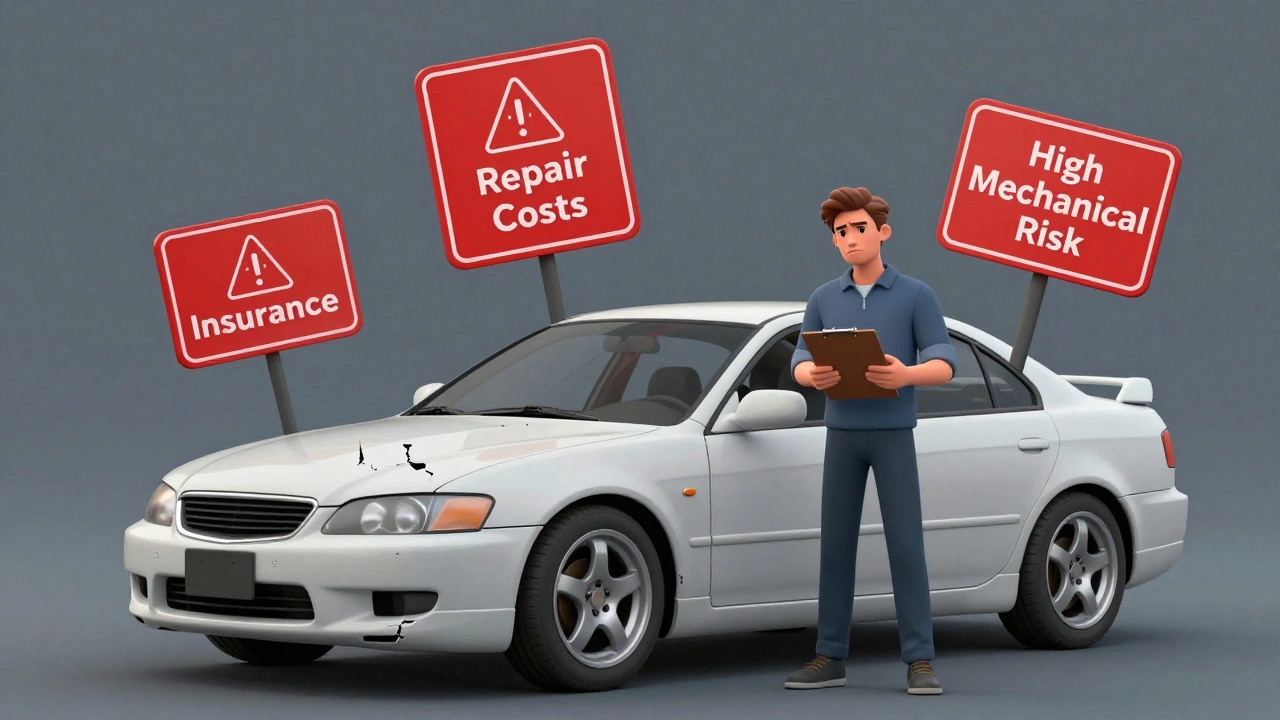
- Insurance Implications: Modified cars often face higher insurance premiums or specific policy exclusions. Buyers factor this ongoing cost into their offer, lowering the purchase price they are willing to pay.
In Melbourne’s competitive used car market, where buyers have access to countless options via online platforms, a car with a questionable body kit will sit on the market longer than its stock counterpart. Time on the market equals negotiation leverage for the buyer, which means a lower final sale price.
Other Major Devaluers Beyond Cosmetics
While body kits get the blame for looking "tacky," other modifications can hurt your wallet even more by raising red flags about the car’s mechanical health.
| Modification Type | Impact on Value | Reason for Devaluation |
|---|---|---|
| Extreme Suspension Lowering | High Negative | Suggests harsh ride, potential alignment issues, and bottoming out on speed bumps. |
| Engine Tuning/ECU Remaps | Moderate to High Negative | Raises concerns about engine longevity, warranty voids, and increased wear on drivetrain components. |
| Aftermarket Wheels (Poor Quality) | Moderate Negative | Can indicate poor fitment, vibration issues, or lack of corrosion protection compared to OEM alloys. |
| Interior Upholstery Changes | Low to Moderate Negative | Non-standard colors or materials (e.g., bright red leather) appeal to fewer buyers than black or grey cloth. |
| Window Tinting (Dark) | Low Negative | May violate local regulations in Victoria, requiring removal before registration transfer. |
Notice that mechanical modifications often carry a heavier stigma than cosmetic ones because they directly impact the core function of the car: driving safely and reliably. An ECU remap might give you more horsepower, but it also tells a buyer that the engine is under more stress than the manufacturer intended. For a conservative buyer, that is a dealbreaker.
The Exception: Factory-Optional Packages
Not all modifications are created equal. There is a crucial distinction between *aftermarket* additions and *factory-optional* equipment. If you buy a car with a sport package, sunroof, or premium audio system installed by the manufacturer, these features generally retain their value-or even increase it.
Why? Because factory options are integrated seamlessly. They come with warranties, meet safety standards, and are recognized by valuation tools like Redbook or Guidepost. When a buyer sees a car with a factory turbocharger option, they see added performance without the risk of amateur installation. However, once you start adding third-party parts, you leave the realm of guaranteed quality and enter the land of uncertainty.
How to Mitigate Value Loss If You Must Modify
Let’s say you love your car and refuse to drive it stock. That’s fine. But if you plan to sell it eventually, here is how to minimize the financial hit:
- Keep the Original Parts: Always store your original bumpers, exhaust, wheels, and suspension components. Being able to reinstall them before selling allows you to market the car as "restored to stock," which vastly improves its appeal.
- Choose Reversible Mods: Opt for bolt-on accessories rather than those requiring drilling or cutting. Magnetic accessories or clamp-based mounts are easier to remove without leaving marks.
- Document Everything: Keep receipts and records of professional installation. Showing that work was done by certified technicians can alleviate some buyer anxiety about quality.
- Stick to Popular Upgrades: Some modifications, like high-quality alloy wheels or a reputable brand of brake pads, are seen as neutral or slightly positive by many buyers. Avoid overly niche or extreme styles.
The Verdict on Car Body Kits
So, back to the original question: what devalues a car most? While mileage, accident history, and mechanical condition are the biggest factors overall, among *modifications*, aggressive and irreversible body kits are consistently among the worst offenders for resale value. They shrink your buyer pool, raise concerns about hidden damage, and signal a departure from the reliable, standard vehicle that most used car shoppers seek.
If you modify for joy, do it knowing that the money spent on the kit is essentially gone-it’s the cost of enjoyment, not an investment. But if you care about recouping your costs when you trade in or sell, keep the exterior close to factory specifications. In the end, the best modification for resale value is often no modification at all.
Do body kits affect car insurance premiums?
Yes, most insurers require you to declare any modifications, including body kits. Depending on the insurer and the extent of the modification, this can lead to higher premiums due to perceived increased risk of theft or damage. Some policies may even exclude coverage for the modified parts themselves.
Is it better to sell a modified car privately or through a dealer?
Selling privately can sometimes yield a better price if you find a buyer who appreciates the specific modifications. However, dealers typically prefer stock vehicles because they have a broader market appeal. Dealers may offer significantly less for heavily modified cars due to the difficulty in reselling them quickly.
Can I reverse a body kit installation myself?
It depends on how the kit was installed. Bolt-on kits can often be removed by a skilled DIYer. However, kits that required cutting, drilling, or extensive bodywork usually require professional restoration to ensure proper fitment and paint matching, which can be costly.
Do performance upgrades like turbochargers always decrease value?
Not always. High-quality, professionally installed performance upgrades from reputable brands can attract enthusiasts and potentially maintain value within that niche market. However, for the general used car market, they often decrease value due to concerns about reliability and warranty implications.
How much value does a body kit typically deduct from a car?
There is no fixed percentage, but it is common for heavily modified cars to sell for 10-20% less than their stock counterparts, depending on the severity of the modifications and the current market demand for that specific model. In extreme cases, the car may take significantly longer to sell.