
Wheel Spacer Fitment & Safety Calculator
Enter your current wheel specifications and desired spacer size to determine the new effective offset and receive safety recommendations.
Enter data and click Calculate to see results.
You’ve got a set of aftermarket wheels that look great in the photos, but on your car, they’re buried under the fenders. Or maybe you’re trying to tuck those big brake calipers behind the spokes without grinding metal. This is where wheel spacers come into play. They are thin discs-usually aluminum or steel-that bolt between your hub and the wheel to push it outward. But will adding just one inch actually change how your car looks or drives? The short answer is yes, but it’s not magic. It’s geometry. And if you get the math wrong, you’ll end up with rubbing tires or wobbly steering.
Key Takeaways
- Visual Impact: A 1-inch spacer significantly reduces concavity (the gap between the tire and fender), creating a flush, aggressive stance.
- Handling Changes: Widening the track by 2 inches total (1 inch per side) improves cornering stability but increases scrub radius and steering effort.
- Safety First: Never exceed the manufacturer’s recommended maximum thickness. For most cars, 1 inch is safe if using hub-centric spacers with proper lug stud length.
- Offset Math: You must calculate your current offset. Adding a spacer changes the effective offset; ignore this at your peril.
- Hardware Matters: Use extended lug studs or bolts designed for spacers. Standard hardware often fails under load when spacers are added.
The Visual Game: Why People Add Spacers
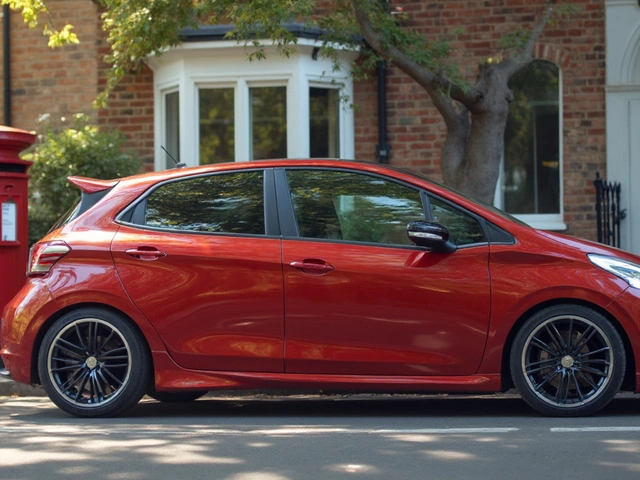
Let’s be honest: most people buy spacers for aesthetics. Modern cars, especially German sedans like BMWs or Audis, often come from the factory with negative offsets that tuck the wheels deep inside the wheel wells. This protects the bodywork from debris, sure, but it makes the car look narrow and top-heavy. By installing a 1-inch wheel spacer, a device that increases the distance between the wheel mounting surface and the hub, you physically move the tire outward. On a typical sedan, moving the wheel out by an inch on both sides can transform the profile from "factory conservative" to "sporty stance."
But it’s not just about filling the arch. If you’re running larger diameter wheels-say, swapping 17s for 19s-you might run into clearance issues with suspension components or brake calipers. A spacer pushes the wheel away from these obstacles. However, there’s a trade-off. Push them too far out, and you risk tire rub against the bumper lip during full lock turns or over bumps. One inch is often the sweet spot for daily drivers because it provides visual fill without drastically altering the vehicle’s physical footprint beyond legal limits in most Australian states.
Does It Actually Improve Handling?
This is where enthusiasts argue. Does widening the track make the car faster? Not necessarily faster in a straight line, but potentially more stable in corners. Think of it like standing with your feet together versus shoulder-width apart. When you widen your base, you become harder to knock over. In automotive terms, increasing the track width the distance between the centerlines of the left and right wheels on the same axle lowers the center of gravity relative to the pivot point of the roll axis. This can reduce body roll slightly and improve grip during lateral acceleration.
However, physics demands payment. Moving the contact patch further from the kingpin axis changes the scrub radius. The horizontal distance between the steering axis intersection with the ground and the center of the tire's contact patch. If your original setup had a small positive scrub radius, adding a spacer might increase it, leading to heavier steering feel or torque steer in front-wheel-drive cars. Conversely, if you go too wide, you might induce negative scrub, which causes the car to wander or shimmy over uneven roads. For a 1-inch spacer, these effects are usually subtle but noticeable to sensitive drivers. You’ll likely feel more feedback through the wheel, which some prefer for road feel, while others find it annoying.

The Offset Equation: Do Your Homework
You cannot simply slap a spacer on any car. You need to understand wheel offset the distance from the wheel's mounting pad to its centerline, measured in millimeters. Offset determines where the wheel sits relative to the hub. Most OEM wheels have an offset between +35mm and +50mm. Aftermarket wheels vary wildly.
To determine if a 1-inch (25.4mm) spacer works, use this simple formula: New Effective Offset = Original Wheel Offset - Spacer Thickness
If your wheel has a +40mm offset and you add a 25mm spacer, your new effective offset becomes +15mm. Is +15mm within the safe range for your specific car? Check your owner’s manual or online forums for your model. Many Japanese cars tolerate lower offsets well, while European cars with tight wheel arches might require careful checking. If the resulting offset is too low (negative), the wheel sticks out too far, risking bearing stress and aesthetic mismatch. If it’s still too high, you haven’t solved the problem.
Safety Risks: Bearings, Bolts, and Vibration
The biggest fear with spacers is failure. Will the wheel fall off? Unlikely if installed correctly, but here’s what goes wrong:
- Bearing Load: Extending the lever arm puts extra stress on the wheel bearings. While modern bearings are robust, a 1-inch spacer is generally considered safe for street use. Going beyond 2 inches often requires upgraded bearings or hubs.
- Lug Stud Length: This is critical. A spacer eats into the thread engagement of your lug nuts. If you use standard studs, you might only have 3-4 threads engaged instead of the required 6-8. This is dangerous. Always use spacers that include extended studs or buy longer lug bolts specifically rated for spacers.
- Vibration: Cheap cast-aluminum spacers can warp or crack. High-quality forged aluminum or steel spacers are denser and more durable. Poor manufacturing tolerances can cause imbalance, leading to steering wheel shake at highway speeds.
In Australia, VicRoads and other state transport authorities have guidelines on modifications. Generally, extending the wheel track by more than 25mm (approx. 1 inch) per side may require engineering certification depending on the vehicle type and year. Always check local regulations before modifying.
Hub-Centric vs. Lug-Centric Spacers
Not all spacers are created equal. There are two main types, and choosing the wrong one is a common mistake.
| Feature | Hub-Centric Spacers | Lug-Centric Spacers |
|---|---|---|
| Centering Mechanism | Uses a raised lip that fits into the wheel bore and a recess that fits over the hub. | Relies solely on the lug nuts/bolts to center the wheel. |
| Vibration Risk | Low. Ensures perfect concentricity. | Higher. Small imbalances in lug tightening can cause wobble. |
| Installation Difficulty | Moderate. Must match exact hub and wheel bore sizes. | Easier. Universal fit as long as bolt pattern matches. |
| Recommended Use | Daily drivers, high-performance applications. | Temporary fixes, drag racing, or vehicles with compatible centers. |
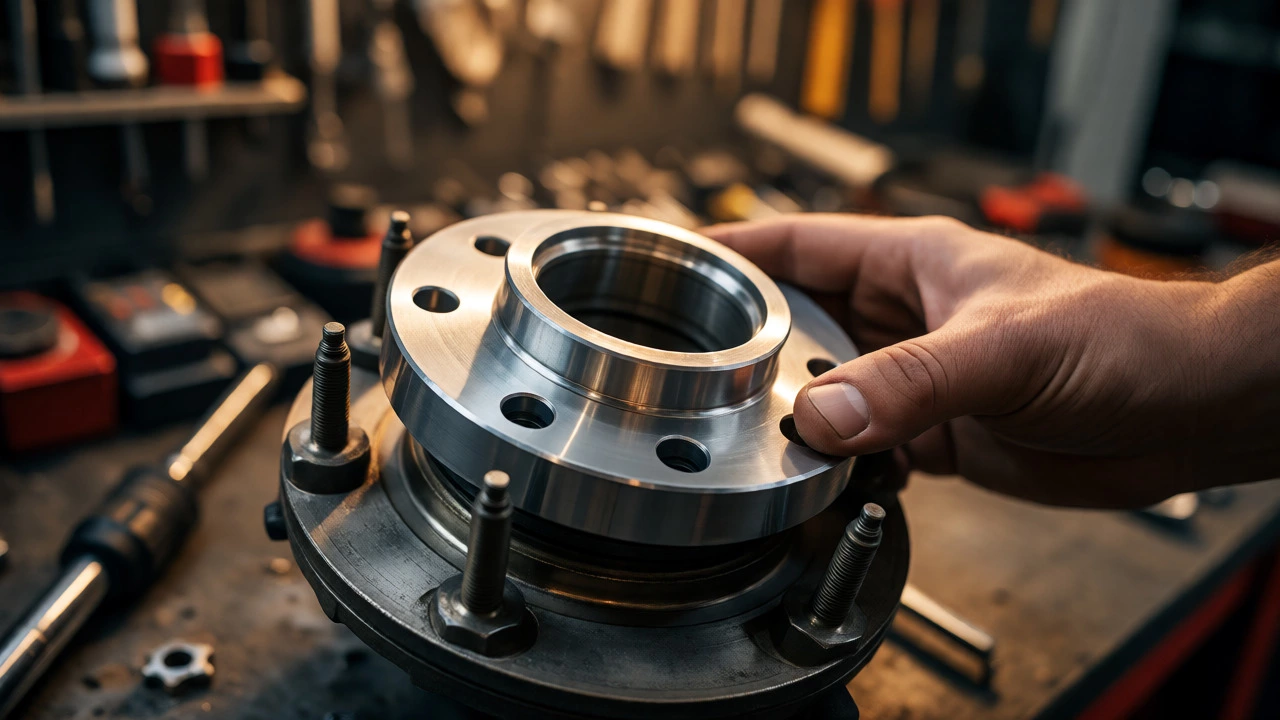
For a 1-inch spacer on a daily driver, always choose hub-centric spacers. Spacers that use the hub bore to center the wheel rather than relying on lug nuts. They eliminate the risk of vibration caused by uneven lug tightening. Since you’re already spending money on quality parts, don’t skimp on the interface that holds your wheels to the car.
When to Skip the Spacer
Is a spacer always the right fix? No. Sometimes, buying a different wheel with the correct offset is cheaper and safer in the long run. If you’re already struggling with tire rub, adding a spacer might just shift the problem from the inner suspension to the outer fender. Also, if your car has electronic stability control tuned for a specific track width, drastic changes can confuse sensors, though a 1-inch change is rarely enough to trigger faults.
Another scenario: if you’re running very wide tires (e.g., 285mm or wider), a spacer might push the sidewall so far out that it interferes with mud flaps or bumper liners. Measure carefully with a tape measure before ordering. Remember, once you cut springs or modify suspension, your wheel position changes dynamically. Static measurements aren’t enough; simulate compression if possible.
Frequently Asked Questions
Are 1-inch wheel spacers safe for daily driving?
Yes, provided they are high-quality, hub-centric spacers and installed with the correct extended lug studs or bolts. Ensure the thread engagement is sufficient (typically 6-8 full turns) and that the spacer material is forged aluminum or steel. Regularly check torque specs after installation.
Will wheel spacers void my warranty?
It depends on the manufacturer and the nature of any subsequent damage. If a wheel bearing fails and the dealer claims the spacer caused excessive load, they might deny the claim. However, under Australian Consumer Law, they must prove the modification caused the specific failure. Keeping receipts for professional installation helps protect your rights.
Do spacers affect fuel economy?
Minimally. Widening the track slightly increases aerodynamic drag and rolling resistance due to increased scrub angle, but the effect is negligible for most passenger cars. You won’t notice a measurable drop in MPG unless you combine spacers with significantly wider tires or larger wheels.
Can I stack multiple spacers?
You can, but it’s not recommended for thick stacks. Stacking two 0.5-inch spacers is fine, but stacking four creates potential alignment issues and increases the risk of separation. Ideally, use a single spacer of the desired thickness. If you need more than 1 inch, consider custom-machined spacers or adjusting your wheel choice.
How much do 1-inch wheel spacers cost?
In Australia, expect to pay between $150 and $400 AUD for a set of four quality hub-centric spacers. Cheaper options exist but often lack precision machining. Include the cost of extended lug studs ($20-$50 per set) in your budget. Professional installation adds another $50-$100.