Wheel Spacer Safety Calculator
Enter your parameters and click 'Analyze Safety' to see results.
Detailed Breakdown:
Ensure these steps are completed before driving at high speeds:
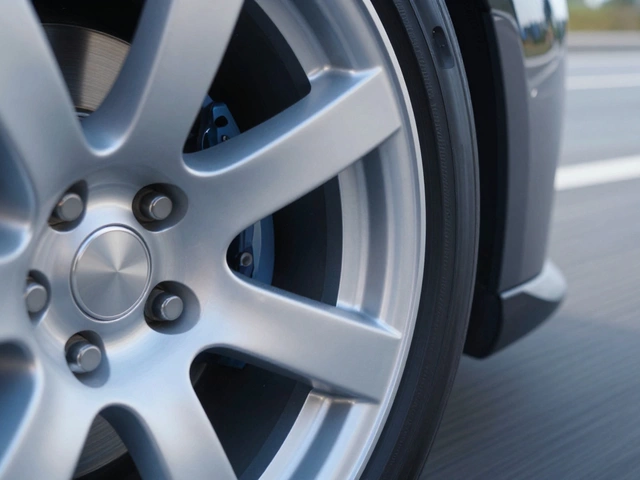
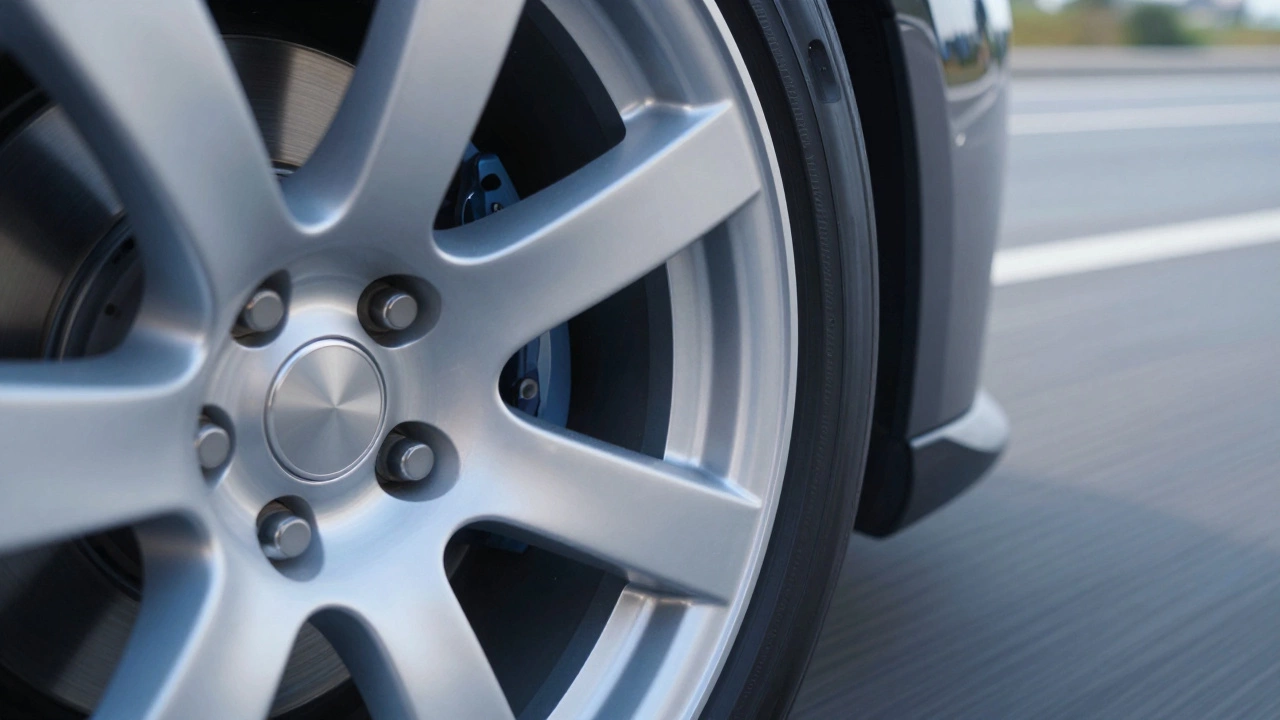
You’re cruising down the highway at 120 km/h. Your car feels planted, your suspension is tight, and you’ve just installed a set of aftermarket wheel spacers is machined aluminum discs that sit between the vehicle's hub and the wheel to push the tires outward. Suddenly, you feel a subtle vibration in the steering wheel. Is it the road? Or did those spacers fail under pressure? This is the nightmare scenario for every enthusiast who modifies their stance.
The short answer is yes, wheel spacers are safe at high speeds-but only if they are high-quality, properly installed, and matched to your specific vehicle’s load ratings. Cheap, cast spacers or improper installation can lead to catastrophic failure. Let’s break down exactly what makes them safe, what makes them dangerous, and how to ensure your setup won’t fall apart on the freeway.
Why Distance Creates Danger: The Physics of Leverage
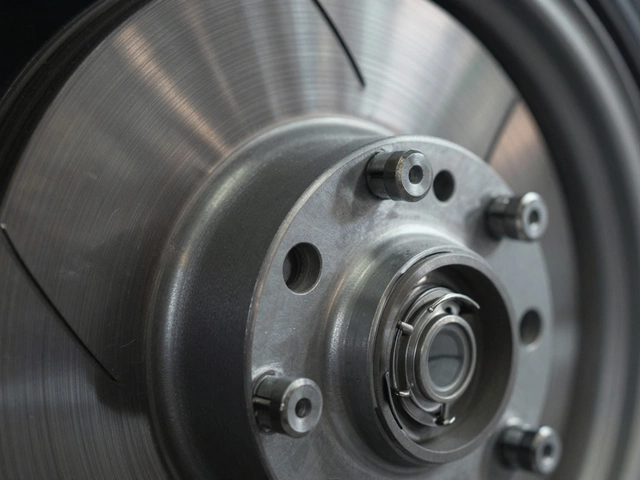
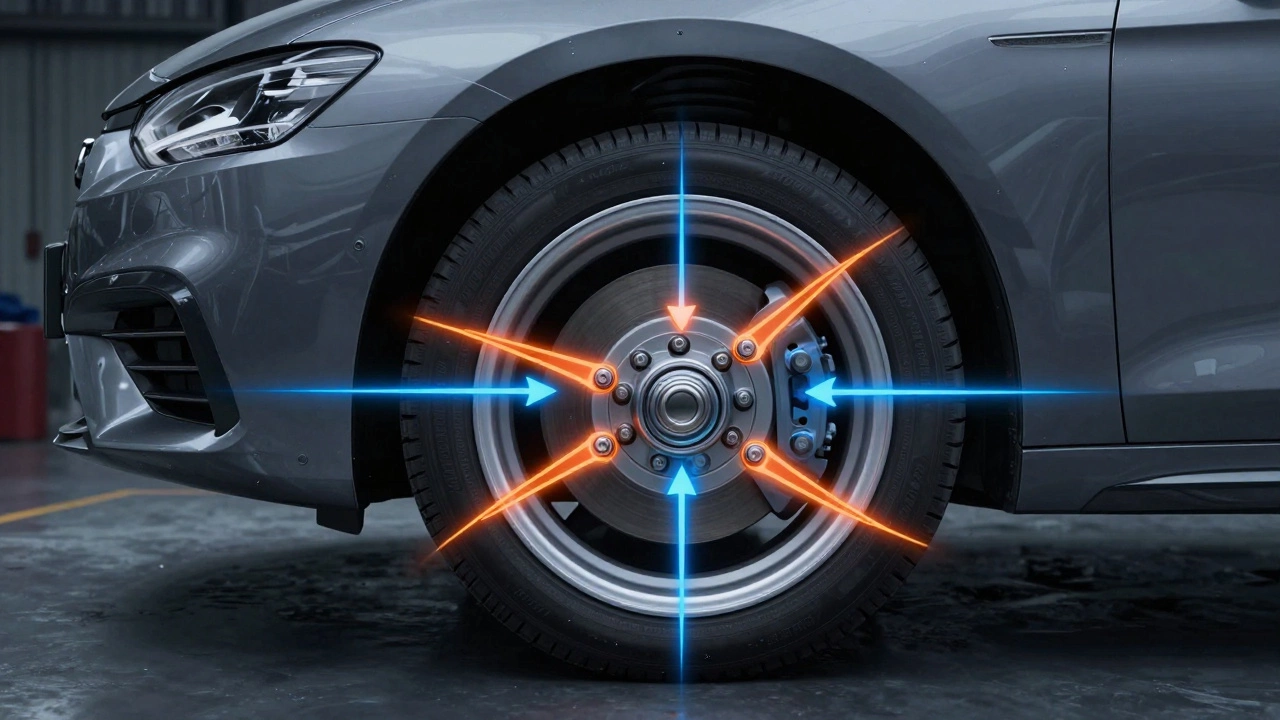
To understand why some people fear wheel spacers, you have to look at basic physics. When you add a spacer, you increase the distance between the hub assembly is the central part of the wheel bearing system that supports the wheel's weight and rotational forces. and the wheel itself. This increases the lever arm acting on the wheel studs or bolts.
Imagine holding a heavy dumbbell with your arm fully extended versus holding it close to your chest. The further away the weight is from your shoulder (the pivot point), the more strain you feel. In automotive terms, this increased leverage puts additional stress on the wheel studs are threaded rods attached to the hub that hold the wheel in place via nuts.. At high speeds, centrifugal force tries to pull the wheel off the hub. If the studs are weak or the clamping force is insufficient, the wheel can loosen or even detach.
This is why OEM manufacturers rarely use large offsets. They engineer the suspension geometry to keep the tire as close to the centerline as possible for optimal handling and minimal stress on components. When you push the tire out with spacers, you change this geometry. You aren't just changing looks; you're altering the mechanical loads on your suspension.
Cast vs. Machined: The Material Matters
Not all wheel spacers are created equal. The material used is the single most important factor in determining safety at high speeds.
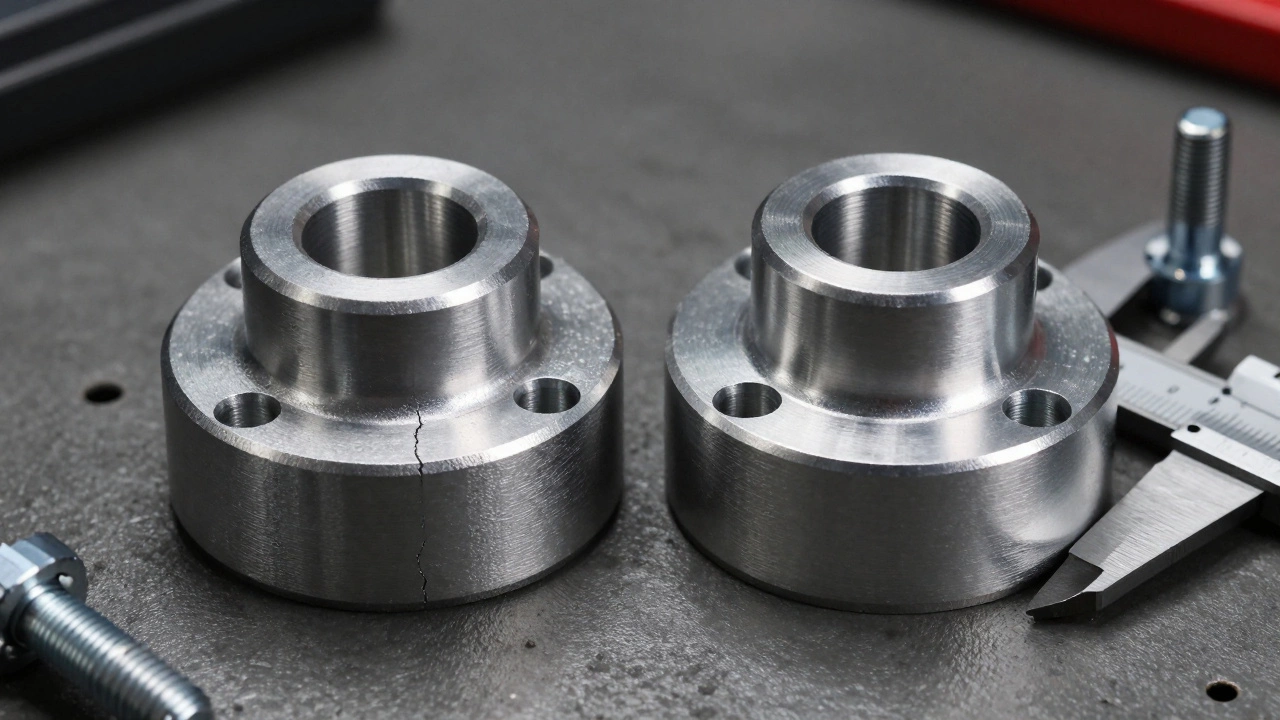
- Cast Aluminum: These are made by pouring molten metal into a mold. They are cheaper but often contain microscopic air pockets and impurities. Under high heat and constant vibration, these weak points can crack. Cast spacers are generally unsafe for highway driving.
- Machined Billet Aluminum: These are cut from a solid block of high-grade aluminum alloy (usually 6061-T6). There are no voids or inconsistencies. Billet spacers are incredibly strong and can handle significant loads. For high-speed safety, billet is the only acceptable choice.
If you buy spacers from a generic online marketplace without knowing the material, assume they are cast. Look for brands that specify "CNC machined" or "billet." The price difference is real, but so is the safety margin.
Hubcentric vs. Lugcentric: The Fitment Factor
How the wheel sits on the hub is critical for balance and stability. Most modern cars are designed to be hubcentric is a mounting method where the wheel centers itself on the raised hub of the car, not just the lug nuts.. This means the inner bore of the wheel matches the diameter of the hub perfectly.
When you add a spacer, you introduce a new surface. If the spacer is also hubcentric, it will center itself on your car’s hub, and the wheel will center on the spacer. This creates a stable, balanced assembly. However, if the spacer is lugcentric is a mounting method where the wheel relies solely on the lug nuts to stay centered, which can cause imbalance., the wheel may wobble slightly because it isn't perfectly centered on the hub. At low speeds, this might be unnoticeable. At 140 km/h, that slight wobble becomes a violent shake that can strip threads or damage bearings.
To ensure a hubcentric fit, many spacers come with hubcentric rings are precision-machined inserts that fill the gap between the wheel bore and the spacer hub to ensure perfect alignment.. Always check if your spacer includes these rings and verify that the inner bore of your wheel matches the outer diameter of the ring. A loose fit here is a recipe for disaster.
Bolt Length and Thread Engagement
One of the biggest mistakes people make is assuming their existing wheel bolts will work with spacers. Standard bolts are designed to engage a specific number of threads into the stud. When you add a 15mm or 20mm spacer, you reduce the amount of thread engagement.
As a general rule, you need at least 8-10 full threads engaged for safety. If your original bolts only have 5 threads engaged after adding the spacer, they are at risk of shearing off under torque or impact. You must measure your current bolts and purchase extended wheel studs are longer threaded rods that replace the factory studs to accommodate the added thickness of wheel spacers. or longer lug bolts.
Using the wrong length bolts doesn't just risk stripping threads; it can cause the bolt head to bottom out against the wheel before it's fully tightened. This means insufficient clamping force. Without enough clamp load, the friction that keeps the wheel attached during rotation is compromised. Always verify bolt length with a caliper before installation.
Suspension Geometry and Bearing Load
Adding width changes more than just the lever arm on the studs. It alters the track width of your vehicle. A wider track can improve cornering stability by lowering the center of gravity relative to the roll axis. However, it also places extra lateral load on the wheel bearings.
Your wheel bearings are rated for a certain amount of radial and axial load. By pushing the tire out, you increase the moment arm that transfers lateral G-forces into the bearing. Over time, especially with aggressive driving or heavy loads, this can accelerate bearing wear. You might notice premature play in the wheels or grinding noises sooner than expected.
If you plan to drive frequently at high speeds or carry heavy loads, consider upgrading to heavier-duty wheel bearings. This isn't always necessary for daily commuting, but it’s a smart precaution for performance applications. Regularly inspecting your bearings for play is essential when using spacers.
Installation Best Practices for Safety
Even the best spacers can fail if installed incorrectly. Follow these steps to ensure a safe setup:
- Clean Surfaces: Remove all rust, paint, and debris from the hub face and the mating surfaces of the spacer. Any imperfection can cause uneven seating and vibration.
- Hand Tighten First: Install the wheels by hand to ensure the threads are aligned correctly. Cross-threading can ruin the studs instantly.
- Torque to Spec: Use a calibrated torque wrench. Do not guess. Follow the manufacturer’s torque specifications for your wheel bolts. Over-tightening can stretch studs; under-tightening can lead to loosening.
- Re-torque After 50km: Metal components settle under load. Check the torque again after your first short drive. Then, check it monthly.
- Use Lock Nuts: Consider using locking wheel nuts on at least one wheel per side to prevent theft and add an extra layer of security against loosening.
| Check Item | Safe Practice | Risky Practice |
|---|---|---|
| Material | CNC Machined Billet Aluminum | Cast Aluminum or Steel |
| Centering | Hubcentric with Rings | Lugcentric Only |
| Bolt Length | Extended Studs/Bolts with >8 Threads Engaged | Stock Bolts with Minimal Engagement |
| Thickness | Under 25mm for Daily Driving | Over 30mm without Suspension Mods |
| Surface Prep | Clean, Deburred Hub Face | Rusty or Painted Surfaces |
Legal and Insurance Implications
In many regions, including Australia, modifying your vehicle’s dimensions can affect its registration status. While small spacers (under 15mm) are often tolerated, larger modifications may require certification. More importantly, insurance companies may deny claims if an accident is attributed to modified parts that were not declared or were deemed unsafe.
Always check local regulations regarding track width modifications. In some states, exceeding certain width limits requires a compliance plate update. Ignoring this can lead to fines or failed inspections. Keep receipts and documentation of the parts used, proving they meet industry standards.
Can I use wheel spacers on my truck?
Yes, but trucks carry heavier loads and experience higher stresses. You must use high-quality billet spacers rated for the Gross Vehicle Weight Rating (GVWR) of your truck. Ensure your wheel studs are upgraded to match the increased load capacity. Never use cheap spacers on a heavy-duty vehicle.
What is the maximum safe thickness for wheel spacers?
For daily driving, spacers up to 25mm are generally considered safe if properly installed. Beyond 25mm, the stress on wheel studs and bearings increases significantly. If you need more than 25mm, consider replacing the wheels with ones that have a different offset instead of using thick spacers.
Do wheel spacers void my warranty?
It depends. If a failure occurs directly related to the spacers (e.g., broken studs), the warranty claim will likely be denied. However, unrelated issues should still be covered. Always declare modifications to your insurer and dealer to avoid disputes later.
How do I know if my spacers are causing vibrations?
Vibrations at high speeds usually indicate poor centering or dirty mating surfaces. Remove the wheels, clean the hub and spacer faces thoroughly, and re-install with proper torque. If vibrations persist, check for bent spacers or incorrect hubcentric rings.
Are titanium wheel spacers better?
Titanium spacers are lighter and stronger than aluminum, making them ideal for high-performance racing applications. However, they are significantly more expensive. For most street drivers, high-grade billet aluminum offers sufficient strength and durability at a lower cost.