Car Detailing Kit Segment Finder
Select a customer profile below to see their buying motivations, price sensitivity, and ideal product recommendations.
The Enthusiast
Hobbyist & Collector
The Reseller
Private Seller / Investor
The Fleet Manager
Commercial / B2B
The New Driver
Student / First Car Owner
Eco-Conscious
Sustainability Focused
Price Sensitivity
Key Product Features
Marketing Tip
Click on a customer segment above to view detailed insights.
You’re stocking shelves with car detailing kits and bundles of cleaning products designed to restore vehicle surfaces, but who is actually walking through the door or clicking "Add to Cart"? It’s not just one type of person. The market for these kits is surprisingly fragmented, split between people who treat their cars like pets, people who treat them like investments, and people who just want to avoid a fine.
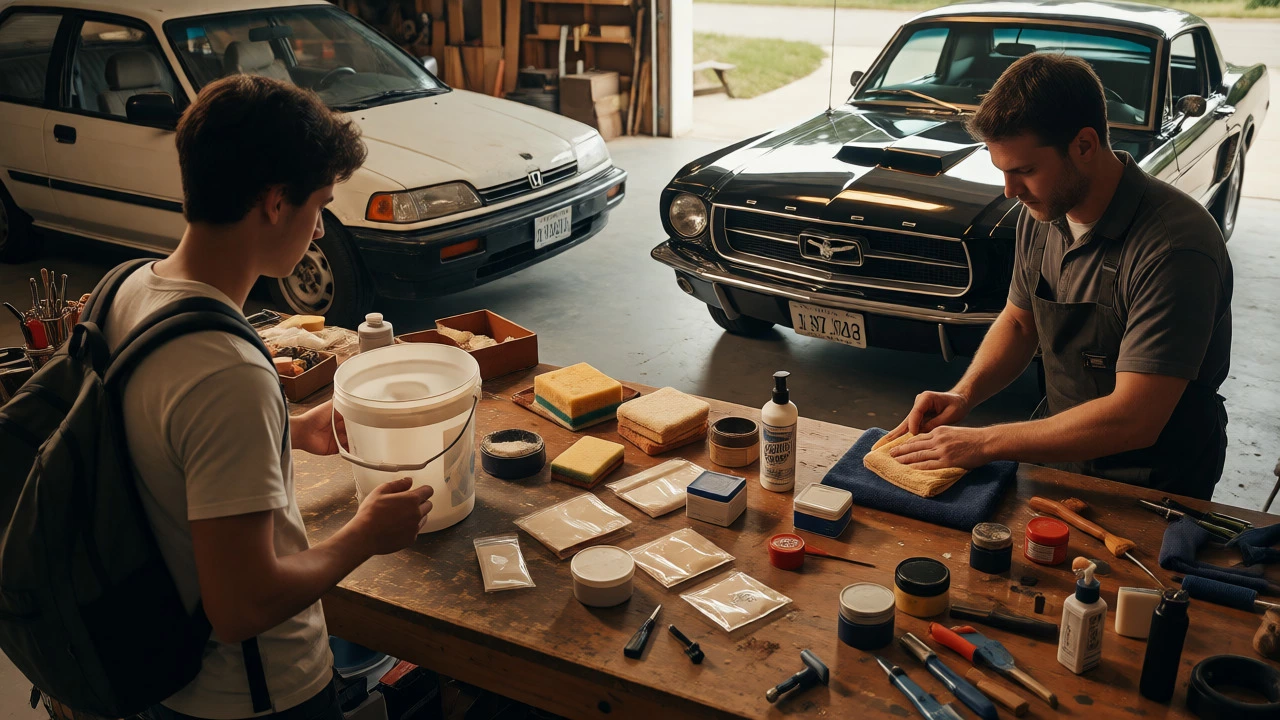
If you are trying to sell detailing supplies, understanding these distinct segments is the difference between moving inventory and gathering dust. A college student needs a $20 bucket kit that works on a ten-year-old Honda Civic. A classic car collector needs pH-neutral shampoos that won’t strip original wax from a 1967 Mustang. Selling the same pitch to both is a fast way to lose money.
The Enthusiast Segment: Passion Over Price
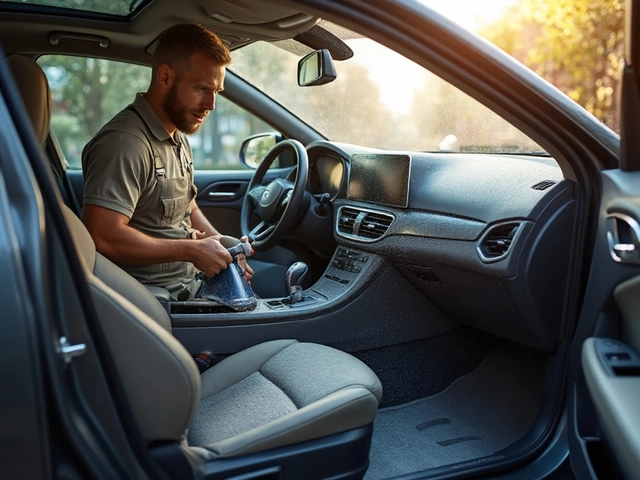
This group is the heartbeat of the detailing industry. They don’t just wash their cars; they enjoy the process. For them, detailing is a hobby, similar to woodworking or gardening. These buyers aren’t looking for the cheapest option-they are looking for quality, specific tools, and results they can brag about online.
Enthusiasts often own multiple vehicles: a daily driver, a weekend project, or a show car. They research products extensively. They watch YouTube tutorials before buying a clay bar kit. If your product claims to remove swirl marks, it better deliver visible results, because this audience has high expectations. They are willing to pay a premium for microfiber towels that don’t shed or waxes that last six months instead of two weeks.
To win this segment, focus on education and performance. Your marketing should speak their language-terms like "gloss enhancement," "hydrophobic properties," and "safe wash method." They value brands that offer transparency about ingredients. If you’re selling a ceramic coating kit, include clear instructions and support, because they will follow every step meticulously.
The Resale Value Optimizer: The Practical Investor
Not everyone loves getting their hands dirty. Many buyers purchase detailing kits for purely financial reasons. They know that a clean car sells faster and for more money. According to general automotive resale trends, a professionally detailed interior and exterior can add hundreds or even thousands of dollars to the final sale price of a used vehicle.
This segment includes private sellers preparing to list a car on platforms like Facebook Marketplace or Craigslist. They need efficiency. They don’t want a twelve-step process. They want a "shine in thirty minutes" solution. Their ideal kit includes an all-in-one cleaner/wax, a tire shine spray, and a decent vacuum attachment. They prioritize speed and dramatic visual impact over long-term protection.
When targeting this group, emphasize return on investment. Use phrases like "boost your asking price" or "sell faster." Bundle products that cover the most visible areas: wheels, paint, and glass. Avoid complex chemicals that require curing times or specialized equipment. This buyer wants a quick fix that looks professional without requiring a degree in chemistry.
The Fleet Manager: Volume and Consistency
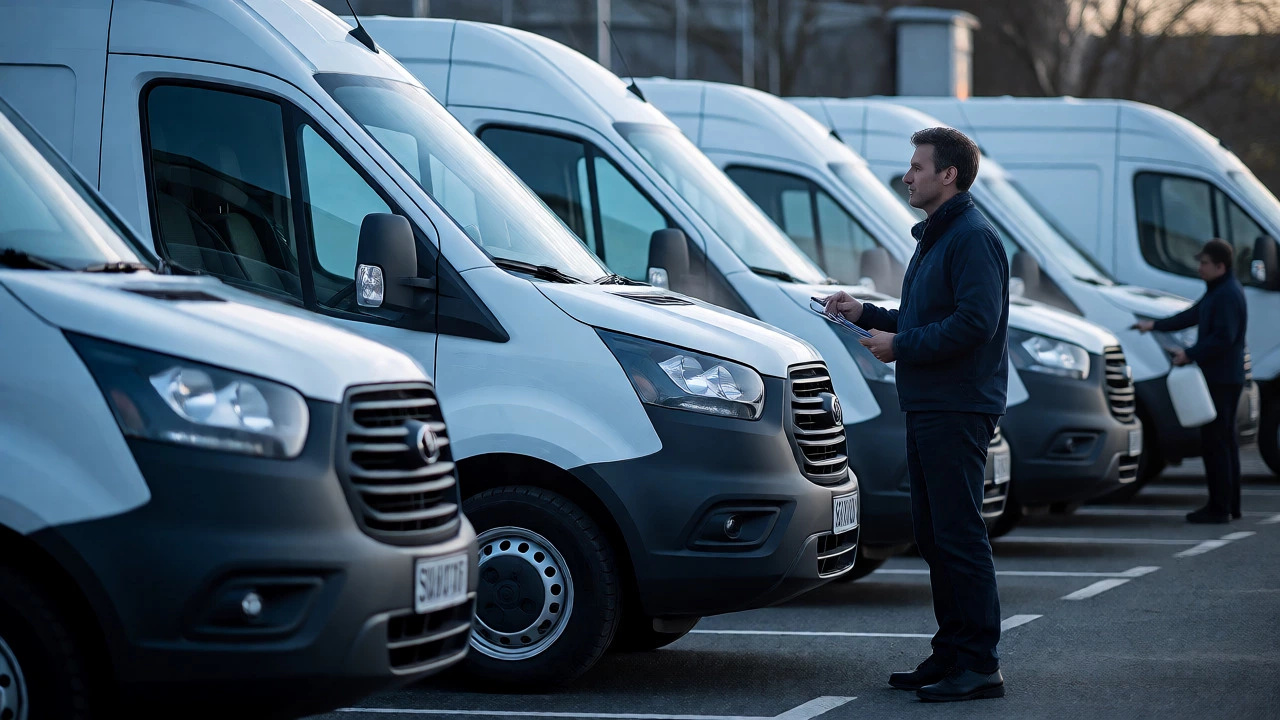
B2B sales represent a massive, often overlooked chunk of the detailing kit market. Small fleet owners-think local plumbers, electricians, or delivery services-need their vehicles to look presentable. A dirty van with mud-caked tires doesn’t inspire confidence in a homeowner hiring a contractor.
Fleet managers buy differently than individuals. They care about unit cost, bulk availability, and ease of use for employees who may not be detailers by trade. They need durable, simple solutions. A spray-and-rinse shampoo or a waterless wash kit is popular here because it requires minimal setup time. They also prefer products that are safe for various paint types and don’t require rinsing hoses everywhere.
For this audience, packaging matters less than utility. Offer larger containers, multipacks, or subscription models. Highlight durability and consistency. If your product fails once, the employee might skip it next week. Reliability is key. You’re not selling luxury; you’re selling brand image maintenance at scale.
| Segment | Primary Motivation | Price Sensitivity | Key Product Features |
|---|---|---|---|
| Enthusiast | Hobby & Pride | Low (Willing to pay for quality) | High-end waxes, precision tools, educational content |
| Reseller | Profit & Speed | Medium (ROI focused) | All-in-one cleaners, quick-dry sprays, visual impact |
| Fleet Owner | Brand Image & Efficiency | High (Bulk pricing matters) | Bulk sizes, easy application, no-rinse options |
| New Driver | Maintenance & Learning | High (Budget constrained) | Basic starter kits, simple instructions, affordable |
The New Driver: Building Habits Early
Every year, millions of young drivers get their first car. Whether it’s a hand-me-down sedan or a new compact SUV, these owners are learning how to maintain their vehicles. They are often overwhelmed by the options available. Do they need wax? What’s a sealant? Why does their dashboard feel sticky?
This segment buys small, affordable starter kits. They aren’t looking for professional-grade compounds. They need basic soap, a sponge, and maybe a simple interior wipe. Price is the primary driver here. If a kit costs more than $50, it’s likely out of reach for a teenager or recent grad. However, if you capture them early, you build lifelong brand loyalty.
Make your entry-level kits intuitive. Include QR codes linking to short, friendly video guides. Avoid intimidating jargon. Frame the product as a way to keep their new ride looking new, rather than a technical maintenance task. Bundling a phone mount or air freshener with a basic wash kit can also appeal to this demographic’s desire for personalization.
The Eco-Conscious Consumer: Sustainability Matters
A growing niche within the broader market focuses on environmental impact. These buyers scrutinize ingredient lists. They avoid phosphates, harsh solvents, and single-use plastics. They prefer biodegradable soaps, concentrated formulas to reduce shipping weight, and reusable applicators made from sustainable materials.
This isn’t just a trend; it’s a shifting consumer preference. In regions with strict water usage laws, waterless wash kits are particularly popular among eco-conscious urban dwellers. They want to clean their cars without sending gallons of runoff into storm drains.
To attract this group, highlight certifications. Look for labels like "biodegradable," "non-toxic," or "recyclable packaging." Transparency is crucial. Provide full ingredient disclosures. If your kit uses recycled plastic bottles, say so loudly. This audience will pay a slight premium for peace of mind, but they will punish greenwashing severely.
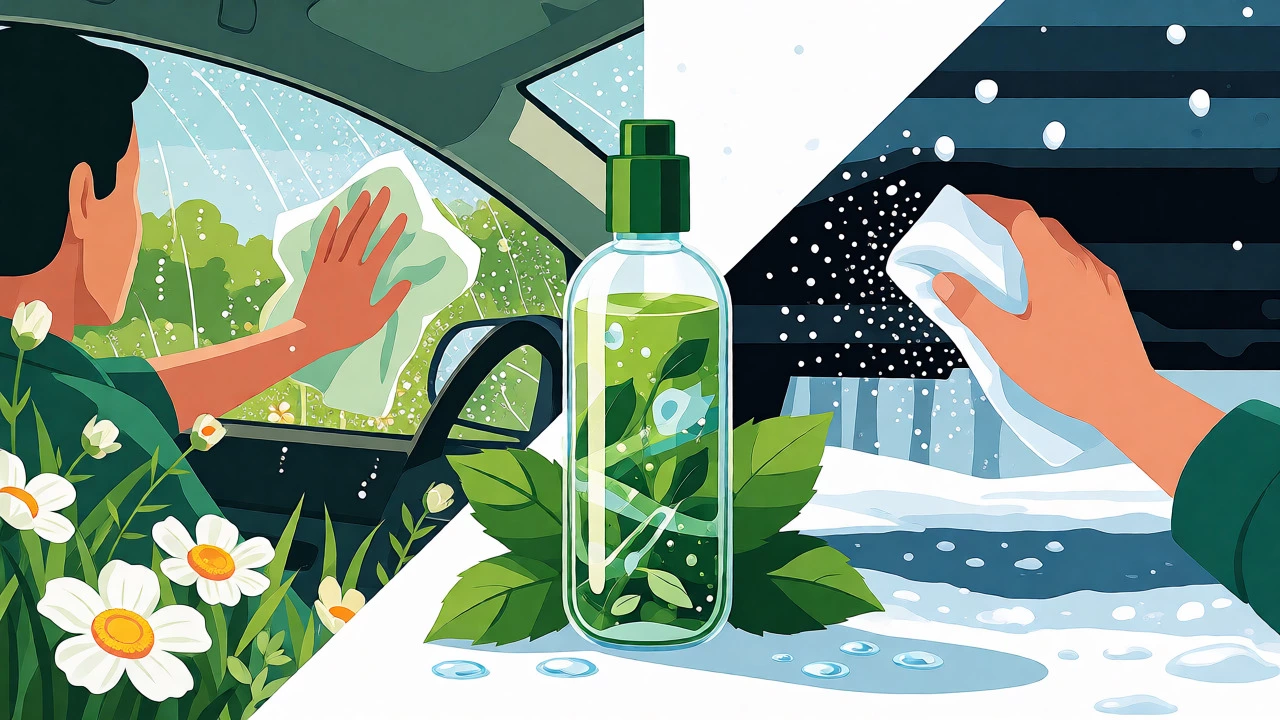
Navigating the Seasonal Shifts
Demand for detailing kits fluctuates wildly throughout the year. Knowing when each segment buys helps you tailor your promotions. Spring brings a surge in demand from pollen-allergic drivers and those prepping for road trips. Summer sees increased activity from enthusiasts wanting deep gloss for shows. Fall is prime time for resellers preparing for holiday sales.
Winter drives interest in protective coatings and salt-removal products. In snowy regions, undercarriage cleaners become best-sellers. Understanding these cycles allows you to stock the right kits at the right time. Don’t try to sell heavy wax kits in July when people are too hot to work outside. Sell quick-shine sprays then. Save the labor-intensive projects for cooler months.
Regional differences also play a huge role. Coastal areas deal with salt air corrosion, driving demand for protective sealants. Desert regions battle dust and sun damage, boosting sales of UV protectants and dust-removal tools. Tailor your inventory to local climate challenges to stay relevant.
Building Loyalty Through Education
Regardless of the segment, one thing unites successful detailing businesses: trust. Customers are skeptical of snake-oil promises. They’ve been burned by products that promised "mirror finish" and delivered streaks. Providing genuine expertise builds authority.
Create content that solves problems, not just sells products. Answer questions like "How do I remove tar?" or "Can I use dish soap?" When customers feel confident using your kit, they return. Encourage reviews with photos. User-generated content serves as social proof, showing real-world results that resonate with potential buyers.
Consider offering tiered subscriptions. Basic subscribers get consumables like soap and wipes. Premium subscribers get specialty items like iron removers or leather conditioners. This keeps revenue recurring and ensures customers always have what they need when they decide to wash their car.
What is the most profitable customer segment for detailing kits?
The enthusiast segment typically offers the highest margins per transaction because they buy multiple specialized products and premium brands. However, the fleet/B2B segment offers higher volume and consistent repeat orders, which can lead to greater total revenue stability.
Do eco-friendly detailing kits sell well?
Yes, especially in urban areas and coastal regions where environmental regulations are stricter. Consumers are increasingly aware of chemical runoff and prefer biodegradable, non-toxic options, even if they cost slightly more.
Should I create separate kits for different car types?
Yes. Differentiate between basic maintenance kits for daily drivers and advanced kits for painted or wrapped vehicles. Also consider separate lines for matte finishes, which require specific pH-neutral cleaners, versus standard glossy paints.
How important is branding for detailing kits?
Branding is critical for enthusiasts who shop by reputation, but less so for fleet managers who prioritize price and bulk availability. For retail consumers, strong branding signals quality and reduces perceived risk in purchasing expensive chemicals.
What is the average price point for a complete detailing kit?
Starter kits range from $20 to $40. Mid-range comprehensive kits typically cost $50 to $80. Professional-grade bundles with ceramic coatings or specialized tools can exceed $150. Pricing should align with the target segment's willingness to pay.