Carbon Fiber Cost-Benefit Calculator
Is Carbon Fiber Right for Your Car?
Calculate real-world costs based on your driving habits
Carbon fiber looks amazing. It’s sleek, lightweight, and screams performance-especially on a spoiler. But if you’ve ever bought one, or are thinking about it, you’ve probably heard the hype. What you don’t hear as often are the downsides. And those downsides? They can cost you more than just money.
It’s expensive-even for a cheap-looking part
Carbon fiber spoilers don’t come cheap. A basic aftermarket unit can run $300-$800. But here’s the catch: what you’re paying for isn’t just the material. It’s the labor. Real carbon fiber requires hand-laying fibers, vacuum bagging, and curing in an oven. Most cheap ones you see on eBay or Amazon aren’t even real carbon fiber-they’re fiberglass painted to look like it. That’s why they crack so easily and look dull under sunlight.
True carbon fiber parts from reputable brands like APR, Seibon, or Carbon Creations cost $1,200 and up. And even then, you’re not getting a lifetime guarantee. The price tag doesn’t mean better performance. It just means you’re paying for the process, not the power.
It’s brittle-not tough
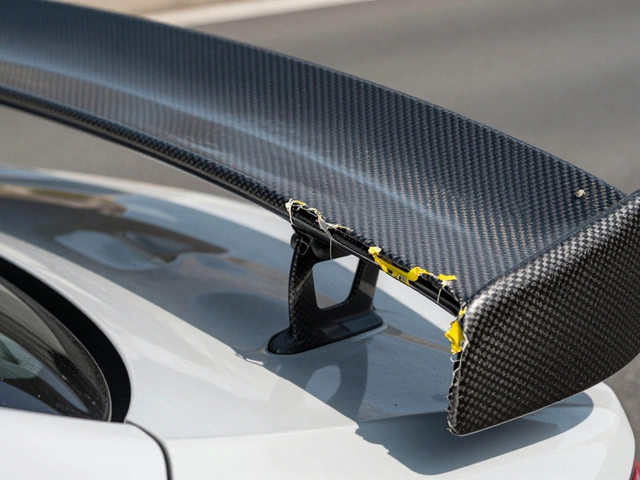
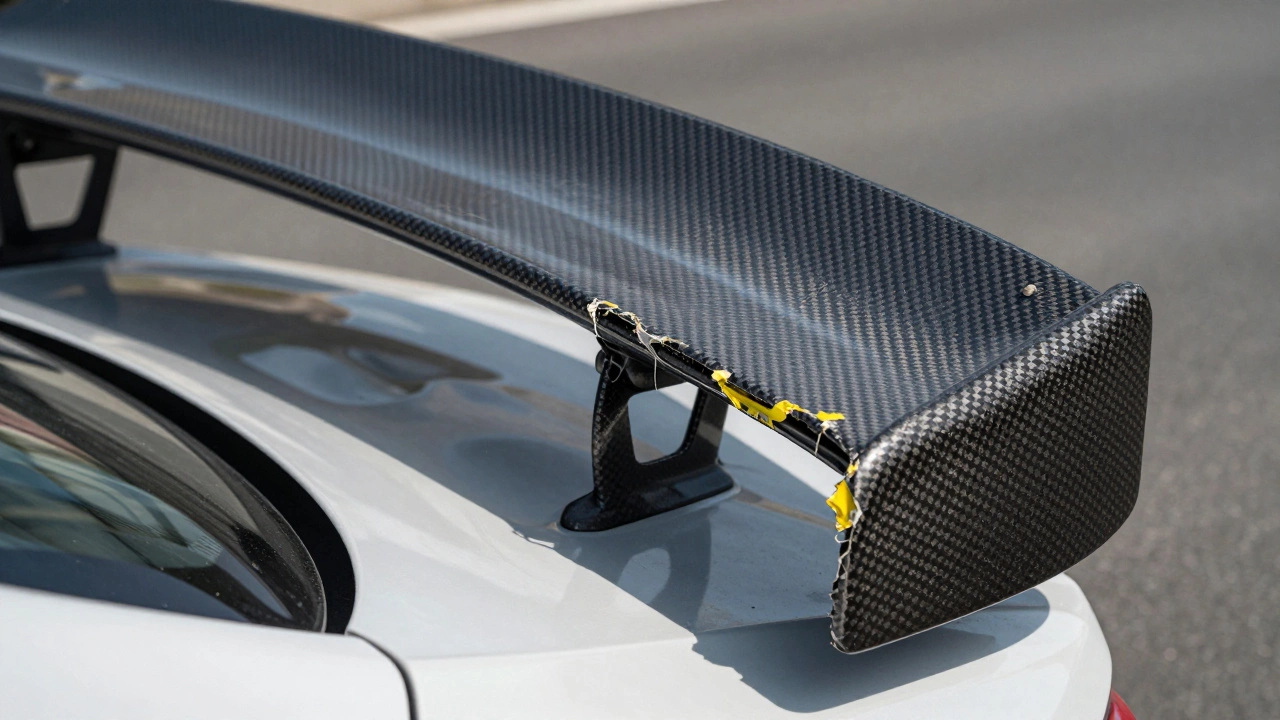
Carbon fiber is strong under tension, but it doesn’t handle impact well. Hit a speed bump too hard? Park too close to a curb? A small rock flying up from the road? All it takes is one sharp hit to cause a delamination-or worse, a full crack. Unlike steel or even fiberglass, carbon fiber doesn’t bend. It snaps.
One owner in Ohio reported his $900 carbon fiber rear spoiler cracked after hitting a pothole at 35 mph. The crack ran along the edge where the mounting brackets met the main body. Repair? Not possible without replacing the whole piece. Fiberglass? You could’ve filled and sanded it. Carbon fiber? Throw it out.
UV damage turns it yellow and dull
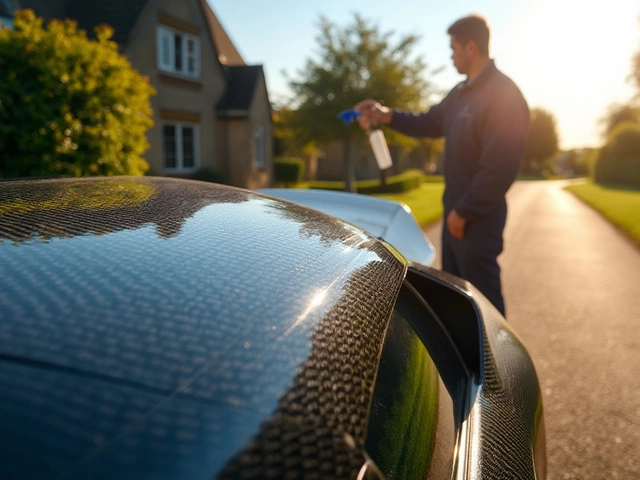
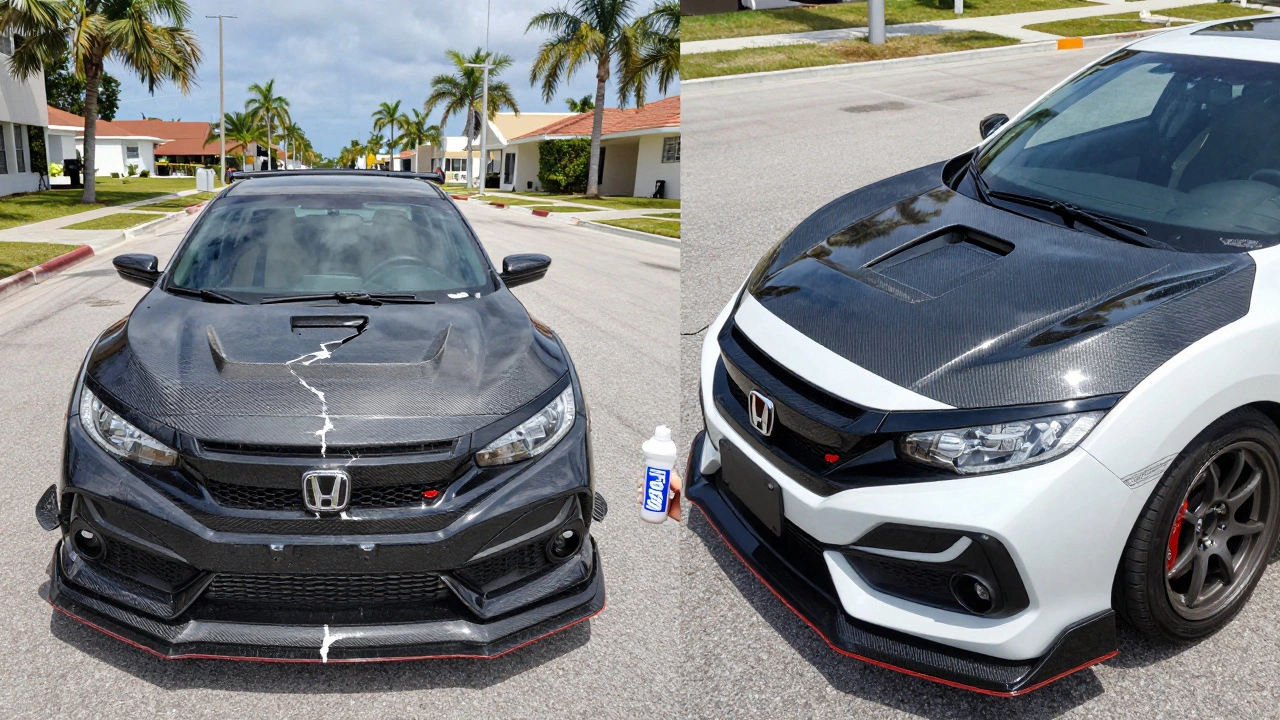
Carbon fiber doesn’t fade like paint. It degrades. The resin that holds the fibers together breaks down under UV light. After two or three years of sun exposure, even the best-looking carbon fiber spoiler starts to look like old plastic. It loses its glossy finish, turns yellowish, and feels rough to the touch.
Most aftermarket parts come with a clear coat, but that coating isn’t automotive-grade. It’s thin, meant to look good on a showroom floor, not survive five years of Florida sun. High-end manufacturers use automotive-grade urethane, but even then, it needs annual waxing or ceramic coating to stay protected. Skip that maintenance? You’ll be looking at a faded, ugly spoiler in under two years.
Repair is nearly impossible
Forget about fixing a cracked carbon fiber spoiler with epoxy or filler. The fibers don’t bond like metal or plastic. Once they’re broken, the structural integrity is gone. Even professional repair shops will tell you: if it’s cracked, replace it.
Some shops offer carbon fiber patching using heat-cured prepreg, but it costs $400-$700-almost as much as a new part. And the color match? Nearly impossible. The weave pattern won’t line up. The finish won’t blend. You’ll end up with a visible patch that looks worse than the original crack.
That’s why many owners just leave the damaged part on. It’s cheaper than replacing it. And honestly? Most people won’t notice unless they’re looking for it.
It’s heavier than you think
Carbon fiber is lighter than steel-yes. But not always lighter than fiberglass. And not if it’s poorly made.
Many cheap carbon fiber spoilers use thick resin layers to hide poor fiber alignment. That adds weight. Some aftermarket parts weigh 15-20% more than the factory plastic spoiler they replace. That’s not a performance upgrade. That’s a downgrade.
Real carbon fiber parts are engineered with precise fiber orientation and minimal resin. But those are expensive. Most people buy the cheaper version-and end up with a spoiler that’s heavier than the original, doesn’t improve downforce, and adds stress to the trunk hinge.
It doesn’t improve aerodynamics-unless it’s designed right
Just slapping a carbon fiber spoiler on your car doesn’t make it faster. Aerodynamics isn’t about looks. It’s about angles, height, width, and airflow.
Most aftermarket carbon fiber spoilers are designed for style, not function. They’re copied from race cars that have full aerodynamic packages-front splitters, diffusers, side skirts. Your Honda Civic with one spoiler? It’s just adding drag.
Studies from the Society of Automotive Engineers show that improperly sized spoilers can increase lift at highway speeds. That means less traction, especially in wet conditions. If you’re not running a full aero kit, a carbon fiber spoiler might actually hurt your handling-not help it.
It’s a magnet for theft
Carbon fiber parts are stolen. Not because they’re valuable to the thief-but because they’re valuable to someone else. Online marketplaces are flooded with stolen carbon fiber spoilers, hoods, and roof racks. They’re easy to remove, hard to trace, and sell fast.
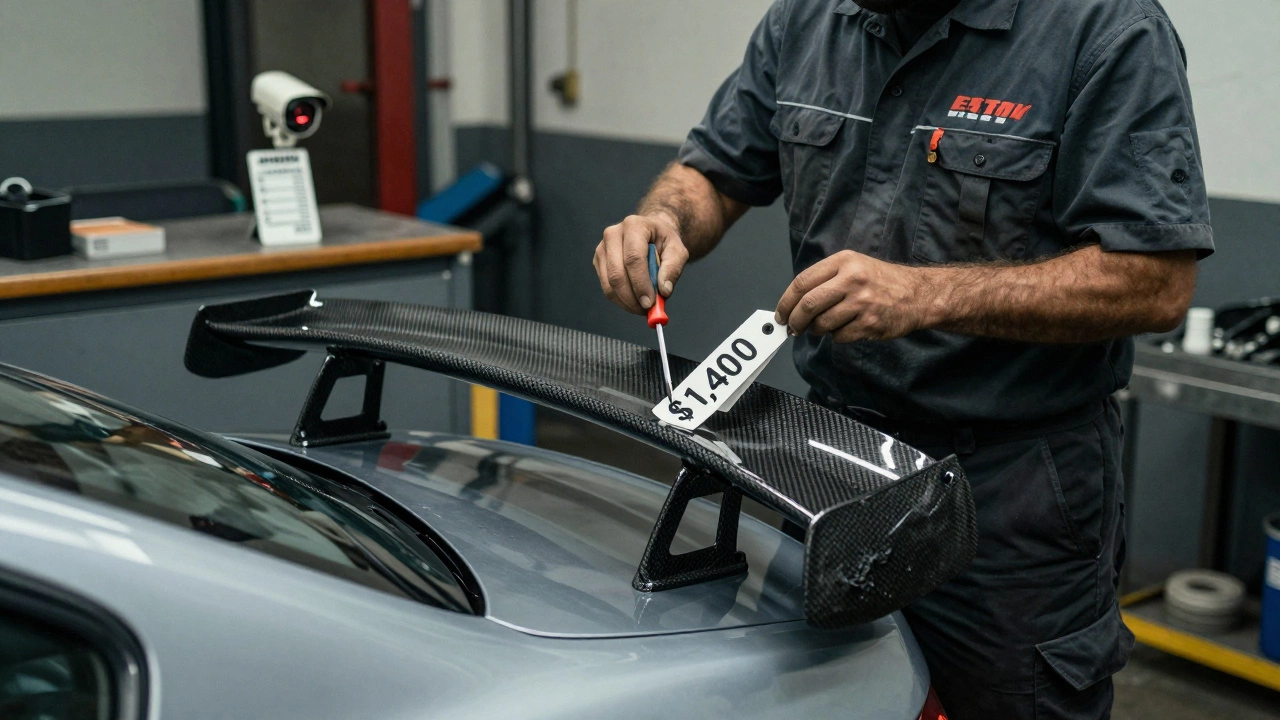
One owner in Texas had his $1,400 carbon fiber spoiler ripped off his BMW M3 while parked at a gas station. The thief used a screwdriver and took less than five minutes. Insurance covered it-but only after a long claim process and a $1,000 deductible.
There’s no way to mark carbon fiber like you can with VIN etching on glass. No serial numbers. No tracking chips. Once it’s gone, it’s gone.
It’s not for daily drivers
If you drive your car every day, in rain, snow, or on rough roads, carbon fiber is a bad choice. It’s not durable enough. It’s too fragile. Too expensive to replace. Too hard to fix.
Carbon fiber makes sense for track cars, show cars, or weekend toys. Not for commuting, road trips, or winter driving. The maintenance, the risk, the cost-it all adds up. And if you’re not willing to baby it, you’re just throwing money away.
What should you do instead?
If you want the look of carbon fiber without the headaches, go for painted fiberglass or ABS plastic. High-quality painted parts from companies like Vossen or Racer-X look nearly identical from 10 feet away. They’re cheaper. They’re repairable. They won’t shatter on a pothole.
Or, if you’re serious about performance, skip the spoiler entirely. Install a properly designed rear diffuser and front splitter. Those actually reduce lift and improve stability. They’re not flashy, but they work.
Carbon fiber isn’t magic. It’s a material with real trade-offs. And if you’re buying it just because it looks cool, you’re buying a liability.
Is carbon fiber stronger than steel?
In tension, yes-carbon fiber is five times stronger than steel by weight. But strength isn’t everything. Carbon fiber is brittle and fails suddenly under impact. Steel bends before breaking. That makes steel far safer for everyday use, especially on parts that might hit curbs or debris.
Can you paint over carbon fiber?
Yes, but only if you properly prep it. You need to sand the clear coat, apply primer, then paint. Skipping prep causes peeling. Also, painting hides the weave-which defeats the whole point of using carbon fiber. Most people who paint it end up regretting it.
Do carbon fiber spoilers improve fuel economy?
No. Unless the spoiler is aerodynamically engineered for your exact car, it won’t improve fuel economy. In fact, most aftermarket spoilers add drag, which reduces fuel efficiency by 1-3%. The weight also plays a role. A heavier spoiler means more energy needed to move the car.
Why do carbon fiber parts crack so easily?
Carbon fiber fibers are strong in one direction, but the resin holding them together is not. When force hits at an angle, the resin cracks, and the fibers separate. Cheap parts use too much resin or poor weave patterns, making them even more brittle. Heat cycling from sun exposure also weakens the bond over time.
Is real carbon fiber worth the extra cost?
Only if you’re using it on a track car or show vehicle where appearance and weight matter more than durability. For daily drivers, no. The cost of replacement, the risk of damage, and the maintenance required make it a poor investment. You’re paying for prestige, not performance.