Lotus Seven Kit Car Cost Estimator
The article notes that while kits start around $15,000, hidden costs can push totals to $40,000+. Use this tool to estimate your specific build budget in AUD.
Estimated Total Cost
Breakdown by Category
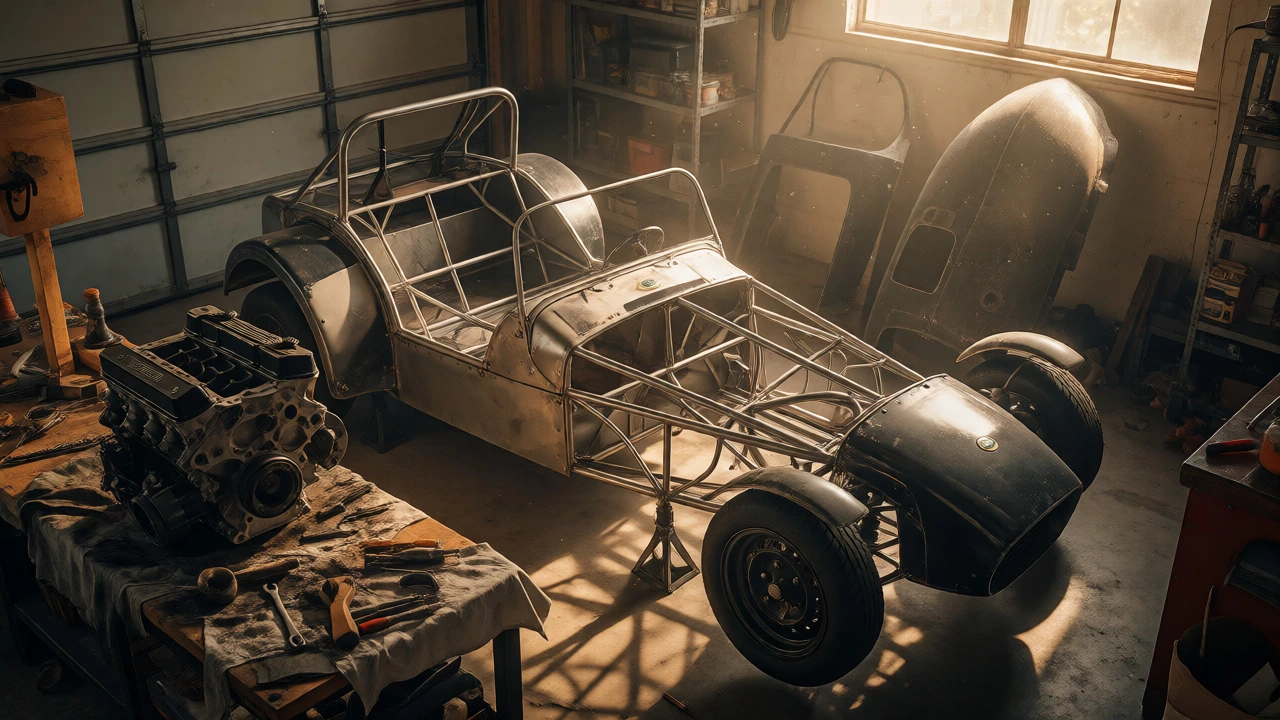
You’re standing in a garage in Melbourne, staring at a pile of fiberglass panels, a roll cage, and an engine block that looks like it came from a Ford Escort. It’s not just junk; it’s a kit car. For decades, enthusiasts have debated which kit car holds the crown for fame. Is it the quirky Reliant Scimitar? The wedge-shaped TVR Grantura? Or perhaps something more modern? If you ask anyone with grease under their fingernails, there is only one answer that consistently tops the list: the Lotus Seven.
This isn’t just about nostalgia. The Lotus Seven changed how we think about building our own cars. It proved that simplicity could beat complexity every single time. Today, when people search for "the most famous kit car," they aren't just looking for trivia. They want to understand why this specific design has survived over sixty years of changing regulations, tastes, and technologies. Let’s break down exactly what makes the Seven the king of the road, and why its legacy still dominates the body kit industry.
Why the Lotus Seven Earned Its Crown
To understand the fame, you have to look at the origin story. Colin Chapman, the founder of Lotus Cars, was obsessed with one thing: weight. His mantra, "Simplify, then add lightness," wasn’t just a slogan; it was engineering gospel. Introduced in 1957, the Lotus Seven stripped away everything unnecessary. No doors. No roof. No windscreen (in the early versions). Just a tubular steel spaceframe chassis, a lightweight aluminum or fiberglass body, and a small engine.
When Lotus stopped producing the Seven in 1973, they didn’t kill the dream. Instead, they sold the rights to the design to Caterham Cars. This move created the first true mass-market kit car phenomenon. Suddenly, you didn’t need a factory assembly line to drive a Lotus. You needed a garage, some patience, and a weekend schedule. The accessibility factor is huge here. Unlike exotic supercars that cost six figures, a basic Seven kit could be assembled for a fraction of the price, offering performance that embarrassed cars costing ten times as much.
The cultural impact cemented its status. The Seven became synonymous with raw driving pleasure. It appeared in countless films, TV shows, and racing circuits. But beyond pop culture, it established a template. Every minimalist sports car since-think Ariel Atom or KTM X-Bow-owes a debt to the Seven. It defined the category of "lightweight sports car" long before those terms were marketing buzzwords.
Anatomy of a Legend: What Makes a Kit Car?
Before we dive deeper into the Seven, let’s clarify what we mean by "kit car." A kit car is a vehicle that comes as a set of parts, usually including a chassis, body panels, and sometimes mechanical components, which the buyer assembles themselves. This differs from a body kit, which modifies an existing production car.
| Feature | Lotus Seven (Kit Car) | Typical Body Kit |
|---|---|---|
| Base Vehicle | None (Built from scratch) | Existing Production Car |
| Assembly Level | High (Chassis + Engine + Body) | Low (Bolt-on Panels) |
| Cost Range | $15,000 - $40,000+ | $500 - $3,000 |
| Regulatory Status | Often requires individual certification | Usually plug-and-play |
The distinction matters because the "fame" of the Seven isn’t just about looks. It’s about the ownership experience. Building a Seven forces you to learn about suspension geometry, wiring harnesses, and brake lines. You know your car inside out because you put it together. This emotional connection creates a loyal community that body kit owners rarely match. When you bolt on a front splitter to your Honda Civic, you haven’t built the car. You’ve decorated it. With a Seven, you are the manufacturer.
The Caterham Effect: Keeping the Flame Alive
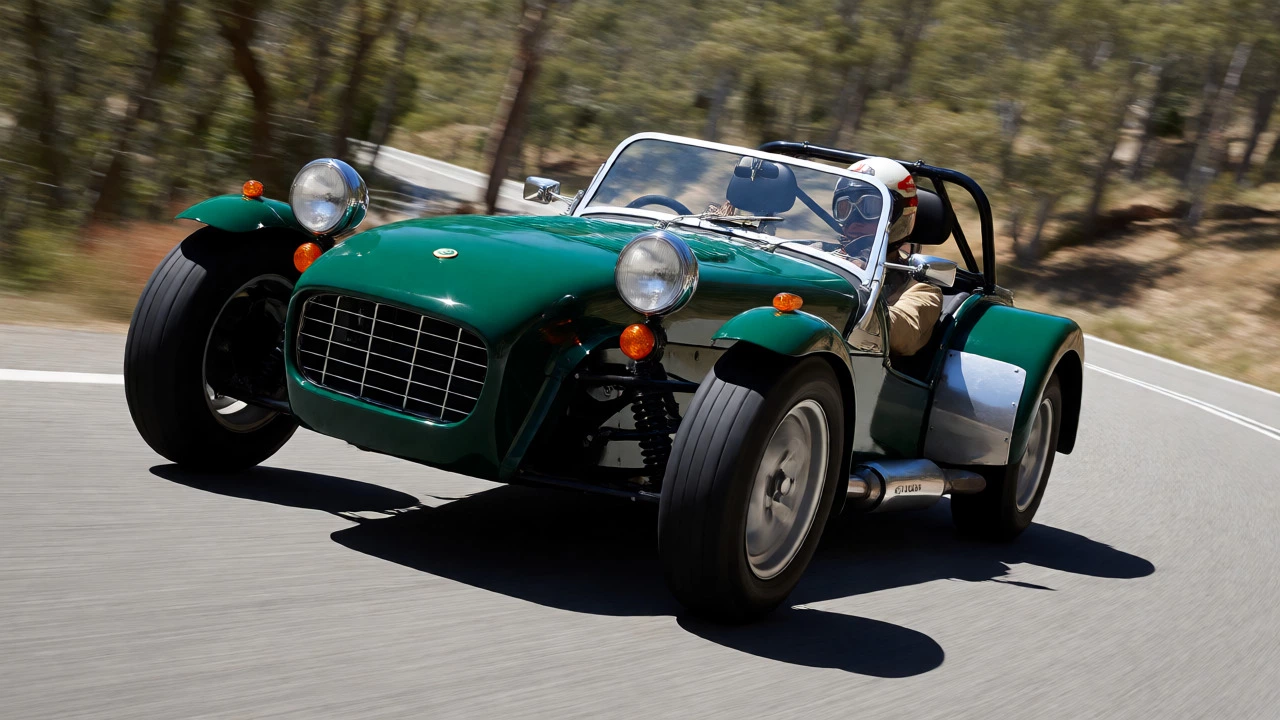
If Lotus killed the Seven, who kept it alive? Caterham. Since acquiring the rights in 1973, Caterham has produced thousands of Sevens. They evolved the design while keeping the spirit intact. Early models used Ford Crossflow engines. Later ones moved to Yamaha powerplants, and today, many use Suzuki or even electric drivetrains.
Caterham’s success lies in consistency. They never tried to turn the Seven into a luxury GT. They kept it spartan. Even the latest models feature minimal sound deadening and basic instrumentation. This purity appeals to purists who feel modern cars are too heavy and disconnected. In Australia, where winding roads abound, the Seven shines. The lack of electronic driver aids means you feel every bump, every slide, and every acceleration point directly through the seat of your pants.
Other manufacturers followed suit. Companies like Westfield, Donkervoort, and Locost produced variations of the Seven theme. Some offered better weather protection with folding hardtops. Others focused on track performance with wider tracks and bigger brakes. Yet, none displaced the original. The brand recognition of "Seven" remains unmatched. When someone sees a open-top, two-seater with round headlights and exposed wheels, they don’t say, "That looks like a Locost." They say, "Is that a Lotus?" That mental shortcut is the ultimate measure of fame.
Beyond the Seven: Other Contenders for the Title
While the Seven wears the crown, it doesn’t rule alone. Several other kit cars have achieved significant fame, often carving out niches that the Seven couldn’t fill.
- The AC Cobra Replica: The Shelby Cobra is arguably the most iconic American muscle car. Because genuine Cobras are rare and expensive, kit versions flooded the market. Brands like Factory Five Racing allow builders to assemble near-perfect replicas. The fame here stems from the original’s racing pedigree, but the kits democratized access to that legend.
- The Exocet: Inspired by the Lotus Elan, the Exocet offers a more refined, enclosed cockpit experience. It appeals to those who want the Lotus handling without the exposure to the elements. It’s popular in colder climates where the open-top Seven becomes impractical.
- The Morgan Three-Wheeler: While often sold fully assembled, the Morgan has a DIY history. Its unique three-wheel configuration and vintage aesthetic make it instantly recognizable. It represents the eccentric side of British motoring, contrasting sharply with the utilitarian Seven.
These contenders highlight different aspects of kit car culture. The Cobra replica focuses on power and presence. The Exocet prioritizes comfort and precision. The Morgan celebrates quirkiness. But the Seven balances all these traits. It’s fast enough to thrill, simple enough to fix, and stylish enough to show off. That balance is why it remains the default answer when asking about the most famous kit car.
Building Your Own Piece of History
So, should you build a Seven? It depends on what you value. If you want a turnkey solution with warranty support, buy a new Caterham. They offer factory-built options now, bridging the gap between kit and finished product. But if you crave the satisfaction of construction, sourcing a kit from a specialist supplier is rewarding.
Here’s a quick checklist for aspiring builders:
- Source Quality Parts: Not all kits are equal. Look for suppliers with good reputations for chassis accuracy. Poor alignment leads to endless headaches.
- Plan for Hidden Costs: The kit price is just the start. Budget for paint, upholstery, tires, and registration fees. In Australia, compliance can be tricky, so check local state regulations early.
- Don’t Skimp on Safety: Ensure the roll cage meets current standards. Harnesses and fire extinguishers are mandatory for track days, but recommended for street use too.
- Join the Community: Online forums and local clubs provide invaluable advice. Troubleshooting electrical gremlins is easier when hundreds of others have faced the same issue.
The process takes months, sometimes years. It tests your patience. But the moment you fire up the engine for the first time, hearing that distinct exhaust note echo off the garage walls, you’ll understand the obsession. You haven’t just bought a car. You’ve earned it.
The Future of the Classic Design
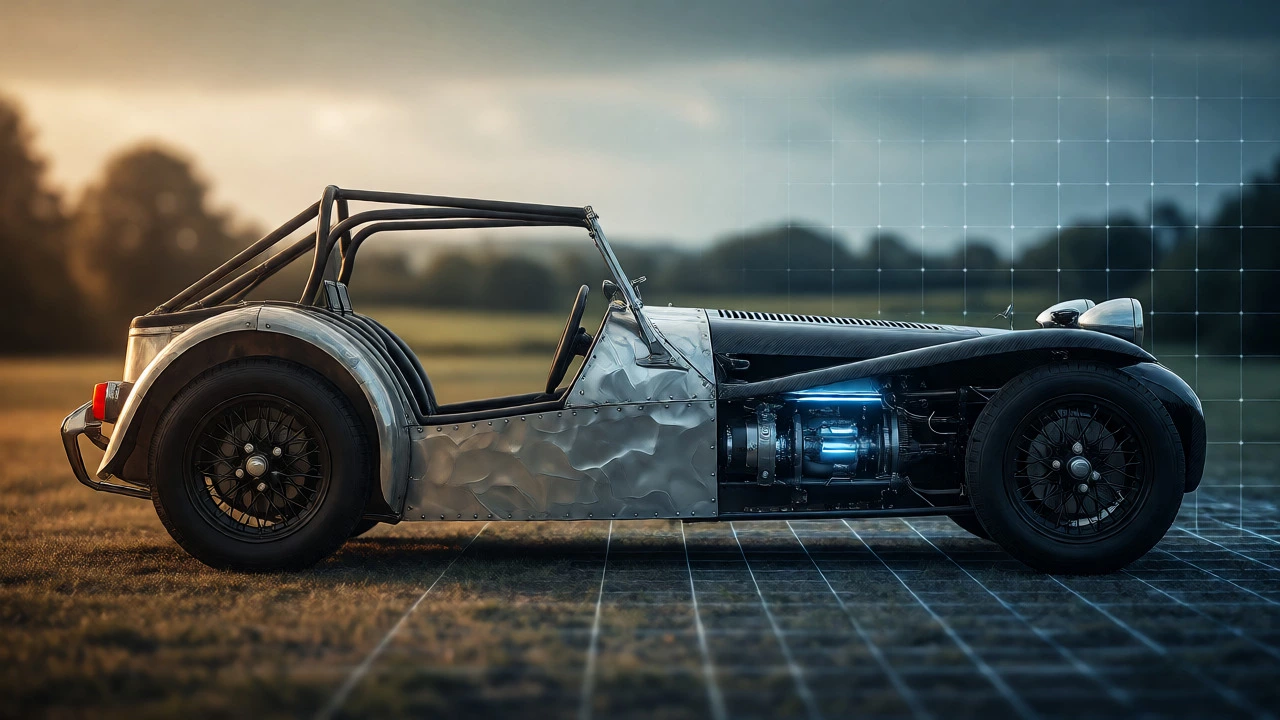
Some might argue that the era of the traditional kit car is fading. Emissions regulations, safety standards, and insurance complexities make it harder to register home-built vehicles. Electric conversions are breathing new life into old chassis, though. Imagine a silent, torque-rich electric motor powering a lightweight Seven frame. The instant throttle response would transform the driving dynamics entirely.
Moreover, digital fabrication techniques like 3D printing are making custom body panels cheaper and faster to produce. We might see a resurgence of bespoke kit cars tailored to individual preferences, moving away from mass-produced molds toward personalized designs. Yet, the core appeal remains unchanged. People want to connect with their machines. They want to understand how things work. The Lotus Seven, whether built in 1960 or 2026, fulfills that desire perfectly.
Fame isn’t static. It evolves. The Seven’s fame endures because it adapts. It started as a budget racer. It became a lifestyle statement. Now, it stands as a heritage icon. As long as there are drivers who prefer feeling the road rather than being insulated from it, the Seven will remain the most famous kit car in the world.
Is the Lotus Seven still available as a kit?
Yes, although Caterham primarily sells completed cars, various third-party manufacturers still produce kits based on the Lotus Seven design. Companies like Superformance or specialized Australian fabricators often offer chassis-only or full kits, allowing enthusiasts to build their own versions using modern components.
How much does it cost to build a Lotus Seven kit car?
Costs vary widely depending on the source of parts and level of finish. A basic kit might cost $10,000-$15,000 AUD, but adding a reliable engine, transmission, interior, paint, and registration can push the total to $25,000-$40,000 AUD. High-end builds with premium materials exceed $50,000.
Are kit cars legal to drive on public roads?
In most countries, including Australia and the UK, yes, provided they meet safety and emissions standards. However, the process involves individual vehicle inspection and certification, which can be rigorous. Always check with your local transport authority before starting a build to ensure compliance.
What engine is typically used in a Seven kit car?
Historically, Ford Crossflow and Kent engines were standard. Modern builds often use Yamaha motorcycle engines, Suzuki Hayabusa units, or even Mazda rotary engines. Some builders opt for Toyota Corolla engines for reliability and parts availability. The choice depends on desired power output and maintenance preference.
Why is the Lotus Seven considered the most famous kit car?
Its fame stems from a combination of historical significance, widespread adoption, cultural visibility, and enduring performance reputation. Designed by Colin Chapman, it pioneered the lightweight sports car concept. Decades of continuous production by Caterham and numerous imitators have kept it in the public consciousness, making it the archetype of the kit car genre.