Back Box Delete Legality Checker
Estimate your risk before you cut. Select your region and input your estimated noise level.
Risk Assessment
Calculating...Inspector Checklist
You just spent good money on a high-flow cat-back system or maybe you're thinking about ripping out the rear resonator to get that aggressive tone. But then the panic sets in: is back box delete legal? It’s a question every enthusiast asks when they want more sound without losing power. The short answer? It depends entirely on where you live and how loud your car actually is. There is no universal "yes" or "no." Instead, it's a game of decibels, local ordinances, and what the inspector hears versus what the law says.
Let's cut through the confusion. We aren't talking about removing the catalytic converter (which affects emissions and is usually a hard no). We are talking about the back box-the final muffler or resonator at the end of your exhaust pipe. Removing it changes the sound profile, but does it break the law? In many places, yes, if it exceeds noise limits. In others, it's a gray area until someone complains. Here is exactly how to navigate this without getting fined or failing your safety check.
Understanding the Back Box vs. Catalytic Converter
Before we talk legality, let's define what we are actually deleting. Many people confuse the back box with the catalytic converter. They are two different beasts with very different legal implications.
The Catalytic Converter is an emissions control device that converts toxic gases into less harmful pollutants using precious metals like platinum and palladium. Removing this is almost always illegal for street cars because it messes with your vehicle's ability to meet emission standards. You will likely fail an emissions test immediately.
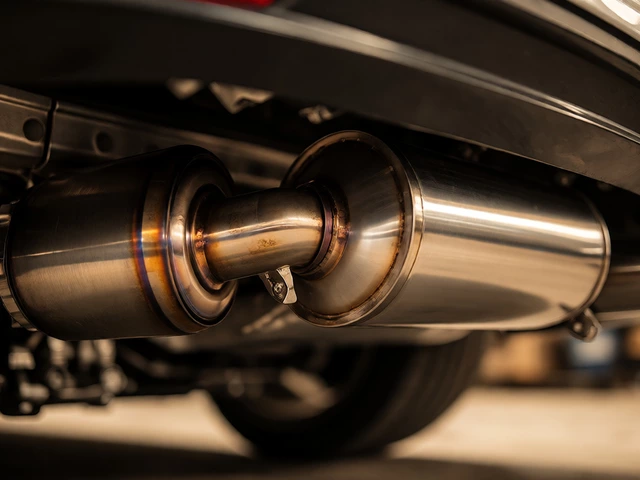
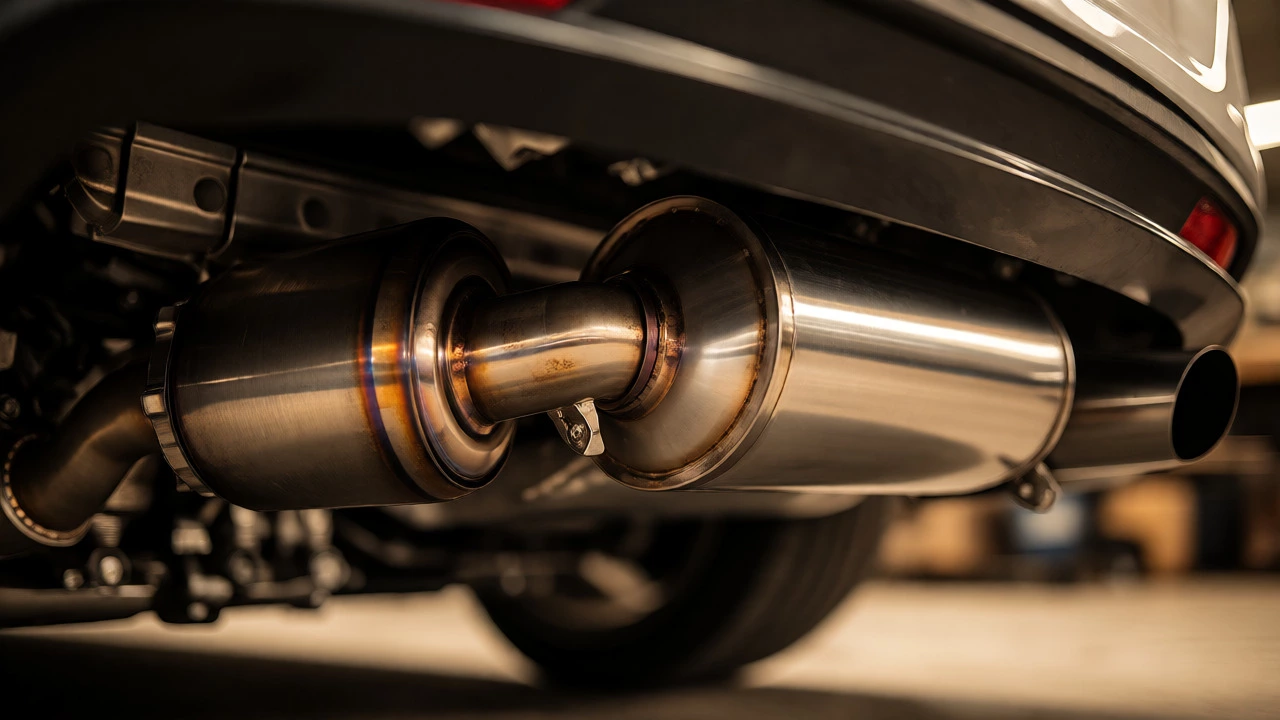
The Back Box, also known as the rear muffler or resonator, is a component designed primarily to reduce noise levels by reflecting sound waves and dissipating energy. It sits after the catalytic converter. Its job is acoustic, not chemical. This distinction is crucial. Because the back box doesn't filter pollutants, its legality hinges on noise laws, not emission laws.
| Feature | Catalytic Converter Delete | Back Box Delete |
|---|---|---|
| Primary Function | Emissions Control | Noise Reduction |
| Legal Status (General) | Illegal for street use | Variable (depends on noise level) |
| Inspection Impact | Fails Emissions Test | Fails Noise/Safety Check |
| Police Attention | High (visual/smell) | Medium (auditory) |
The Decibel Limit: Where Most People Get Caught
Most traffic laws don't say "you must have a muffler." They say "your vehicle shall not emit excessive noise." So, technically, you could drive with straight pipes if your car was quiet enough. But let's be real-straight pipes aren't quiet.
In Australia, where I'm based, the rules are strict. Under the Australian Design Rules (ADR), vehicles must comply with specific noise limits. For most passenger cars manufactured after 1980, the limit is often around 95-96 dB(A) at idle or during acceleration tests. If your back box delete pushes you over this threshold, you are non-compliant.
Here is the tricky part: inspectors don't always use a calibrated decibel meter. They use their ears. And their ears are subjective. A police officer might think your 90 dB exhaust is fine, while another thinks it's obnoxious. However, if you are significantly louder than stock, you are rolling the dice. Modern cars are quieter than ever due to stricter manufacturing standards, so even a modest modification can make you stand out.
If you live in a region with mandatory annual inspections (like Victoria or NSW in Australia, or certain US states), the inspector has the right to reject your vehicle if the exhaust system is incomplete or excessively noisy. An open pipe sticking out the back is often flagged as "incomplete" regardless of volume.
Regional Variations: It’s Not One Size Fits All
Legality varies wildly depending on your jurisdiction. What flies in Texas might get you towed in California. Since I'm writing from Melbourne, let's look at the Australian context first, then broaden out.
In Australia, state-by-state regulations apply. In Victoria, the Road Safety Act requires vehicles to be maintained in a condition that doesn't cause unnecessary annoyance. Police can issue defect notices for noisy exhausts. If you remove the back box, you risk being deemed "non-compliant" during a registration renewal inspection. The key here is the word "unnecessary." If your car sounds like a tractor, it's unnecessary. If it's a subtle growl, you might pass.
In the United States, federal EPA rules focus on emissions, not noise. That leaves noise to state and local laws. Some states have strict decibel limits (e.g., California caps at 95 dB for post-1974 vehicles). Others have vague "reasonable person" standards. In rural areas, you have more leeway. In cities, expect tighter enforcement.
Europe tends to be stricter. Many EU countries require type-approved exhaust systems. Modifying the exhaust beyond manufacturer specs can invalidate your vehicle's type approval, making it illegal to drive on public roads without re-certification. Always check your local transport authority's website before cutting anything.

How Inspectors Spot a Deleted Back Box
You might think, "I'll just hide the open pipe." Good luck with that. Inspectors know what to look for. Here is how they catch modified exhausts:
- Visual Inspection: They look under the car. If the final chamber is missing, it's obvious. Even if you tuck the pipe up, the lack of a muffler housing is a red flag.
- The Rev Test: They ask you to rev the engine. If the sound changes dramatically from low to high RPMs without any dampening, they suspect a delete.
- Rattle Check: Ironically, some deleted setups rattle because heat shields are loose or pipes are vibrating against each other. A rattling exhaust is an instant fail in many jurisdictions.
- Smoke Smell: While not directly related to the back box, a loud exhaust often correlates with other mods. If they smell raw fuel or see blue smoke, they look closer at the whole system.
Pro tip: Keep your original back box. If you get pulled over or need an inspection, you can swap it back in 15 minutes with a socket wrench. It’s the cheapest insurance policy you can buy.
Performance Myths: Does Deleting the Back Box Add Power?
Enthusiasts often claim that removing the back box frees up horsepower. Is this true? Mostly, no. Or at least, not enough to matter.
The back box creates backpressure, which can hinder flow. Removing it reduces backpressure. However, modern exhaust systems are designed with computational fluid dynamics to optimize flow already. Removing the final resonator might free up 2-5 horsepower on a naturally aspirated engine. On a turbocharged engine, it might help spool slightly faster, but the gains are marginal.
Worse, removing the back box can sometimes hurt performance. Without proper scavenging effects provided by well-designed chambers, you might lose low-end torque. Plus, drone inside the cabin becomes a real issue. Drone is that annoying hum at highway speeds. It makes long drives miserable and can lead to driver fatigue. If you prioritize comfort, keep the back box.
Legal Alternatives to Full Delete
If you love the sound but hate the legal risk, there are middle-ground options. You don't have to choose between silence and chaos.
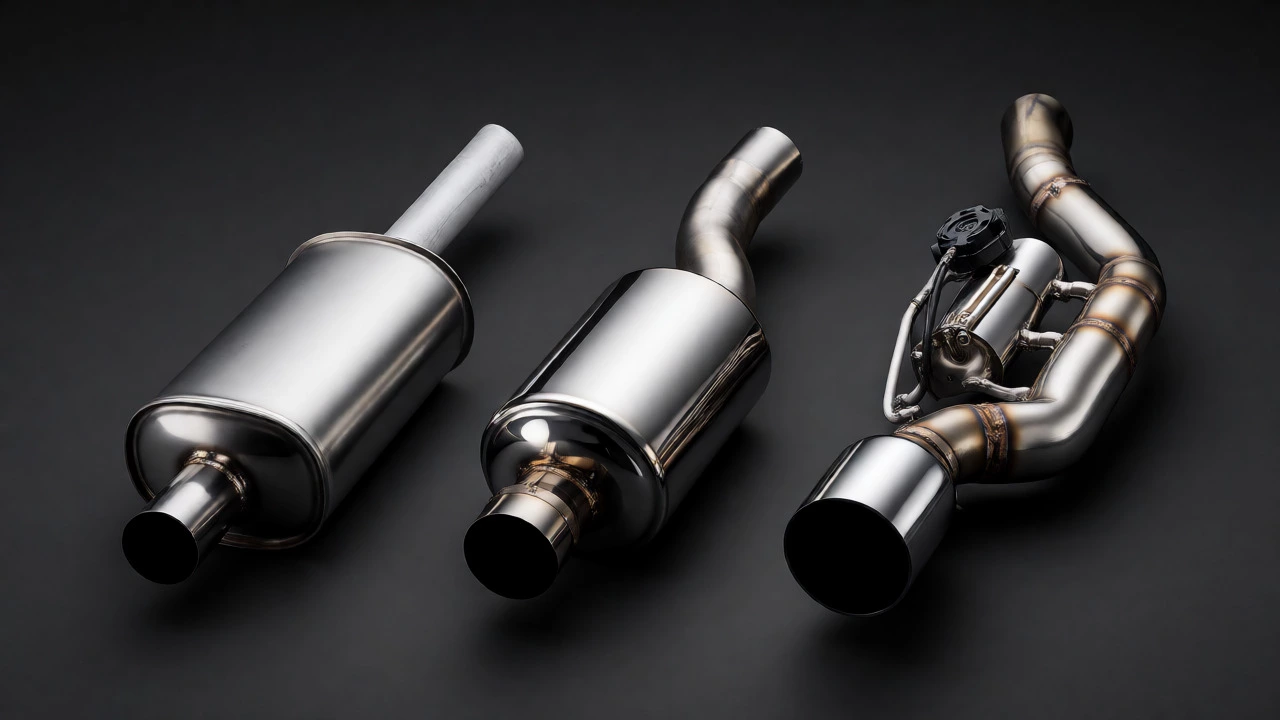
Resonator Deletes are modifications that remove only the intermediate resonators while keeping the main rear muffler intact. This adds a bit of edge to the tone without going full straight-pipe. It’s often easier to justify as "OEM-style" if the remaining muffler looks stock.
High-Flow Mufflers replace the restrictive factory unit with a freer-flowing design. Brands like Borla or Flowmaster offer systems that are louder than stock but still compliant with noise laws. These are pre-tested for decibel levels, giving you peace of mind.
Valved Exhaust Systems are exhaust systems equipped with electronic valves that bypass the muffler when opened, allowing the driver to switch between quiet and loud modes. When closed, the valve routes exhaust through the muffler, making the car compliant. When open, you get the loud sound. This is the best of both worlds, though these systems are expensive and complex.
Checklist: Before You Cut Your Exhaust
Ready to take the plunge? Run through this checklist first.
- Check Local Noise Limits: Look up your state/province decibel limit. Know the number.
- Borrow a Decibel Meter: Measure your car at idle and at 3/4 throttle. Compare it to the limit. Leave a buffer of 5-10 dB for safety.
- Inspect the Pipe Exit: Ensure the open pipe doesn't hang too low or stick out too far. Sharp edges can be cited as a safety hazard.
- Consider Resale Value: Modified exhausts can scare off buyers who fear hidden issues or noise complaints. Stock exhausts appeal to a broader market.
- Keep Receipts: If you install a certified aftermarket system, keep the paperwork. It proves the part was designed for road use.
Final Verdict: Proceed with Caution
So, is back box delete legal? Technically, yes, if it stays within noise limits. Practically, it's risky. Law enforcement relies on perception, and perception favors compliance. If you want a loud car, invest in a quality axle-back system rather than a crude delete. You’ll get the sound, keep the legal shield, and avoid the headache of explaining yourself to a bored cop on a Tuesday morning.
Does removing the back box affect my warranty?
Generally, modifying the exhaust system does not void the entire vehicle warranty. However, if the modification causes damage to other components (like oxygen sensors or the catalytic converter due to improper installation), those specific repairs may not be covered. Always consult your dealer before making modifications.
Can I pass inspection with a straight pipe?
It depends on the inspector and the noise level. If the straight pipe is quiet enough, you might pass. However, many inspectors automatically fail vehicles with visible modifications that appear incomplete or excessively loud. It is safer to reinstall the muffler for inspection.
Is a resonator delete the same as a back box delete?
No. A resonator delete removes intermediate chambers that cancel specific frequencies, while a back box delete removes the final muffler. A resonator delete is generally quieter and less likely to violate noise laws than a full back box delete.
What happens if I get caught with an illegal exhaust?
Consequences vary by location. Typically, you will receive a fine and a defect notice requiring you to fix the issue within a set period (often 14-30 days). If you do not comply, your vehicle registration may be suspended.
Do electric cars need back boxes?
Electric vehicles do not have traditional exhaust systems. However, some EVs use artificial sound generators for pedestrian safety warnings. These are regulated differently and cannot be simply "deleted" without affecting safety features.