Car Detailing Longevity Calculator
Impact Factors:
That fresh-out-of-the-shop feeling is intoxicating. You hand over your keys, wait a few hours, and pick up a vehicle that looks like it just rolled off the factory floor in Detroit or Stuttgart. The paint gleams under the sun, the wheels spin with zero brake dust, and the interior smells crisp. But here is the hard truth: that shine does not last forever. In fact, depending on how you define "detailing" and what products were used, that showroom look could fade in two weeks or hold strong for three years.
If you are wondering how long does car detailing last, the answer isn't a single number. It depends entirely on the layers of protection applied during the process. A basic wash-and-wax job is temporary maintenance. A full correction and ceramic coating is a long-term investment. Understanding this difference saves you money and keeps your car looking premium without constant reapplication.
The Spectrum of Detailing Protection
When people ask about longevity, they often confuse a quick clean with professional detailing. To understand duration, we need to break down the specific protective layers involved. Each layer has a distinct lifespan based on its chemical composition and bond strength.
| Protection Type | Average Lifespan | Best For |
|---|---|---|
| Standard Car Wash | 1-2 Weeks | Maintaining cleanliness only |
| Carnauba Wax | 1-3 Months | Deep warmth and gloss |
| Synthetic Sealants | 4-6 Months | Balanced durability and ease |
| Ceramic Coating (Consumer) | 1-2 Years | DIY enthusiasts wanting longer protection |
| Professional Ceramic Coating | 3-5 Years | Maximum hydrophobicity and UV protection |
| Paint Protection Film (PPF) | 5-10 Years | Physical impact resistance (rock chips) |
A standard car wash removes surface dirt but adds no protective barrier. Without wax or sealant, your paint is exposed to UV rays and contaminants immediately after drying. This is why a simple wash feels "fresh" for only a week or two before water spots and road grime return.
Why Wax Fades Faster Than You Think
Carnauba Wax is a natural substance derived from the leaves of the Brazilian palm tree, prized for its deep, warm glow. Many detailers still swear by it because nothing beats the aesthetic depth it provides. However, nature works against it. Carnauba wax breaks down rapidly under heat and UV exposure. If you live in a hot climate like Melbourne’s summer peaks, expect that rich red or black finish to dull within six weeks.
The chemistry is straightforward. Wax sits on top of the clear coat rather than bonding to it. Rain, automatic car wash brushes, and bird droppings physically strip away this thin layer. While it offers excellent initial beading and slickness, its short lifespan means frequent reapplication. For many owners, the effort required to maintain a waxed finish outweighs the visual benefit after the first month.
Synthetic Sealants: The Middle Ground
If wax is too fragile, synthetic polymer sealants offer a more robust solution. These products are engineered polymers designed to bond more aggressively to the paint surface. Unlike organic waxes, they resist heat better and provide superior hydrophobic properties-meaning water sheets off faster, taking dirt with it.
You can typically expect a quality sealant to last between four and six months. This makes it a practical choice for daily drivers that see regular use. The trade-off is slight; some purists argue sealants lack the "wet look" depth of carnauba. However, modern formulations have closed this gap significantly. For someone who wants protection without the hassle of monthly waxing, a high-quality spray sealant applied after every wash can extend this baseline protection indefinitely.
Ceramic Coatings: The Game Changer
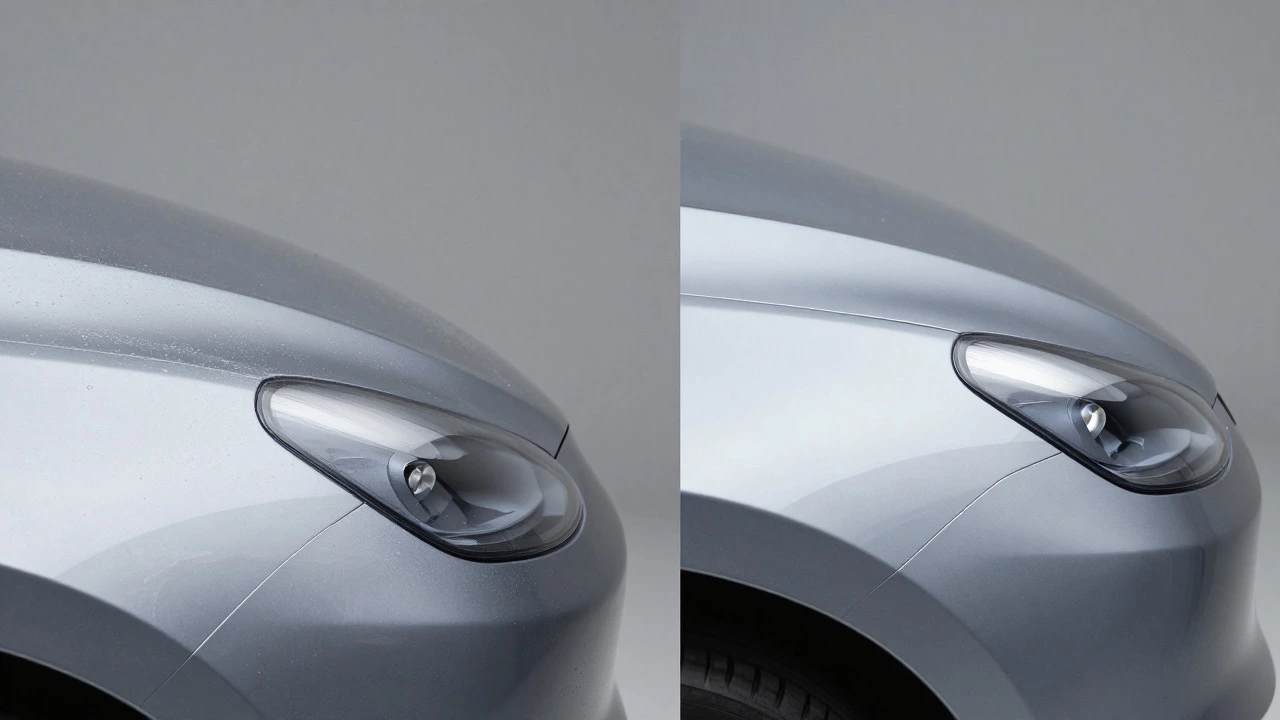
Ceramic Coating is a liquid polymer applied to the exterior of a vehicle that chemically bonds with the factory paint to create a layer of protection. This is where the definition of "detailing" shifts from maintenance to preservation. Ceramic coatings contain silicon dioxide (SiO2) or titanium dioxide (TiO2). When cured, these compounds form a semi-permanent bond with the clear coat.
Professional-grade ceramic coatings, which require meticulous paint correction beforehand, can last three to five years. Consumer-grade kits available at auto parts stores usually last one to two years. The key difference lies in the concentration of SiO2 and the precision of application. A professional detailer spends hours decontaminating and polishing the paint to ensure the coating adheres perfectly. Any swirl marks left under the coating become permanent, locked in by the hard shell.
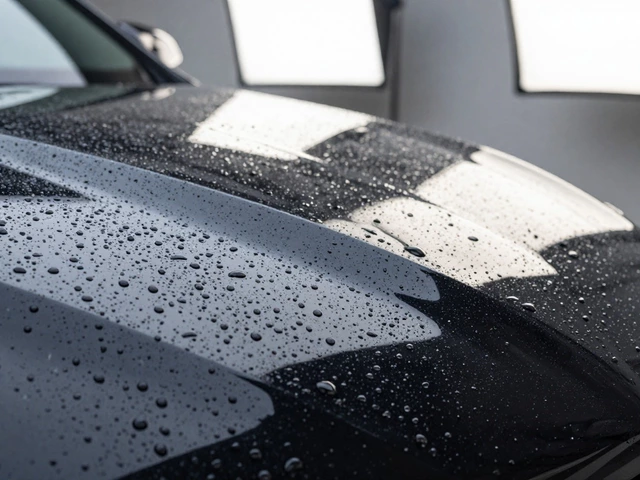
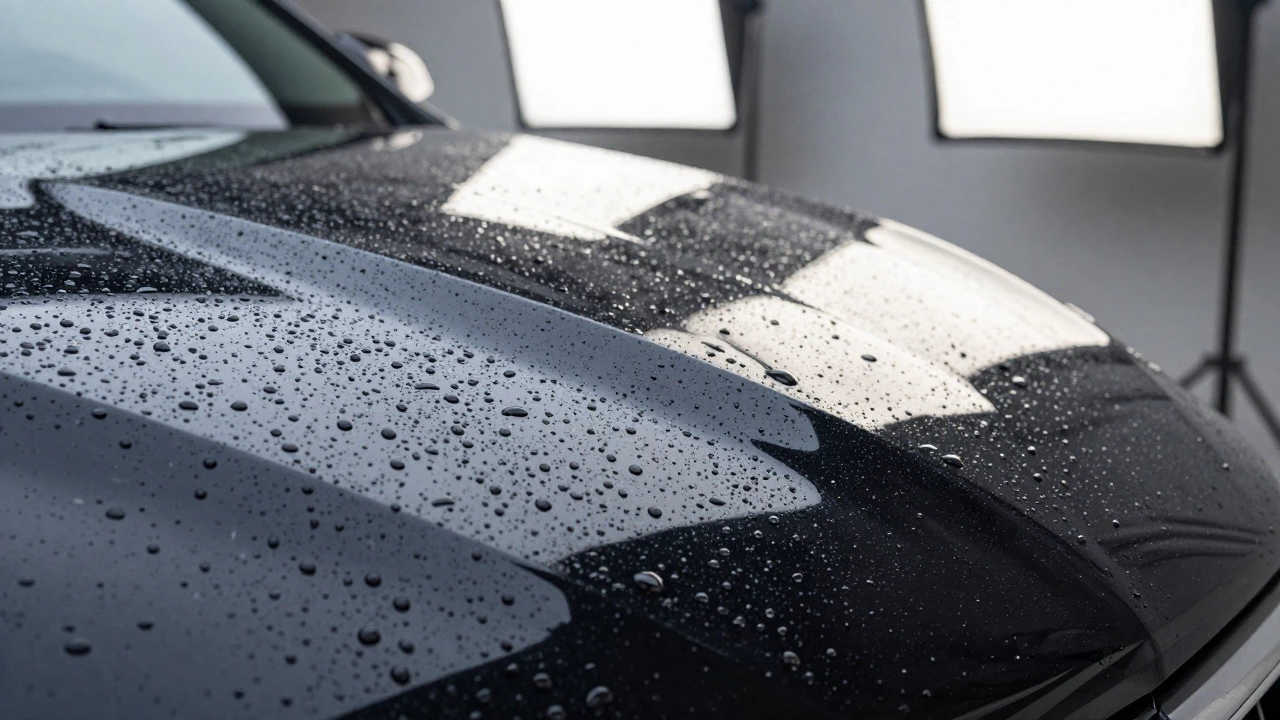
The benefits extend beyond longevity. Ceramic coatings repel water, oil, and some chemicals. Bird droppings and tree sap slide off more easily, reducing the risk of etching. However, they are not invincible. They do not prevent rock chips, and heavy abrasion can degrade the coating over time. Regular washing with pH-neutral soap is essential to maintain the hydrophobic effect.
Paint Protection Film: Physical Armor
While ceramic coatings protect against chemical stains and UV fading, Paint Protection Film (PPF) is a transparent urethane material applied to painted areas of an automobile to protect the paint from defects caused by mechanical abrasion. PPF is essentially a sacrificial layer. It absorbs the energy from rock chips, bug splatter, and minor scratches.
High-quality thermoplastic polyurethane (TPU) films can last five to ten years. Modern films even feature self-healing properties; minor swirls and scratches disappear when exposed to heat from the sun or warm water. This makes PPF ideal for high-impact areas like the hood, bumper, and side mirrors. Unlike coatings, PPF is a physical barrier. It does not wear off due to weathering in the same way wax does, though the topcoat may degrade slightly over many years, requiring rejuvenation treatments.
Factors That Shorten Detailing Life
Even the best protection fails if you ignore environmental realities. Several factors accelerate the breakdown of any detailing product:
- Automatic Car Washes: Brush-based washes are the enemy of all protections. The abrasive pads strip wax, micro-scratch sealants, and eventually degrade ceramic coatings. Touchless washes are safer but often use harsh alkaline soaps that break down hydrophobic bonds.
- UV Exposure: Parking in direct sunlight accelerates oxidation. While ceramic coatings block UV rays, uncoated paint fades quickly. Heat also causes wax to melt and run, leaving streaks.
- Contaminants: Industrial fallout, rail dust, and tree sap are acidic. If left on the surface, they eat through wax and sealant in days. On ceramic coatings, they may sit harmlessly for weeks, but prolonged contact can still cause staining.
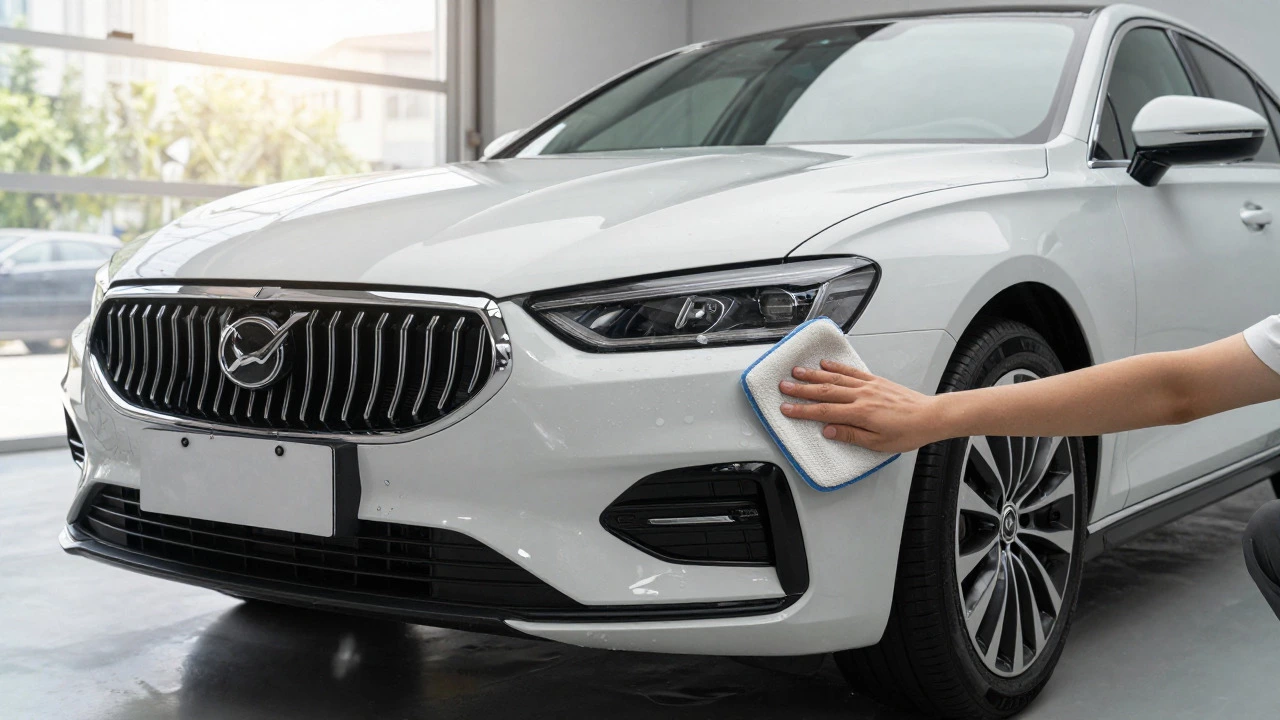
- Washing Technique: Using dirty mitts or household dish soap introduces grit and degreasers that strip protection. The two-bucket method with grit guards is non-negotiable for preserving detail work.
Interior Detailing Longevity
Exterior shine gets the attention, but interior detailing faces different challenges. Leather conditioning, fabric protection sprays, and dashboard UV inhibitors all have varying lifespans. Leather conditioners penetrate the hide to prevent cracking, lasting three to six months depending on usage. Fabric guards, which create an invisible barrier against spills, can last up to a year but wear down with frequent vacuuming and friction from passengers.
The biggest threat to interior longevity is neglect. A detailed interior looks great for a week until crumbs accumulate and shoes track mud onto carpets. Regular vacuuming and spot cleaning extend the life of the initial detail. Without maintenance, the interior returns to its pre-detail state much faster than the exterior paint loses its gloss.
Maximizing Your Investment
To get the most out of your detailing, treat it as a ongoing care routine rather than a one-time fix. Here is how to extend the life of your protection:
- Wash Frequently: Dirt acts as an abrasive. Washing every two weeks prevents contaminants from bonding to the surface.
- Use Maintenance Sprays: After washing, apply a ceramic booster spray or quick detailer. This replenishes the hydrophobic layer without stripping the base protection.
- Avoid Automatic Washes: Hand wash your car whenever possible. If you must use an automatic wash, choose a touchless option with mild soap.
- Park Smart: Garages or shaded areas reduce UV damage and heat stress on your paint and interior materials.
- Address Contaminants Immediately: Use a clay bar or iron remover quarterly to pull embedded particles from the paint before they cause swirls during washing.
Understanding how long car detailing lasts helps you set realistic expectations. A basic wax job is a short-term cosmetic boost. Ceramic coatings and PPF are long-term investments that require proper maintenance. By choosing the right protection level for your lifestyle and maintaining it correctly, you can keep your car looking showroom-new for years, not just weeks.
Does ceramic coating really last 5 years?
Professional-grade ceramic coatings can last 3 to 5 years if properly maintained. Consumer-grade kits typically last 1 to 2 years. The lifespan depends on the quality of the product, the preparation of the paint before application, and how well you wash the car afterward. Harsh chemicals and automatic car washes will shorten this duration significantly.
How often should I wax my car if I want it to stay shiny?
If you use traditional carnauba wax, you should reapply it every 1 to 3 months. Synthetic sealants last longer, typically 4 to 6 months. Frequency depends on your environment; cars parked outdoors in hot, sunny climates need more frequent applications than those kept in garages.
Is paint protection film worth the cost compared to ceramic coating?
It depends on your priority. Paint protection film (PPF) protects against physical damage like rock chips and scratches, making it ideal for high-mileage drivers or those living near construction zones. Ceramic coating protects against chemical stains, UV fading, and makes washing easier. Many owners use both: PPF on high-impact areas and ceramic coating over the rest of the body.
Can I wash my car with an automatic car wash after detailing?
It is generally recommended to avoid brush-based automatic car washes as they can scratch the paint and strip protective layers. Touchless automatic washes are safer but often use harsh detergents that degrade wax and sealants. Hand washing with pH-neutral soap is the best way to preserve any type of detailing protection.
How long does interior detailing last?
Interior detailing results vary by component. Leather conditioning lasts 3 to 6 months. Fabric protection sprays can last up to a year but wear down with use. The visual cleanliness of the interior depends heavily on your habits; regular vacuuming and immediate spill cleanup are necessary to maintain the detailed look beyond a few weeks.